

With June quickly coming to a close, we think it’s time to look back and see what phones have been launched in the first half 2026.
So far, there have been a lot, and this makes it hard to pick what’s right, especially for users who need to buy a new phone right now.
To help make that choice a bit easier, we’re listing our top picks of smartphones launched in the first half of 2026. Specifically, we’ll be looking at phones priced under PHP 50,000.
Perfect for those who have already saved a bit and want a great-performing midrange smartphone right now. Yes, I said midrange; chip prices are going up after all, and the whole consumer tech industry is affected by this.
Do note that the list is arranged in no particular order, meaning no one phone is better than the other.
Xiaomi 17T Pro
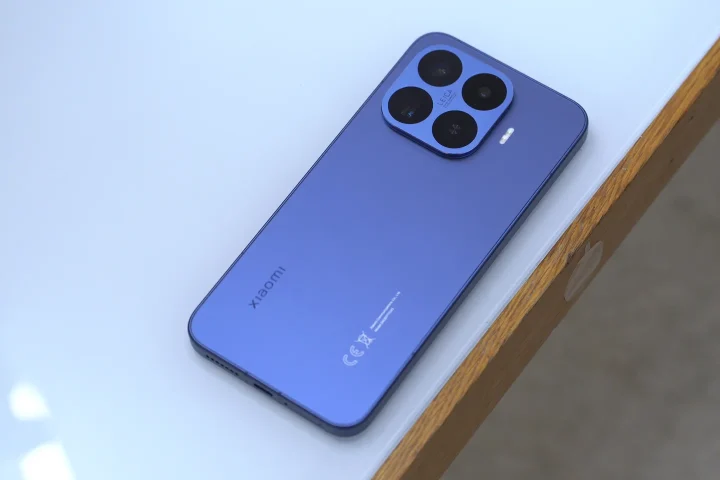
The Xiaomi 17 series is no doubt a great lineup of phones, but it might be a bit too expensive for some. Fortunately, that’s where the Xiaomi 17T Pro comes in. It starts at PHP 45,999 for the 12+256GB variant, while the 12+512GB retails for PHP 47,999.
For the price, the Xiaomi 17T Pro already comes with a 6.83-inch LTPO pOLED panel with 144Hz refresh rate and even features Dolby Vision. Under the metal, it packs a MediaTek Dimensity 9500 chipset, which is very capable for both gaming and everyday productivity tasks. It scored over 3M points in Antutu, which makes it the highest score on this list.

Based on our review, the 17T Pro was able to score decent benchmarks, and could run games like NTE and Genshin without issues. In addition, it’s got a great set of cameras featuring a 50MP main, 50MP telephoto, and a 12MP ultrawide. At the front, there’s a 32MP camera for selfies. The camera quality is great, and users can record video up to 8K@30FPS.

The battery of the Xiaomi 17T Pro is a large 7,000mAh which lasts a long time. Based on our experience, it lasted 20 hours and 45 minutes via PCMark’s Battery Test, which is an impressive score. It also features 100W fast wired charging and 50W wireless charging.
Honor 600 Pro
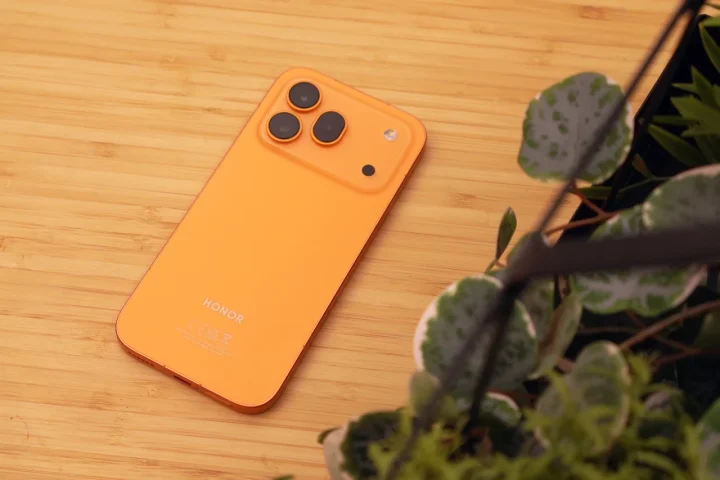
One phone that got a lot of attention is the Honor 600 Pro. It’s got close to flagship level specs and performance, but is still priced relatively decently with an SRP of PHP 49,999 for the lone 12+512GB variant.
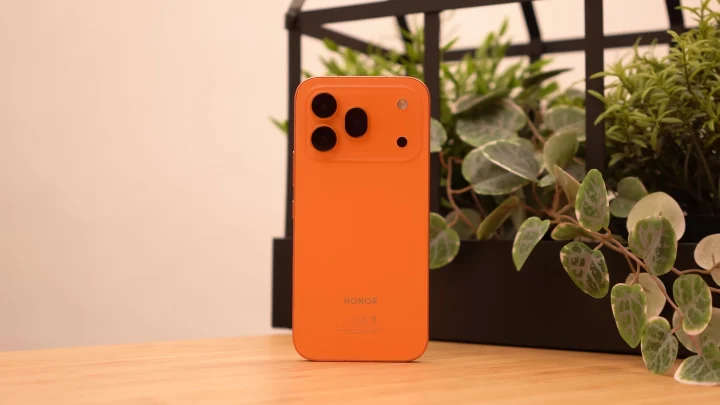
The design of the Honor 600 Pro might divide some people, but there’s no doubt it stands out especially in the orange colorway. But as with most Honor devices, it’s still very sturdy featuring an IP68 and 69K ratings plus an SGS 5-star Premium Performance Certification of Drop and Crush Resistance.

The display features a 6.57-inch AMOLED panel with up to 120Hz refresh rate. It’s a bit smaller compared to the other phones on this list, but it’s still a beautiful screen. For the cameras, there’s a triple rear camera system highlighted by a 200MP main, 50MP telephoto, and a 12MP ultrawide together with a 50MP front camera.
As for the chipset, it’s close to flagship level smartphones already using a Snapdragon 8 Elite chip. It might be a bit dated compared to the Elite Gen 5 used now, but it’s still very capable, scoring around 2.5 million on Antutu.
With that, it’s more than capable of running the latest games including NTE and Genshin without issues. Safe to say, even productivity tasks can be easily handled without any issues.
As for the battery, it also packs a 7,000mAh silicon-carbon battery pack, which lasts decently long. From our review, we were able to get 17 hours and 32 minutes of battery life via PC Mark’s Battery Test.
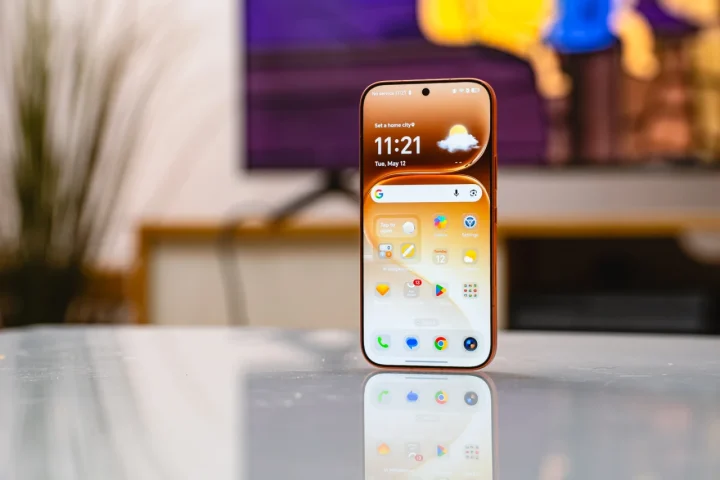
The Honor 600 Pro is arguably the most expensive phone on this list, but at least it features the closest to flagship-level specs.
realme 16 Pro+
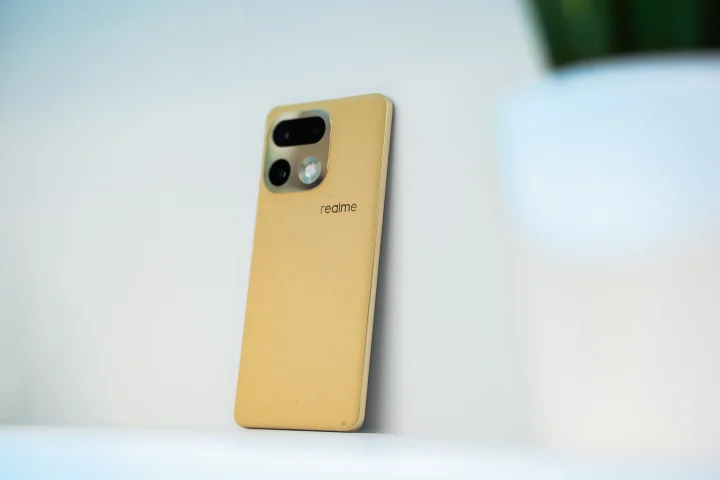
Another highly anticipated smartphone launched this 2026 is the realme 16 Pro+. The Pro+ variant was interestingly missing from the lineup last year, but for 2026 it’s finally back.
It’s undergone a redesign with new styling, and even features a leather-like material used for the back panel. Despite that, it still features IP66, IP68, IP69 and IP69K ratings for dust and water resistance.

For the display, the realme 16 Pro+ uses a 6.8-inch AMOLED panel with up to 144Hz refresh rate, 6500 peak brightness, and HDR10+. There’s also a triple rear camera system highlighted by a 200MP main, 50MP periscope-telephoto, and 8MP ultrawide. For selfies, there’s a 50MP front camera.
The cameras are quite versatile, and are great at capturing images. Meanwhile, video records up to 4K@60FPS for both front and rear, with stabilization at max res.

In terms of performance, the realme 16 Pro+ packs a Snapdragon 7 Gen 4 and comes with up to 12GB of RAM and 512GB of storage. It might be a bit dated, but it’s still rather capable to this day with a score of around 1.4 million on Antutu. With that, it could run more graphic intensive games on medium-high graphics.

Similar to the rest of the phones on this list, the realme 16 Pro+ uses a 7,000 mAh silicon-carbon battery, and with the chipset, lasted 19 hours and 17 minutes via PCMark’s Battery Benchmark. It also features 80W fast wired charging, but no wireless charging unfortunately.
The lone 12+512GB variant of the realme 16 Pro+ retails for PHP 43,999.
Infinix Note 60 Ultra
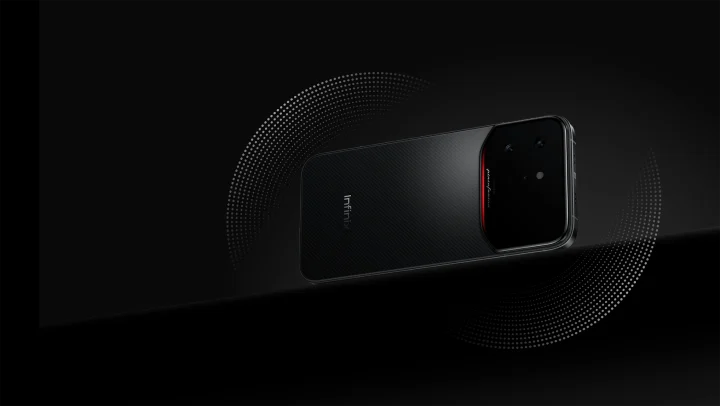
Infinix might be known for more budget friendly smartphones, but the brand also offers more capable and higher-end devices like the Note 60 Ultra.
Despite it being one of the more expensive Infinix devices, it’s still the most affordable phone on this list with an SRP of PHP 32,999 for the 12+512GB variant. Interestingly, the Note 60 Ultra looks very different from the Note 60 Pro we got to review. In fact, it’s even styled by Italian design firm Pininfarina, the same guys who used to design Ferraris.

In terms of specs, the Infinix Note 60 Ultra features a 6.78-inch 1.5K AMOLED Ultra HDR display with 144Hz refresh rate and up to 4500 nits peak brightness. For cameras, there’s a triple rear camera system highlighted by a 200MP main, 50MP periscope-telephoto, and an 8MP ultrawide. At the front, there’s a 32MP camera.
Under the metal, the Note 60 Ultra packs a MediaTek Dimensity 8400 Ultimate chipset and comes with up to 12GB RAM and 512GB storage. It’s a capable chipset, but unfortunately we have yet to review the phone so no numbers for now. Still, it’s a capable chipset no doubt about it.
Like the other phones, it packs a 7,000mAh silicon-carbon battery pack with support for 100W wired and 50W wireless charging. Considering the experience we’ve had with these batteries, it should also last a long time.
Apple iPhone 17e

The most affordable Apple smartphone right now is the iPhone 17e. It starts at PHP 44,990 for the base 256GB variant, which is the only model that makes this list. There is also a 512GB variant, but that one costs PHP 59,990.
On the outside, it looks very much similar to the iPhone 16e. No big design jump here like the 16 Pro to the 17 Pro. That said, it still has an IP68 rating for dust and water resistance. At the front, there’s a 6.1-inch Super Retina XDR OLED display with up to 1200 nits peak brightness, which is the same as before.
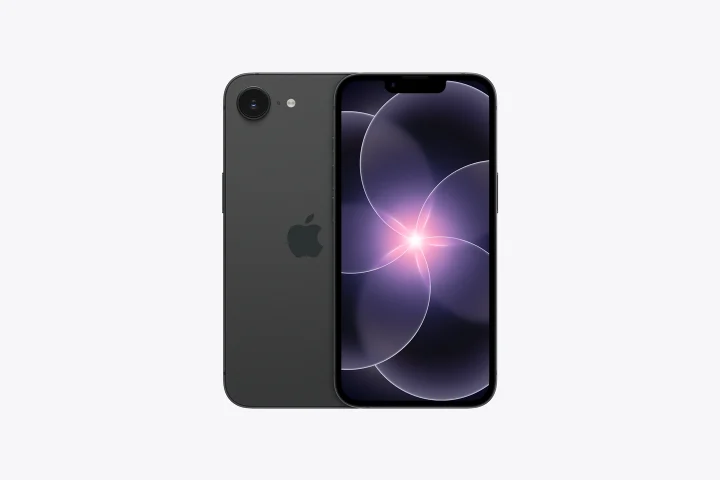
Under the hood, the iPhone 17e packs Apple’s A19 chipset, which is the same as the regular iPhone 17. No benchmarks yet, but it should more or less have the same performance as the standard iPhone 17.
For the cameras, there’s only one at the rear – a 48MP shooter. At the front, there’s a 12MP camera for selfies. As for the battery, there’s a tiny 4,005 mAh battery pack with wired and wireless charging available.
So while the iPhone 17e might be a bit down on specs, at least it makes the Apple ecosystem more affordable for most.
OPPO Reno 15 Pro
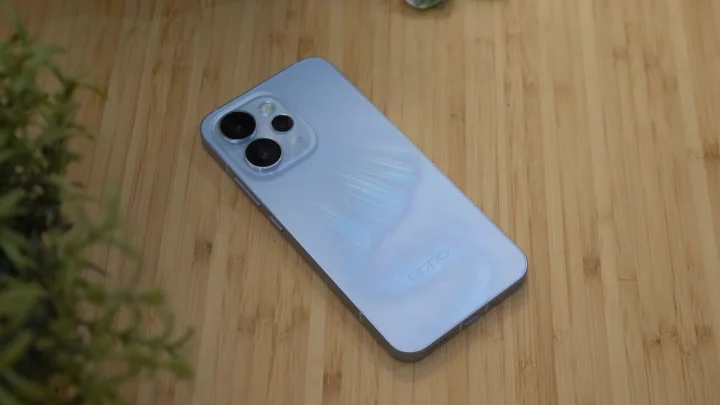
Last but not least we have the top-dog version of OPPO’s Reno lineup – the Reno 15 Pro. It’s a phone we checked out back in Feb, and even to this day, it’s still a very capable smartphone. However, it’s a bit on the expensive side too with an SRP of PHP 49,990 for the lone 12+512GB variant.
The OPPO Reno 15 Pro features a 6.78-inch LTPO AMOLED panel with up to 120Hz refresh rate and up to 1800 nits peak brightness. Under the hood, there’s a MediaTek Dimensity 8450 chipset, which was able to score around 2.1 million on Antutu. With that, there’s no doubt it’s capable of playing games, including Genshin, and all of the productivity tasks users can think of.

For cameras, there’s a triple rear camera system featuring a 200MP main, 50MP telephoto, and 50MP ultrawide along with a 50MP front camera. It had a huge setup from its predecessor, allowing users to capture even better images and video.

Powering the OPPO Reno 15 Pro is a 6,200mAh battery pack, which isn’t as big as the others on this list. With that, battery life is also a bit down with just 10 hours and 57 minutes via PCMark’s Battery Benchmark. It also supports 80W fast charging, but no wireless charging.
Now, just note that the OPPO Reno 16 series might be launching in the Philippines soon, so you might want to wait for that.
Conclusion
So that wraps up our top pick of smartphones priced under PHP 50,000 launched in the Philippines during the first half of 2026. Among all of the phones on this list, which one would you pick? Or alternatively, would you wait for the phones coming later this year?
Whatever the case, let us know in the comments below.





0 Comments
Leave a Reply