
The first quarter of 2026 is officially done, and if you noticed, there were a lot of phones launched this Q1 alone. Before the next batch of phones arrive this April as well as the coming months, let’s first rewind and check out our top picks priced under PHP 20,000.
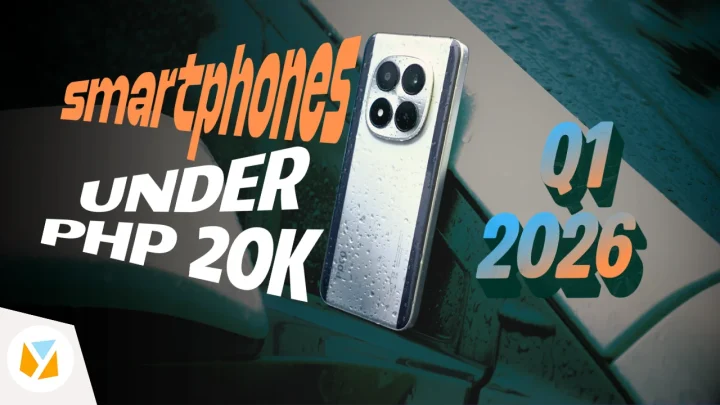
This gives you guys options to choose smartphones that perfectly fit your budget, assuming you need a new one right now. For reference, these smartphones are listed in no particular order except price in ascending order.
So without further ado, let’s go right into it.
Honor X8d (PHP 15,999)
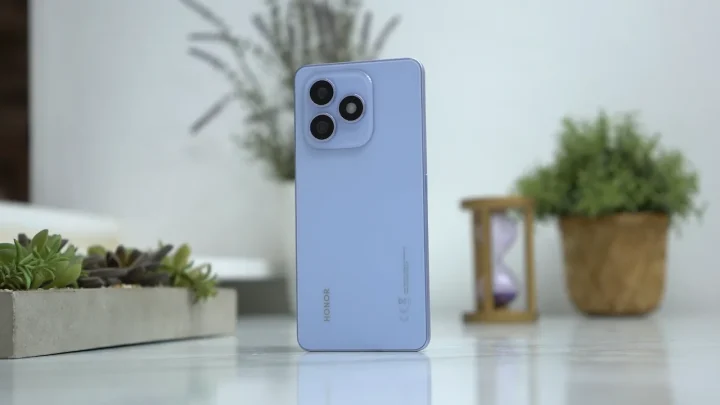
First up is the Honor X8d, which is the most affordable smartphone on this list. It’s not as durable as its X9d sibling, but that’s to be expected given the more affordable price point.
The X8d is only rated for IP65, but it has a dedicated AI button, which can quickly launch AI functions and is fully customizable. Yes, it comes with AI’s Honor functionality despite its affordable price point.
For performance, the X8d packs a Snapdragon 6s 4G Gen 2 chipset, which is more than capable for running day-to-day tasks and light gaming. It was able to score over 500k on Antutu, which is decent for a phone in its category.
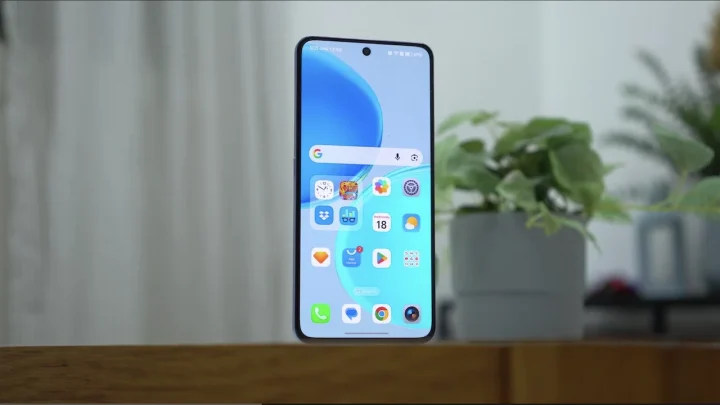
Light games like Mobile Legends aren’t a problem, but more graphic intensive titles prove to be challenging if users go beyond low graphics settings. Still, at least users can play games to pass time.
There’s also a large 6.77” AMOLED display with a Full HD+ resolution and 120Hz refresh rate to watch series and movies. Interestingly, the cameras are almost similar to the X9d featuring a 108MP main, 5MP ultrawide, and a 16MP front camera.
As for the battery, Honor X8d packs a large 7,000mAh unit, which lasts a very long time. We were able to garner a result of 17 hours and 28 minutes using PCMark’s battery test, which is a great result. For charging, it only has 45W wired charging.
The Honor X8d is the only phone on this list with no 5G capability, limited to 4G LTE. But at its price point of PHP 15,999 for the 8+256GB variant, some might be able to look over it.
POCO M8 Pro 5G (PHP 16,999)
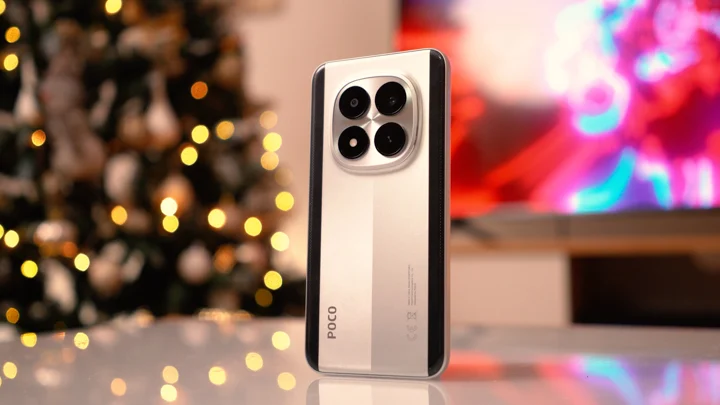
Another POCO on this list is the M8 Pro 5G. It’s a lot more affordable than the X8 Pro with a starting price of PHP 16,999 for the 8+256GB variant. However, the same can’t be said for the 12+512GB variant which retails for PHP 19,999.
The M8 Pro isn’t as powerful given the price point, but it’s still quite capable. It packs a Snapdragon 7s Gen 4 chipset under the hood, which was able to score over 800,000 on Antutu. Playing lighter titles was not a problem too, and it could even handle running Genshin Impact on medium graphic settings steadily.

There’s also a large 6.83” 1.5K curved AMOLED panel with a 120Hz refresh for users to enjoy playing games and watching videos on this phone. The M8 Pro supports HDR10+ and even has Dolby Vision after all.
For cameras, users have a 50MP main shooter paired with an 8MP ultrawide at the rear, while the front uses a 32MP sensor for selfies. The review unit we have looks great too with a black-silver color scheme, and it’s decently protected with an IP68 rating for dust and water resistance.
Powering the POCO M8 Pro is a 6,500mAh battery with 100W fast charging. Despite the average battery size, it lasted 17 hours and 6 minutes with PCMark’s Battery Test.
Nubia Neo 5 GT (PHP 17,999)
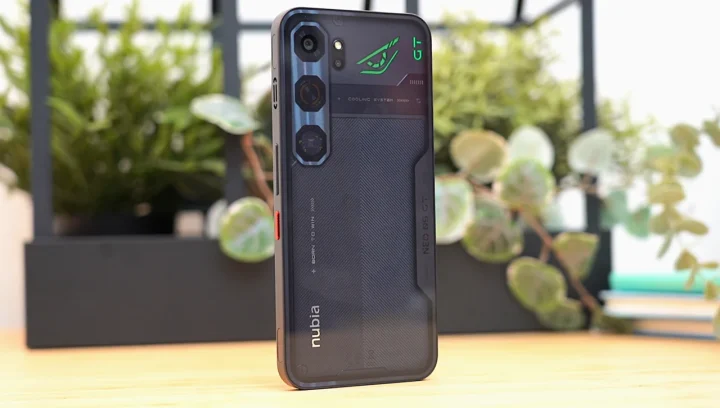
The only gaming phone on this list is the Nubia Neo 5 GT. It’s a proper gaming phone too featuring shoulder triggers to help make gaming life a lot easier.
Not to mention, it has the aesthetics down to match as well with LED lighting, which is customizable by the way, and even cooling vents for a fan to help with long gaming sessions. Nubia didn’t even include a camera bump, which makes it fully flat when users place it on a table.
Since this is a gaming phone, it also has a high refresh rate display. The Neo 5 GT features a large 6.8” screen with a 1.5K AMOLED panel and a 144Hz refresh rate. This makes it the only smartphone on this list with a 144Hz refresh rate, a feature typically found on more higher-end smartphones.
The chipset is decent too. It packs a MediaTek Dimensity 7400 processor, which was able to score over 1 million points on Antutu. With lighter titles like Mobile Legends, it was able to run the game on ultra settings.

On more graphic intensive titles like Genshin, it can run steadily up to 60 FPS on low settings. It could also handle the game on medium graphics, while enabling the cooling fan helps maintain frame rates for extended gaming runs.
Since the Nubia Neo 5 GT is a gaming phone, the cameras aren’t exactly the main highlight. It only comes with a 50MP main rear shooter, a secondary unspecified lens, and an 8MP front camera.
Powering the Neo 5 GT is a 6,210 mAh battery pack, which doesn’t last the longest. It only lasted 11 hours and 57 minutes on PCMark with the fan and RGB turned off.
If you turn it on, the same test garners a result of 9 hours and 24 minutes. Fortunately, there is 80W fast charging and even bypass charging available.
The Nubia Neo 5 GT retails for PHP 17,999 for the 8+256GB variant, while the 12+256GB model retails for PHP 19,999.
Honor X9d (PHP 18,999)
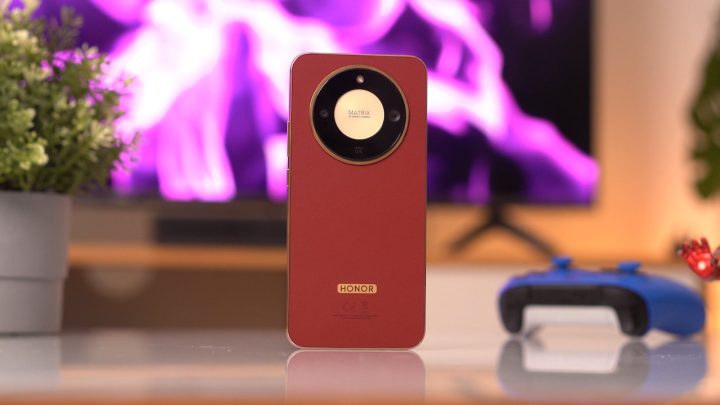
The Honor X9d is one of the most durable smartphones we’ve reviewed so far, with an IP66, 68, 69 and 69K level of protection as well as being drop resistant for up to 2.5 meters.
In our review, we even tested how tough it is, which you can check out on the channel by the way, and it survived pretty much all we threw at it. With that, the Honor X9d might just be the toughest phone on this list.
With regards to the performance, the X9d packs a Snapdragon 6 Gen 4 chipset. It’s a decently performing chip, which scored over 740,000 on Antutu. With that, it could handle day-to-day tasks easily, and even run light games on the highest settings.
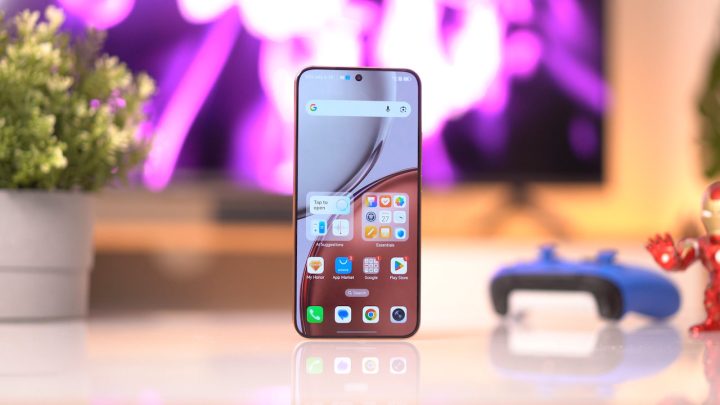
However, it struggles a bit with more graphic intensive titles, but that’s to be expected for most phones at this price point. The display also makes playing on this phone a lot more fun with its large 6.79” screen featuring a Full HD+ AMOLED panel and 120Hz refresh rate.
For cameras, there’s a 108MP main shooter and a 5MP ultrawide at the rear together with a 16MP front shooter for selfies. It’s powered by a large 8,300mAh battery pack, which lasts quite a long time, managing 17 hours and 23 minutes on PCMark’s Battery Test. Charging speed is rated at 66W.
Given everything it offers, the Honor X9d retails for PHP 18,999 for the lone 12+256GB variant.
POCO X8 Pro (PHP 18,999)
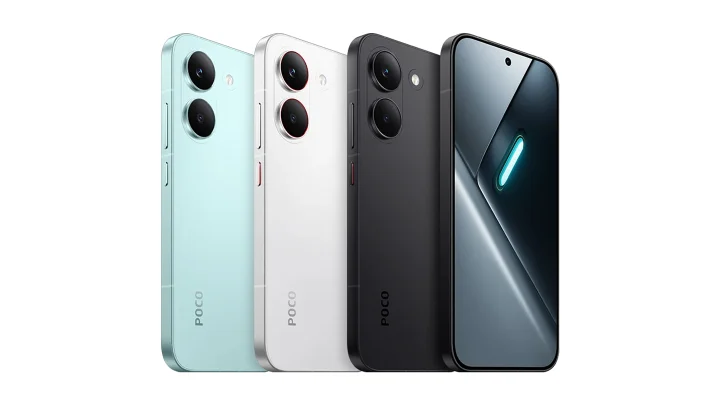
Next up on the list is the POCO X8 Pro, and it is possibly the smartphone with the most powerful chipset on this list. The X8 Pro packs a MediaTek Dimensity 8500 Ultra, a chipset often found on more expensive midrange smartphones.
The X8 Pro managed to score over 2 million points on Antutu, and managed to max out the other benchmarks we ran as well.
With that, playing games on this phone is very enjoyable. Whether you’re running light titles like MOBAs or graphics-intensive titles like Genshin and Wuther Waves, this phone can handle it all at max graphics.
The screen is on the smaller side, though, measuring just 6.59 inches. However, it uses a 1.5K AMOLED panel with a 120Hz refresh rate, meaning gamers can fully utilize the performance this phone offers when gaming. In addition, it also supports HDR10+ and Dolby Vision for an enhanced viewing pleasure.
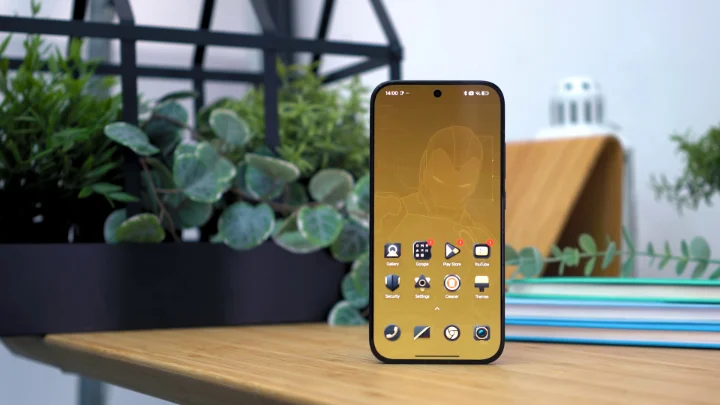
It features decent cameras too, highlighted by a 50MP main shooter with OIS and an 8MP ultrawide for the rear. At the front, there’s a 20MP shooter for selfies.
While the name might remind you of a certain fruit brand, the design of the phone is quite similar to its current offering too. It’s not as durable as the Honor X9d, but it still has an IP68 rating for dust and water resistance.
Powering the POCO X8 Pro is a 6,500mAh battery with a quick 100W fast charging speed. With PC Mark’s Battery Test, we were able to garner a result of 16 hours and 47 minutes.
Pricing for the POCO X8 Pro starts at PHP 18,999 for the 8+256GB variant, while the 8+512GB variant retails for PHP 19,999, making it one of the more expensive phones on this list.
There is also a 12+512GB variant, but that’s above this video’s price point already at PHP 21,999 for your reference.
Redmi Note 15 Pro 5G (PHP 19,999)

Possibly the most expensive phone on this list is the Redmi Note 15 5G. The 12+256GB variant already retails for PHP 19,999, and is the only one to make the cut. The higher-spec 12+512GB model retails for PHP 21,999.
It’s a well balanced phone for the price though, featuring a MediaTek Dimensity 7400 Ultra chipset which scored almost 700,000 on Antutu. It’s a bit low considering our review unit only had 8GB of RAM, which is not offered locally.
Despite that, lighter titles like Mobile Legends ran on max graphics without issues. Meanwhile, more graphic intensive titles are limited to a mix of low and medium settings. Nonetheless, it was enjoyable to play given the large 6.83” 1.5K AMOLED display with 120Hz refresh rate.

The cameras are decent too featuring a 200MP main and an 8MP ultrawide together with a 20MP front camera. It’s a durable phone too, with no problems submerging it underwater given its IP68 and 69 rating for dust and water resistance.
It also packs a decent sized 6,580mAh battery that lasts a long time. For reference, we were able to get 17 hours and 18 minutes using PCMark’s Work 3.0 battery test.
—
So that wraps up our list of top smartphone picks under PHP 20,000 launched this Q1 of 2026. Which one is your favorite, and would you consider picking it up now or wait until the newer models launch later this year?





0 Comments
Leave a Reply