

As for transaction fees, they are either handed out or handled by the bank or e-wallet of use. While the two may seem similar at first glance, they differ widely in transaction fees, fund transfer time, availability, and so much more. However, it is significant to note that fund transfers are limited to PHP 50,000 per transaction, and transaction fees are dictated by the bank and are charged to the sender’s account. And, in terms of the transaction fees, they adopt the same method of InstaPay wherein transaction fees are determined by the sending bank or e-money issuer and paid by the payor. However, deciding on which one to use boils down to a few factors including transaction fees, fund reflection, availability, and so on. While it may take longer for funds to reflect and a daily 3:00 PM cut-off must be met, sending large amounts is only possible through this EFT as InstaPay will often hold a limit of PHP 50,000 each day or each transaction. GCash has announced a temporary waiver of transaction fees for overseas Filipino workers (OFWs) in several Middle East countries. “We are thrilled to announce that LandBank is waiving transaction fees for small-value online fund transfers to other banks," “This is our holiday gift to our valued customers, as we continue to promote safe and convenient digital transactions,” -- Lynette Ortiz, LandBank President and CEO Read more in our articles including "InstaPay vs PESONet: Which EFT service should you use?" and "GCash waives transaction fees for OFWs in Middle East".

Let’s face it. Trips to the bank are never really any fun. You have to…
Sep 22, 2021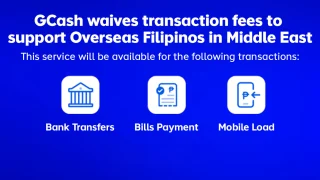
GCash has announced a temporary waiver of transaction fees for overseas Filipino workers (OFWs) in…
Mar 9, 2026
It was just a few months back that LandBank had recently cut their online bank…
Nov 1, 2023
GCash is helping micro-merchants by waiving QRPH transaction fees and merchant discount rates (MDRs) for…
Aug 24, 2023
The Bangko Sentral ng Pilipinas (BSP) has said that it wants banks to remove fees…
Mar 1, 2023
BPI has announced that it has postponed the implementation of its Peso cash deposit and…
Jul 4, 2018As for transaction fees, they are either handed out or handled by the bank or e-wallet of use. While the two may seem similar at first glance, they differ widely in transaction fees, fund transfer time, availability, and so much more.
However, it is significant to note that fund transfers are limited to PHP 50,000 per transaction, and transaction fees are dictated by the bank and are charged to the sender’s account. And, in terms of the transaction fees, they adopt the same method of InstaPay wherein transaction fees are determined by the sending bank or e-money issuer and paid by the payor. However, deciding on which one to use boils down to a few factors including transaction fees, fund reflection, availability, and so on.
Our coverage of EFT Transaction Fees includes: "InstaPay vs PESONet: Which EFT service should you use?"; "GCash waives transaction fees for OFWs in Middle East"; "LandBank removes daily transaction limits and waives fees for online transfers PHP 1,000 or less". Each article provides unique insights and information.