

According to the report, Intel could start producing Apple’s lowest-end M-series chips on its advanced 18A process as early as mid-2027, potentially for future MacBook Air, iPad Air, and iPad Pro models. Unlike the old Intel x86 processors used in Macs before 2020, these chips would still be Apple-designed Arm-based silicon, with Intel acting only as a foundry while TSMC continues to handle the bulk of M-series production. This slate is powered by Huawei’s new Kirin T93 chipset, paired with systemic thermal improvements to maintain high-sustained clock speeds during continuous multi-window multitasking. Read more in our articles including "Apple may tap Intel again to manufacture future M-series Mac chips" and "The Huawei Matepad Pro 2026 is official".

Analyst Ming-Chi Kuo claims Apple is poised to bring Intel back into its Mac ecosystem,…
Nov 29, 2025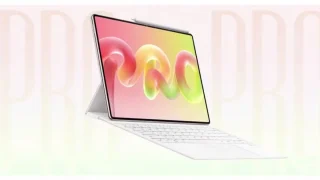
Huawei has expanded its flagship tablet portfolio with the launch of the Huawei MatePad Pro…
Aug 6, 2026
Google is set to officially enter the smart tracker market with its first-party Bluetooth tracker,…
Aug 6, 2026
We heard news of it last year, but the tech giant is finally putting the…
Aug 6, 2026
HONOR has officially introduced a refreshed visual identity, debuting a new corporate logo alongside its…
Aug 6, 2026
POCO has officially announced the POCO M8 Power, doubling down on battery life as the…
Aug 5, 2026According to the report, Intel could start producing Apple’s lowest-end M-series chips on its advanced 18A process as early as mid-2027, potentially for future MacBook Air, iPad Air, and iPad Pro models. Unlike the old Intel x86 processors used in Macs before 2020, these chips would still be Apple-designed Arm-based silicon, with Intel acting only as a foundry while TSMC continues to handle the bulk of M-series production.
This slate is powered by Huawei’s new Kirin T93 chipset, paired with systemic thermal improvements to maintain high-sustained clock speeds during continuous multi-window multitasking.
Our coverage of M-series chips includes: "Apple may tap Intel again to manufacture future M-series Mac chips"; "The Huawei Matepad Pro 2026 is official"; "Google Pixel Tag leaked, set to rival Apple AirTag". Each article provides unique insights and information.