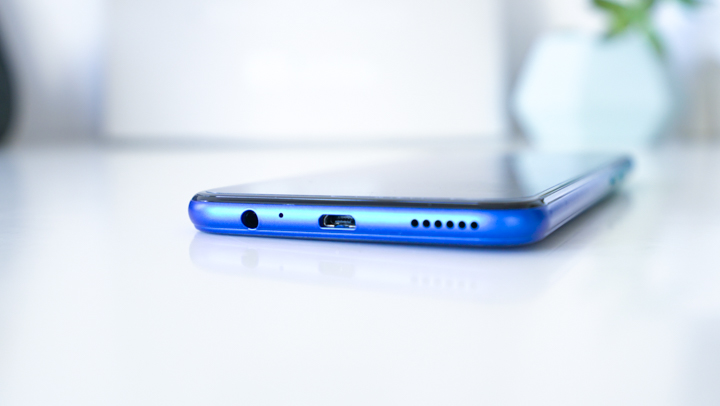

Whenever a new smartphone is released and it still has a micro USB port, it brings out a certain emotion in some people. It’s probably because we view it as an old standard in a world that’s rapidly adopting USB Type-C. But while Type-C is objectively better for a number of reasons, that doesn’t mean that micro USB wasn’t “revolutionary” in its own right at a previous point in time. The micro USB form factor was developed by the USB Implementers Forum, a non-profit group that works to advance USB technology. Eventually, though, time turned on the standard, and micro USB replaced it. Now, the same thing is happening to micro USB. But despite that, why do we still see new products with a micro USB port? If you’ve ever heard a friend or family member refer to a micro USB cable simply as an “Android cable”, then you know what I’m talking about. Read more in our articles including "Why isn't micro USB dead?" and "Microsoft to end Adobe Flash support for Windows 10 in July".
Whenever a new smartphone is released and it still has a micro USB port, it…
Mar 23, 2020
Microsoft has announced to completely remove the Adobe Flash component from Windows through the KB4577586…
May 5, 2021
The last quarter numbers from Microsoft are out and it’s not looking very good. As…
Jan 23, 2009
Business laptops have come a long way from being simple tools for emails and spreadsheets.…
Jul 1, 2026
As someone who occasionally uses a laptop to work, one thing I sometimes wish for…
Jun 30, 2026Whenever a new smartphone is released and it still has a micro USB port, it brings out a certain emotion in some people. It’s probably because we view it as an old standard in a world that’s rapidly adopting USB Type-C.
But while Type-C is objectively better for a number of reasons, that doesn’t mean that micro USB wasn’t “revolutionary” in its own right at a previous point in time. The micro USB form factor was developed by the USB Implementers Forum, a non-profit group that works to advance USB technology. Eventually, though, time turned on the standard, and micro USB replaced it.
Our coverage of micro usb vs type c includes: "Why isn't micro USB dead?"; "Microsoft to end Adobe Flash support for Windows 10 in July"; "Microsoft Windows 7 support to end in 2020". Each article provides unique insights and information.