

Microsoft may just be gearing up to switch to its original three-year development cycle for major versions of Windows. The report comes from Windows Central, suggesting that Microsoft may shift back to its original three-year cycle with Microsoft also planning to increase the output of new features rolling out to the latest versions of Windows. Microsoft had originally abandoned its three-year cycle with Windows 10 last launching in 2015, Windows 8 launching back in 2012, and Windows 7 back in 2009. This reportedly would help product teams ship its new features much sooner with Microsoft having supposedly tested this with the rollout of the Taskbar weather button on Windows 11 earlier this year. However, Microsoft has quietly updated its support documentation, adding a full extra year to the lifeline. Read more in our articles including "Microsoft reportedly switching to a 3-year development cycle, may release Windows 12 in 2024" and "Microsoft extends Windows 10 lifespan for another year... again".

Microsoft may just be gearing up to switch to its original three-year development cycle for…
Jul 18, 2022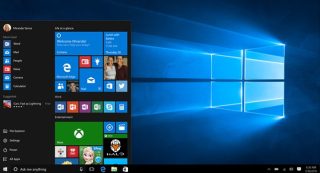
Despite Microsoft’s aggressive push to transition users onto Windows 11, a massive chunk of the…
Jun 26, 2026
Microsoft has announced to completely remove the Adobe Flash component from Windows through the KB4577586…
May 5, 2021
The last quarter numbers from Microsoft are out and it’s not looking very good. As…
Jan 23, 2009
Meta launches Facebook Verified, a new free badge designed to show that a Facebook account…
Jul 25, 2026Microsoft may just be gearing up to switch to its original three-year development cycle for major versions of Windows. The report comes from Windows Central, suggesting that Microsoft may shift back to its original three-year cycle with Microsoft also planning to increase the output of new features rolling out to the latest versions of Windows.
Microsoft had originally abandoned its three-year cycle with Windows 10 last launching in 2015, Windows 8 launching back in 2012, and Windows 7 back in 2009. This reportedly would help product teams ship its new features much sooner with Microsoft having supposedly tested this with the rollout of the Taskbar weather button on Windows 11 earlier this year. However, Microsoft has quietly updated its support documentation, adding a full extra year to the lifeline.
Our coverage of Microsoft 3 year cycle includes: "Microsoft reportedly switching to a 3-year development cycle, may release Windows 12 in 2024"; "Microsoft extends Windows 10 lifespan for another year... again"; "Microsoft to end Adobe Flash support for Windows 10 in July". Each article provides unique insights and information.