
Back in the days when disk drives were slow and bulky and owning a high-speed and high-capacity drive would require an arm and leg (sometimes even a kidney), some people resorted to setting up multiple drives in RAID configuration. If you don’t know what RAID is or you just want to have better understanding of the various types of commonly-used RAID setups, then this post is for you. To kick thing off, let’s define what RAID is. Depending on who you’re talking to, RAID can either stand for Redundant Array of Inexpensive Disk or Redundant Array of Independent Disk – any of the two is ok though. In a nutshell, RAID is the term used to describe the method of combining multiple drives to either achieve better performance (increased read and write speeds), or create a fail-safe if something goes wrong with one of the drives. Now that we have the basics squared up, let’s check out the different types of commonly-used RAID configurations and how these will increase the reliability and/or performance of your disk drives. RAID 0, or as some people call it Striping, is a RAID configuration that requires at least two hard drives to setup. Read more in our articles including "A Crash Course to RAID Configurations" and "MSI intros new GE series Pascal-powered gaming laptops".
Back in the days when disk drives were slow and bulky and owning a high-speed…
Feb 6, 2015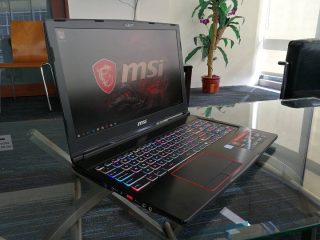
MSI has introduced their new GE series of Pascal-powered gaming laptops for the Philippines –…
Jul 21, 2017
We all know that Apple and its closed ecosystem is arguably THE best one out…
Aug 1, 2026
We’ve spent weeks using the HONOR 600 Series as our daily drivers to get a…
Jul 23, 2026
So, you just got a shiny new phone, and what’s exactly the first thing you’d…
Jul 23, 2026
It seems like it was only yesterday when 2026 started, but now we’re already halfway…
Jul 12, 2026Back in the days when disk drives were slow and bulky and owning a high-speed and high-capacity drive would require an arm and leg (sometimes even a kidney), some people resorted to setting up multiple drives in RAID configuration. If you don’t know what RAID is or you just want to have better understanding of the various types of commonly-used RAID setups, then this post is for you.
To kick thing off, let’s define what RAID is. Depending on who you’re talking to, RAID can either stand for Redundant Array of Inexpensive Disk or Redundant Array of Independent Disk – any of the two is ok though. In a nutshell, RAID is the term used to describe the method of combining multiple drives to either achieve better performance (increased read and write speeds), or create a fail-safe if something goes wrong with one of the drives.
Our coverage of raid 0 includes: "A Crash Course to RAID Configurations"; "MSI intros new GE series Pascal-powered gaming laptops"; "Xiaomi Ecosystem: It just works, too". Each article provides unique insights and information.