
If you’ve ever tapped an ID or payment card on a reader, been through a contactless toll gate on the highway, or even gone shopping for clothes at the mall, then you have experienced the wonderful technology known as RFID. An abbreviation for radio-frequency identification, RFID might feel like a distinctly 21st-century technology, but it actually has a fairly long history, with its earliest known predecessor dating back to 1945. Essentially, RFID is a form of wireless data transfer that utilizes radio waves. These are the RFID tag, RFID reader, and antenna. In a nutshell, it’s a simple matter of the RFID reader scanning the chip embedded in the RFID tag, retrieving its data. You may have noticed that RFID tags and stickers have either a squared-off spiral or zig-zag line. The RFID reader sends a radio wave of a certain frequency, depending on the use case. The RFID tag antennas accept this radio wave as energy, which then powers up the chip. Read more in our articles including "RFID - Explained!" and "Best Budget Tablets for Back-to-School 2026 | Under P10,000".

If you’ve ever tapped an ID or payment card on a reader, been through a…
Feb 25, 2021
A new school year means new projects, research papers, presentations, and online learning tasks. Whether…
Jun 14, 2026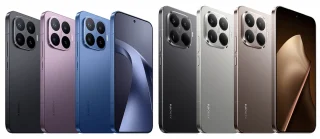
With the announcement of the Xiaomi 17T series today, those hoping to upgrade from last…
May 29, 2026
Inflation is now (May 2026) at 7.2%, electricity rates at Php14.33/kWhr, and gas prices through…
May 28, 2026
GCash has expanded its in-app help tools and security features to address a growing number…
May 22, 2026
Smartphones today can handle all the basics. The real difference now is how well a…
Apr 30, 2026If you’ve ever tapped an ID or payment card on a reader, been through a contactless toll gate on the highway, or even gone shopping for clothes at the mall, then you have experienced the wonderful technology known as RFID. An abbreviation for radio-frequency identification, RFID might feel like a distinctly 21st-century technology, but it actually has a fairly long history, with its earliest known predecessor dating back to 1945.
Essentially, RFID is a form of wireless data transfer that utilizes radio waves. These are the RFID tag, RFID reader, and antenna. In a nutshell, it’s a simple matter of the RFID reader scanning the chip embedded in the RFID tag, retrieving its data.
Our coverage of rfid meaning includes: "RFID - Explained!"; "Best Budget Tablets for Back-to-School 2026 | Under P10,000"; "Xiaomi 17T vs. Xiaomi 15T, what's different?". Each article provides unique insights and information.