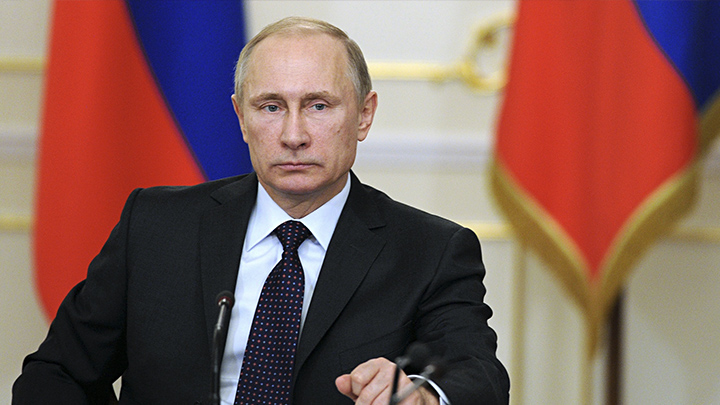

Recently, Russian president Vladimir Putin has signed a law which prohibits Russians from using virtual private networks (VPNs), as well as other anonymous proxies, to "prevent the spread of extremist materials and ideas". The said law will take effect on November 1, months ahead before the March 2018 presidential election in Russia in which Putin is expected to run and win again a new six-year term. Apart from the VPN ban, another law was signed by Putin wherein operators of instant messaging apps are required to get their users' phone numbers to establish their identity. Read more in our articles including "Vladimir Putin signs law, banning VPN" and "Globe rolls out Starlink Satellite-to-Mobile Service in the Philippines".

Recently, Russian president Vladimir Putin has signed a law which prohibits Russians from using virtual…
Jul 31, 2017
Globe has officially launched Starlink’s satellite-to-mobile service in the Philippines after receiving approval from the…
Jun 30, 2026
The Philippines remains among the slowest countries in transitioning away from 3G networks, with most…
Jun 2, 2026
Inflation is now (May 2026) at 7.2%, electricity rates at Php14.33/kWhr, and gas prices through…
May 28, 2026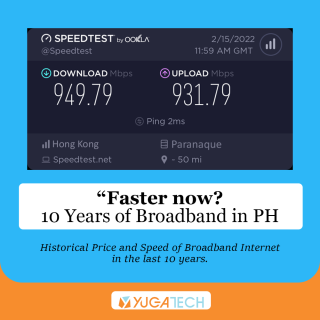
Not long ago, the Philippines have always been reported as among having the slowest internet…
May 28, 2026
Smart Communications, Inc. and TNT are providing free Facebook access through selected prepaid, home, and…
May 26, 2026Recently, Russian president Vladimir Putin has signed a law which prohibits Russians from using virtual private networks (VPNs), as well as other anonymous proxies, to "prevent the spread of extremist materials and ideas". The said law will take effect on November 1, months ahead before the March 2018 presidential election in Russia in which Putin is expected to run and win again a new six-year term.
Apart from the VPN ban, another law was signed by Putin wherein operators of instant messaging apps are required to get their users' phone numbers to establish their identity.
Our coverage of vpn in russia includes: "Vladimir Putin signs law, banning VPN"; "Globe rolls out Starlink Satellite-to-Mobile Service in the Philippines"; "PH among slowest countries in shift away from 3G". Each article provides unique insights and information.