

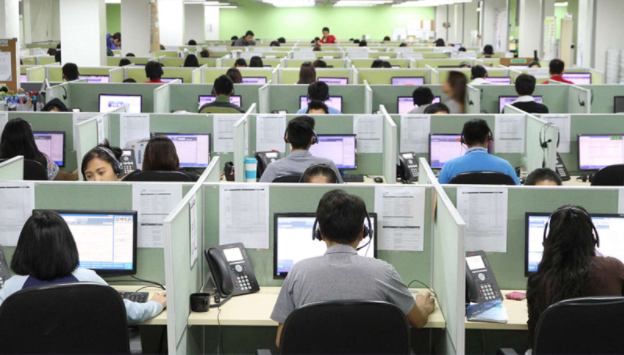




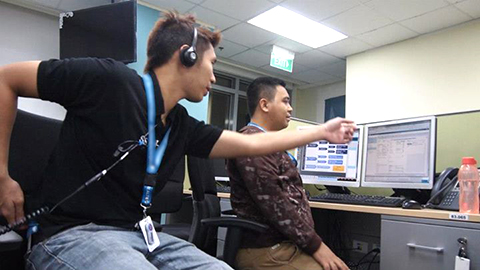
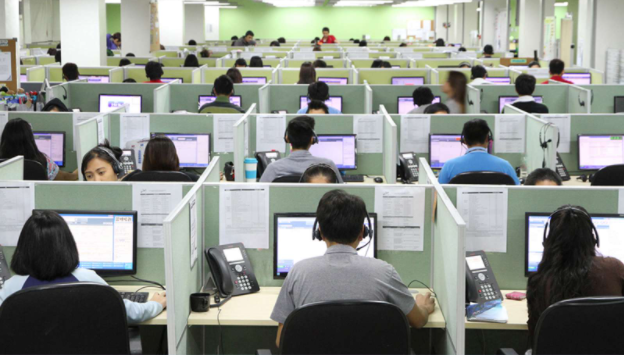
With the Philippine government currently pursuing the shift of business process outsourcing (BPO) firms to implement 100 percent work-from-home (WFH) schemes, certain trends in the industry are also brought to fore. With BPO employees choosing WFH setup and choosing to stay in their provinces, companies are now seeking to take advantage of this scenario and are diversifying their work sites and opening offices in different locations outside Metro Manila. Accommodating calls to extend the prevailing WFH setup, however, the Philippine Economic Zone Authority (PEZA) has issued letters of authority to permit their registered business enterprises (RBEs) to implement a hybrid setup (up to 30 percent work-from-home) until September 12 of this year, while still retaining their fiscal incentives. Notably, the trend of preferring WFH to stay even after the pandemic could also be witnessed among other workers in the Asia-Pacific region, as demonstrated by a survey done last March by the International Data Corporation (IDC). As the year 2023 arrives, the aforementioned stipulations would eventually come to pass, and it appears like WFH is here to stay for BPOs in the Philippines. Now with the mandate to implement WFH setups, BPOs are chasing after talents who prefer to settle back in their hometowns. Whether or not this trend holds, it remains to be seen, as Colliers also expects increased demand for "flexible workspaces." The prospective shift to the provinces primarily due to the resolution of the WFH issue, however, has not only highlighted the supposed divide between urban and rural areas, or the perceived contest for talent. Read more in our articles including "Why hybrid employees need tech that moves with them" and "Full work-from-home setup for BPOs: Will it cause a provincial shift?".

With more companies now adopting hybrid work arrangements — where employees have the option to…
Jan 12, 2023
With the Philippine government currently pursuing the shift of business process outsourcing (BPO) firms to…
Dec 14, 2022
In a statement issued last June 10, Department of Finance (DOF) Assistant Secretary Juvy Danofrata…
Jun 16, 2022
Tesla CEO, Elon Musk, has now asked that all Tesla employees return back to the…
Jun 2, 2022
During a dialogue with Senator Maria Imelda “Imee” Marcos at the signing of a memorandum…
Jun 1, 2022
They pay relatively higher salaries while allowing employees to avail work-from-home (WFH) setups. This was…
May 29, 2022With the Philippine government currently pursuing the shift of business process outsourcing (BPO) firms to implement 100 percent work-from-home (WFH) schemes, certain trends in the industry are also brought to fore. With BPO employees choosing WFH setup and choosing to stay in their provinces, companies are now seeking to take advantage of this scenario and are diversifying their work sites and opening offices in different locations outside Metro Manila.
Accommodating calls to extend the prevailing WFH setup, however, the Philippine Economic Zone Authority (PEZA) has issued letters of authority to permit their registered business enterprises (RBEs) to implement a hybrid setup (up to 30 percent work-from-home) until September 12 of this year, while still retaining their fiscal incentives. Notably, the trend of preferring WFH to stay even after the pandemic could also be witnessed among other workers in the Asia-Pacific region, as demonstrated by a survey done last March by the International Data Corporation (IDC). As the year 2023 arrives, the aforementioned stipulations would eventually come to pass, and it appears like WFH is here to stay for BPOs in the Philippines.
Our coverage of wfh includes: "Why hybrid employees need tech that moves with them"; "Full work-from-home setup for BPOs: Will it cause a provincial shift?"; "Gov't says tax incentives 'not that important' for BPOs as RTO mandate remains". Each article provides unique insights and information.