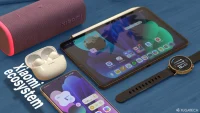

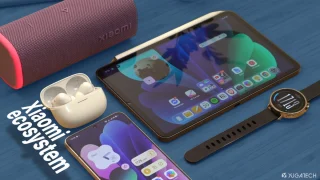
One brand that most people sleep on is Xiaomi. That's exactly what we're here to find out. In this article, we’ll go through what Xiaomi gets right, where it still falls short, and whether it's actually worth buying into the Xiaomi ecosystem. And in case you didn't know, Xiaomi isn't just about the usual tablet-smartphone-wearables ecosystem. As much as we'd like to have a Xiaomi SU7 in our garage, this is as far as we can go for now. Unified HyperOS For the past few years, Xiaomi has been using a unified software across different sub-brands like REDMI and POCO. What we have here are the POCO F6 Pro, the Xiaomi Pad Mini, and the Xiaomi Watch S4 all running HyperOS. These include the Redmi Buds 6 Pro, Xiaomi Focus Pen Pro for the tablet, and also the Xiaomi Sound Play. Newer Xiaomi phones, specifically those within the midrange and flagship segments, already have this so-called “Interconnectivity” feature which essentially makes the device integration possible. Read more in our articles including "Xiaomi Ecosystem: It just works, too" and "Xiaomi Mi3 now available on Lazada for Php14,999".
We all know that Apple and its closed ecosystem is arguably THE best one out…
Aug 1, 2026Following the availability of the Redmi few days ago, Lazada is now offering the flagship…
Apr 30, 2014Popular Chinese consumer electronics company, Xiaomi, has announced that it is set to introduce its…
Apr 24, 2014Xiaomi, a well-known smartphone brand in China, has just unveiled their latest Android smartphone that…
Feb 15, 2014
Xiaomi Philippines just announced amazing price drops for its Redmi Note 9 series smartphones, Redmi…
Mar 24, 2021Chinese phone manufacturer Xiaomi confirmed entering the phablet scene with the Redmi Note (Redmi‘s successor)…
Mar 16, 2014One brand that most people sleep on is Xiaomi. That's exactly what we're here to find out. In this article, we’ll go through what Xiaomi gets right, where it still falls short, and whether it's actually worth buying into the Xiaomi ecosystem.
And in case you didn't know, Xiaomi isn't just about the usual tablet-smartphone-wearables ecosystem. As much as we'd like to have a Xiaomi SU7 in our garage, this is as far as we can go for now. Unified HyperOS For the past few years, Xiaomi has been using a unified software across different sub-brands like REDMI and POCO.
Our coverage of Xiaomi Interconnectivity includes: "Xiaomi Ecosystem: It just works, too"; "Xiaomi Mi3 now available on Lazada for Php14,999"; "Xiaomi to enter Philippine market this year". Each article provides unique insights and information.