
HONOR y Xiaomi han lanzado recientemente sus nuevos contendientes en el segmento de gama media premium: el HONOR 600 Pro y el Xiaomi 17T Pro.
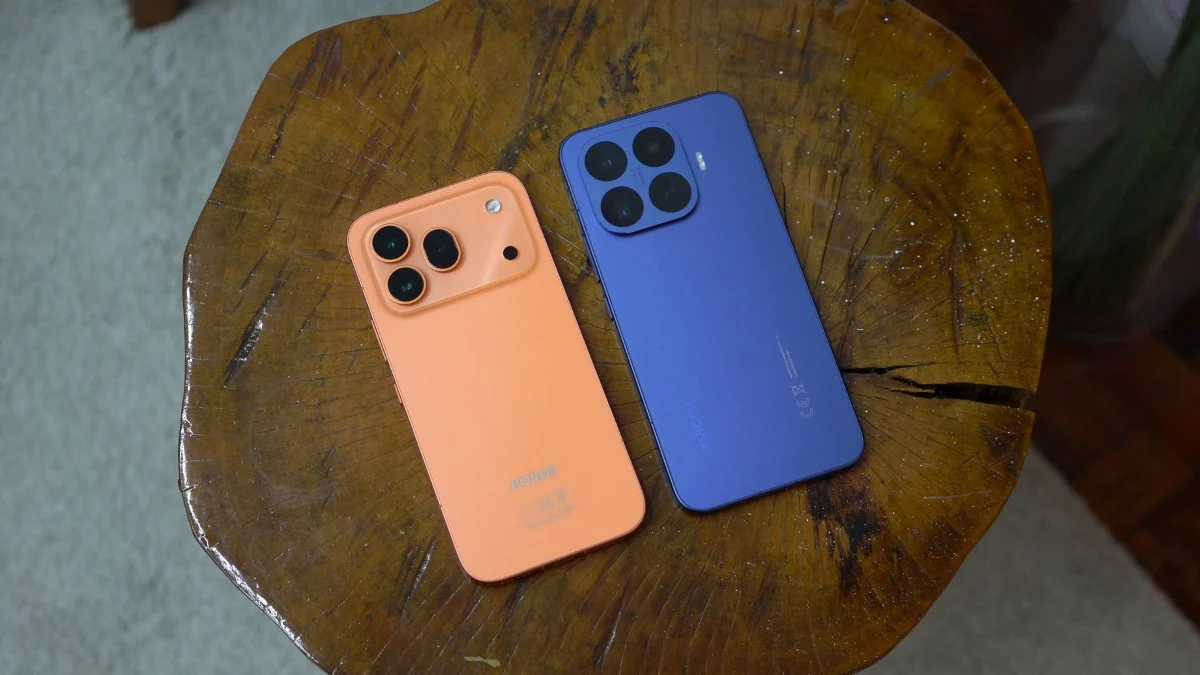
Ambos teléfonos se enfocan fuertemente en ofrecer una experiencia fotográfica de primer nivel sin el precio de un buque insignia. Pero, ¿cuál es realmente la mejor opción?
Averigüémoslo en esta reseña comparativa.
Diseño y Construcción
Primero, hablemos del diseño. Diría que cada teléfono se ve bien a su manera. Definitivamente tienen un aspecto y sensación premium, pero tengo algunas cosas que comentar.
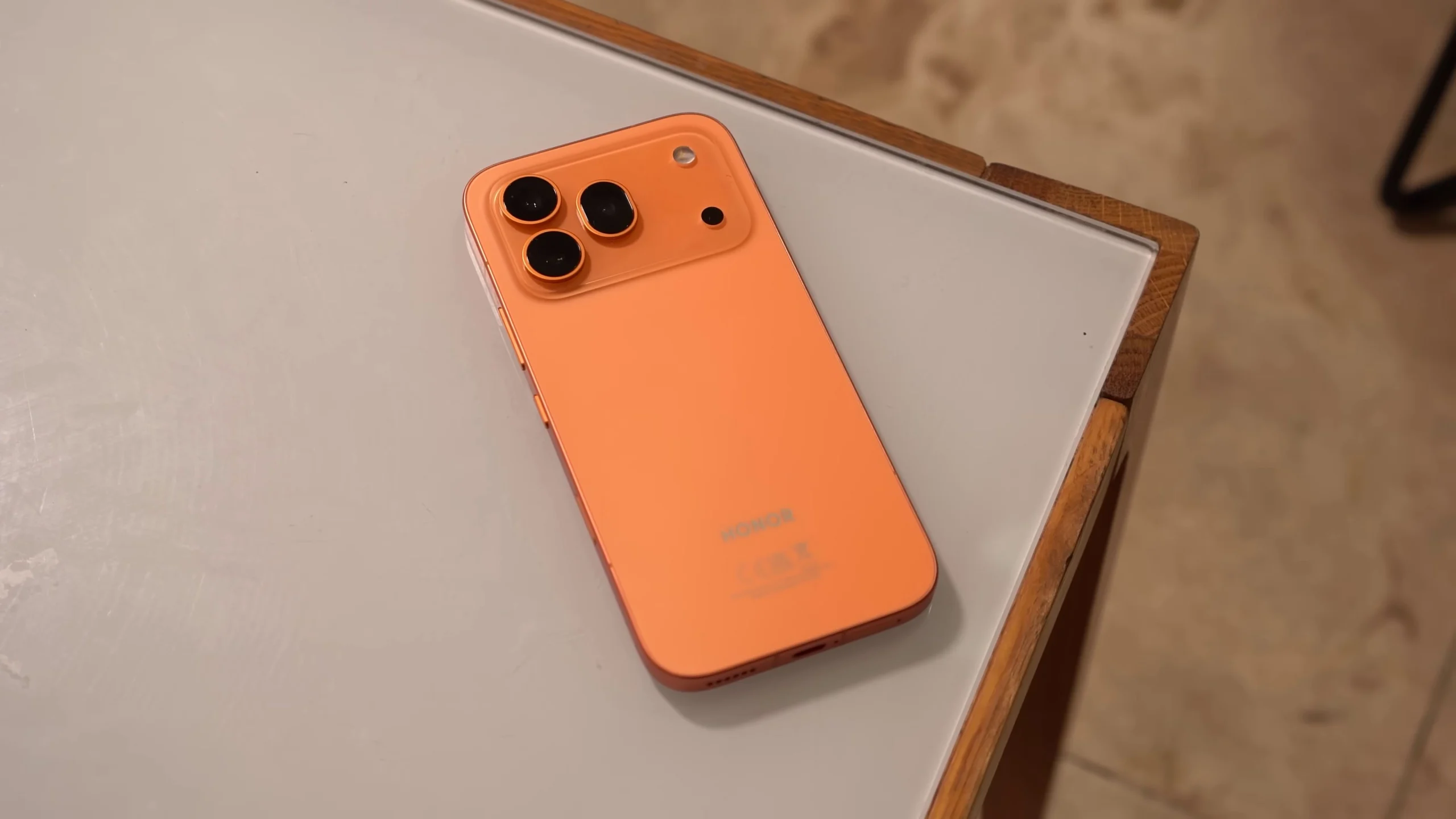
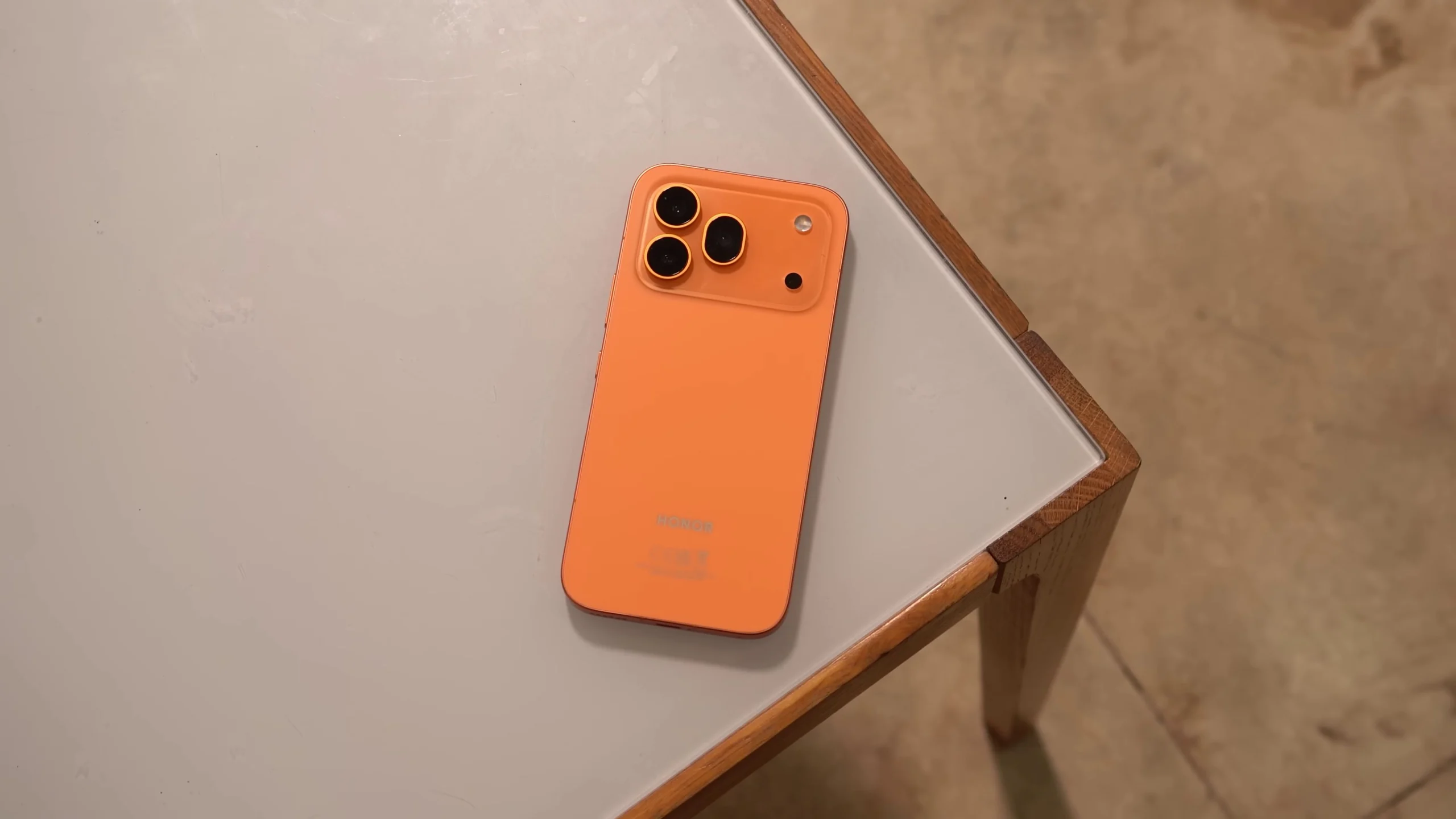
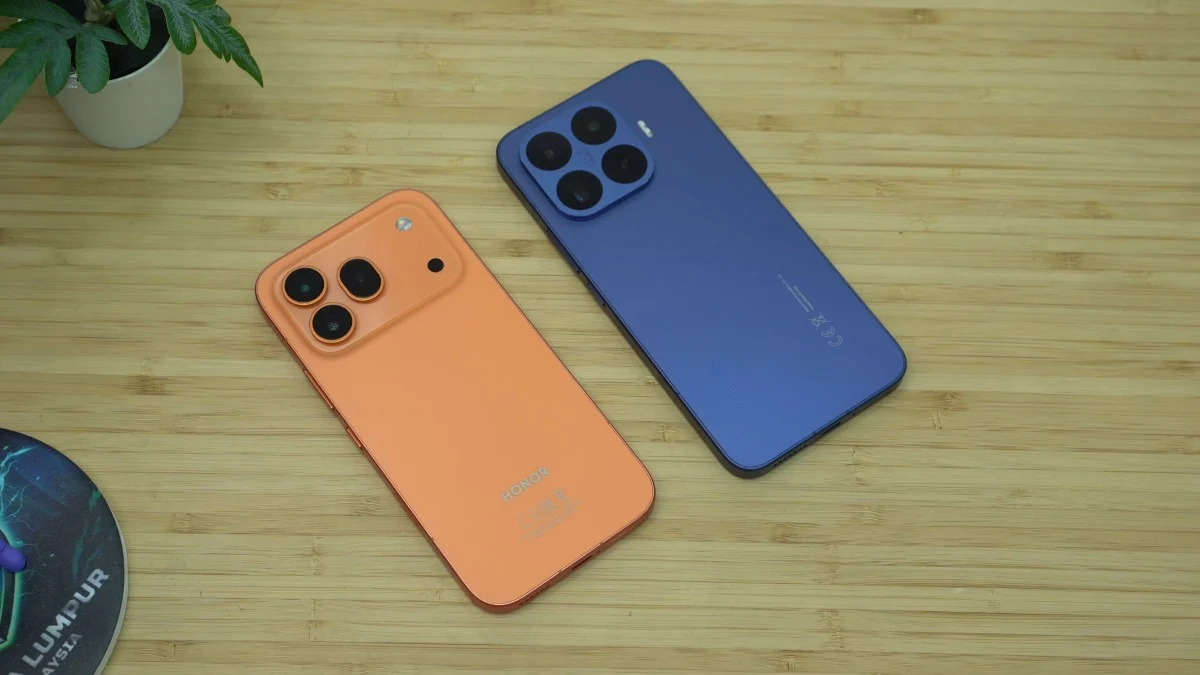
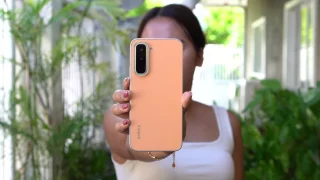
El HONOR 600 Pro está disponible exclusivamente en este tono naranja, y no puedo evitar ver al iPhone 17 Pro con ese diseño fuertemente inspirado en él.
Es un emparejamiento muy cercano, con una meseta de cámara casi idéntica y, por no mencionar, el propio esquema de colores. Aunque, la tercera lente a la derecha tiene forma ovalada.
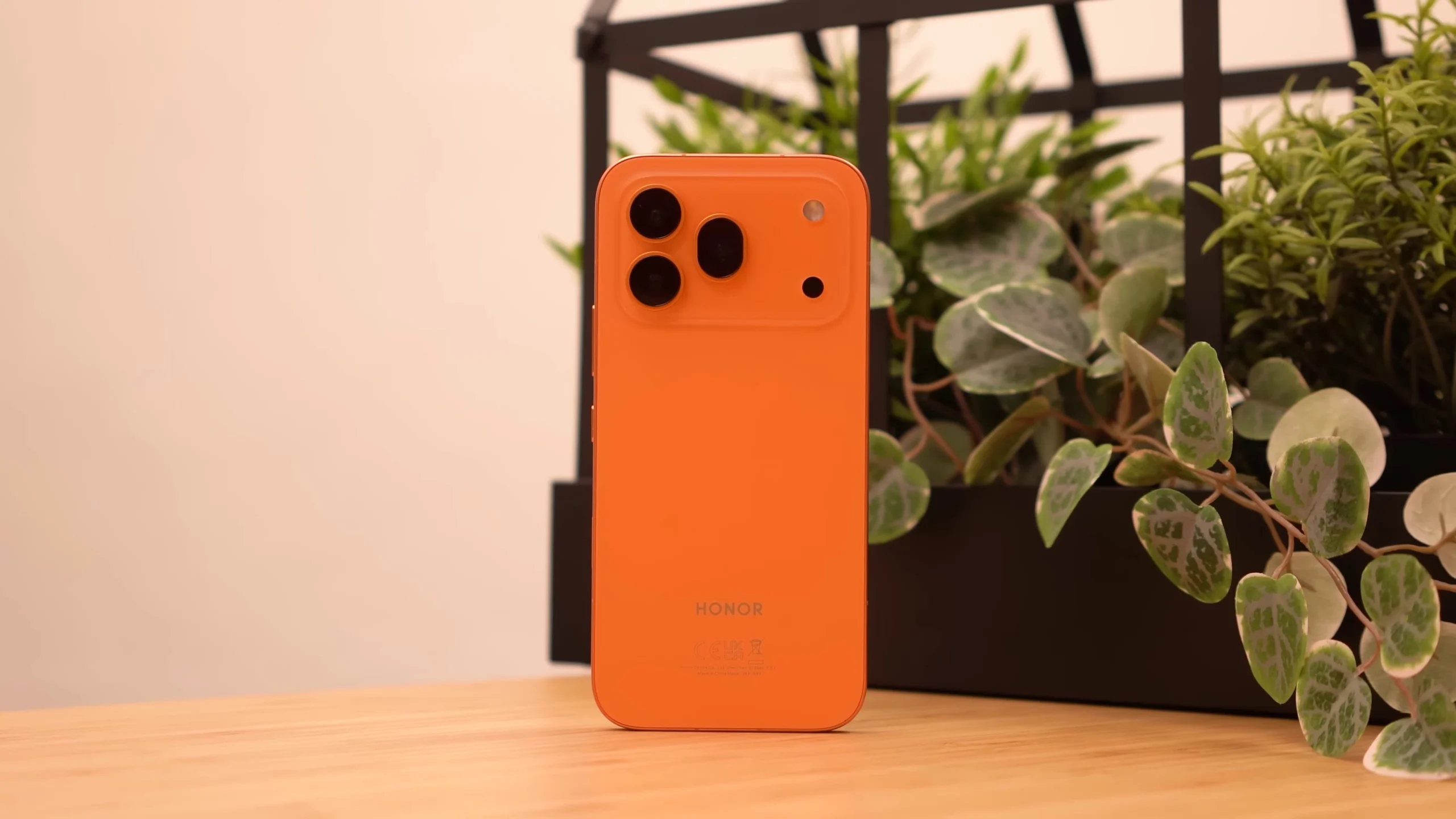
Esto me hace pensar que es solo una copia barata sin ninguna originalidad en absoluto. Pero bueno, aún así se ve bien de todos modos. Todo está coordinado por color desde los anillos de la cámara hasta los botones físicos, lo que hace que el diseño sea consistente.
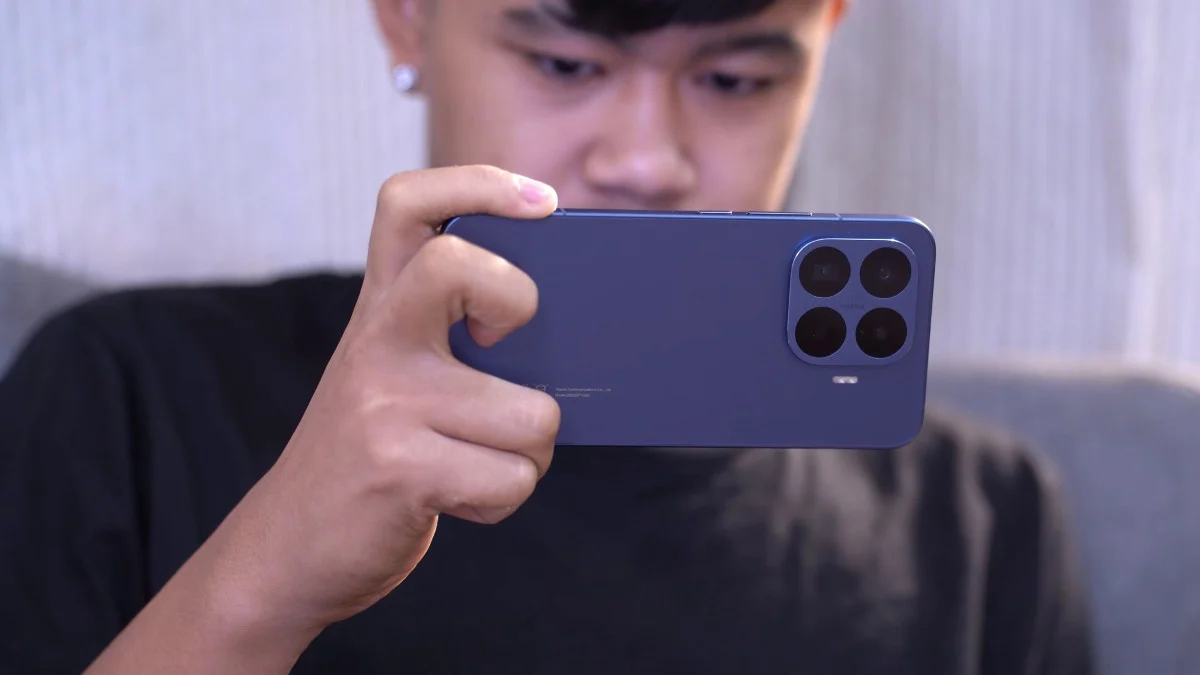
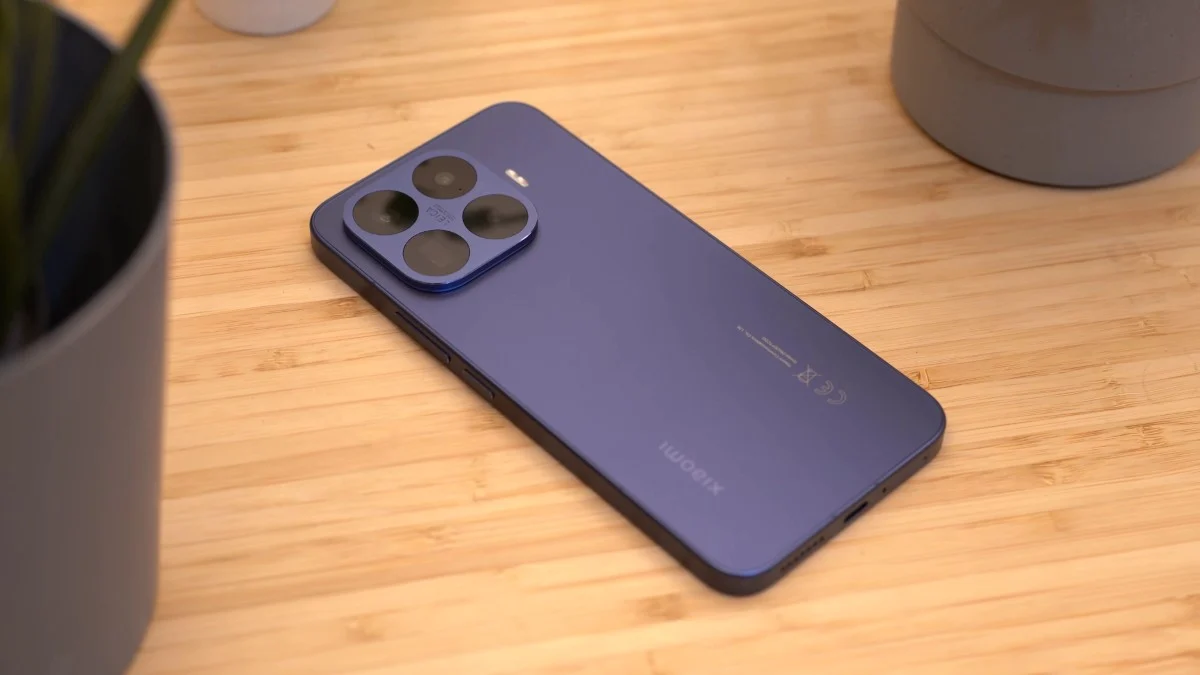
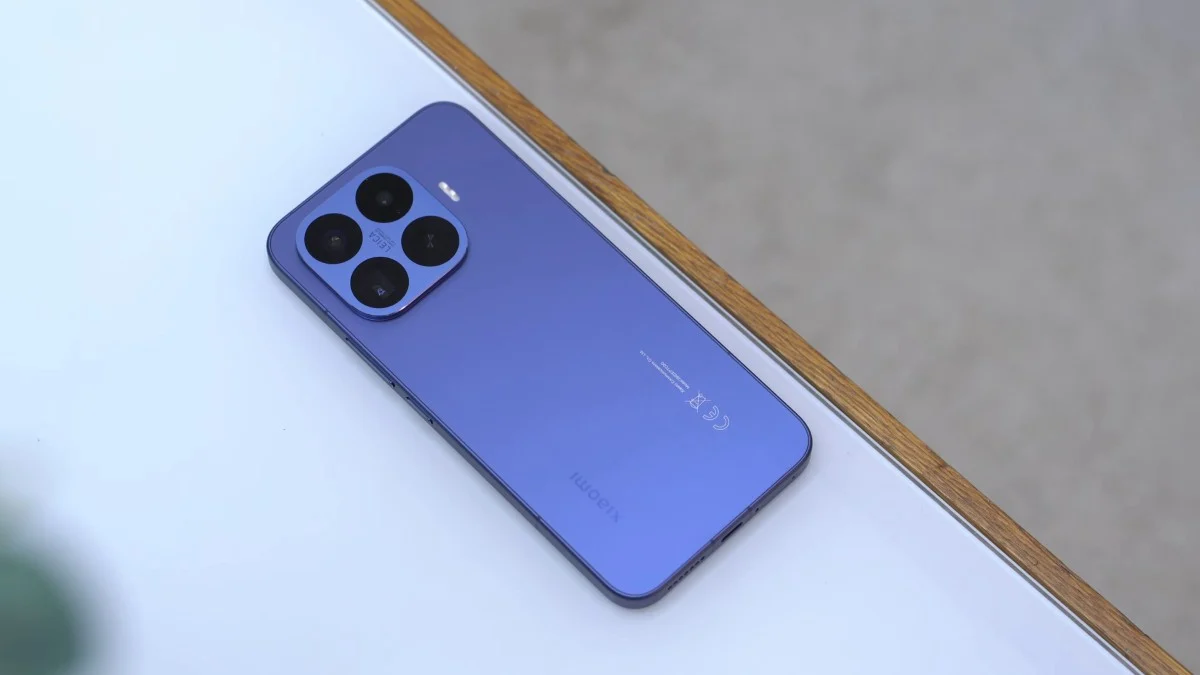
Por otro lado, el Xiaomi 17T Pro que tenemos viene en la combinación de colores Deep Blue, donde todo está coordinado en color. Es un poco más minimalista, con solo un módulo de cámara cuadrado más pequeño.
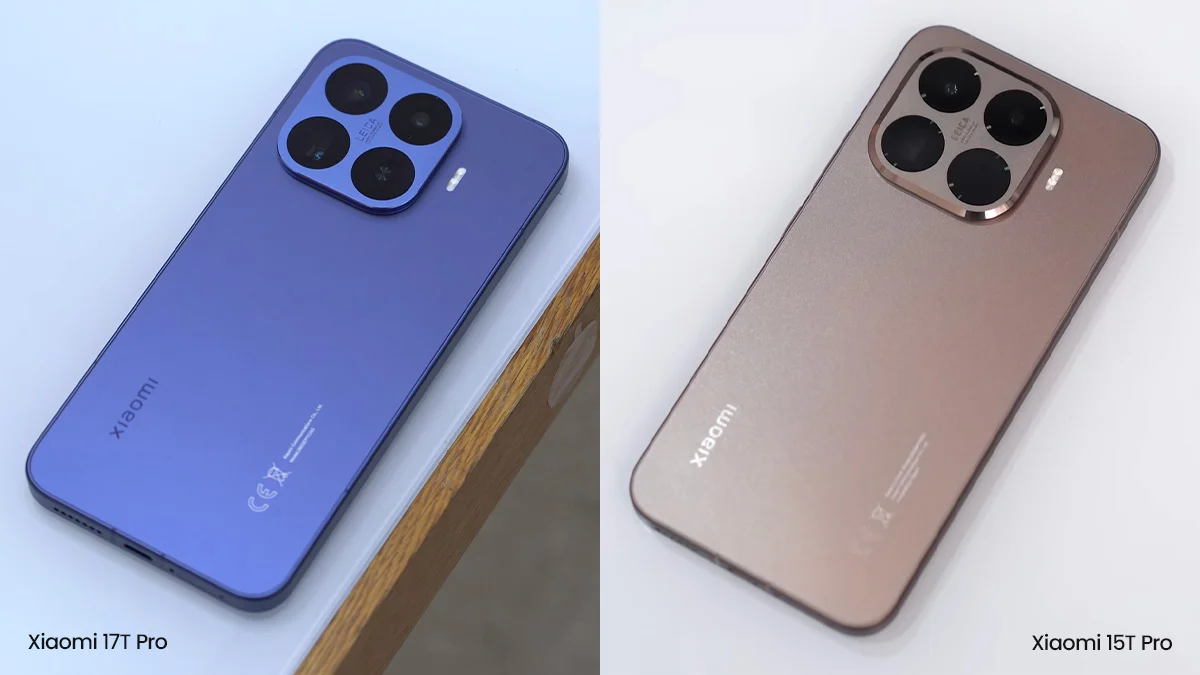
Esto es esencialmente el Xiaomi 15T Pro del año pasado, pero en azul. Para mí, eso lo hizo sentir un poco aburrido cuando todo lo que hicieron fue cambiarle la pintura. En una nota más positiva, Xiaomi recibe crédito por tener algo de originalidad aquí.
Sin embargo, por ergonomía prefiero HONOR ya que viene en un tamaño más pequeño y tiene esquinas más redondeadas, lo que lo hace más cómodo de sostener.
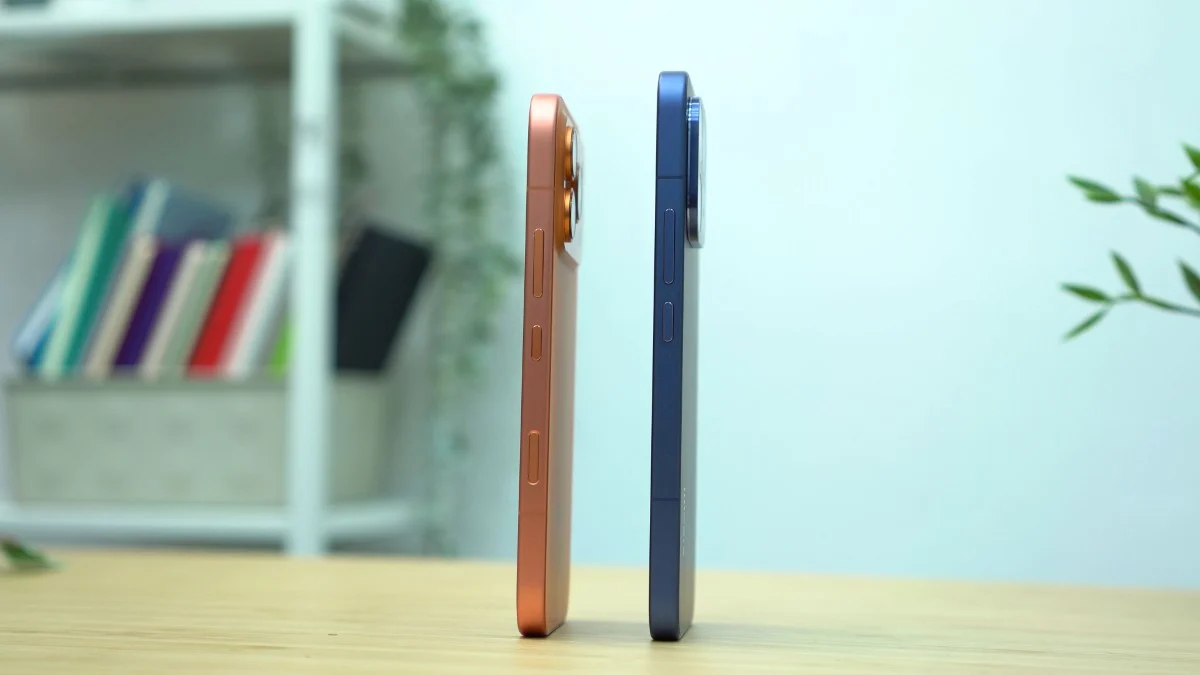
El HONOR 600 Prop también recibe una protección más robusta al contar con las certificaciones IP68, -69 y -69K, e incluso obtiene la certificación SGS de 5 estrellas para resistencia a caídas, lo cual se ha convertido en un estándar para los smartphones HONOR en este momento.
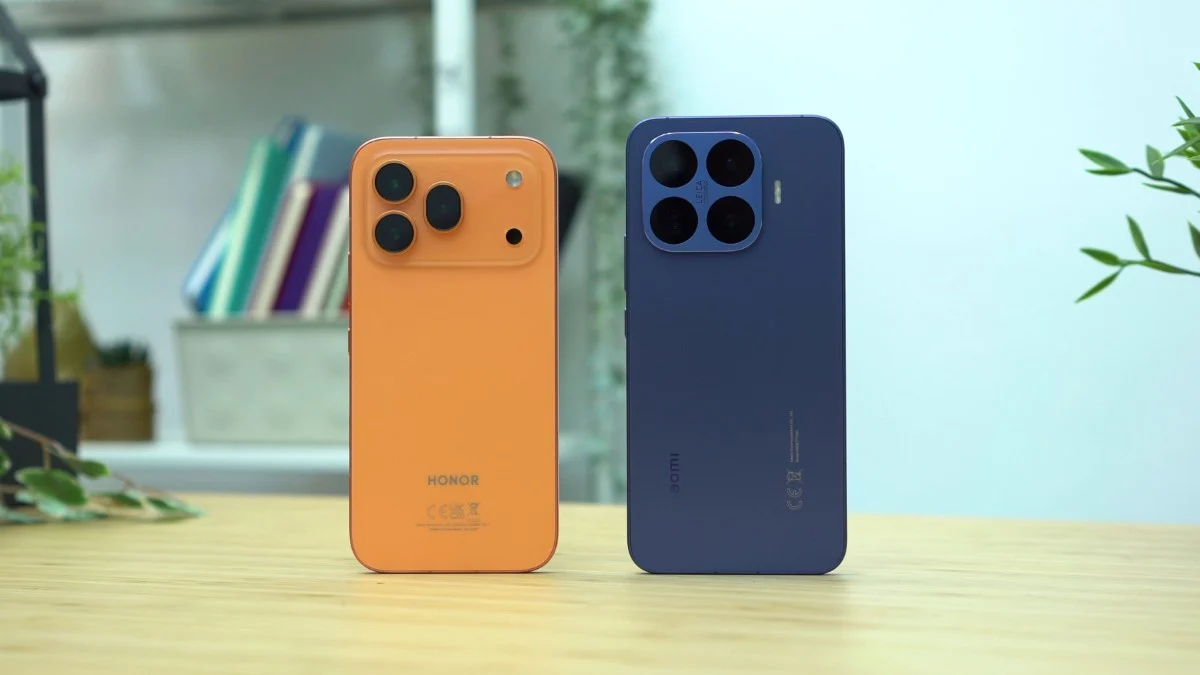
El Xiaomi 17T Pro conserva una clasificación IP68, lo cual sigue siendo algo agradable de tener.
Bueno, en el departamento de diseño, creo que les daré un punto a ambos.
Pantalla, Multimedia y Biométricos
Moviendo la atención al display, ambos teléfonos lo ofrecen absolutamente. El HONOR 600 Pro cuenta con un display de 6.57 pulgadas 1.5K AMOLED, mientras que el Xiaomi 17T Pro presenta una pantalla más grande de 6.83 pulgadas que también es un panel 1.5K AMOLED pero con una tasa de refresco de pantalla más alta en 144Hz (en comparación con los 120Hz de HONOR).
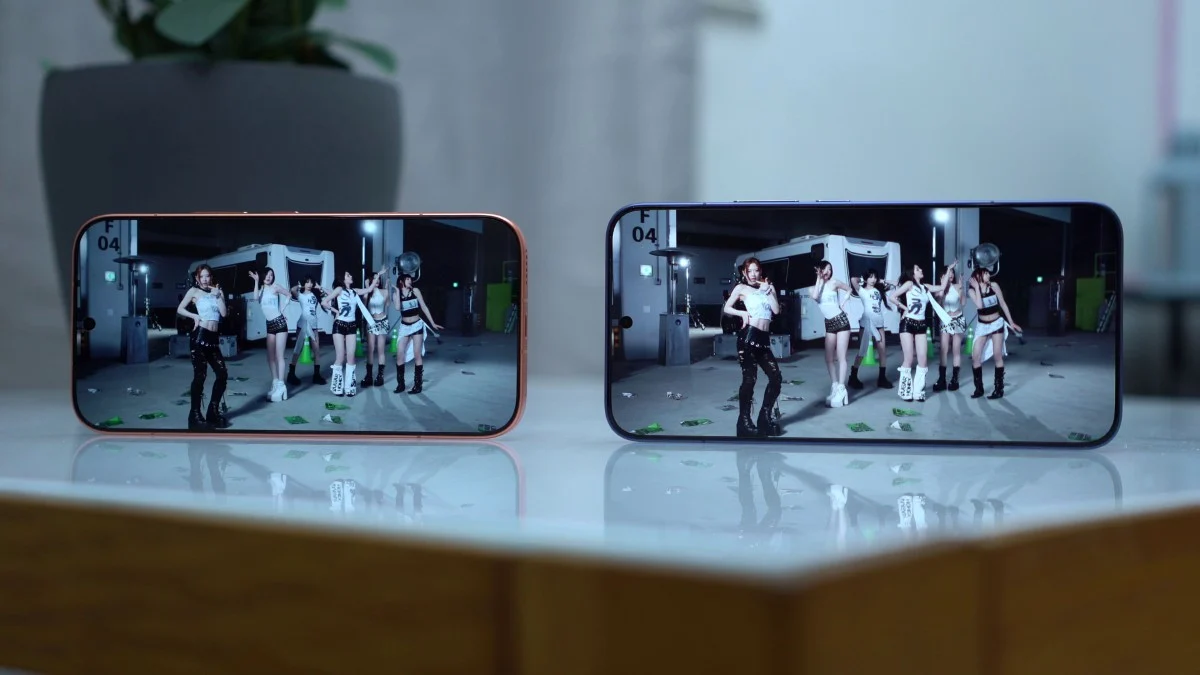
Lamentablemente, no hay tecnología LTPO para ambos teléfonos, pero eso es de esperarse ya que estos no son verdaderos buques insignia.
Otra diferencia es el brillo máximo. Xiaomi alcanza hasta 3500 nits y HONOR afirma un insano 8000 nits (!) de brillo máximo.
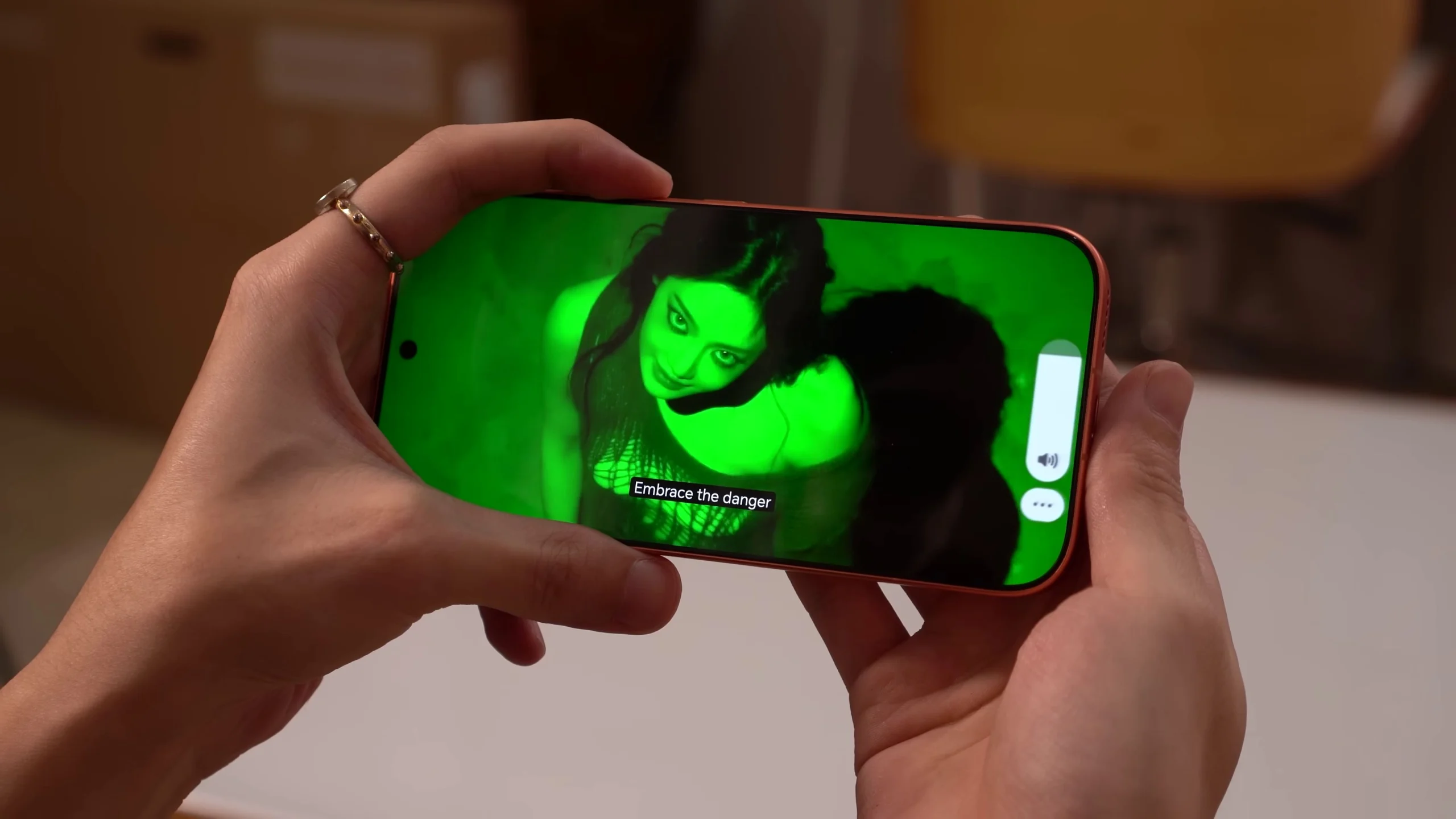
Eso suena impresionante en papel, pero el brillo máximo realmente no importa ya que es solo una cosa de HDR. Pero comparando sus pantallas lado a lado, podemos decir que el HONOR 600 Pro es relativamente más brillante que el Xiaomi 17T Pro. Así que, se lo concedo.
No obstante, las imágenes son nítidas y los colores satisfactoriamente vívidos para ambos teléfonos. La experiencia de escucha también es igual de buena. Ambos están equipados con altavoces estéreo duales que ofrecen un campo sonoro potente, aunque parece que Xiaomi ofrece una mayor fidelidad de audio ya que cuenta además con soporte Dolby Atmos.
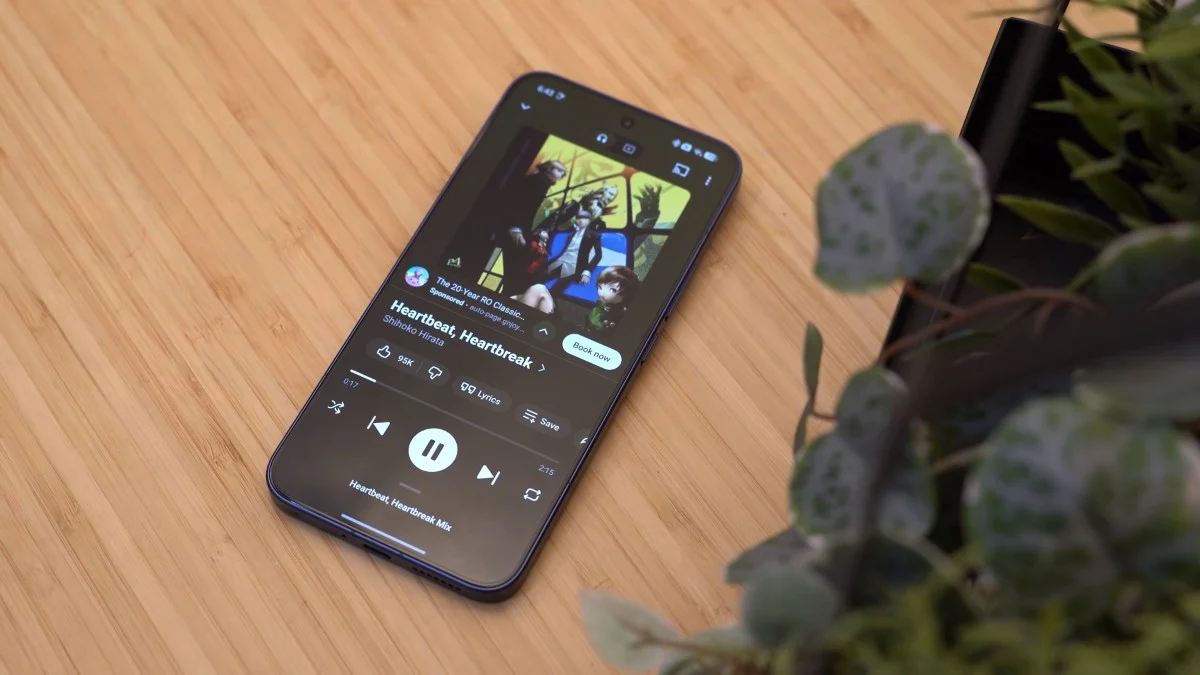
Aun así, estoy bastante seguro de que obtendría el mismo nivel de disfruto viendo contenido en cualquiera de los dos teléfonos.
En cuanto a la biométrica, ambos dispositivos cuentan con sensores de huella dactilar bajo la pantalla de tipo óptico junto con reconocimiento facial. Utilizando estos métodos, cada teléfono se desbloquea de manera fiable y rápida, por lo que no hay quejas al respecto.
En cuanto a la pantalla, dependerá de tu preferencia si deseas un tamaño de pantalla más grande o más pequeño. A pesar de eso, ambos teléfonos siguen siendo capaces de ofrecer una experiencia audiovisual por encima del promedio, así que terminaré esta ronda con otro empate.
Performance and Benchmarks
Now, one of the major differences to see here is the performance. Under the hood, the 600 Pro is powered by the Snapdragon 8 Elite while the 17T Pro is equipped with the Dimensity 9500, and both are insanely powerful. Everything feels smooth, apps launch almost instantly, and multi-tasking is a breeze.
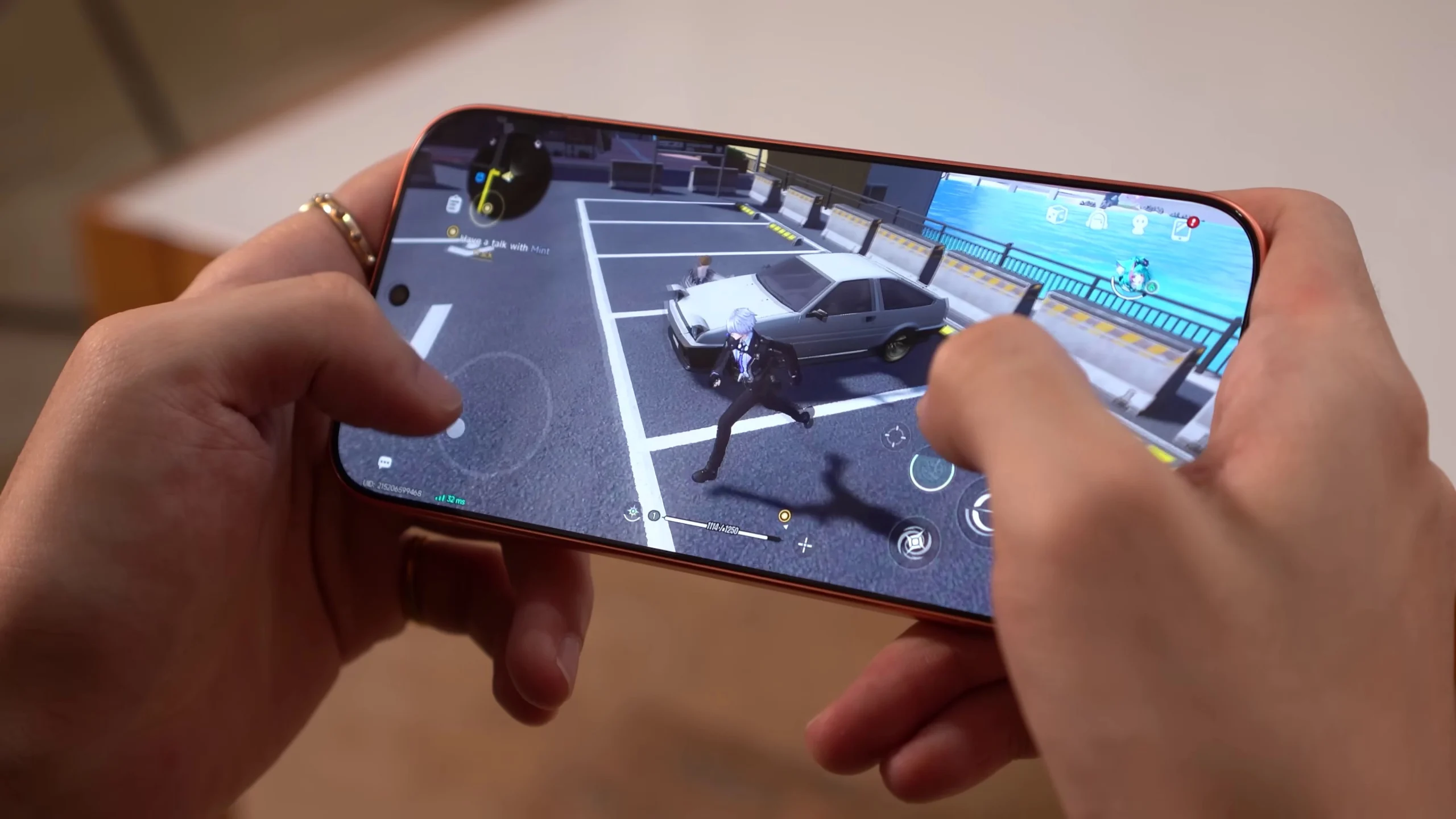
As you can see in our benchmark results below, both phones pumped out great numbers. Except, the Xiaomi 17T Pro did have significantly better scores in AnTuTu Storage with faster read and write speeds. So, it does feel faster at loading games and transferring large files.
| HONOR 600 Pro | Xiaomi 17T Pro |
|---|---|
| Snapdragon 8 Elite | Dimensity 9500 |
| 2,528,546 | N/A |
| 129,082 | 188,165 |
| 1979.7 MB/s | 3,452.6 MB/s |
| 1918.5 MB/s | 3,373.3 MB/s |
| MAXED OUT | MAXED OUT |
| 5,498 | 32.93 Avg. FPS | N/A |
| 2,650 | 2,996 |
| 6,179 | 9,108 |
| 15,829 | 22,130 |
| 21,199 | 26,431 |
| 19,654 | 16,775 |
| 17 hours and 32 minutes | 20 hours and 45 minutes |
| 28 hours and 30 minutes | 30 hours and 18 minutes |
Playing games is also just as powerful. Graphic-intensive titles like Neverness to Everness and Wuthering Waves ran smoothly on these phones even at Maxed out custom settings. You won’t have any issues except for emulation where it favors Snapdragon chips with Adreno GPUs, but for every Android game out there? Both phones can handle.
We did notice that the HONOR 600 Pro was slightly warmer than the Xiaomi 17T Pro when playing Wuthering Waves at Max graphics. That’s probably because Xiaomi deployed a more proper thermal management on the 17T Pro, thanks to what Xiaomi calls “3D IceLoop” cooling system.
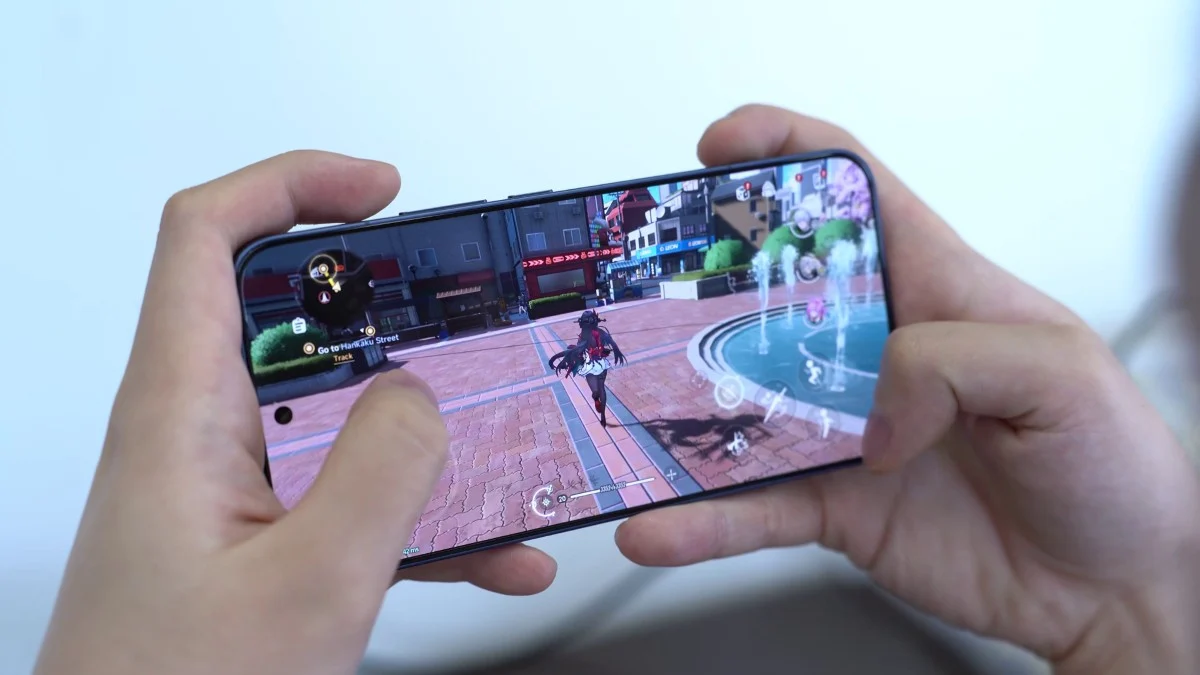
That said, I’m giving the point to Xiaomi since it has faster storage speeds and it maintains cooler temperatures even when the chip is pushed to its limits.
Cameras
Next, this is what you guys came in for: the camera performance. Both phones have triple rear setups but with largely distinct sensors.
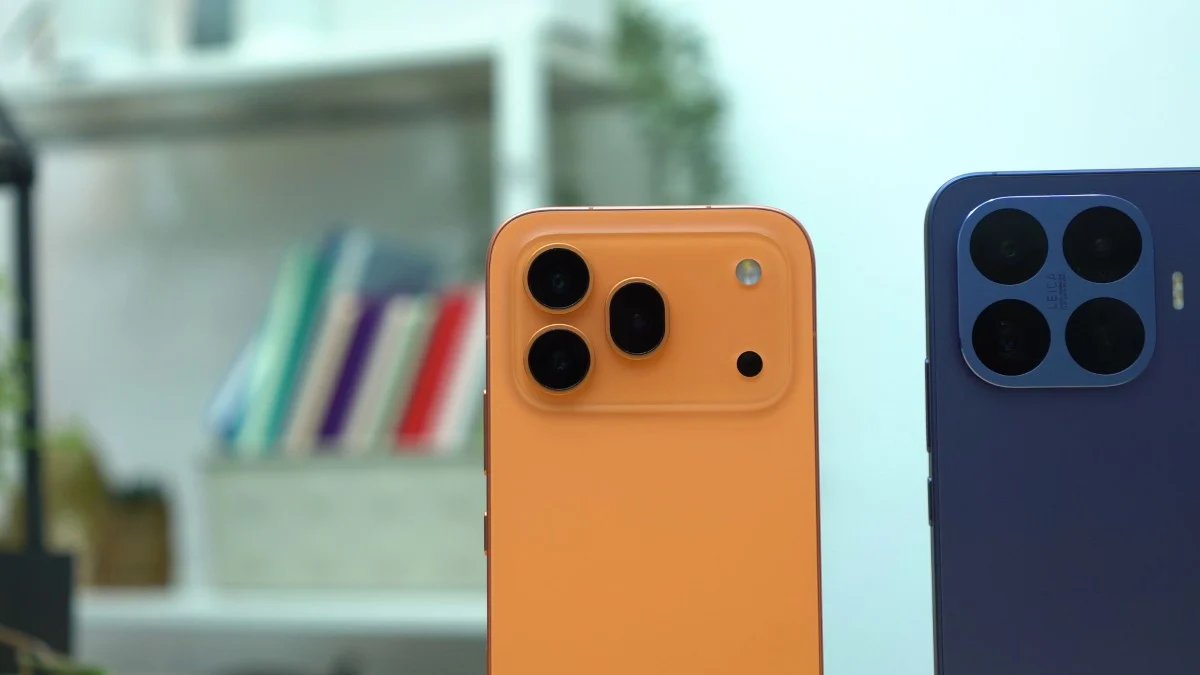
Starting with HONOR, it comes with a 200-megapixel main shooter, a 50-megapixel telephoto, and a 12-megapixel ultrawide. Meanwhile, Xiaomi sports a 50-megapixel main camera, another 50-megapixel sensor for a periscope telephoto, and a 12-megapixel ultrawide as well, all with Leica tuning on top.
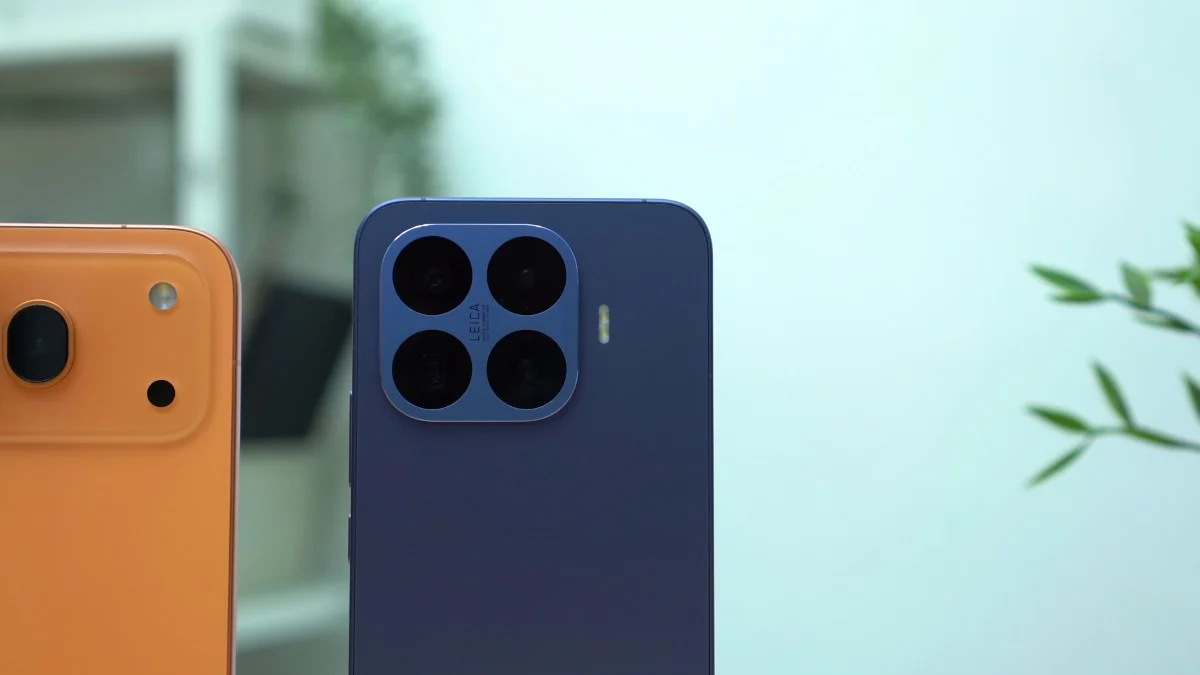
Selfies are handled by a 50-megapixel and a 32-megapixel front camera for the HONOR 600 Pro and Xiaomi 17T Pro, respectively.
Like we always say though, higher megapixel count doesn’t necessarily mean better image quality.
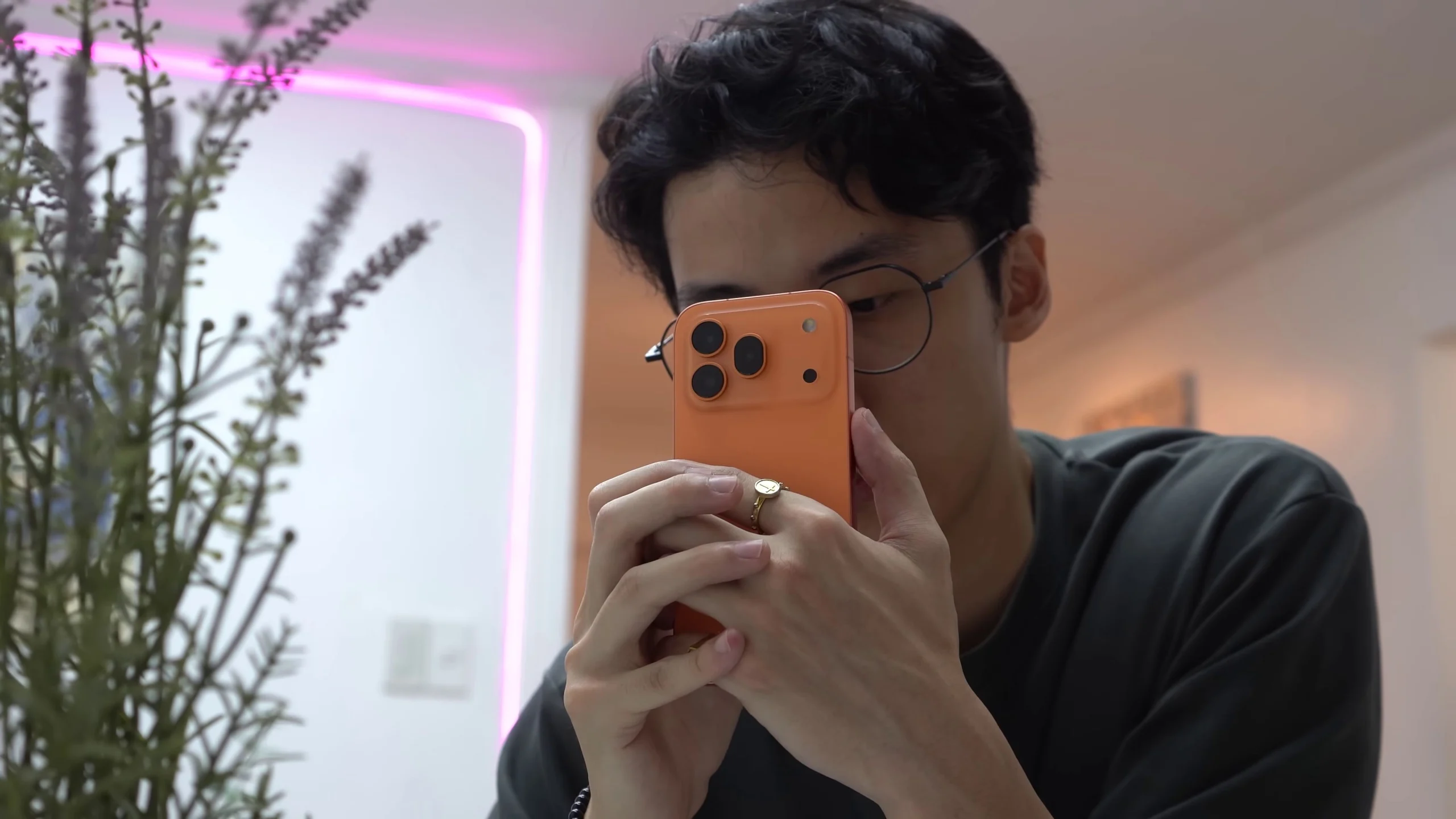
Taking a look at our sample shots, the Xiaomi 17T Pro came close to the HONOR 600 Pro both offering sharp details, near accurate colors, and a good amount of dynamic range.
However, there were times that the 17T Pro can have slightly blown out highlights. It also had a hard time containing the right shadows when shooting in low-light as compared to the 600 Pro.
HONOR 600 Pro sample comparo shots
Jun 5 – 10


On the bright side, the Xiaomi 17T Pro can reach further optical zoom levels at up to 10x or 230 mm as compared to HONOR 600 Pro’s maximum of 7x zoom or 160 mm equivalent focal length.
Xiaomi 17T Pro sample comparo shots
Jun 5 – 10


For ultrawide shots, HONOR was able to balance the images well with good dynamic range and a tad bit more accurate color reproduction. Xiaomi makes the image a bit darker, also having that weird blown out highlights and it leans toward a cooler tone.
Portraits also look nicer on the HONOR 600 Pro offering better skin treatment and a more natural bokeh effect. The Xiaomi 17T Pro tends to have a harsher skin texture and a weird background blur or lack thereof for most of the shots we took.
For selfies, again, it generally looks better on the HONOR 600 Pro with more natural skin texture and skin color, and relatively sharper details.
In terms of video capture, Xiaomi can shoot at up to 8K 30 fps from the rear, leaving HONOR with only 4K 60 fps maximum. Videos look nice and the optical stabilization is pretty good for both phones.
That said, video quality is where the Xiaomi 17T Pro edges out the HONOR 600 Pro slightly. It seems that HONOR is now leaning towards cooler tones and it adds a bit more saturation, while the Xiaomi keeps it consistent and natural.
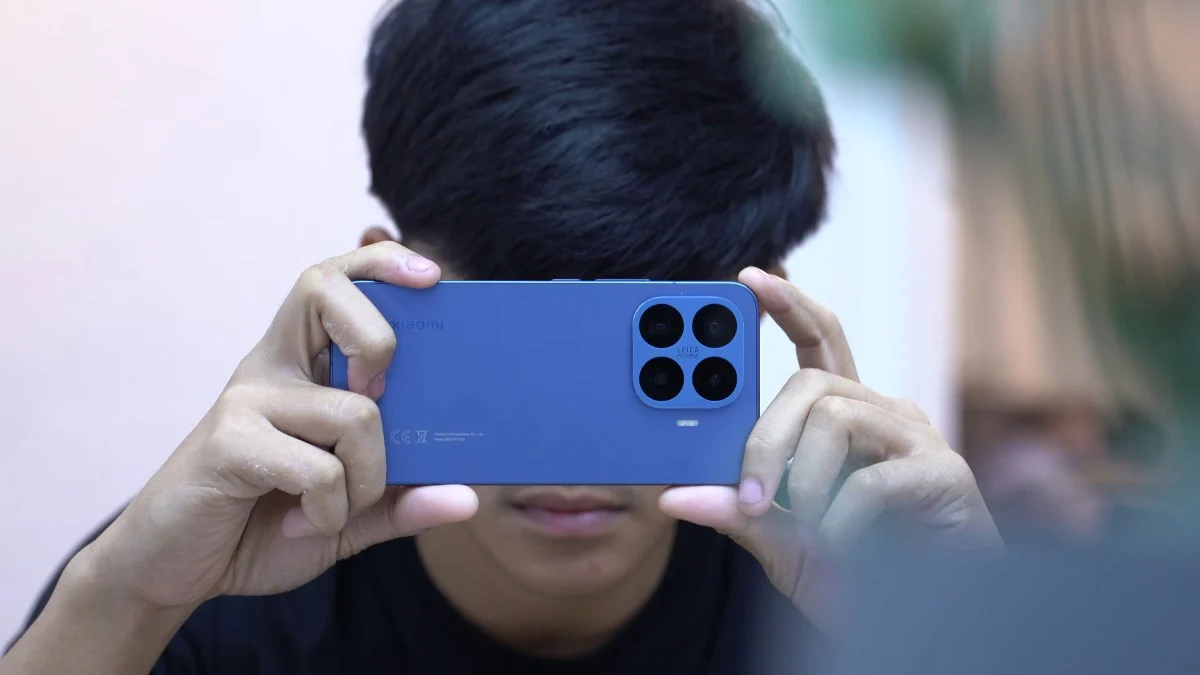
Also, thanks to the periscope telephoto, it can capture subjects at a farther distance that still look sharp.
HONOR 600 Pro sample videos | 4K 30 fps
Xiaomi 17T Pro sample videos | 4K 30 fps
So, in the camera department, both phones have their own set of pros and cons. HONOR sweeps with image quality across the board while Xiaomi excels in taking videos. Therefore, I’m giving this round another tie.
Battery Life
Next, let’s talk about battery life. Both phones pack 7000mAh battery capacities and you might’ve expected them to have a similar battery life. Based on our tests? Almost.

In PCMark, the HONOR 600 Pro had 17 hours and 32 minutes of uptime while the Xiaomi 17T Pro lasted over three hours longer at 20 hours and 45 minutes. The same goes with our video loop test, passing over 28 hours with HONOR and over 30 hours with Xiaomi.
When it’s time to charge, HONOR supports 80W of wired charging while Xiaomi gets slightly faster at 100W.
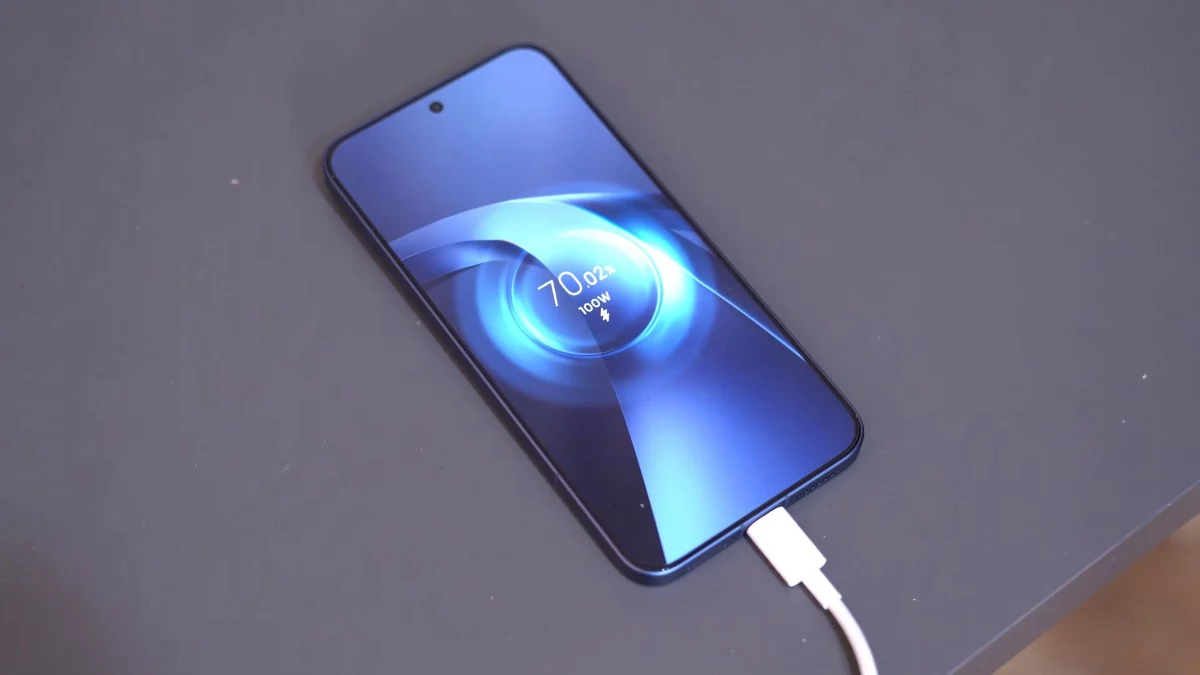
Both have 50W wireless charging support, but only the 600 Pro has bypass charging support, which you have to manually enable through the Game Manager.
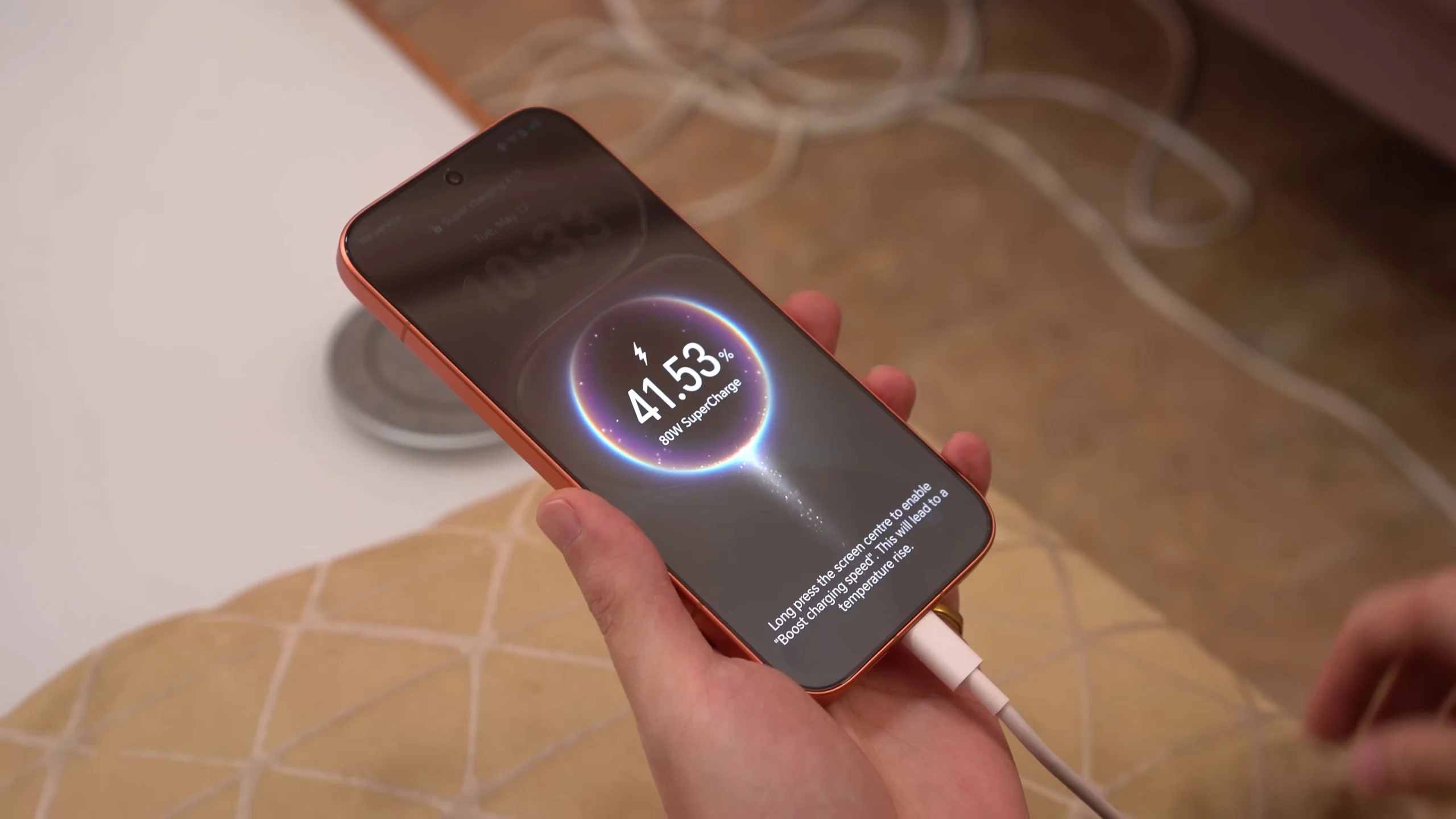
That said, battery life really depends on how you use your device. For us though, having a useful feature such as bypass charging is a plus, especially if you’re most likely going to have long gaming sessions, then the HONOR 600 Pro is better in this regard because it will have a more optimal battery health in the long run.
So, in this round, I’ll give it to HONOR.
Connectivity and Other Features
Now, software is another major difference. While both run Android 16 out of the box, the HONOR 600 Pro and the Xiaomi 17T Pro come with MagicOS 10 and HyperOS 3, respectively.
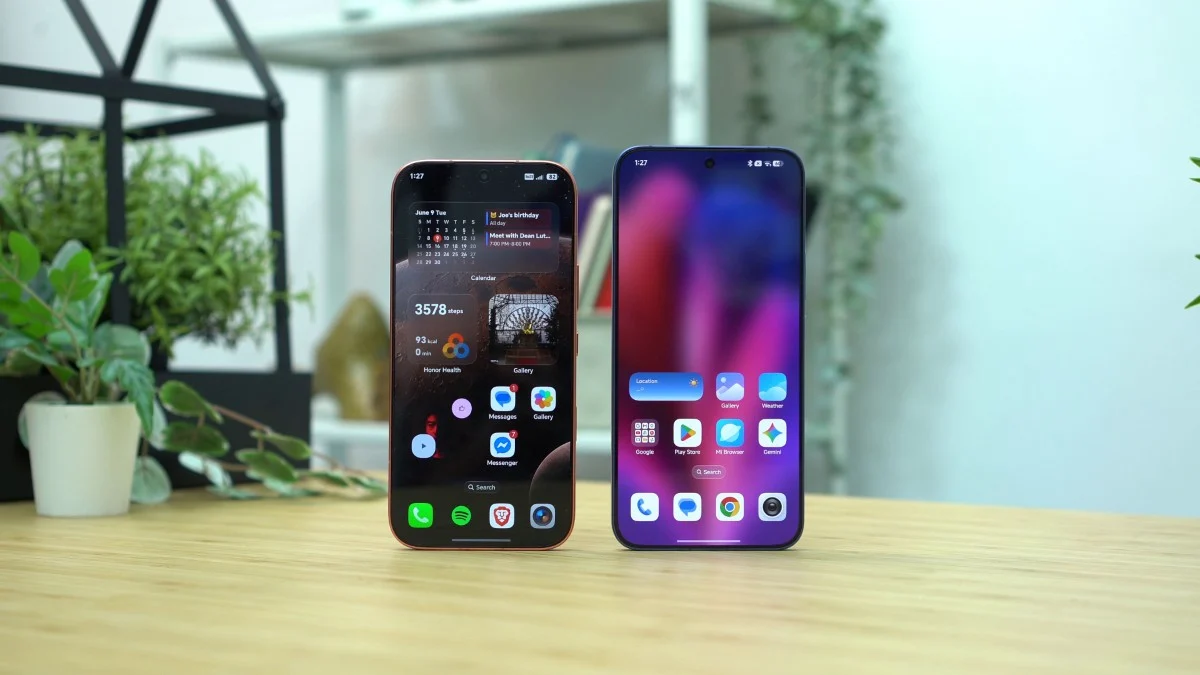
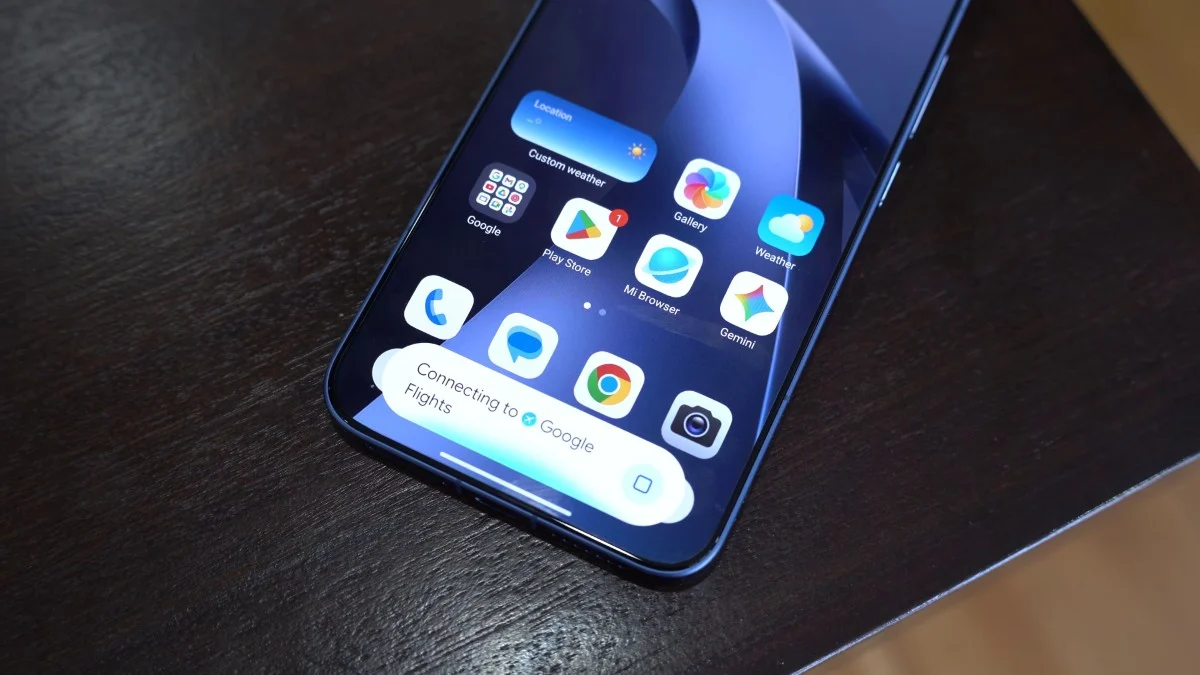
Both clearly take inspiration from iOS, but it seems Xiaomi is not dealing with all the Liquid Glass stuff just yet. As it stands, HyperOS 3 still generally looks like HyperOS 2 with those bland looking blur effects.
Meanwhile, MagicOS 10 has much better glass blur across the system. It even has Liquid Glass-inspired app icons that add to the overall consistency of the UI.
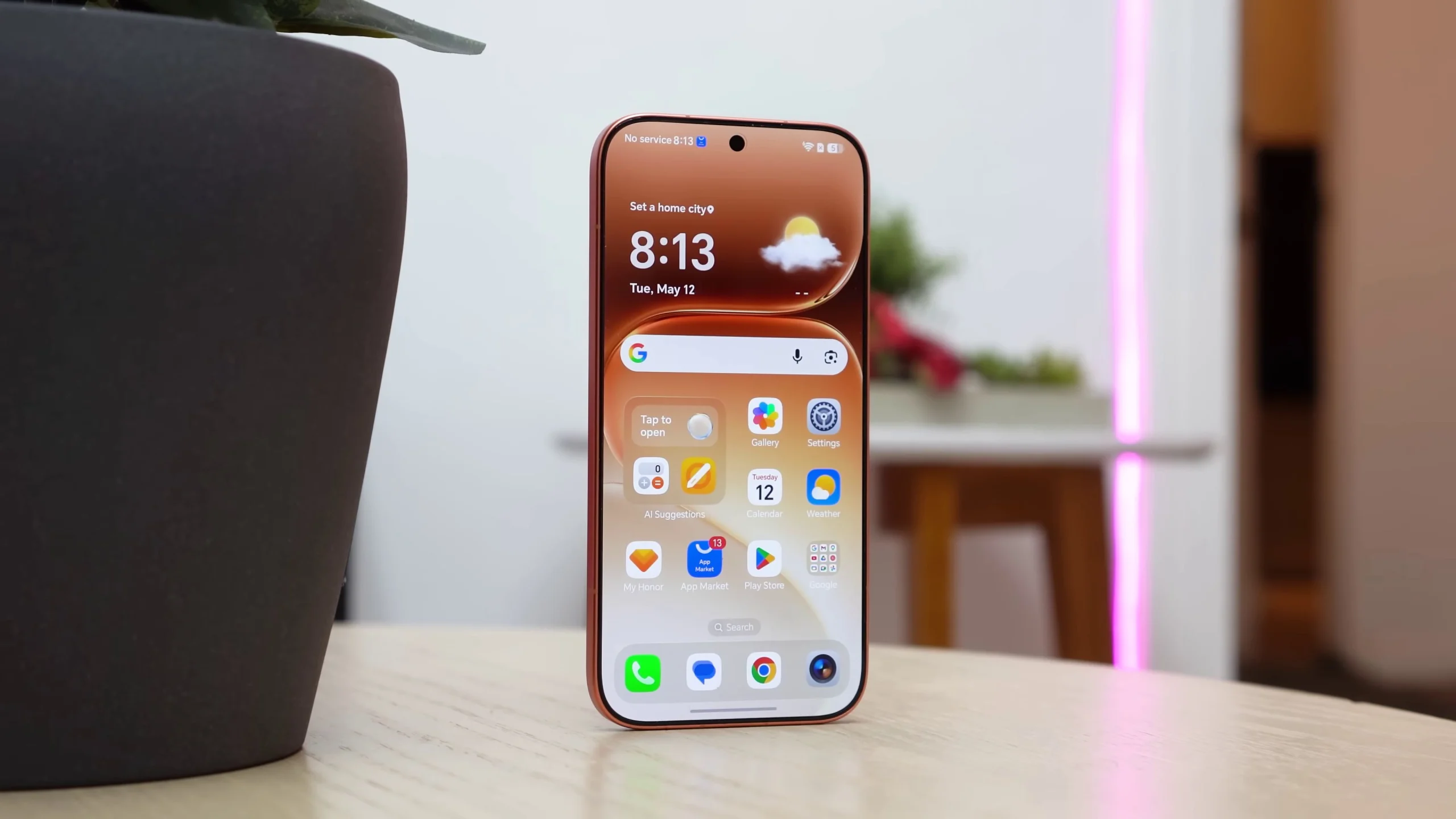
Moreover, HONOR is also promising a longer software support of six major OS upgrades and six years of security patches. While Xiaomi does offer the same length of security patches at six years, it will only get five major OS upgrades. So, there’s that.
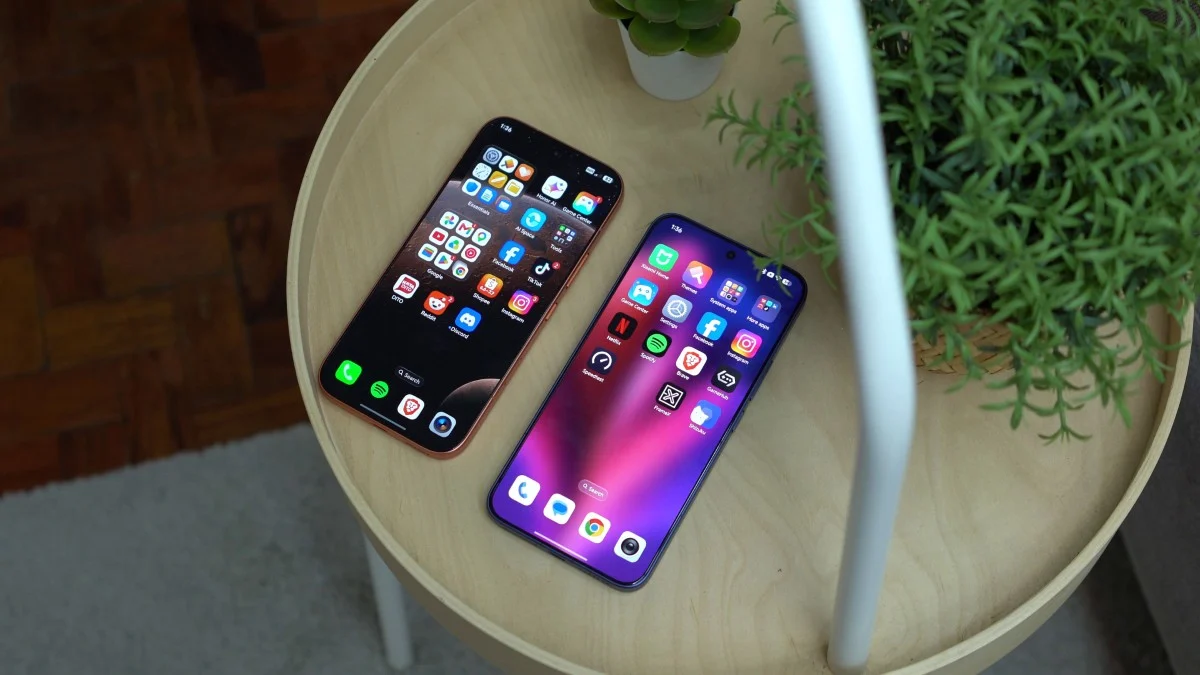
What I didn’t appreciate about a supposedly “premium” smartphone is that the Xiaomi 17T Pro comes with a substantial amount of bloatware pre-installed such as Netflix, Booking.com, and several more. I also like that MagicOS is more feature-rich with stuff like Magic Portal and AI Memories which makes use of the additional physical button on the right.
Connectivity-wise, both cover the essentials including 5G and 4G LTE with eSIM support, Wi-Fi 7, Bluetooth 6, NFC, GPS, and an IR blaster.
So, in this round, HONOR secures another point because of a more updated interface and longer software support.
Conclusion
With all that’s said and done, let’s now answer the question, “Which one should you get?”
Based on the outcome of this comparison, that would rightly be the HONOR 600 Pro. Priced at PHP 49,999 (12GB+512GB), it brings a more consistent photography experience, a better looking interface powered by MagicOS 10, and a few additions that help it remain usable for a long time such as bypass charging and a longer software support.
You can’t go wrong with choosing the HONOR 600 Pro.
Perhaps, having a significantly lower price is the Xiaomi 17T Pro’s biggest advantage over the competition. It only starts at PHP 45,999 (12GB+256GB) and you may already get the 512GB variant at PHP 47,999 which still costs way less than HONOR’s retail pricing.
It offers better video recording capabilities, longer battery life, and relatively cooler thermals. Plus, that periscope telephoto offers far more flexibility for shooting subjects at long distances.
Ultimately, the choice is all yours. If you’re looking for a phone that does mobile photography more consistently, go for the HONOR 600 Pro. But if your priority is taking videos for less, then the Xiaomi 17T Pro will do.
| HONOR 600 Pro | Xiaomi 17T Pro |
|---|---|
| 6.57-inch 1.5K AMOLED display | 6.83-inch 1.5K AMOLED display |
| 2728 x 1264 pixels, 120Hz refresh rate | 2772 x 1280 pixels, 447 PPI, 144Hz refresh rate |
| 8000 nits (peak) brightness | 600 nits (typ), 2000 nits (HBM), 3500 nits (peak) brightness |
| - | Corning Gorilla Glass 7i |
| Qualcomm Snapdragon 8 Elite | MediaTek Dimensity 9500 |
| 3nm, octa-core, up to 4.32GHz | 3nm, octa-core, up to 4.21GHz |
| Adreno 830 GPU | GPU: Mali G1-Ultra | NPU 990 |
| 12GB RAM | 12GB LPDDR5X RAM (9600Mbps) |
| 512GB storage | 256GB, 512GB, 1TB UFS 4.1 storage |
| Triple rear cameras: | Triple rear cameras (Leica Summilux optical lens) |
| - 200MP f/1.9 main, OIS | - 50MP f/1.67 main (Light Fusion 950), OIS | 23mm |
| - 50MP f/2.8 telephoto, OIS | - 50MP f/3.0 periscope telephoto, OIS | 115mm |
| - 12MP ultrawide, AF | - 12MP f/2.2 ultrawide, 120º FOV | 15mm |
| 50MP f/2.0 selfie shooter | 32MP f/2.2 selfie shooter, 90° FOV |
| Dual nano-SIM (supports eSIM) | Dual nano-SIM (supports eSIM) |
| 5G (NR), 4G LTE | 5G (SA, NSA), 4G LTE |
| Wi-Fi 7 | Wi-Fi 7 |
| Bluetooth 6.0 | Bluetooth 6.0 |
| GPS, AGPS, GLONASS, BeiDou, Galileo, QZSS, NavIC | GPS, GLONASS, Beidou, Galileo, NavIC, QZSS |
| USB Type-C (USB 2.0) | USB Type-C |
| NFC | NFC |
| Under-display fingerprint sensor, face unlock | Under-display fingerprint sensor, face unlock |
| IP68, IP69, IP69K dust and water resistance, high temperatures | IP68 dust and water (submersion) resistance |
| SGS 5-Star drop and crush resistance | - |
| Dual stereo speakers | Dual stereo speakers, Dolby Atmos, Hi-Res Audio |
| IR blaster | IR blaster |
| MagicOS 10, Android 16 | Xiaomi HyperOS 3, Android 16 |
| 6 years software support (OS, security) | 5 OS upgrades + 6 years security patches |
| 7000mAh Li-po battery | 7000mAh Si/C battery |
| 80W charging (wired), 50W wireless | 100W charging (wired), 50W wireless |
| 27W reverse wired | 22.5W reverse wired, supports PD 3.0 / PD 2.0 |
| 156.0 x 74.7 x 7.8 mm (dimensions) | 162.2 x 77.5 x 8.25 mm (dimensions) |
| 200g (weight) | 219g (weight) |
| Orange (colorway) | Black, Deep Violet, Deep Blue (colorways) |



0 Comments
Leave a Reply