
HUAWEI’s Mate series has returned to the global market this 2026.
For years, the Mate lineup has been known for pushing boundaries. From large-screen productivity devices to periscope zoom cameras and early variable aperture systems, it has always been the brand’s playground for innovation.

With the Mate 80 Pro, HUAWEI isn’t just refreshing a flagship, it’s resetting their direction.
This phone is clearly built around three core ideas: outlasting the competition with durability and battery, outshooting with a more refined camera system, and outperforming through sustained performance.
~The question is, does that translate into a better real-world experience?
Let’s find out.
Design and Construction
HUAWEI leans heavily into identity here, and honestly, it works.
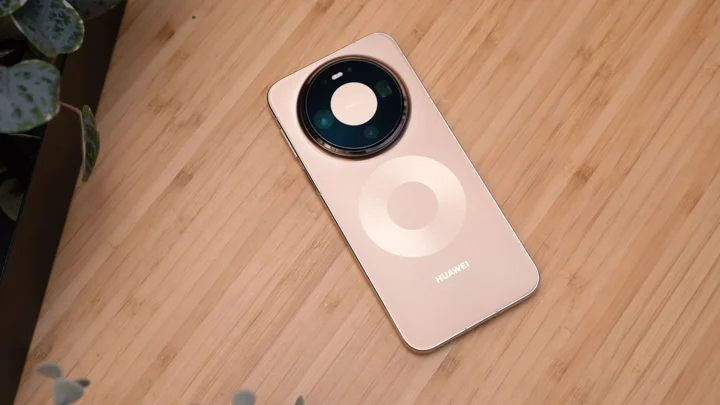
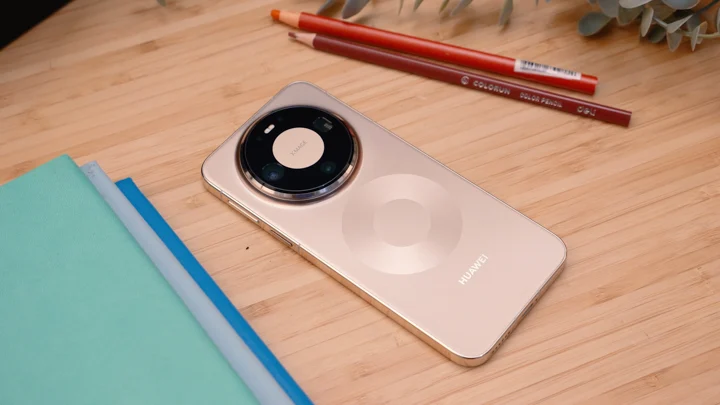
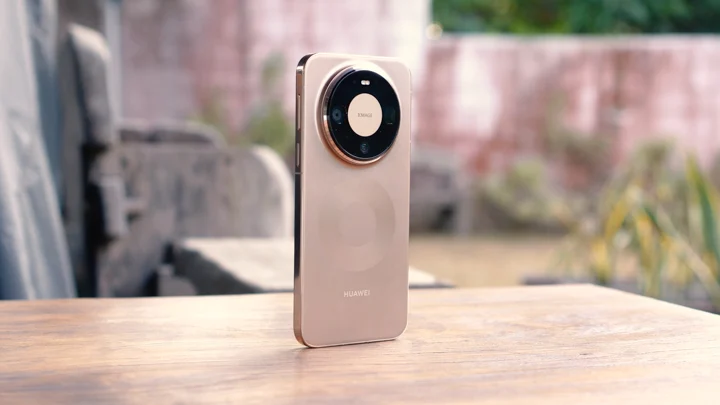
The Mate 80 Pro features the brand’s signature Dual Space Ring camera module. The ring on the rear panel kind of looks like it highlights some sort of Qi2 or MagSafe technology, but in actuality there are no magnets there, but there is wireless charging support!
The phone uses a reinforced metal frame paired with a vegan fiber back panel (which could’ve fooled us into thinking it was glass). Notably, it does provide good resistance to scratches and stains, but there is a clear hard-plastic case included in the box.
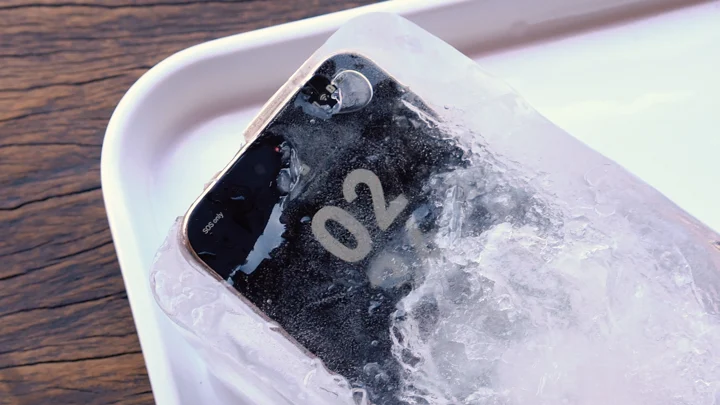
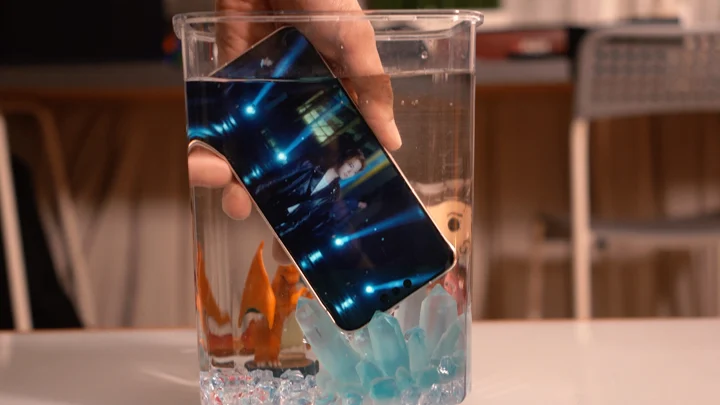
In front there’s second-generation Kunlun Glass for improved drop resistance, alongside IP68 and IP69 ratings. That means certified protection from dust-sized particles, 6m water submersion for 30 minutes, high-pressure water jets, and high-temperature exposure from -20°C to 80°C.
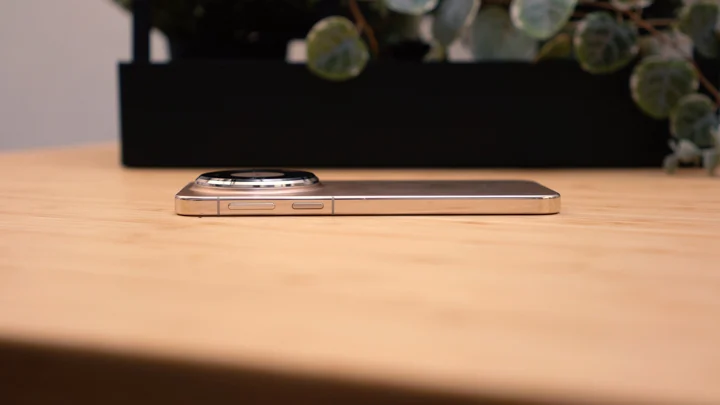
At 219 grams and just under 8mm thick, it’s not exactly light, but it feels very balanced in-hand. With a width of 76mm, the dimensions actually impressed me for a plus-size phone.
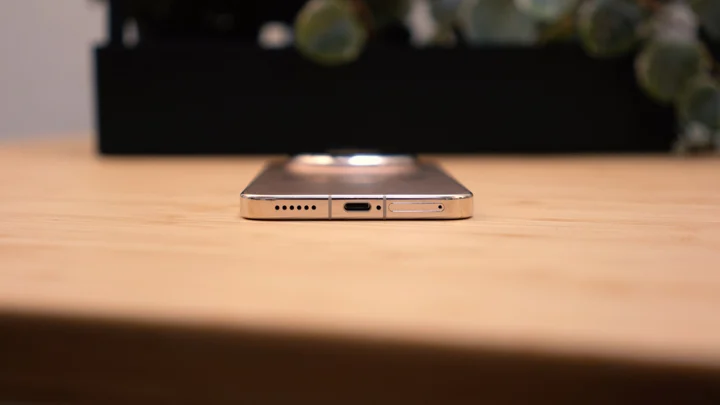
Ergonomics feel good with both the volume rocker and power button situated on the right side. Found at the bottom is its dual nano SIM card slot, primary mic for calls, USB Type-C port for wired charging and data transfers, and the bottom-firing stereo speaker.
The speaker’s other half can be found in the slit of the top bezel, and there’s a secondary mic for loudspeaker calls on top.
Overall the design of the HUAWEI Mate 80 Pro is effortlessly classy especially in the Gold color, and the tough glass protection and IP ratings we’ve tested indicate strong resistance to the elements.
Display, Multimedia and Biometrics
Up front, the Mate 80 Pro packs a 6.75-inch 2.8K LTPO OLED display with a 1-120 Hz adaptive refresh rate and an exact resolution of 2832 x 1280.
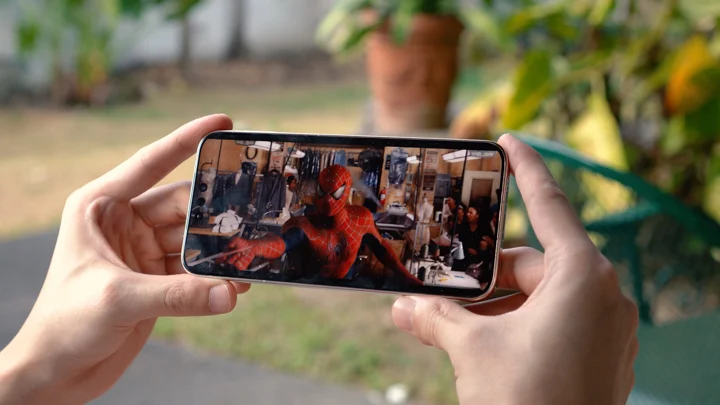
It’s a sharp, vibrant panel with support for 1.07 billion colors and a peak brightness that peaks at up to 3000 nits. Outdoors visibility is excellent, and the adaptive refresh rate helps keep things smooth without sacrificing battery life.
HUAWEI also uses high-frequency PWM dimming at 1440 Hz, which should help reduce eye strain during extended use; something doom-scrollers and competitive mobile gamers will appreciate. And its stereo speakers sound pretty good too, with balanced mids and highs delivering a good amount of clarity.
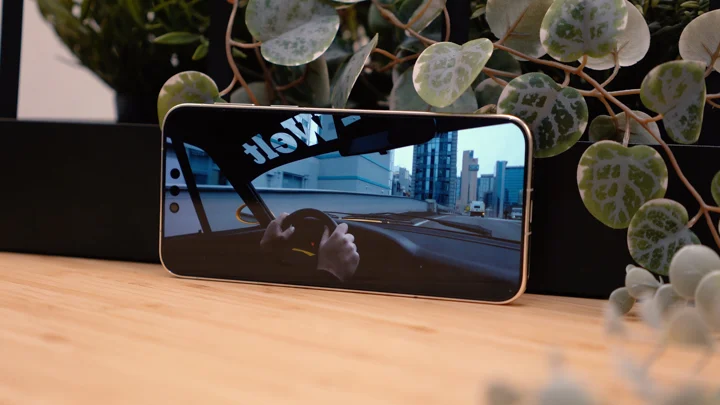
Like most HUAWEI phones accessible to us these days, it sports a panel with Widevine L1 certification that users can optimally take advantage of with locally stored media, while video streaming apps are capped to HD or FHD.
For biometrics the Mate 80 Pro gets a side-mounted fingerprint scanner that doubles as its power button, and 3D facial recognition.
Yes, you read that right, 3D face unlock, which means HUAWEI is pretty much the third in the world to feature this method of unlocking, after the thing that put Snow White to sleep, and the thing warriors die in battle with.
In this instance, we definitely found the face unlocking method much more convenient than the side-mounted scanner, and arguably more secure.
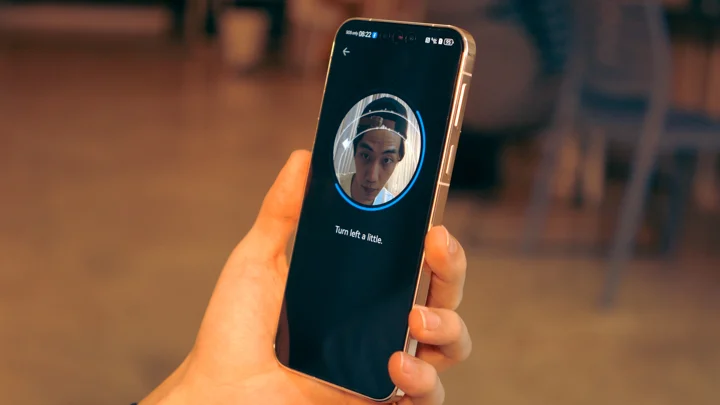
Quick Tip: For those who purchase this phone and are surprised to find a notch on their display, there’s a setting to change the notch into a pill-shaped cutout or to hide the whole top area altogether.
Cameras
One of the best highlights of a HUAWEI phone are their cameras, and it’s no different with the Mate 80 Pro.
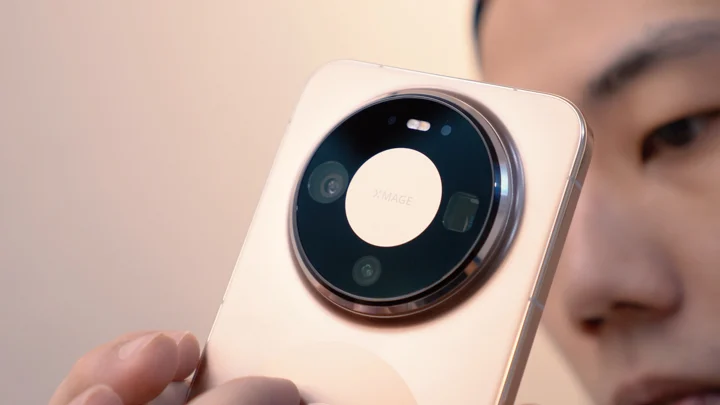
The rear system consists of a 50MP Ultra Lighting main camera with a variable aperture (f/1.4 – f/4.0), a 40MP ultrawide, and a 48MP macro telephoto with 4x optical zoom. In front there’s a 13MP camera for selfies, along with the TOF 3D sensor for face unlock.
There’s also a dedicated True-to-Colour camera that helps improve color accuracy across the board.
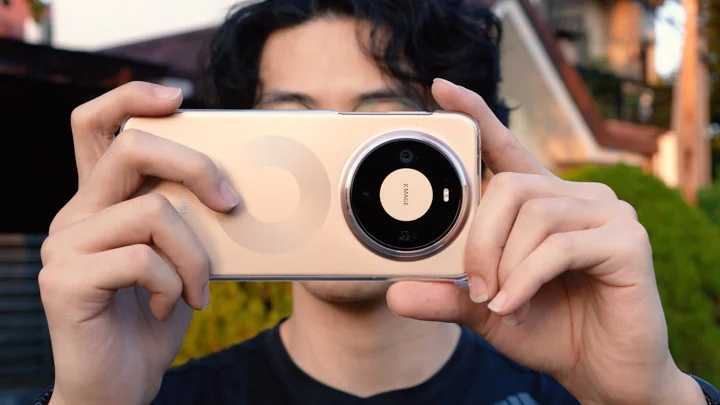
Instead of chasing overly processed, hyper-saturated shots, the Mate 80 Pro leans toward more natural, true-to-life colors. Skin tones look more realistic, highlights are better controlled, and overall images feel closer to what your eyes actually see.
HUAWEI Mate 80 Pro Sample Photos
Mar 21 – Apr 7


The macro telephoto is especially versatile, letting you shoot from as close as 5cm all the way to distant subjects without sacrificing detail.
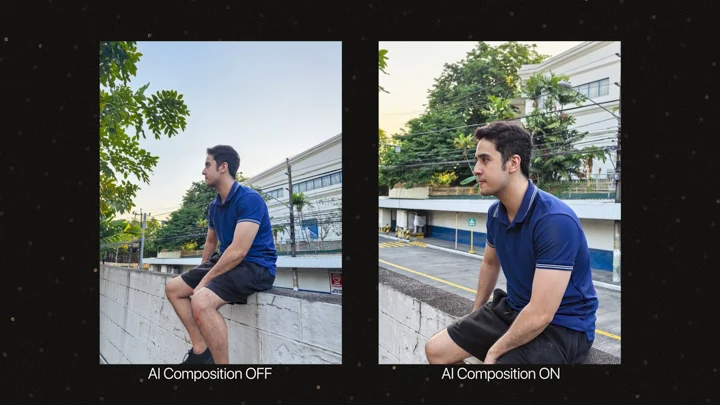
AI plays a supporting role here with AI Composition. It’s a feature that provides real-time framing guidance, subtly helping you position the phone for better photo composition, without feeling intrusive.
For video, the Mate 80 Pro is capable of shooting at a max resolution of 4K at 30/60p for the front and back.
Overall, it’s a well-rounded camera system that prioritizes consistency and realism over flashy processing. The rear camera system is impressively capable of capturing images good enough for more professional web content (like the product shots in my review here).
OS, Apps and UI
For software, the Mate 80 Pro runs on EMUI 15 out of the box, and the experience is noticeably more refined compared to older HUAWEI devices, hugely thanks to slight UI updates.
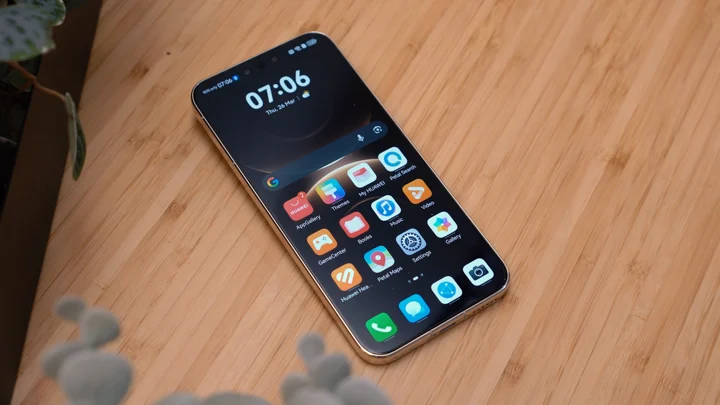
A lot of us in the studio also think it’s the smoothest we’ve felt EMUI in a while, not that it wasn’t so with the Pura 80 series. It’s just something about the UI animations look more buttery this time around.
App availability is still handled through AppGallery, but as always most essential apps and services are supported. So, no major issues with Google apps once they’re installed.
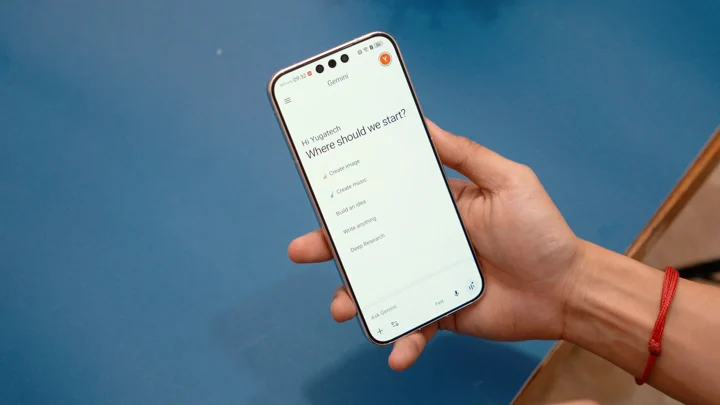
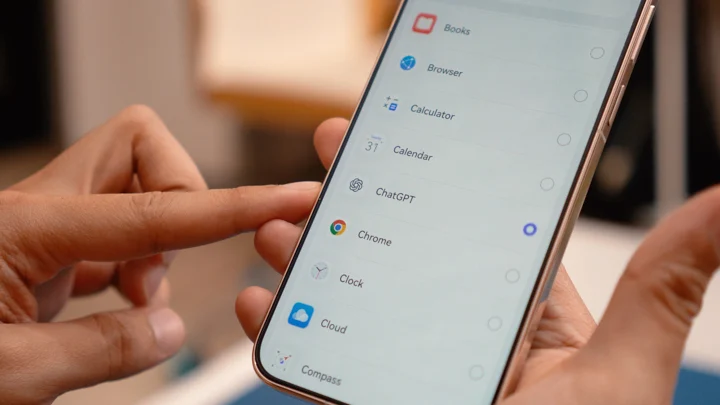
AI Smart Control, a features that allows us to double-tap the power button makes it easy to access our preferred AI assistants like Gemini or ChatGPT, streamlining how we interact with these services. But it’s also worth noting we can bind the action to open practically any app we want.
Overall, it’s a good functioning operating system that’s admittedly starting to show its age. We could wish for updated visuals but it doesn’t really feel like a priority fix at the moment.
We would rather see improvements in video streaming app resolutions being able to take full advantage of the nice displays, or maybe even support for the latest mobile data bands available in the country.
Performance and Benchmarks
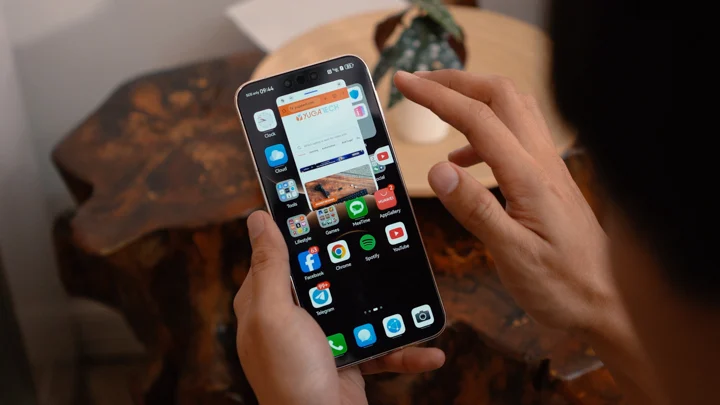
In terms of performance, running the show is their in-house Kirin 9030 Pro chipset, paired with 16GB of RAM and 512GB of storage.
In day-to-day use, everything feels smooth and responsive. Multitasking between apps is seamless, and demanding tasks like gaming run without major slowdowns.
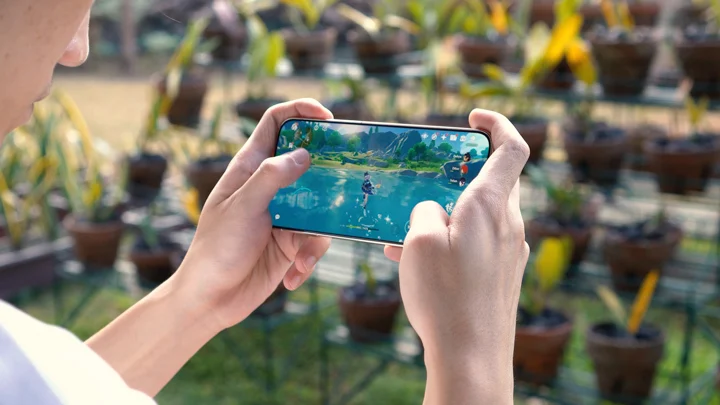
But where the Mate 80 Pro really stands out is in sustained performance, this means we can game longer, switch between apps more fluidly, and rely on consistent performance without sudden frame rate drops or throttling. It’s less about peak numbers, and more about staying fast over time.
In Genshin Impact, our benchmark for heavy mobile gaming, we were able to run it optimally with graphics set to high running at 60 fps.
| Device: | HUAWEI Mate 80 Pro |
|---|---|
| Chipset: | HiSilicon Kirin 9030 Pro |
| RAM | 16GB |
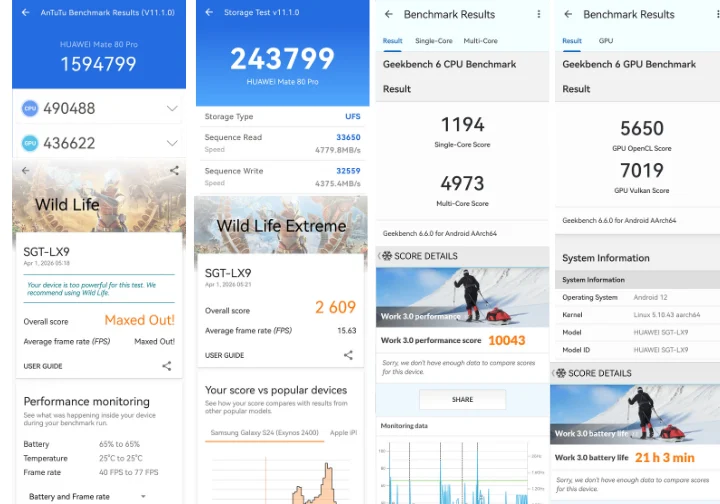
| Antutu v11 | 1,594,799 |
| Geekbench 6 Single-Core | 1,194 |
| Geekbench 6 Multi-Core | 4,973 |
| Geekbench 6 OpenCL | 5,650 |
| Geekbench 6 Vulkan | 7,019 |
| 3D Mark Wild Life | Maxed Out! (40-77 avg. FPS) |
| 3D Mark Wild Life Extreme | 2,609 (15.63 avg. FPS) |
| PCMark Work 3.0 | 10,043 |
| Antutu v11 Storage | 243,799 |
| Seq. Write | 4,779.8 MB/s |
| Seq. Read | 4,375.4 MB/s |
Graphics performance is also quite capable. In 3DMark Wildlife, the device maxed out the test with an average of 40 to 77 FPS, while Wildlife Extreme scored 2,609 with an average of 15.63 FPS. This translates to smooth gameplay in most titles, with stable frame rates even under heavier loads.
Storage performance is another highlight, with sequential read and write speeds reaching 4,779.8 MB/s and 4,375.4 MB/s respectively. This results in faster app launches, quicker file transfers, and an overall snappier experience.
Battery
Battery life is another strong point.
The Mate 80 Pro comes with a 5,750 mAh battery, which already puts it ahead of most flagships in terms of capacity. Combined with software and chip efficiency, it delivers excellent endurance in daily use.
In our PCMark Work 3.0 Battery testing, the device lasted 21 hours and 3 minutes, which is a strong result and reinforces its “outlast” positioning.
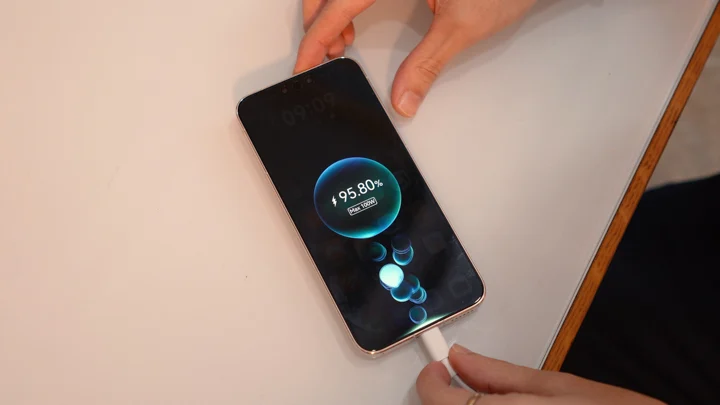
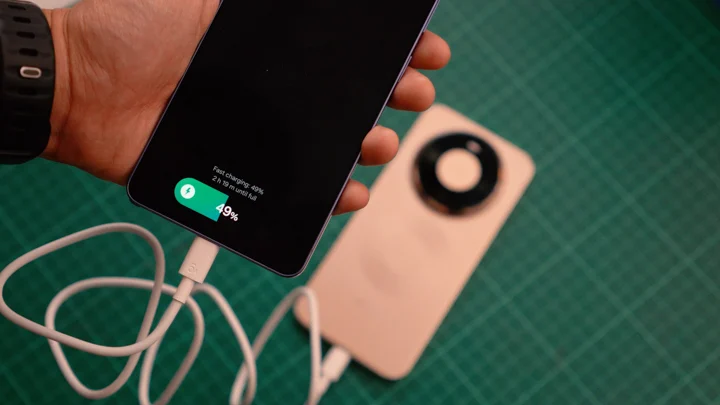
Charging is equally impressive. There’s support for 100W wired fast charging and 80W wireless charging. From 0% we’re able to top up the device in 40 minutes with the included charger.
Furthermore, we can also charge other devices with the phone at 20W wireless and 18W wired.
Connectivity
Connectivity is solid across the board but with some caveats.
We get WiFi 6/7 support, Bluetooth 6.0, NFC, and USB Type-C (3.1) with support for DisplayPort 1.2. As well as, a wide array of GPS support, and infrared to use the phone as a universal remote.
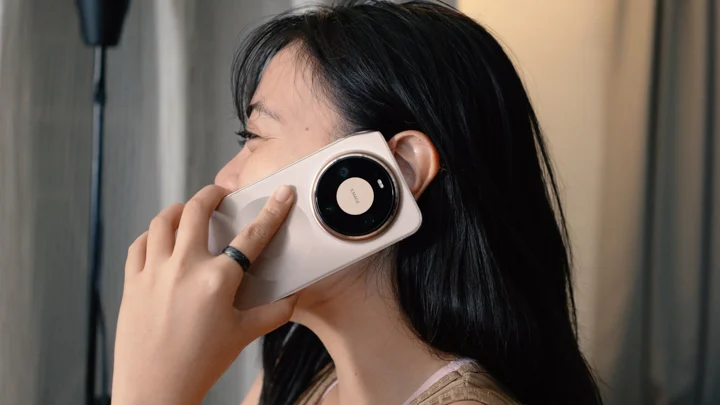
However, this global model is limited to 4G LTE connectivity in the Philippines, which may be a consideration depending on the prospecting buyer. Still, for most everyday tasks, wireless connectivity on LTE remains stable and reliable.
The same can be said for calls and video calls whether on data or WiFi.
Conclusion
The Mate 80 Pro isn’t trying to win on benchmarks alone (because well, they can’t.) but that’s also what makes their efforts so interesting.
HUAWEI has clearly shifted its focus toward reliability, consistency, and real-world usability. The cameras aim for accuracy over exaggeration, the battery is built to last, and the design emphasizes durability just as much as aesthetics.
It’s not the most aggressive flagship out there, and it doesn’t chase every trend or spec sheet headline.
But what it does offer is a more grounded, dependable flagship experience from HUAWEI in 2026. Despite some limitations, it definitely feels like it’s built to keep up with everyday life.
In summary, it may not outperform its competition in terms of raw numbers, but it can easily outshoot and outlast most.
Price and Availability:
What we LIKED:
- Great camera system
- Amazing battery life
- Durability
What we Liked LESS:
- Video streaming software woes
HUAWEI Mate 80 Pro specs:
6.75-inch LTPO OLED display, 2832 × 1280 resolution
1–120Hz adaptive refresh rate, 1440Hz PWM dimming
EMUI 15
HiSilicon Kirin 9030 Pro
16GB RAM
512GB Storage
Triple Rear Cameras:
50MP Ultra Lighting main (variable aperture f/1.4–f/4.0, OIS)
40MP ultrawide
48MP macro telephoto (4x optical zoom, OIS)
13MP front camera
5,750mAh battery
100W wired fast charging
80W wireless fast charging
IP68/IP69 rating
Wi-Fi 7, Bluetooth 6.0
USB-C, NFC
GPS (L1+L5), GLONASS (L1), BDS (B1I+B1c+B2a+B2b), GALILEO (E1+E5a+E5b), QZSS (L1+L5), NavIC
3D Face Unlock
In-display fingerprint sensor

0 Comments
Leave a Reply