
Infinix has built a reputation for making affordable gaming phones. These phones not only look cool, but also perform quite well. One great example of this is the Infinix GT 30 Pro released last year, which even comes with triggers, a feature often found on more expensive gaming phones.
This year, Infinix has finally released their successor to the GT 30 Pro, and interestingly, it’s not called the GT 40 Pro. It might have something to do with a certain Ford super car, but I digress.
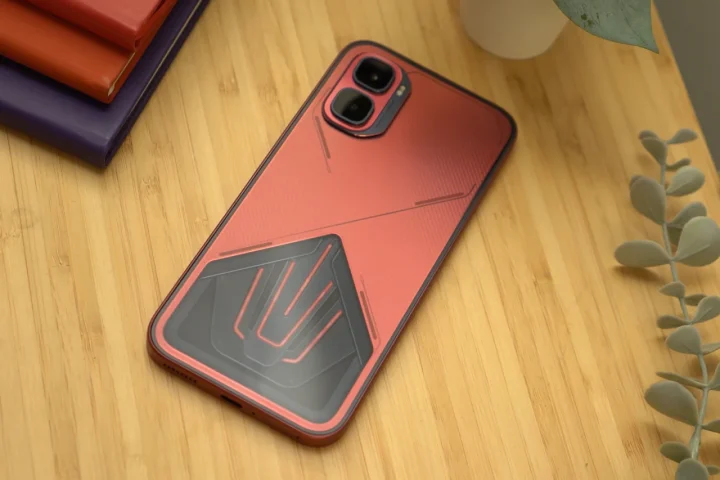
Instead, meet the new model in the GT line – the Infinix GT 50 Pro.
It comes with all the features that we’ve come to expect from the Infinix GT line – a 144Hz refresh rate display, a capable chipset, and of course, gaming triggers with a gamer aesthetic.
But how does it fare compared to the new budget gaming phones that have entered the market? Let’s find out.
Design and Construction
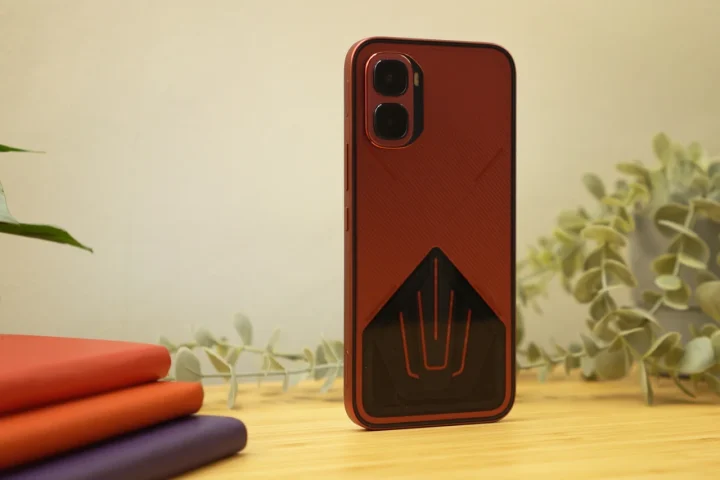
First up, let’s talk about how the Infinix GT 50 Pro looks. Not surprisingly, it features the same gamer aesthetic we’ve all come to know from the Infinix brand.
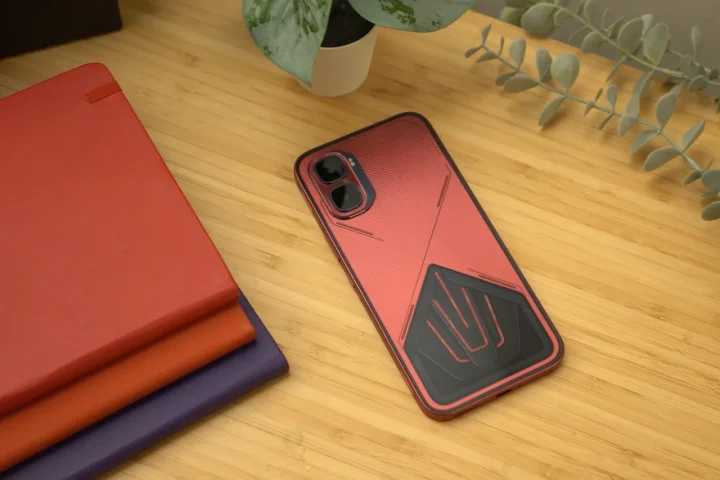
Our review unit is in this dark red color scheme, which we personally like. There’s also an interesting design motif at the bottom of the back panel with mecha-like elements.
What we found really interesting is how Infinix blended two different materials used for the back panel.
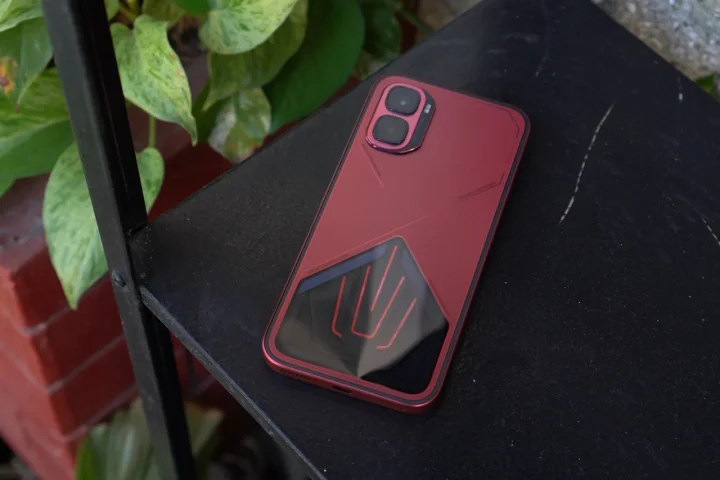
The top half uses a matte like finish, which feels a bit rough to the touch. Meanwhile, the area with the mech-design adopts a gloss finish. While not as obvious, this isn’t a glass back panel though. Instead, it appears to be made of plastic.
Of course, it still features the LED lighting at the back or mechanical light waves as Infinix calls it. Compared to the back lighting of the GT 30 Pro, the one on the GT 50 Pro is more noticeable with larger LED strips.
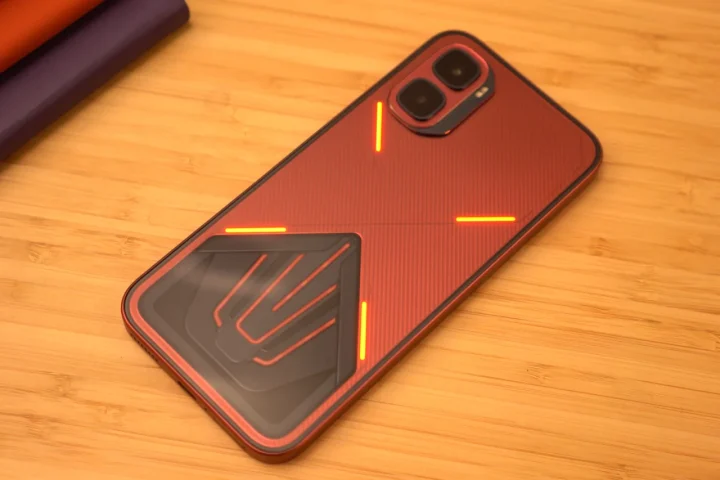
Best of all, the colors can now be changed instead of just different lighting designs.
The GT 50 Pro also retains the two GT triggers on the right side from its predecessor, and they’re slightly longer too, making it a bit easier to access. Like before, it’s fully mappable to quickly access other features of the phone as opposed to just using it for playing games, which we’ll talk more about later.
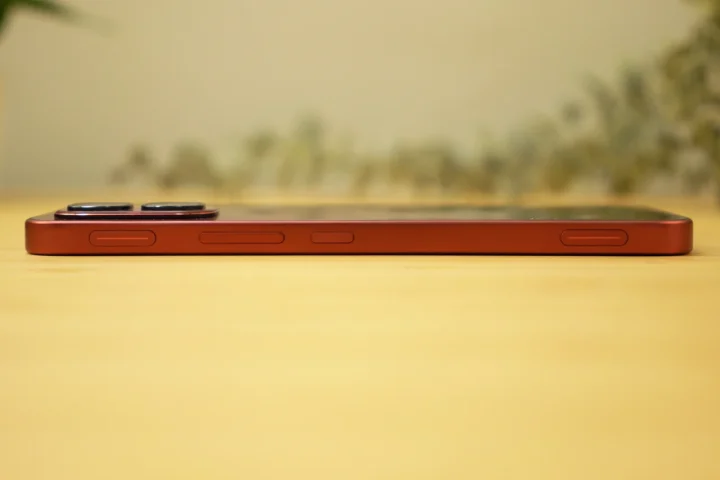
The volume rocker and power button are still located on the right side, and are easily accessible with one hand.
At the bottom, there’s a USB-C, one of two loudspeakers, and the dual-sim card slot. Meanwhile, at the top there’s the second loudspeaker, an IR blaster, and the Dolby Atmos branding.
Some might find the design of the Infinix GT 50 Pro a bit over the top. But we think it helps the smartphones create a unique identity as opposed to most smartphones on the market today. What do you guys think though?
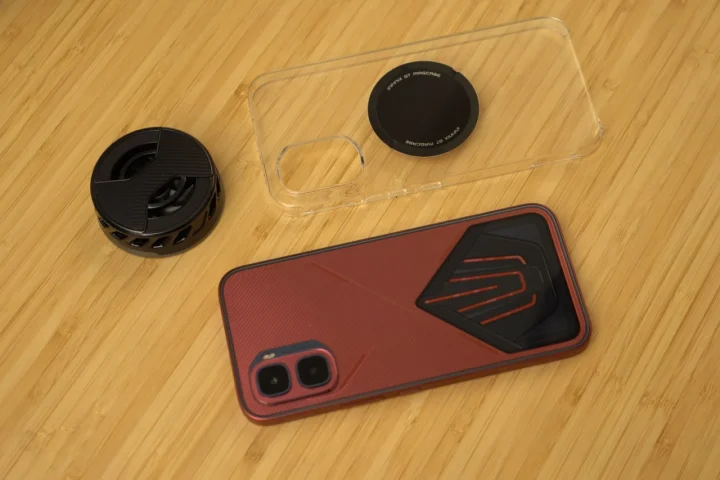
For reference, our review unit is also the Cooling Edition, which comes with a separate magcharge cooler and corresponding case.
Display, Multimedia, and Biometrics
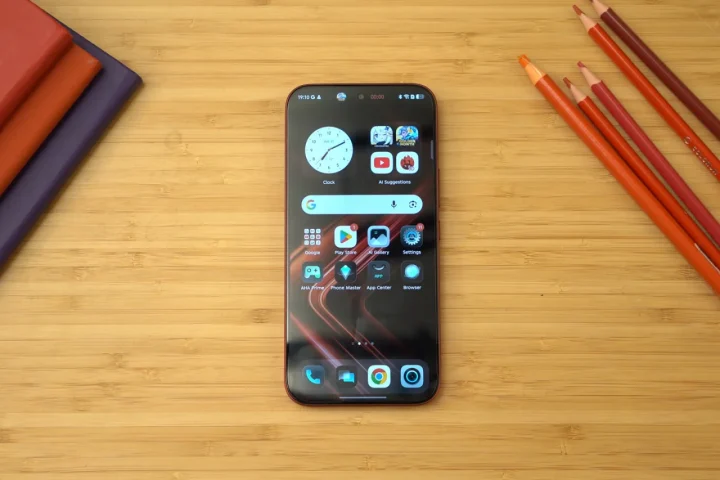
Moving over to its display, the Infinix GT 50 Pro features a 6.78-inch screen featuring a 1.5K AMOLED panel, 144Hz refresh rate, and even HDR10+ support.
It’s a beautiful display with even thin borders all around. It’s great for watching videos and playing games and the UI animations are quite smooth.
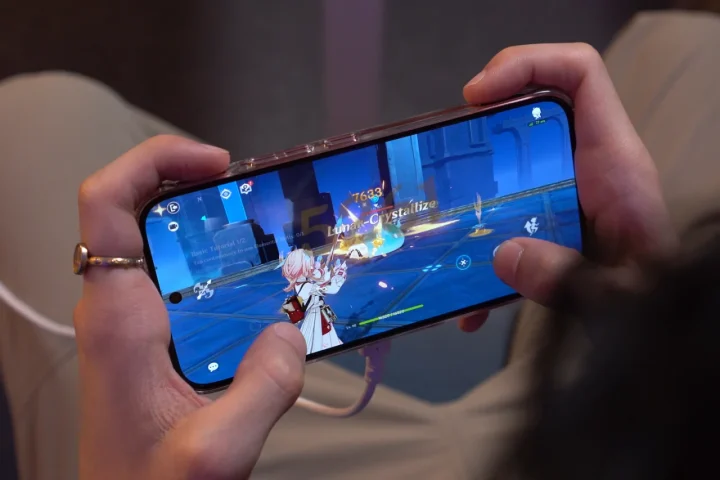
It’s gamers who will utilize the phone the most thanks to the 144Hz refresh rate, but more on that later. Still, when not gaming, users won’t be disappointed passing time watching their favorite series on the GT 50 Pro.
The display is quite bright too, with an option to turn on high brightness mode, making it very usable outdoors. But what we really liked is how vivid the colors are out of the box.
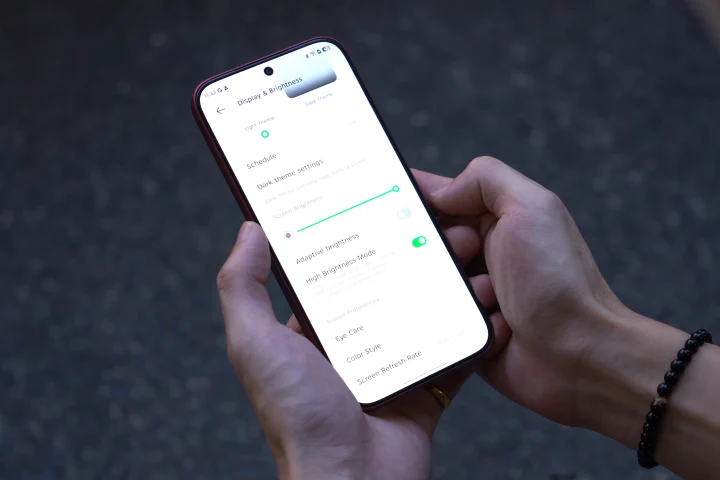
It’s set to Original Color by default, but if users want something more vivid, there’s the Bright-Colored option. Unfortunately, even with maximum brightness, there’s still a lot of glare.
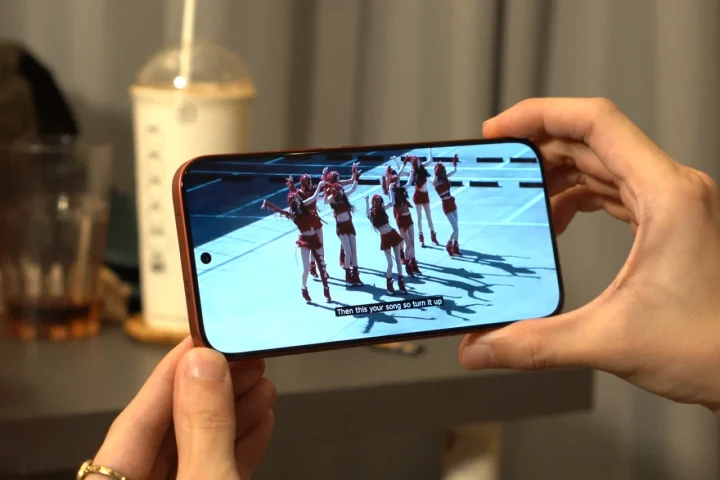
As for the stereo speakers, they’re nice considering this isn’t a high-end smartphone especially with Dolby Audio turned on. The mids and trebles are clear, but depending on the song, it can sometimes sound a bit muddied. And as expected, there’s a clear lack of bass.
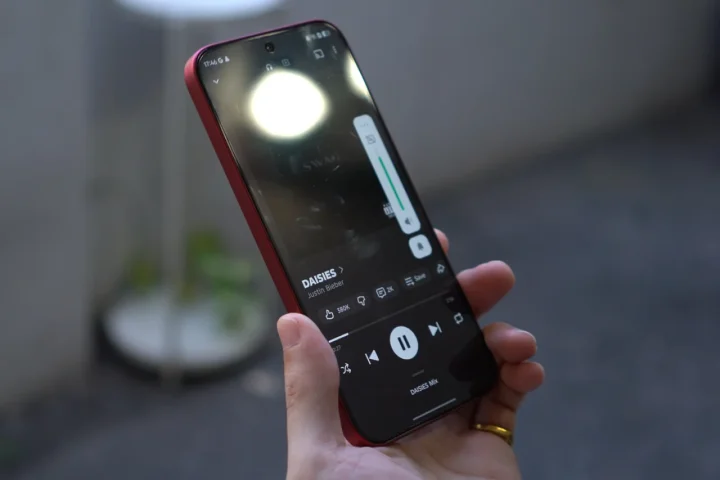
The important thing is that it’s loud. Even with the volume maxed out, there’s only a marginal decrease in quality. It can easily fill up the living room here at the YugaTech HQ.
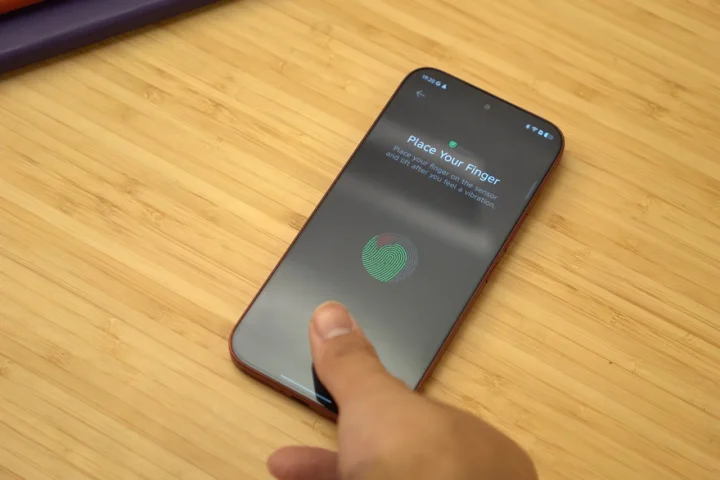
For biometrics, there’s an option between an under display fingerprint sensor and face unlock.
Cameras
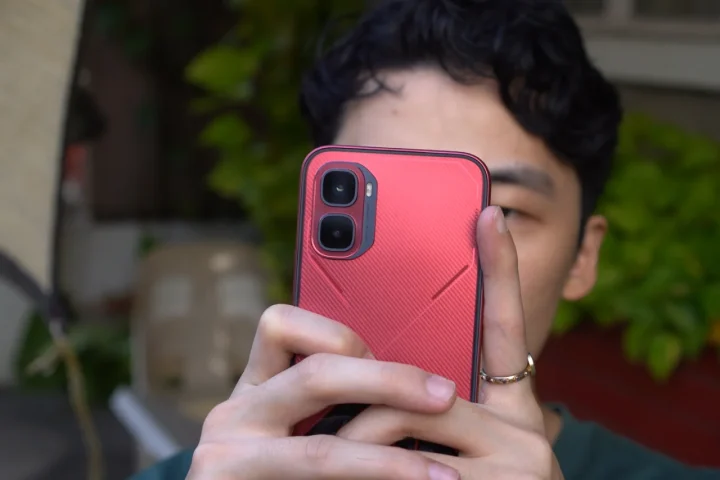
Since this is a gaming phone, the cameras aren’t the best aspect of the Infinix GT 50 Pro.
At the rear, there’s only a 50MP main shooter paired with an 8MP ultrawide camera. For the front, there’s a 13MP camera for selfies.
To be honest, we didn’t have high expectations for the cameras of this phone, considering it leans more towards gaming, but we were decently satisfied with the output.
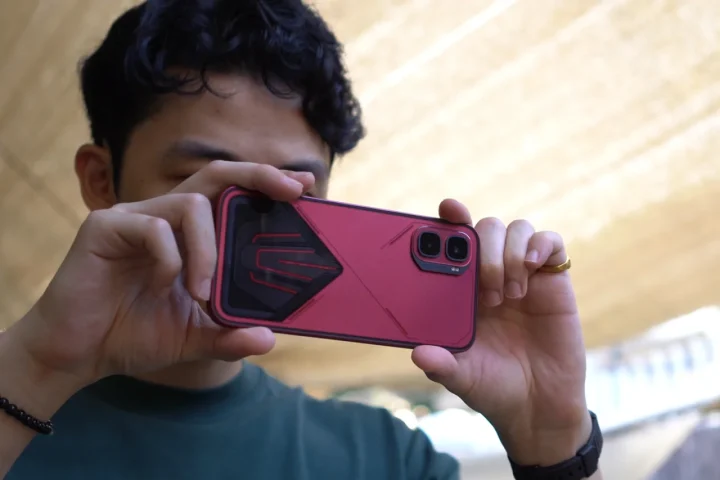
The images came out nice, especially in well-lit environments. They’re sharp, and there’s decent contrast too. The colors aren’t too saturated either, which gives the images a more natural look and feel.
However, when it’s really bright out, the camera has a hard time balancing the highlights and shadows. With that, some photos turned out having too dark of a shadow, but at least the highlights aren’t blown out.
As expected, the ultrawide does not have the same performance as compared to using the main camera. There’s a noticeable difference in quality, but some might not find it as obvious especially when in well-lit places.
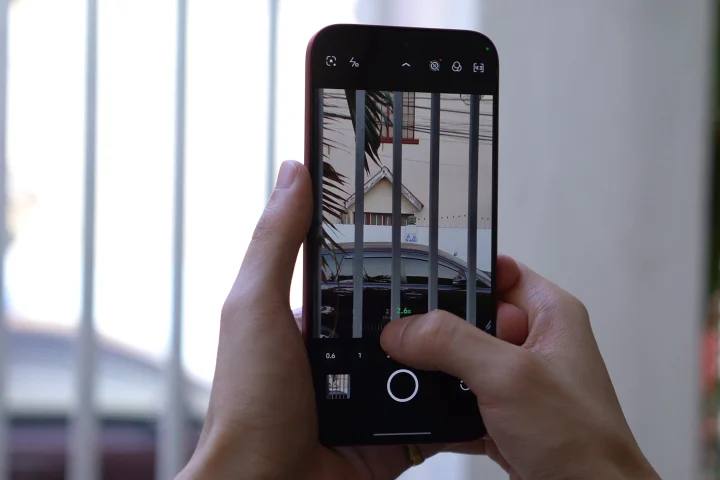
When using the zoom, it is decent up until 5x, which is a nice feature considering there’s no telephoto lens. In low light, the image quality quickly drops, but it is still very much usable for those that just want to capture memories.
What’s more surprising is the video capability of the camera. The GT 50 Pro can record up to 4K@60FPS, and best of all, video stabilization works even at 4K. With that, we were able to capture some steady footage.
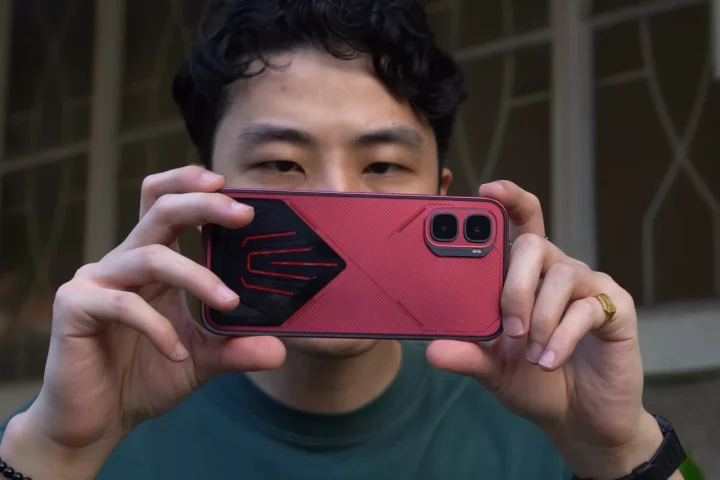
The video quality is very much the same as the photo, and it also has the same issue of having a hard time balancing highlights and shadows. Users can adjust it manually, but it reverts back to the original setting once in a while leaving users with either overblown highlights or dark shadows.
Still, for a gaming phone, the cameras are no doubt decent. Just check out the gallery below to see what we mean.
Infinix GT50 Pro Photos
Tuesday, Apr 21


Performance and Benchmarks
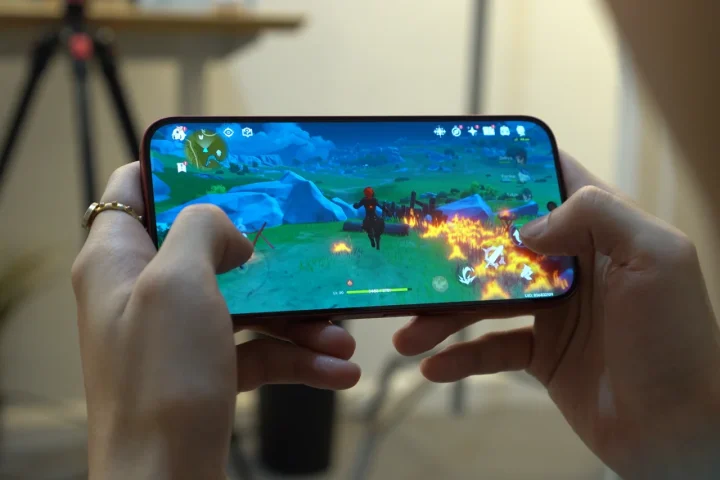
Now we get to the aspect we’re waiting for from the Infinix GT 50 Pro – the performance.
It packs a Dimensity 8400 Ultimate chipset, and our review unit comes with 12GB of RAM and 512GB of storage. There’s no dedicated microSD card slot available, but 512GB is more than enough to handle a bunch of games and apps.

Considering the chipset it packs, we’re not surprised this phone could run most games we could think of. On Mobile Legends, it was able to play the game on max graphics without any issues. It’s a similar story with other lighter titles like CarX Drift 2.
When playing more graphic intensive games like Genshin Impact, we were able to play the game on medium to high graphics settings and at 60 FPS. Together with the GT triggers and the 144Hz refresh rate display, we enjoyed playing our favorite games on this phone.

Although not all games could utilize the triggers, it’s nice to know we can use them when we want to. Best of all, we didn’t have any heating issues with the phone either. It features liquid cool technology, which can be toggled on or off in the settings. Of course, we left it turned on to get consistent gaming temps.
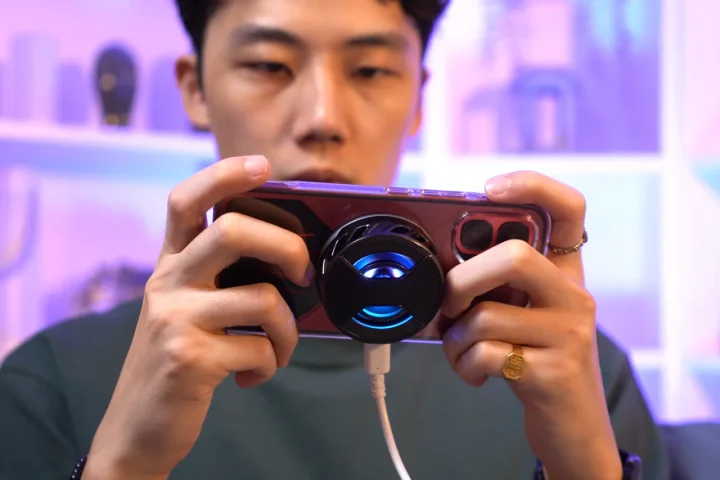
Not to mention the Cooling Edition comes with a magcharge cooler, which further helps with keeping the temps at bay. With that, there’s no need to worry about the phone heating up with extended play times.

Given how well it handled the games, we weren’t surprised it didn’t have any issues handling our day-to-day tasks.
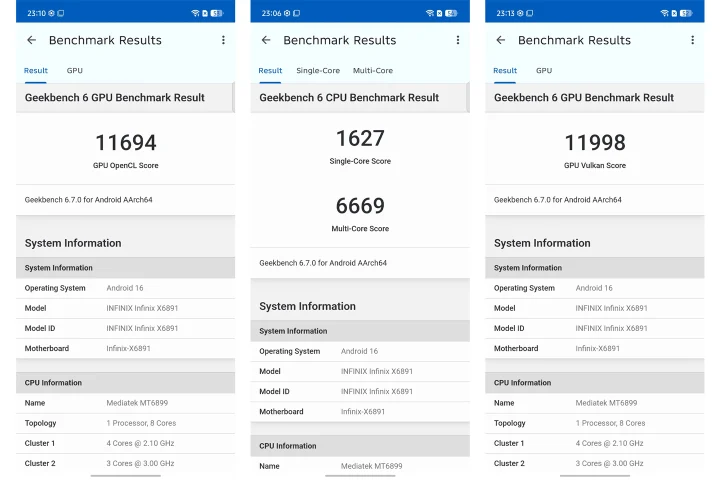
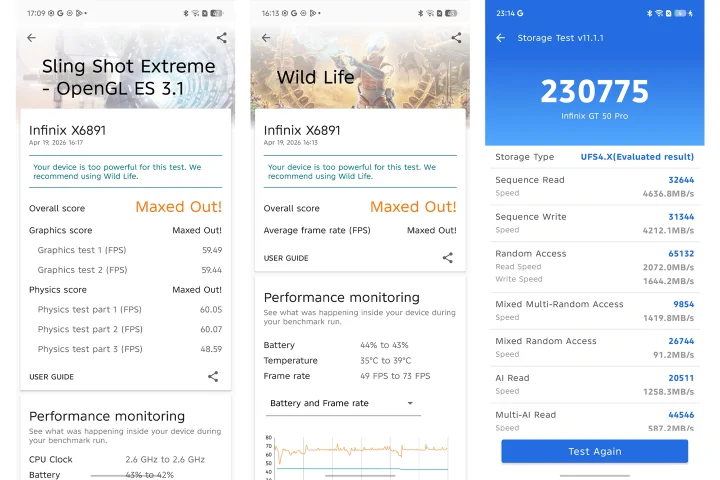
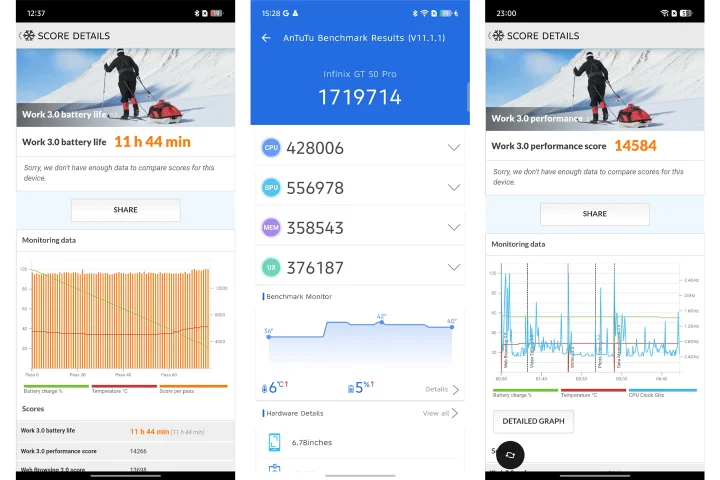
As for the benchmarks, it performed very well with all our tests, and as you can see from the benchmark scores below, these are impressive numbers.
| Device: | Infinix GT 50 Pro |
|---|---|
| Chipset: | MediaTek Dimensity 8400 Ultimate |
| RAM | 12GB |
| Antutu v11.1.1 | 1,719,714 |
| Antutu v11 Storage | 230,775 |
| Seq. Write | 4,212.1 MB/s |
| Seq. Read | 4,636.8 MB/s |
| Geekbench Single-Core | 1,627 |
| Geekbench Multi-Core | 6,669 |
| Geekbench OpenCL | 11,694 |
| Geekbench Vulkan | 11,998 |
| 3D Mark Wild Life | Maxxed Out! (49-73 Avg fps) |
| 3D Sling Shot Extreme | Maxxed Out! (48.59-60.07 Avg fps) |
| PCMark Work 3.0 | 14,584 |
OS, Apps, and UI
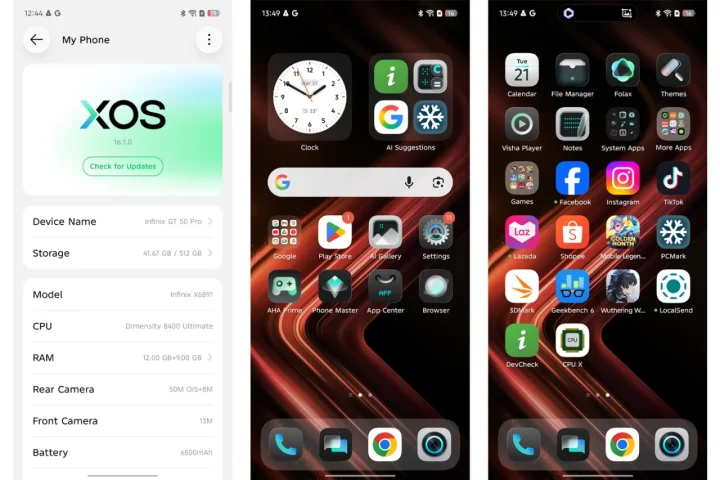
The Infinix GT 50 Pro runs on One UI XOS 16, based on Android 16. It’s a smooth OS, and quite easy to use. Not to mention it comes with a mecha theme to match the gamer aesthetic of the phone.
Although if you’re not fond of it, users can change the theme to regular XOS for a cleaner look and feel.
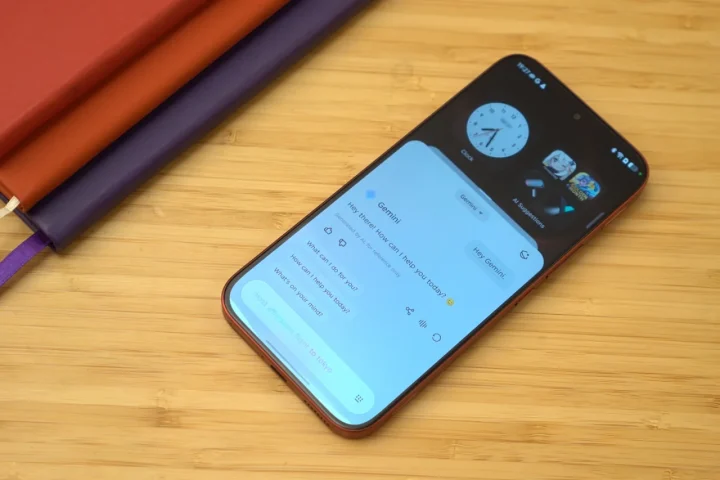
Of course, it comes with the usual suite of AI features like Google’s Circle to Search and Gemini. There’s also Infinix AI functions like AI Writing and AI Subtitles to make every work and play a lot easier.
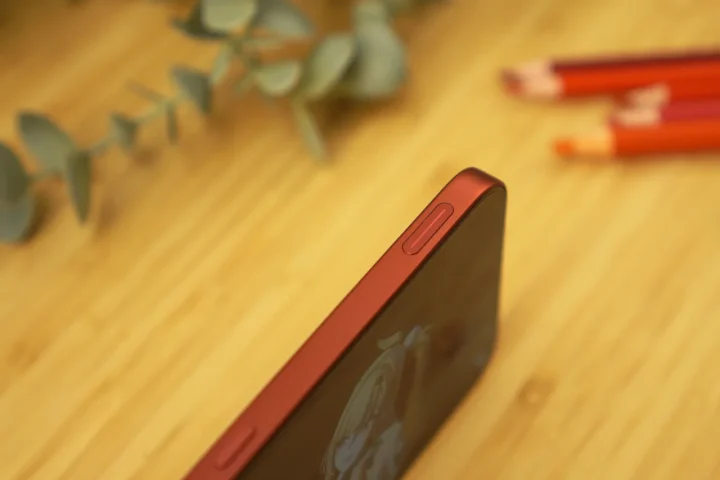
Here, users can also play with the settings for the GT Triggers when not in use for games. Users can set it up to open XArena, use it as a shutter button for cameras, and more. The apps that can be launched by the GT Trigger are a bit limited, but at least it’s there.
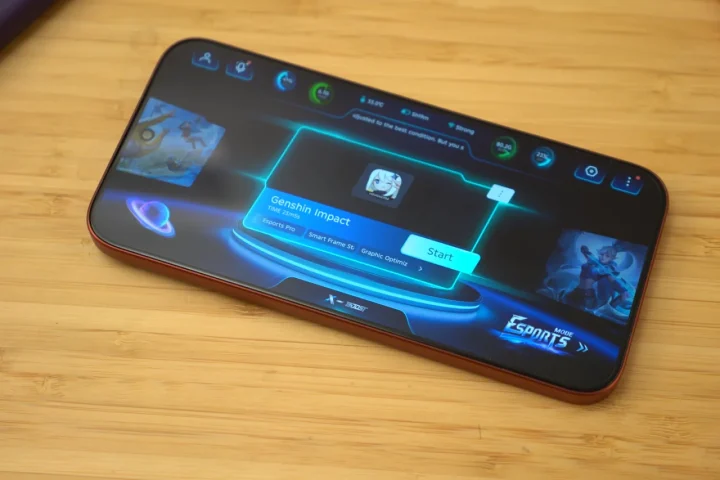
As for X-Arena, it’s essentially like a game launcher which holds all of the games installed. Users can also change the phone parameters to improve performance.
Battery and Connectivity

Powering the Infinix GT 50 Pro is a 6,500mAh battery pack, which seems to be more common nowadays in this budget segment. Given the nature of gaming phones, we didn’t expect the battery to last that long based on our previous experiences.
Since we got our hands on the phone, we noticed that the battery drains relatively fast even when we aren’t playing games.

Our PCMark Work 3.0 Battery benchmark scores showed a similar result with 11 hours and 44 minutes. In our standard Yugatech video loop test it lasted 41 hours and 40 minutes.
For reference, both tests were ran on airplane mode, zero volume, and 50% brightness. Assuming users leave the mechanical lightwaves turned on, expect the battery to drain even faster.
Thankfully, there is a 45W wired charger, which isn’t that fast, but it supports bypass charging to help preserve the long term life of the battery.
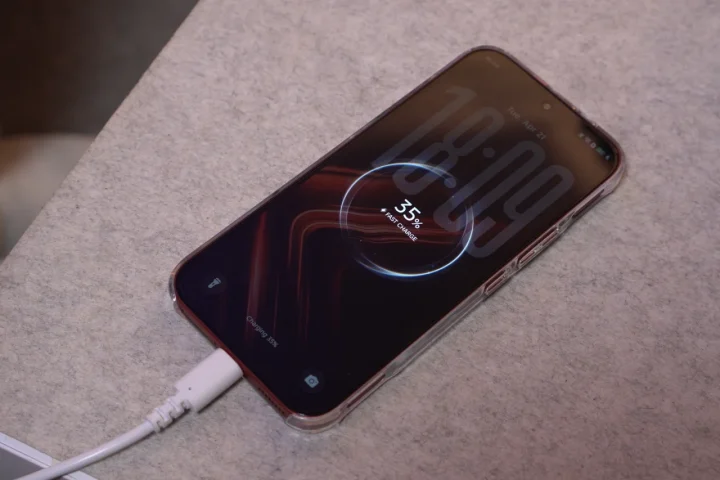
There’s also support for wireless charging. Not to mention the GT Magcharge Cooler also offers 15W wireless bypass charging to keep the phone even cooler while juicing up and in-use.
For connectivity, it features 5G, Wi-Fi 6, Bluetooth 5.4, NFC, and infrared.
Conclusion
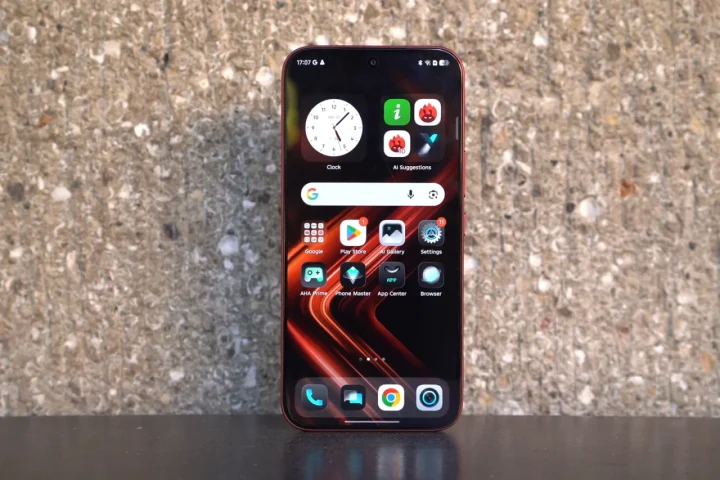
Overall, we’re very satisfied with what the Infinix GT 50 Pro offers in terms of performance and overall user experience.
It’s great for gamers who don’t want to splurge on a more expensive gaming phone, and at the same time, it is also perfect as an everyday phone.

The camera got an upgrade, but the battery is still lacking, which is expected. As for the aesthetic, well, style is subjective after all. Thankfully, there is bypass charging too.
As for the price, at the time of writing, Infinix has yet to release the price of the GT 50 Pro for the Philippines. Globally, prices start at around USD 406 or roughly PHP 24,600 for the Infinix GT 50 Pro. Assuming the Philippines follows global pricing, there is a big jump from its predecessor.
But so far, what do you guys think of the Infinix GT 50 Pro? Is it still the go-to mid-range gaming phone you’ll choose or would you pick something else?
Whatever the case, share your thoughts in the comments below.
What we liked:
- Great performance
- Beautiful and smooth display
- Great design
What we didn’t like:
- Battery life could be better
Infinix GT 50 Pro specs:
6.78-inch AMOLED, 1.5K (1208 × 2644), 144Hz refresh rate, up to 4500 nits
Corning Gorilla Glass 7i
MediaTek Dimensity 8400 Ultimate (4nm)
Mali-G720
RAM: 12GB LPDDR5X
256GB / 512GB UFS 4.1
Rear Cameras:
50MP main (f/1.59, OIS)
8MP ultra-wide
Front Camera:
13MP
dual nano SIM
5G
Wi-Fi 6
Bluetooth 5.4
GPS
NFC
USB Type-C
IR blaster
In-display fingerprint sensor (optical)
Stereo speakers
GT shoulder triggers
HydroFlow liquid cooling system
XOS 16 (Android 16)
6500mAh 45W wired, 30W wireless, 10W reverse wired, wireless reverse charging
IP64 dust and water resistance
Dimensions: 162.44 × 77.23 × 8.15 mm
Weight: 198g



0 Comments
Leave a Reply