

When it comes to speakers, I bet the very first thing that comes to mind for most of you are the likes of JBL, Sony, or Bose—usually the popular ones. However, such products aren’t limited to these brands alone.
Aside from smartphones, in case you didn’t know, Xiaomi also offers a wide variety of consumer tech products, including some portable loudspeakers like the Xiaomi Sound Party.

We got it for only Php2,700 during a sale, and that’s surprisingly affordable. That said, does it offer a sound quality that’s at least near to what you’d get from premium speakers out there?
After weeks of using this speaker, here’s what we think about it.
Design and Build
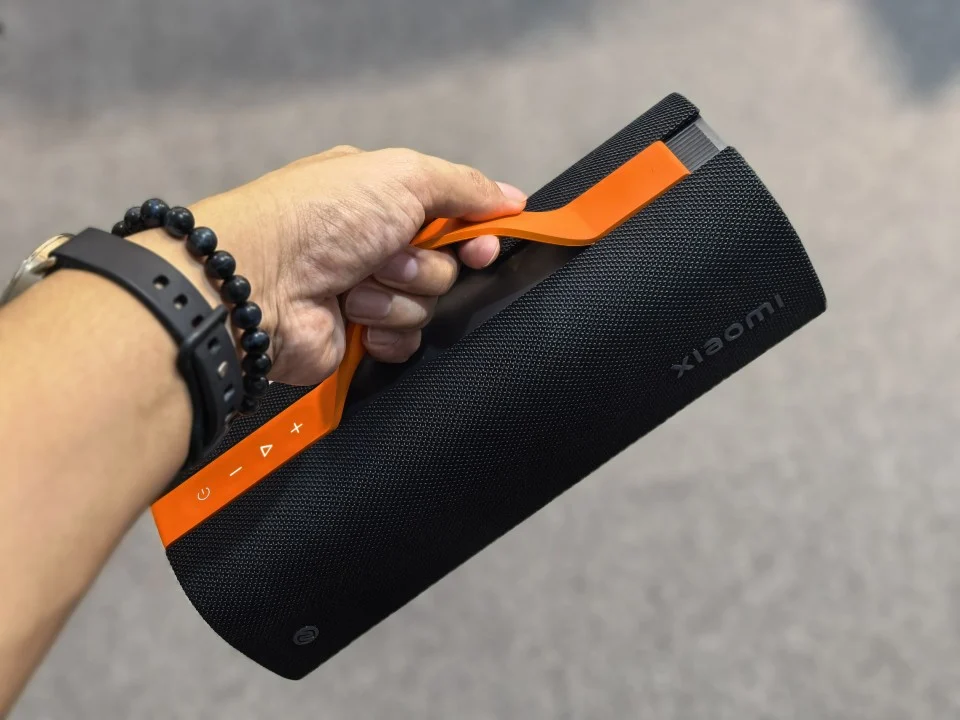
By the looks of it, I would say it’s got one of the most interesting designs I’ve seen for a speaker.
It has that usual shape with mesh-like fabric wrapped around, accented with an orange rubber strip on the top side. That same strip actually retracts slightly, acting like a hidden handle. That’s pretty neat, adding to its overall portability.
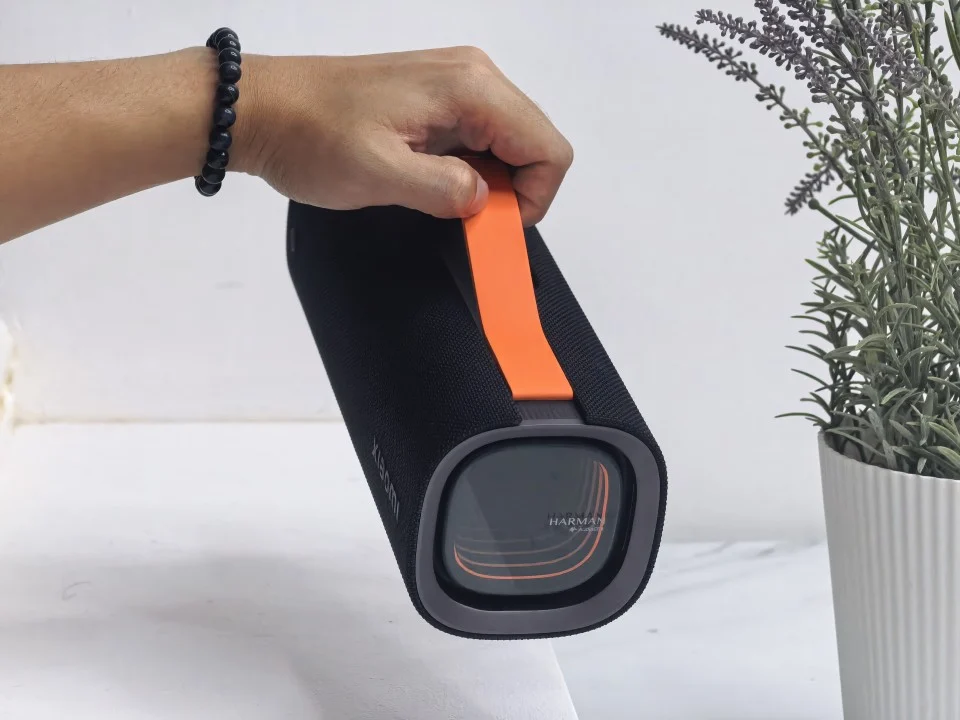
Speaking of being portable, it is decently compact, having a width not taller than a ruler (at 255 mm), and weighing only about 1.2 kg.
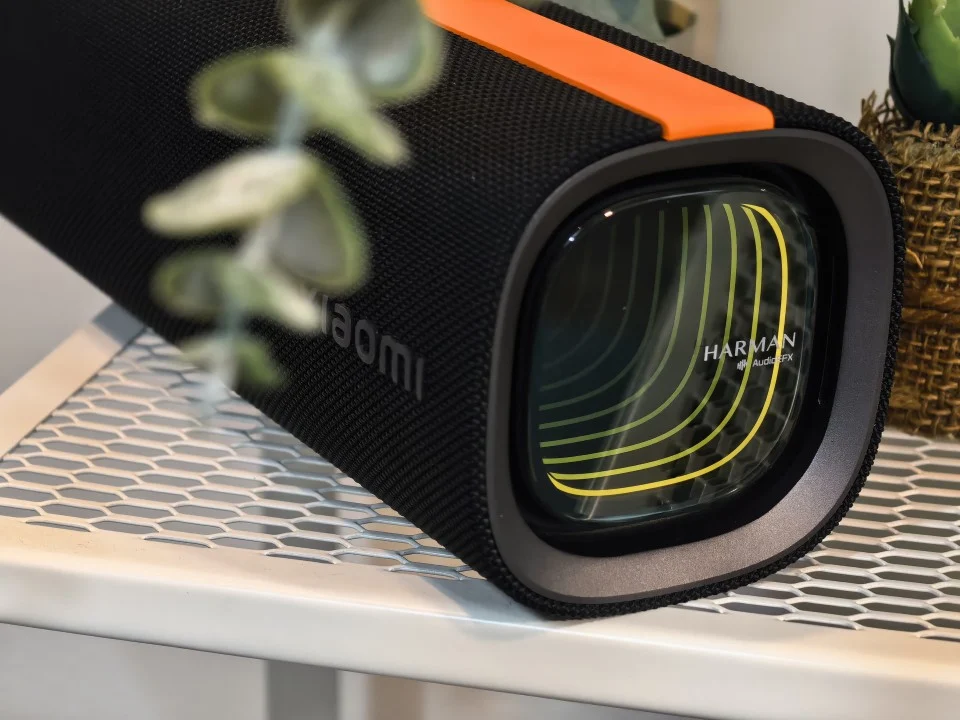
It gets even more interesting when you turn it on. The sides—which are also the speaker’s passive radiators—show this quirky 3D lighting effect. Seeing it feels like I’m back to my high school science project that blended the use of lights and mirrors to simulate this optical illusion of looking into a wormhole or something.
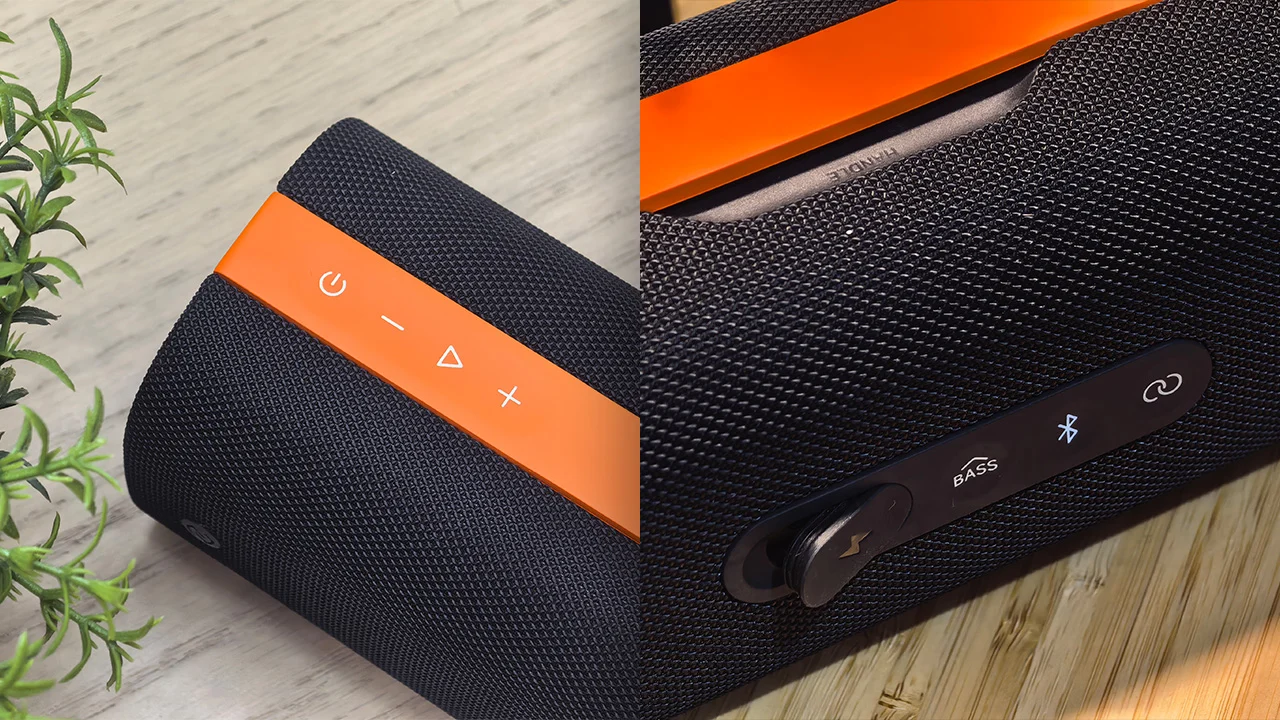
For buttons and ports, found on the orange strip are the power button alongside the volume +/- and play/pause buttons. At the rear, there’s the USB-C port with a cover, and beside it are buttons for enhancing bass, as well as Bluetooth and TWS pairing. They’re all backlit, by the way, except the rear buttons that only light up when activated.
Notably, it is IP67-rated that offers strong dust and water resistance. Not gonna lie, this speaker has been to different pools and beaches already. And I like the fact that I can comfortably bring it anywhere knowing that it won’t get easily damaged by the elements.
Connectivity and Features
Connectivity-wise, the Xiaomi Sound Party supports Bluetooth 5.4 and NFC fast-pair.
At first, I wasn’t really able to pair the device via NFC, but my phone was quick enough to detect and pair with the speaker, so it wasn’t much of a hassle. The NFC fast pair still worked, but only after I figured out that you need to press the Bluetooth button first, then tap your phone near the NFC icon on the front side.
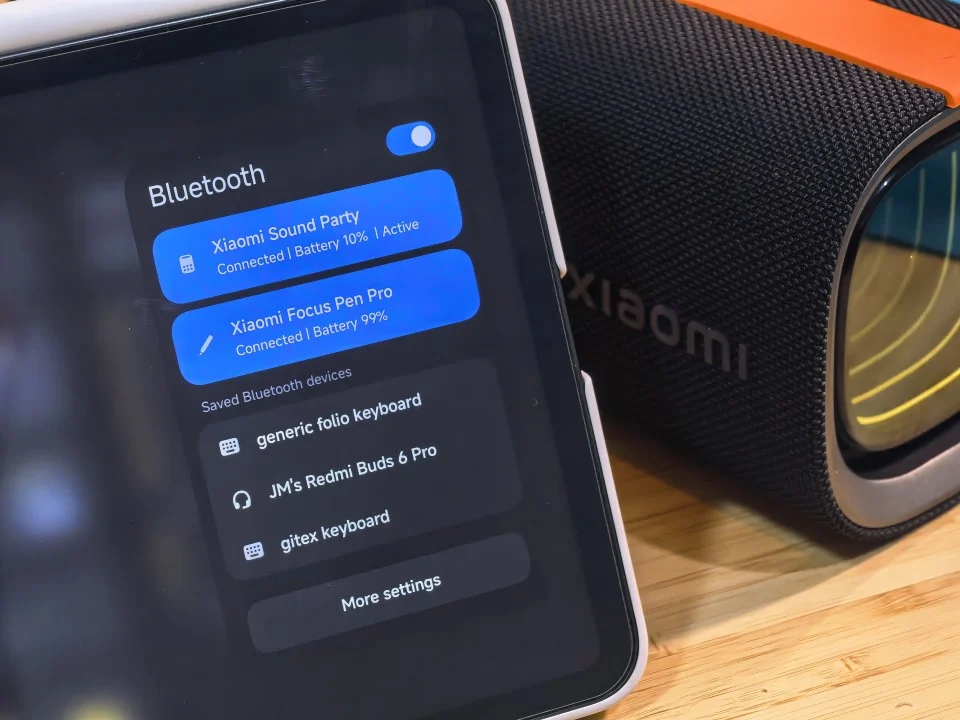
The speaker also support TWS (True Wireless Stereo) pairing and the so-called “Party Connect” where it allows you to connect multiple Xiaomi Sound Party units (up to 100) and play music simulteneously. Since, I don’t have that much units extra, let alone a second one, I couldn’t test if that actually works. I guess that’s where the term “Sound Party” was derived from? I’m just overanalyzing it at this point.
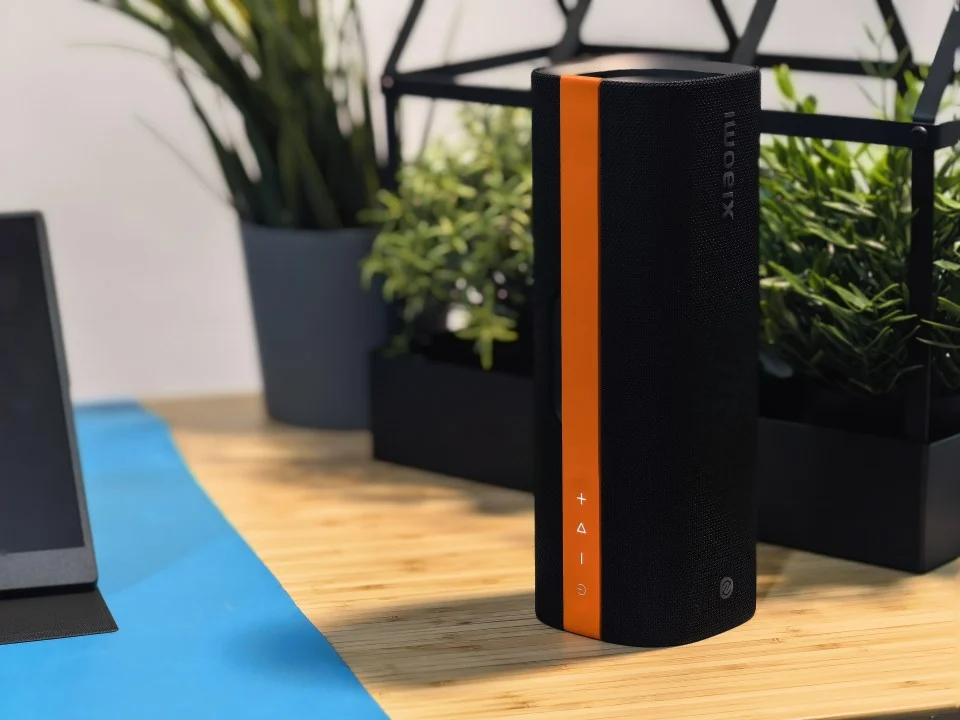
Pressing the power button once actually lets you cycle through different colors of the 3D lighting effect. Unfortunately, it’s not as dynamic as Xiaomi claims it to be since it’s just static lighting and does not respond to music at all. I usually just turn it off to extend battery life by double pressing the power button. But hey, if you’re all about that party vibes, then by all means, turn it on whenever you’d like.
Not to mention, the speaker has a built-in microphone, which I think is best for those abrupt phone calls.
Sound Quality
Let’s finally talk about the sound quality, and as far as I’m concerned, my listening experience with the Xiaomi Sound Party has been amazing.
It has an overall output of 50W with 15W tweeter and 35W woofer. The audio output covers substantial amount of bass with detailed highs that doesn’t bleed over to the mids, making the audio quality balanced overall. Plus, it can also get really loud which works well even in open spaces.
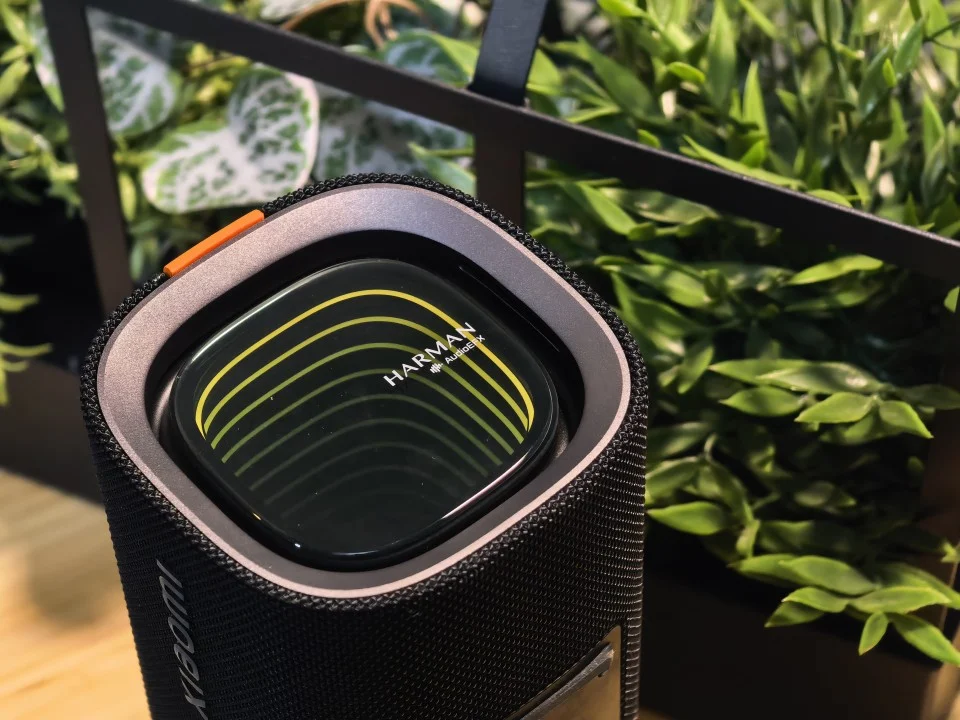
There’s the “enhance boost” toggle which is pretty much self-explanatory, but I generally prefer it turned off since it already outputs punchy bass.
Where it probably lacks big is the audio codec. It only offers the basic SBC codec, unlike the more expensive ones with support for AAC, aptX, or even LDAC codecs. This essentially means that audio quality is not as lossless, and the latency here is typically higher which sometimes causes a slight audio delay when gaming for example.
Well, in terms of gaming, I mainly used the speaker to play on my Nintendo Switch, and so far, I haven’t really noticed the delay in audio transmission. For audiophiles out there, I just know that you all can hear the difference between a basic and an advanced audio codec support. I’m no audio expert, but for an average listener like me, the audio fidelity coming out of this thing is incredibly good nonetheless.
Battery Life
Battery life is probably my most favorite thing about the Xiaomi Sound Party—It is solid.
It packs a 5200mAh battery capacity, and based on my actual testing, continuous music playback lasted around 20 hours and 38 minutes. That’s close to what Xiaomi claims of about 26 hours battery life at 50% volume, with bass boost and 3D lights turned off.
My mistake was keeping the lights on during the test, so in ideal conditions, it would’ve probably lasted over, if not equal, to 26 hours.
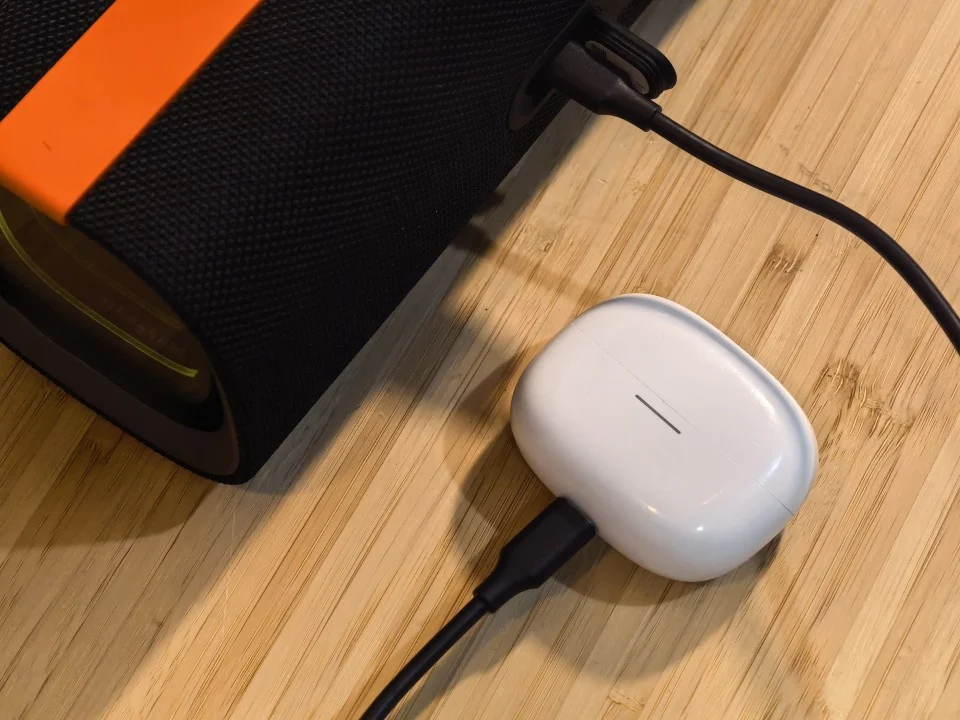
When it comes to charging, it has PowerDelivery support but charging it to full takes about four hours, so it’s not really fast charging, so to speak. Furthermore, it also supports 15W of reverse wired charging, which I actually find useful, being able to charge my other accessories if needed.
Conclusion
The Xiaomi Sound Party honestly feels like the kind of speaker that makes you question why some brands charge way more for basically the same casual listening experience.
No, it’s not perfect. The SBC-only codec is probably the biggest reminder that this is still a budget speaker. But once the music starts playing, it becomes surprisingly hard to care about this major compromise.
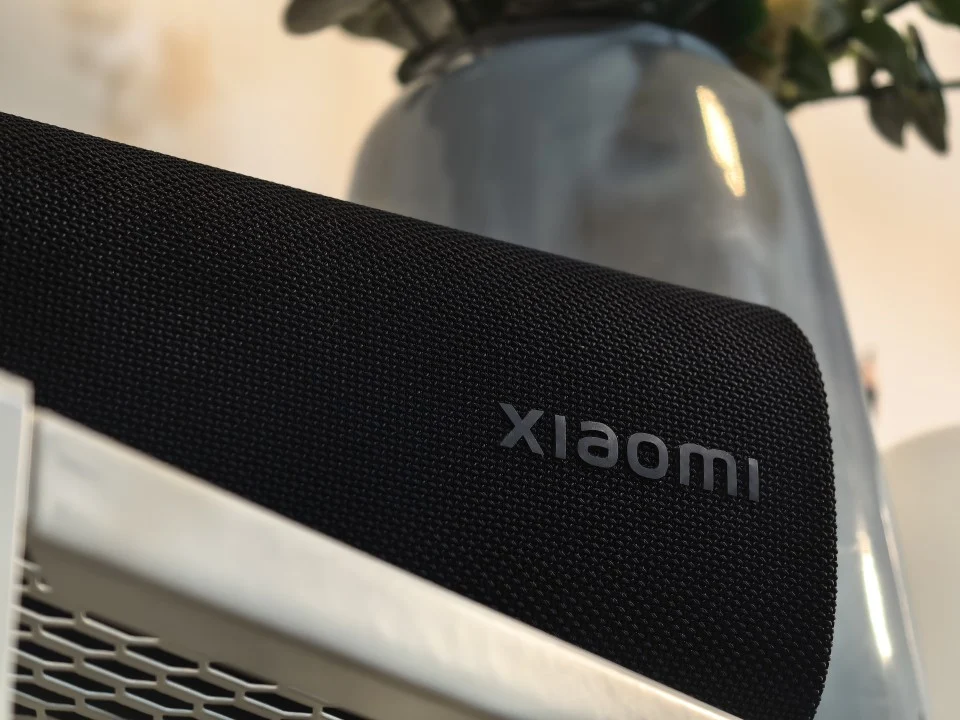
For something we got at around Php2,700 (retail price is PHP 4,699), the sound quality here is legitimately impressive, and what surprised me most is that it never gave off that “pwede na” kind of experience that budget speakers usually have. Instead, it feels weirdly confident at what it does (as if Xiaomi knew exactly where to cut corners and where not to).
If I have to choose, would I pick this over premium JBL or Bose speakers? Probably not (if budget was never an issue). But considering how much cheaper this is, the Xiaomi Sound Party gets uncomfortably close to making that comparison valid in the first place, and I think that says enough.
What we liked:
- Sleek design, compact build
- Impressive audio quality
- Long battery life
What we didn’t like:
- Slow charging speed
Xiaomi Sound Party specs:
50W overall output
15W tweeter + 35W woofer
25 meter transmission distance
5200mAh Li-ion battery
USB-C
IP67 dust and water resistance
Bluetooth 5.4,
NFC, TWS pairing
SBC audio codec
Supports built-in mic
255 x 92 x 92mm (dimensions)
~1200g (weight)
Black (colorway)



0 Comments
Leave a Reply