
It’s 2026, let’s establish the bare minimums for in-car tech with five features that should be standard.
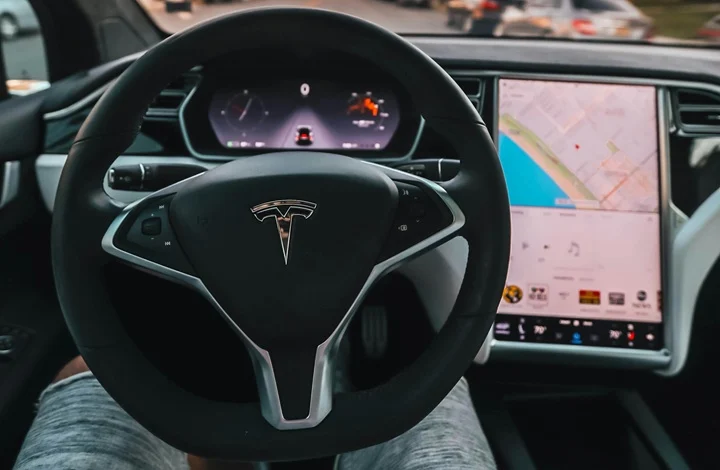
It’s easy to get lost in the sauce or blinded by all of the tech features available in new cars today. Spec sheets are as long as ever, and it seems like there is a new car every week. The industry is on fire, churning out new models as if they were smartphones and wireless earbuds.
Back then, things were simpler; all you needed to know was if it had FM or AM radio, a CD player or changer, or perhaps an AUX cord. Snazzier models would have come with iPod or iPhone connectivity or even Bluetooth—but that was before, and this is now. So, to help you navigate the fun-filled world of automotive tech, I’ve assembled a list of 5 tech features cars should have in 2026.
Apple CarPlay and Android Auto
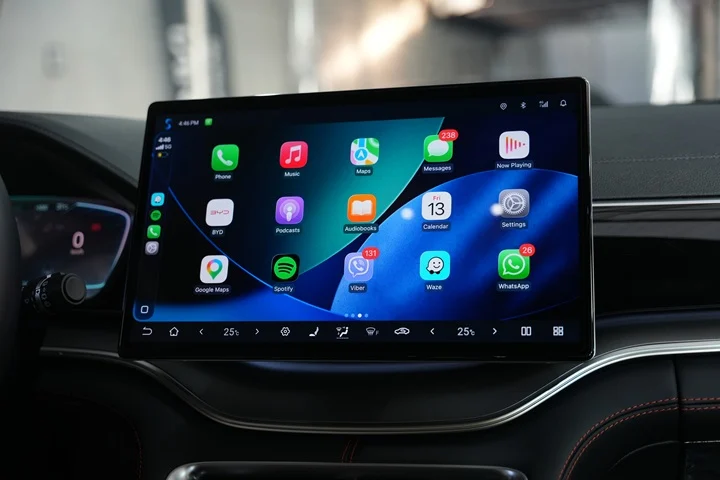
To me, Apple CarPlay and Android Auto are non-negotiables, even if either is only wired. While I appreciate the effort of many manufacturers to streamline the user interface (UI) of their infotainment systems, functionality remains lacking. Of course, various settings and vehicle modes are more often than not behind several menus in the infotainment screen, but their usefulness only lasts a moment before you click “home.” There’s nothing worse than a car that has a 12-plus-inch touch screen infotainment system with no smartphone pairing functions whatsoever.

There was a time when Android Auto wasn’t available in the country. Think back to 2016, when the feature was region-locked and had to be downloaded from the Google Play Store. Now, it’s standard in every Android OS device, so why isn’t it standard in most infotainment systems now? Apple CarPlay has been in the Philippines longer, thanks to the vertical integration of Apple; all iPhones were able to take advantage of the feature earlier than Android users (well, officially anyway).

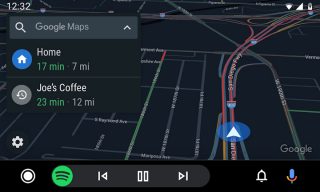
Map data, media playback, media controls, notifications, and voice assistants are only some of the features that these smartphone pairing functions offer, and what’s cool about them is that they almost eliminate the need for a phone mount in the car. This allows you to keep your hands on the wheel and away from your phone while being able to take in navigation information at a glance.
USB ports or Qi Wireless Charging
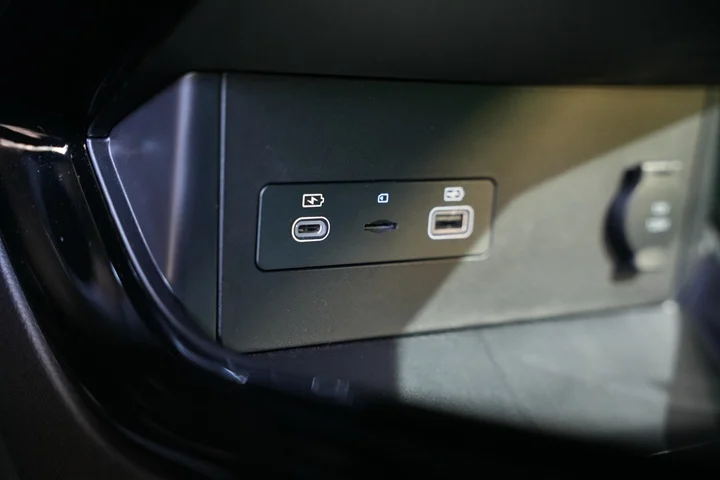
In tandem with Apple CarPlay and Android Auto, USB ports are an essential item in most modern cars. If you’re the driver, you’ll also need these ports to connect to the infotainment system and charge your phone. It’s also nice to have multiple ports just in case some of your passengers need to top up while riding. This also almost entirely eliminates the need for a separate 12-volt charging adapter. That is, of course, if you demand one that charges fast.
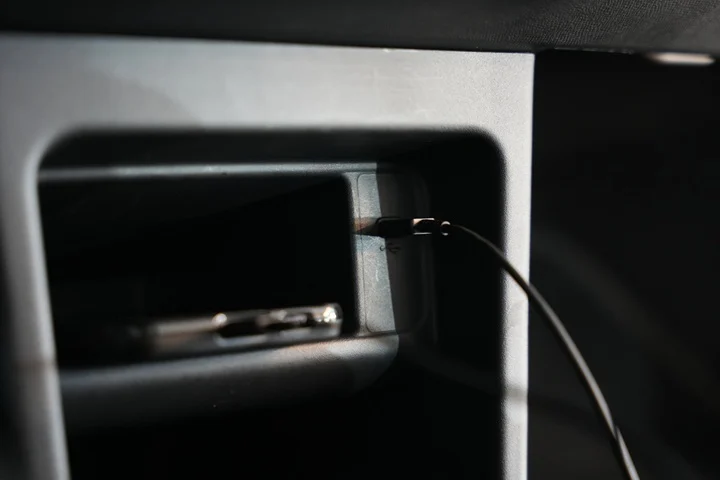
There is one question, however: “Is USB-A okay? Or should it be USB-C?” Personally, I have both with me at all times, but as a tech nerd, I almost always (well, nowadays) carry a USB Type-C cord with me. USB Type-A has slipped to the back of my tech bag, Most USB charging ports in cars nowadays are at the very least 2.4 amps, or about 5 to 10 Watts. More modern cars’ USB ports can achieve fast charging speeds of about 15 Watts, but some premium cars and EVs are capable of charging at up to 60 Watts or more, depending on the device. In my experience, I was able to charge my laptop a number of times, and when your gadgets are as power-hungry as mine, you’ll know how much of a godsend a fast Type-C port can be.
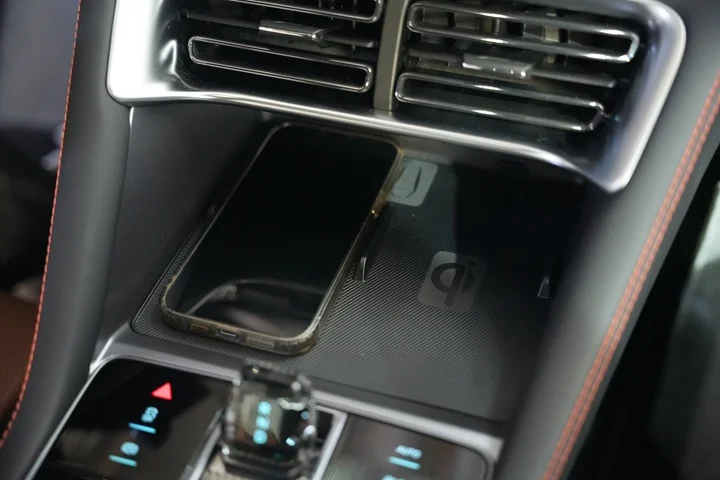
Wireless charging is a hit or miss. If a vehicle comes with Wireless CarPlay and/or Wireless Android Auto, then it makes sense for it to have a wireless charging pad in the cabin. However, if there is a wireless charger, and wired CarPlay or wired Android Auto, then I’d consider that to be a bit of an oversight. Still, if you were to ask me, a non-negotiable is at least a USB charging port.
Reverse Camera or 360-degree camera

It’s 2026, and back glasses aren’t getting any smaller. There was a time when vehicle design was centered around usability and practicality. I remember when rearward visibility was not an issue. However, vehicles are now getting sleeker and sleeker. More fastback designs and swooping rooflines have necessitated reverse cameras—and produced a generation of drivers that can’t live without them.
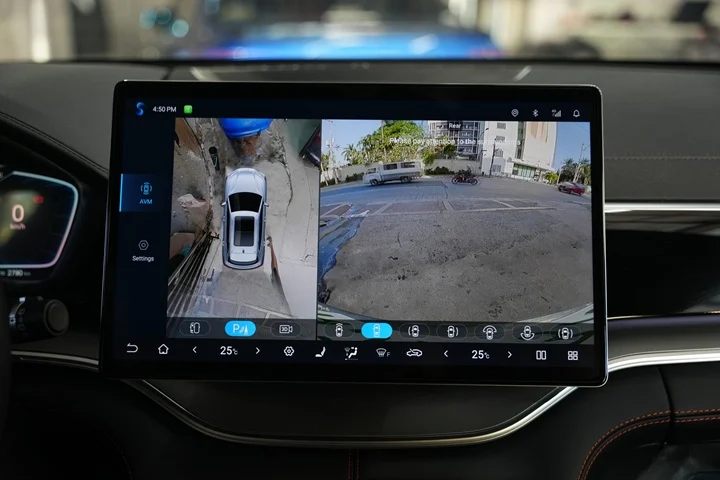
Of course, you can argue that a 360-degree camera system is better, and that’s the tech that we want to see in every car in 2026. Though I appreciate a good around-view monitor (or whatever the brand wants to call it), the bare minimum in 2026 is at least a reverse camera. Again, we go back to that infotainment screen. If you’re not using it to display anything other than the main menu, then what is it truly for?
Rear-view cameras equate to added peace of mind. They’ll save you time and instill confidence in you every time you park. In fact, retrofitting a backup-cam-ready infotainment system with a reverse camera is a common practice among car owners in the Philippines, with some companies coming out with a 360-degree kit, even.
Keyless Entry and Push Button Start
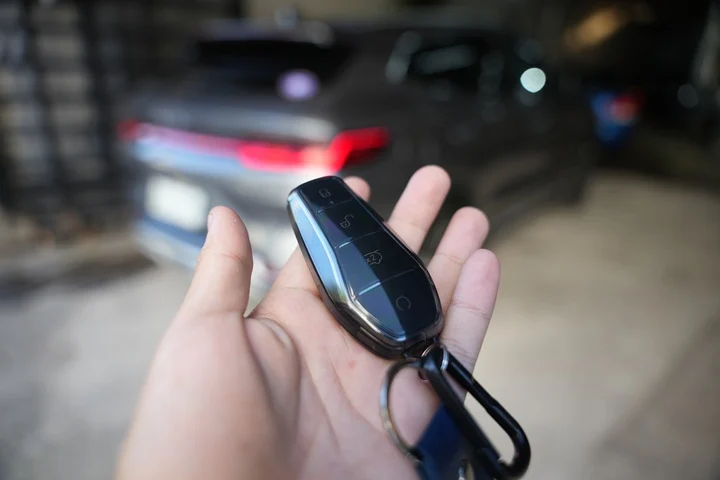
Otherwise known as “smart key,” depending on which brand you ask. Does anyone still remember when keys were actually “keys?” You know, that metal thing that you put in the hole and twist? Yeah, that one. Nowadays, car “keys” are at least plastic fobs with buttons on them. Either that or it’s a key card, more advanced still, can take the form of a small smartphone, as is the case with BMW and its extremely expensive option with a touch screen.


Anyway, once you go smart key, it’s hard to quit cold turkey. Car keys have come a long way. Now, a key does more than just unlock your car from a distance. It can also start your car, assuming it has remote start. It can also allow you to roll down the windows from a distance, and of course, start the car without ever leaving your pocket. Keyless entry is pretty much standard with most cars released in 2026. It’s only the more affordable cars or variants that come with a key blade or flip key.
Automatic Emergency Braking or Forward Collision Mitigation
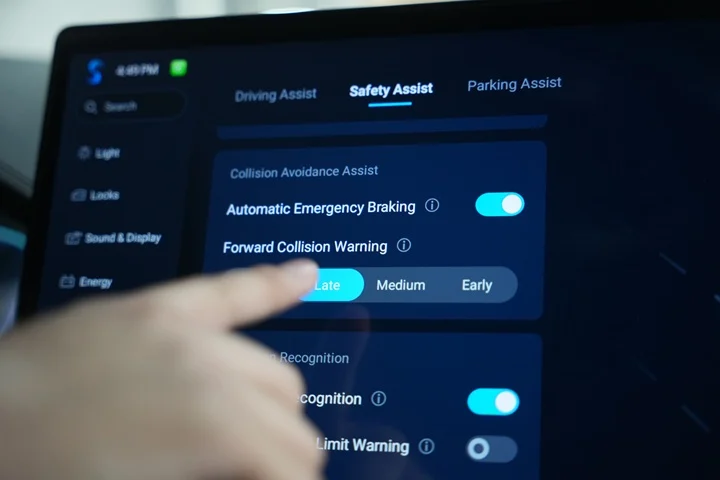
Now, this may be a feature that’s out of reach for the most affordable cars out there, but if you’re paying over a certain price point, it’s not unreasonable to want your car to have certain safety features. Forward Collision Mitigation, also known as and/or paired with Automatic Emergency Braking, is a lifesaver. It’s there when you need it, and because of how tight and unpredictable Philippine roads can be, it’s definitely something that you should be looking for if you’re combing through spec sheets.
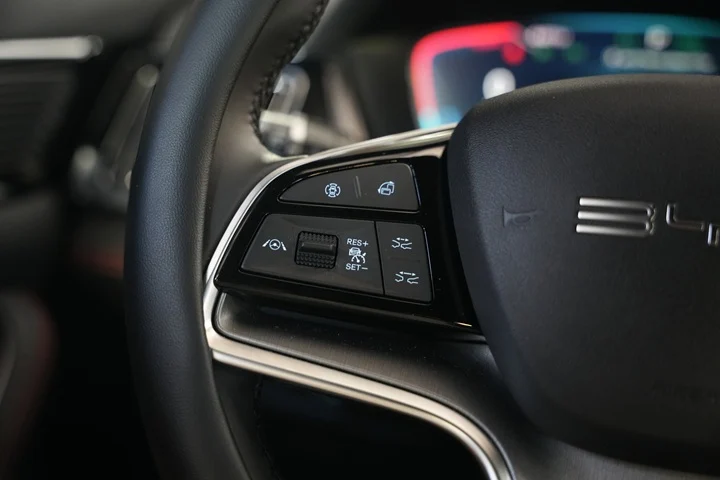
Usually, this feature comes bundled with adaptive cruise control, which is the headline feature for most brands. However, some cars can come with collision mitigation only and none of the adaptive stuff. I consider adaptive cruise control a bonus and not a non-negotiable. It’s nice to be able to relax a little on a long drive, but if you ask me, it’s better if the car itself can prevent a crash before it happens.




0 Comments
Leave a Reply