
The Bangko Sentral ng Pilipinas (BSP) clarified that it never required banks and e-wallets to waive digital fund transfer fees, despite issuing Circular No. BSP implemented Circular 1238 last July 4, 2026, requiring that any gap between intrabank and interbank transfer fees only reflect the cost of routing a transaction through a payment network. Circular 1238 states that its pricing mechanism should "uphold fairness across end-user groups." This means electronic payment fees should stay lower than fees for manual or over-the-counter transactions. He explained that banks can absorb zero fees since they earn from lending and insurance, while e-wallets rely more heavily on transaction fees to stay afloat, including services for unbanked communities in remote island barangays. The Bangko Sentral ng Pilipinas (BSP) has introduced new rules aimed at making electronic payment fees fairer and more transparent, while also lifting the moratorium on increases in InstaPay and PESONet transaction charges. The central bank also emphasized that digital payment fees are expected to be lower than charges for manual or over-the-counter transactions because electronic channels are generally more efficient and cost-effective to operate. Finance Secretary Frederick Go also expressed support for lower digital transaction costs, noting that some transfer fees can still reach as high as PHP 50. Read more in our articles including "BSP clarifies bank transfers need not be free" and "Banks, e-wallets face new BSP rules on digital payment fees".
The Bangko Sentral ng Pilipinas (BSP) clarified that it never required banks and e-wallets to…
Aug 1, 2026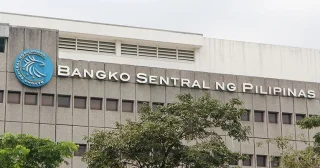
The Bangko Sentral ng Pilipinas (BSP) has introduced new rules aimed at making electronic payment…
Jun 19, 2026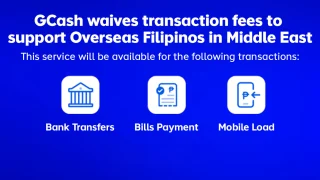
GCash has announced a temporary waiver of transaction fees for overseas Filipino workers (OFWs) in…
Mar 9, 2026
We take a look at some of the readily available virtual wallet apps you can…
Dec 16, 2018
BPI has announced that it has postponed the implementation of its Peso cash deposit and…
Jul 4, 2018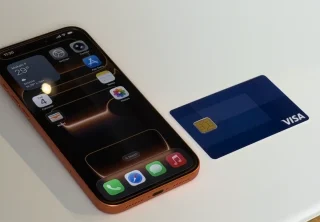
Apple Pay is now available in the Philippines. Initial issuing banks include GoTyme, MetroBank, Union…
Aug 4, 2026The Bangko Sentral ng Pilipinas (BSP) clarified that it never required banks and e-wallets to waive digital fund transfer fees, despite issuing Circular No. BSP implemented Circular 1238 last July 4, 2026, requiring that any gap between intrabank and interbank transfer fees only reflect the cost of routing a transaction through a payment network.
Circular 1238 states that its pricing mechanism should "uphold fairness across end-user groups." This means electronic payment fees should stay lower than fees for manual or over-the-counter transactions. He explained that banks can absorb zero fees since they earn from lending and insurance, while e-wallets rely more heavily on transaction fees to stay afloat, including services for unbanked communities in remote island barangays. The Bangko Sentral ng Pilipinas (BSP) has introduced new rules aimed at making electronic payment fees fairer and more transparent, while also lifting the moratorium on increases in InstaPay and PESONet transaction charges.
Our coverage of e-wallet transaction fees includes: "BSP clarifies bank transfers need not be free"; "Banks, e-wallets face new BSP rules on digital payment fees"; "GCash waives transaction fees for OFWs in Middle East". Each article provides unique insights and information.