
Philippine banks are now beginning to shift from ATM cards with magnetic strip technology to those with EMV chips to further prevent ATM theft. EMV stands for Europay, MasterCard and Visa. EMV cards have chips embedded inside them which contain information required to authenticate credit and debit card transactions (see Wikipedia for more info). "The difference between the two is that the information in the magnetic strip is static and permanent, and hence, easy to copy, while EMV chip is more dynamic. 808 that would require all banks in the country to use EMV cards by January 2017. It would be a costly move as ATMs need to be replaced as well to accommodate EMV Cards. Banks are also looking at further limiting the limits on ATM withdrawals. The banks are now thinking of limiting the limits of ATM withdrawals," said Rene Natividad, vice president for operations of Bancnet. Read more in our articles including "Banks shift to EMV-based ATM cards to prevent cloning" and "China Bank Non-EMV ATM cards to be deactivated on April 30".
Philippine banks are now beginning to shift from ATM cards with magnetic strip technology to…
Feb 27, 2014
China Bank Philippines has announced that its non-EMV ATM cards will be deactivated on April…
Apr 21, 2017Contrary to what was previously reported, local financial institutions are reported to make the switch…
Jan 27, 2015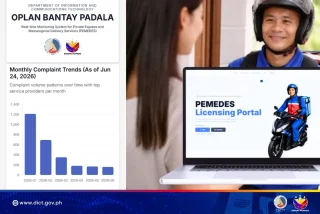
The Department of Information and Communications Technology (DICT) reported a significant decline in courier-related complaints,…
Jun 25, 2026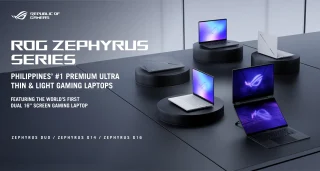
The top model in the lineup is the ROG Zephyrus Duo GX651AX, described by ASUS…
Jun 25, 2026
Insta360 has officially launched the Luna Ultra in the Philippines. The camera is co-engineered with…
Jun 24, 2026Philippine banks are now beginning to shift from ATM cards with magnetic strip technology to those with EMV chips to further prevent ATM theft. EMV stands for Europay, MasterCard and Visa.
EMV cards have chips embedded inside them which contain information required to authenticate credit and debit card transactions (see Wikipedia for more info). "The difference between the two is that the information in the magnetic strip is static and permanent, and hence, easy to copy, while EMV chip is more dynamic. 808 that would require all banks in the country to use EMV cards by January 2017.
Our coverage of emv atm includes: "Banks shift to EMV-based ATM cards to prevent cloning"; "China Bank Non-EMV ATM cards to be deactivated on April 30"; "PH Banks May Shift to EMV-based Cards Earlier Than Expected". Each article provides unique insights and information.