

signed into law the Digital Services Act (likewise known as Republic Act No. 12023 or the Value-Added Tax on Digital Services Law) which aims to expand the existing 12% VAT to digital service providers. RA 12023 amends the National Internal Revenue Code of 1997 (Tax Code) to include digital service providers (DSPs) under the VAT regime. The coverage includes all digital services consumed in the Philippines by digital service providers regardless of whether the service provider is local or foreign. The 12% VAT on digital services will finally be implemented starting June 1, 2025. The law is not a new tax but a measure to close gaps in the tax system caused by the digital economy’s rapid growth. It ensures that foreign digital platforms contributing to the Philippine market pay their fair share of taxes, promoting fairness and competition. The government also allocates 5% of the VAT collected from digital services over five years to support the local creative industry, and hopefully help Filipino digital creators. Read more in our articles including "Digital Services Act of 2025 Explained" and "Western Digital Around the World Contest".

In October 2024, Pres. Ferdinand Marcos Jr. signed into law the Digital Services Act (likewise…
May 7, 2025Our friends from Western Digital in the region is holding another contest and I’d like…
Jan 4, 2012
Insta360 has officially launched the Luna Ultra in the Philippines. The camera is co-engineered with…
Jun 24, 2026
After being spotted in Lazada, the Infinix HOT 70 is now available in the Philippines.…
Jun 24, 2026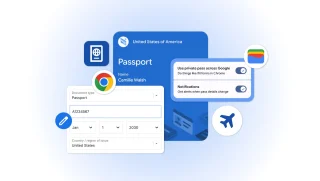
Google has announced new updates to Chrome Autofill. With this feature, it brings support for…
Jun 24, 2026
The Cybercrime Investigation and Coordinating Center (CICC) has ordered the temporary blocking of the game…
Jun 23, 2026signed into law the Digital Services Act (likewise known as Republic Act No. 12023 or the Value-Added Tax on Digital Services Law) which aims to expand the existing 12% VAT to digital service providers.
RA 12023 amends the National Internal Revenue Code of 1997 (Tax Code) to include digital service providers (DSPs) under the VAT regime. The coverage includes all digital services consumed in the Philippines by digital service providers regardless of whether the service provider is local or foreign. The 12% VAT on digital services will finally be implemented starting June 1, 2025.
Our coverage of EU digital regulations includes: "Digital Services Act of 2025 Explained"; "Western Digital Around the World Contest"; "Insta360 Luna Ultra launched, priced in the Philippines". Each article provides unique insights and information.