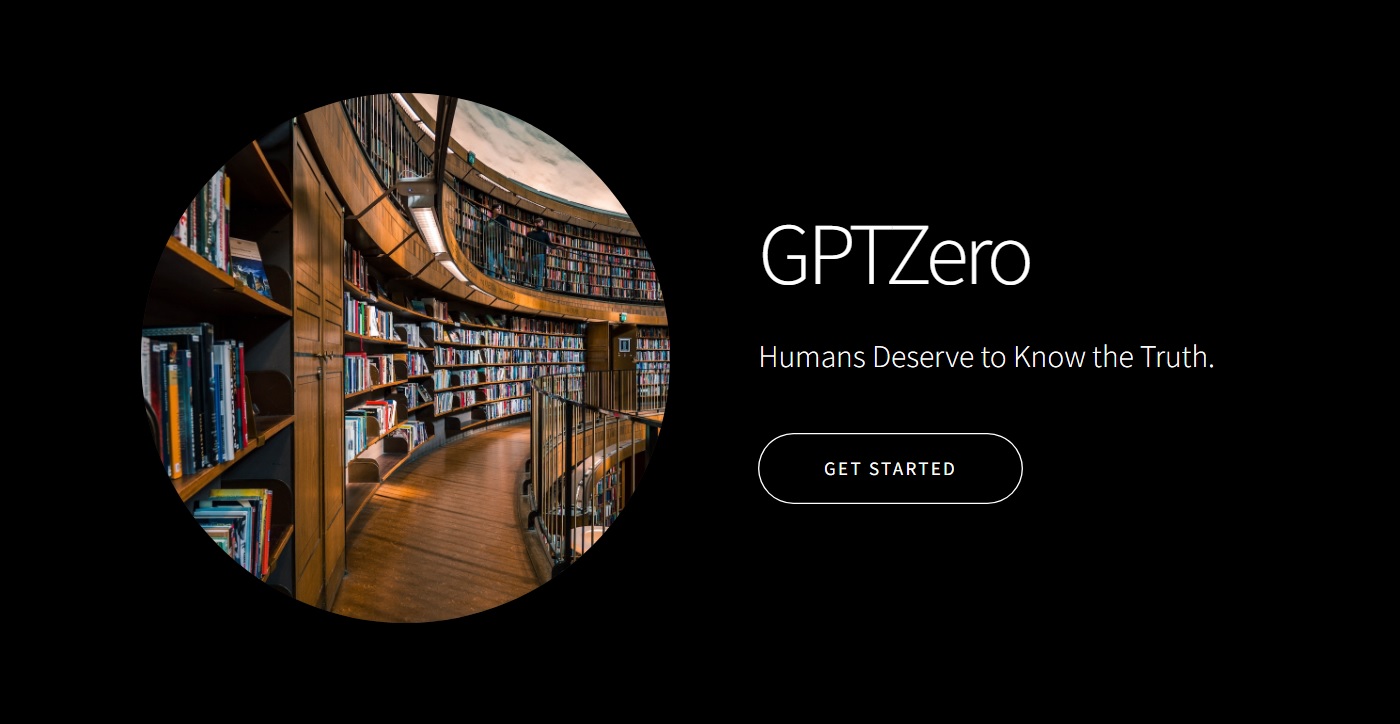

GPTZero, an app made by Princeton student Edward Tian, has recently gone viral on Twitter for its alleged capability of detecting whether an essay is written by a human or by ChatGPT. In the same Twitter thread, Tian provides a demo of how GPTZero works: [embed]https://twitter.com/edward_the6/status/1610067826563321856[/embed] [embed]https://twitter.com/edward_the6/status/1610068262758260736[/embed] As seen on the demo, GPTZero uses "perplexity" and "burstiness" to find out whether text was written by AI or by a human. Read more in our articles including "Princeton student develops app that can detect ChatGPT-written text" and "Microsoft extends Windows 10 lifespan for another year... again".

ChatGPT may have met its match. GPTZero, an app made by Princeton student Edward Tian,…
Jan 9, 2023
Despite Microsoft’s aggressive push to transition users onto Windows 11, a massive chunk of the…
Jun 26, 2026
Marking its 10th anniversary alongside National ICT Month, the Department of Information and Communications Technology…
Jun 26, 2026
After the teaser video released recently, we’ve finally seen what the Nothing Phone (4b) will…
Jun 26, 2026
The Philippines is stepping up its digital defenses with a new centralized hub designed to…
Jun 26, 2026
We’ve written about it in May, but we’re happy to report that the HUAWEI Watch…
Jun 26, 2026GPTZero, an app made by Princeton student Edward Tian, has recently gone viral on Twitter for its alleged capability of detecting whether an essay is written by a human or by ChatGPT. In the same Twitter thread, Tian provides a demo of how GPTZero works: [embed]https://twitter.com/edward_the6/status/1610067826563321856[/embed] [embed]https://twitter.com/edward_the6/status/1610068262758260736[/embed] As seen on the demo, GPTZero uses "perplexity" and "burstiness" to find out whether text was written by AI or by a human.
Our coverage of gptzero princeton includes: "Princeton student develops app that can detect ChatGPT-written text"; "Microsoft extends Windows 10 lifespan for another year... again"; "DICT launches "eGov App on Wheels" for remote, hard-to-access areas". Each article provides unique insights and information.
Our article "Princeton student develops app that can detect ChatGPT-written text" published on January 9, 2023 covers the latest information about gptzero princeton. Check it out for the most current details.