

Back in 2017, Razer started the high refresh rate display trend for smartphones with its release of the original Razer Phone. If most displays have a 60hz refresh rate, what's the benefit of going even higher? Most people who have never experienced higher refresh rate displays are often skeptical, mainly because their existing screens already got the job done. Aside from that, higher refresh rate displays also reduce screen tearing when there are sudden animations since the display offers more frames to sync with the images rendered by the GPU. There's another spec that uses the same metric hertz, and that's the touch refresh rate. Images are fluid enough not to appear choppy, and it's cheaper to manufacture. Also, the higher the refresh rate a display has, the more power it consumes. Moving onto higher refresh rate displays does seem to be the natural course for smartphones. While higher refresh rate displays offer tangible, quality of life benefits, it's not something that users should be gunning for. That being said, if you've already used a higher refresh rate display, going back to 60Hz may be a painful experience. Once your eyes have adjusted to the fluidity of higher refresh rate displays, the standard 60Hz will never be the same. Read more in our articles including "Do we need higher refresh rate displays on smartphones?" and "Our Top 10 Smartphones under Php15k for 2013".
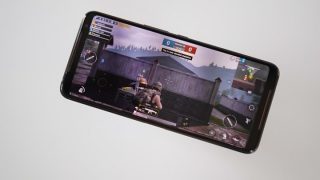
Back in 2017, Razer started the high refresh rate display trend for smartphones with its…
Feb 19, 2020If you’re on a tight budget on getting your new smartphone and you want the…
Oct 24, 2013At present, there are a lot of smartphones to choose from and it’s really getting…
Jul 19, 2013Full-HD smartphones or smartphones with large 1080p resolution screens are slowly making their presence known.…
Dec 26, 2012
A new school year means new projects, research papers, presentations, and online learning tasks. Whether…
Jun 14, 2026
With the announcement of the Xiaomi 17T series today, those hoping to upgrade from last…
May 29, 2026Back in 2017, Razer started the high refresh rate display trend for smartphones with its release of the original Razer Phone. If most displays have a 60hz refresh rate, what's the benefit of going even higher?
Most people who have never experienced higher refresh rate displays are often skeptical, mainly because their existing screens already got the job done. Aside from that, higher refresh rate displays also reduce screen tearing when there are sudden animations since the display offers more frames to sync with the images rendered by the GPU. There's another spec that uses the same metric hertz, and that's the touch refresh rate. Images are fluid enough not to appear choppy, and it's cheaper to manufacture. Also, the higher the refresh rate a display has, the more power it consumes.
Our coverage of higher refresh smartphones includes: "Do we need higher refresh rate displays on smartphones?"; "Our Top 10 Smartphones under Php15k for 2013"; "Our Top 10 Smartphones Under Php20k as of mid-2013". Each article provides unique insights and information.