

The question now is what screen protector to use. So far I'm seeing three kinds of screen protection being sold in the market: standard plastic film, glass, and the liquid-type. If you want something that can last longer than a plastic screen protector, the glass type, or commonly known as tempered glass, is your next bet. However, they're thicker and not as flush compared to the plastic screen protector. Another alternative to the plastic and glass screen protectors is the liquid type. What it does is it treats your phone's screen with a special liquid, making it resistant to scratches and damages. Its advantage over the plastic and glass type screen protectors is that it can be easily applied even to screens with curves, glass back rears, or other devices with small screens like smartwatches. For those devices with glasses with tricky dimensions and don't have screen protectors custom made for them, the liquid type is the better fit. Read more in our articles including "What screen protection are you using on your smartphone?" and "Nokia Liquid Phone Concept".

The screen is one of the largest and most prominent parts of a smartphone and…
Jul 9, 2018The hardest part with transitioning from a phone with a physical keypad to a virtual…
Oct 11, 2008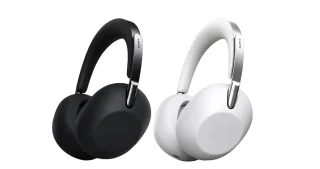
Sony Philippines has officially launched the 1000X THE COLLEXION in the country, marking the latest…
Jul 2, 2026
Something different just came in the mail, and it’s not a smartphone, not a tablet,…
Jul 1, 2026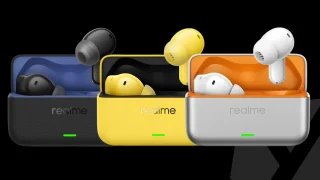
realme has launched the Buds T500 Pro in the Philippines with a suggested retail price…
Jun 19, 2026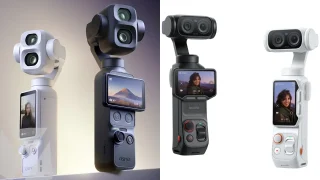
DJI and Insta360 have taken their rivalry to court, with both companies filing patent infringement…
Jun 19, 2026The question now is what screen protector to use. So far I'm seeing three kinds of screen protection being sold in the market: standard plastic film, glass, and the liquid-type.
If you want something that can last longer than a plastic screen protector, the glass type, or commonly known as tempered glass, is your next bet. However, they're thicker and not as flush compared to the plastic screen protector. Another alternative to the plastic and glass screen protectors is the liquid type.
Our coverage of liquid screen protector includes: "What screen protection are you using on your smartphone?"; "Nokia Liquid Phone Concept"; "Sony 1000X THE COLLEXION now available in the Philippines". Each article provides unique insights and information.