


Phishing Phishing, not to be confused with fishing but is similar to it in a way, is a method of obtaining sensitive information such as account details and credit card details by planting malware in websites, emails, and programs. We've also written ways to spot phishing site, and ways to prevent catfishing just in case you're interested. Phishing, not to be confused with fishing but is similar to it in a way, is a method of obtaining sensitive information such as account details and credit card details by planting malware in websites, emails, and programs. Hover your mouse over it and check if the address that pops-up is the same as the address in the link. If they're different, then you would most probably be either redirected to a phishing site or it would download malware once you click it. Threats or Warnings One of the most famous methods of phishing used by cybercriminals is to put fear into their victim's minds. Urgency In conjunction with threat or warnings, Phishing messages and emails would have a sense of urgency in them. More #makeITsafePH security tips: 5 ways to spot a Phishing Site from a Mile Away 10 Email Tips to Keep Away from Spam How to Manage Internet Use for your Children How to Clean your PC from Malware 6 Internet Security Tips in The Workplace How to Keep Safe when using Public or Free WiFi 4 Signs Your Online Accounts May Have Been Compromised Read more in our articles including "Most Common Online Scams in the Philippines" and "5 ways to spot a Phishing Site from a Mile Away".

With the advent of technology, the internet has also become a haven for crooks and…
Jul 18, 2020
Phishing, not to be confused with fishing but is similar to it in a way,…
Sep 29, 2017
A new school year means new projects, research papers, presentations, and online learning tasks. Whether…
Jun 14, 2026
With the announcement of the Xiaomi 17T series today, those hoping to upgrade from last…
May 29, 2026
Inflation is now (May 2026) at 7.2%, electricity rates at Php14.33/kWhr, and gas prices through…
May 28, 2026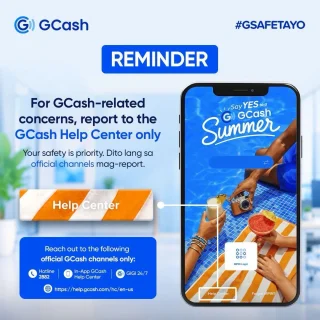
GCash has expanded its in-app help tools and security features to address a growing number…
May 22, 2026Phishing Phishing, not to be confused with fishing but is similar to it in a way, is a method of obtaining sensitive information such as account details and credit card details by planting malware in websites, emails, and programs. We've also written ways to spot phishing site, and ways to prevent catfishing just in case you're interested.
Phishing, not to be confused with fishing but is similar to it in a way, is a method of obtaining sensitive information such as account details and credit card details by planting malware in websites, emails, and programs. Hover your mouse over it and check if the address that pops-up is the same as the address in the link. If they're different, then you would most probably be either redirected to a phishing site or it would download malware once you click it. Threats or Warnings One of the most famous methods of phishing used by cybercriminals is to put fear into their victim's minds.
Our coverage of phishing philippines includes: "Most Common Online Scams in the Philippines"; "5 ways to spot a Phishing Site from a Mile Away"; "Best Budget Tablets for Back-to-School 2026 | Under P10,000". Each article provides unique insights and information.