

You're transferring a file from your Windows computer to your USB flash drive or external hard drive. But all our lives, we know that the best practice for this, is to find the 'Safely Remove Hardware' or 'Eject' button in the task bar before removing our external media. Should you 'Safely Remove' your USB drives? However, the 'Safely Remove Hardware' option can show you a pop-up that says the drive is still in use, and to close all programs before removing it. At this point, it's a matter of "better safe than sorry", so if you aren't fond of hitting 'Safely Remove Hardware', then the least you can do is close all programs or windows that directly involve your external drive. -- Probably. The 'Safely Remove' option still gives you the added assurance that it's actually safe -- no more programs are using your external drive, and you're good to go. Read more in our articles including "What happens when you DON'T 'Safely Remove' your USB drive?" and "Smartphones Under P10,000 | Q2 2026".

We’ve all been here before. You’re transferring a file from your Windows computer to your…
Oct 8, 2018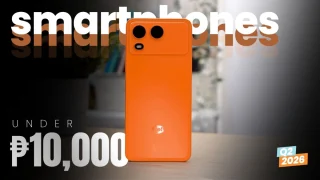
It’s that time again when we round up the latest smartphone launches here in the…
Jun 26, 2026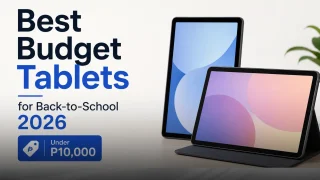
A new school year means new projects, research papers, presentations, and online learning tasks. Whether…
Jun 14, 2026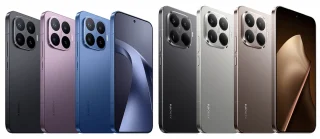
With the announcement of the Xiaomi 17T series today, those hoping to upgrade from last…
May 29, 2026
Inflation is now (May 2026) at 7.2%, electricity rates at Php14.33/kWhr, and gas prices through…
May 28, 2026
GCash has expanded its in-app help tools and security features to address a growing number…
May 22, 2026You're transferring a file from your Windows computer to your USB flash drive or external hard drive. But all our lives, we know that the best practice for this, is to find the 'Safely Remove Hardware' or 'Eject' button in the task bar before removing our external media.
Should you 'Safely Remove' your USB drives? However, the 'Safely Remove Hardware' option can show you a pop-up that says the drive is still in use, and to close all programs before removing it. At this point, it's a matter of "better safe than sorry", so if you aren't fond of hitting 'Safely Remove Hardware', then the least you can do is close all programs or windows that directly involve your external drive.
Our coverage of safely remove hardware usb flash drive includes: "What happens when you DON'T 'Safely Remove' your USB drive?"; "Smartphones Under P10,000 | Q2 2026"; "Best Budget Tablets for Back-to-School 2026 | Under P10,000". Each article provides unique insights and information.