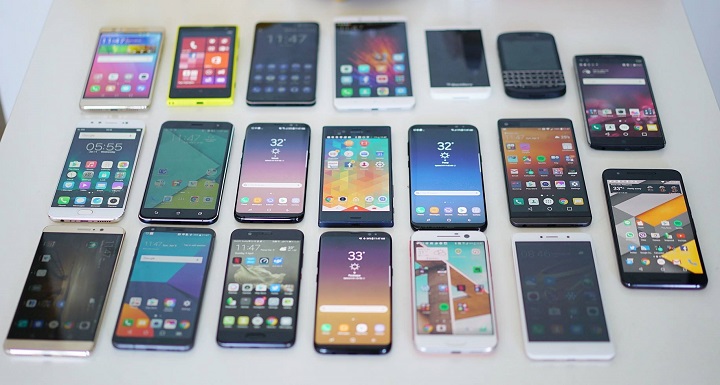

One might just look at the type of processor, the number of cores, or the amount of RAM, however, there are plenty to consider if we're looking at overall performance. Processor The processor used by a smartphone is one of the biggest contributors when it comes to its performance. Nowadays, it's no longer enough to just call them processors as they are now part of a system on a chip (SoC) that contains other components like the GPU, coprocessor, and modem - all of it working together to drive the features on your smartphone. That said, the bigger and faster the RAM, the smoother the performance especially in multi-tasking since the device still has plenty of room to run other demanding features and applications. Most smartphones in the market use eMMC chips but some high-end smartphones now use the faster UFS 2.0, like in the case of the Huawei P10. Performance-wise, a faster storage type allows devices to utilize high-end features like seamless 4K video recording and playback. But in case microSD cards are supported, make sure that you use a high-speed card (avoid using anything below Class 10) to make sure it does not impede your device's performance. Software Software plays a critical role in the performance of the device. Read more in our articles including "What contributes to smartphone performance?" and "Round-up: Top 10 Flagship Smartphones".
One of the most important factors when choosing a mobile device is how well you…
May 20, 2017If you were wondering who makes the best flagship handsets, we’ve come up with a…
Jul 31, 2012
We all know that Apple and its closed ecosystem is arguably THE best one out…
Aug 1, 2026
We’ve spent weeks using the HONOR 600 Series as our daily drivers to get a…
Jul 23, 2026
So, you just got a shiny new phone, and what’s exactly the first thing you’d…
Jul 23, 2026
A new school year means new projects, research papers, presentations, and online learning tasks. Whether…
Jun 14, 2026One might just look at the type of processor, the number of cores, or the amount of RAM, however, there are plenty to consider if we're looking at overall performance. Processor The processor used by a smartphone is one of the biggest contributors when it comes to its performance.
Nowadays, it's no longer enough to just call them processors as they are now part of a system on a chip (SoC) that contains other components like the GPU, coprocessor, and modem - all of it working together to drive the features on your smartphone. That said, the bigger and faster the RAM, the smoother the performance especially in multi-tasking since the device still has plenty of room to run other demanding features and applications. Most smartphones in the market use eMMC chips but some high-end smartphones now use the faster UFS 2.0, like in the case of the Huawei P10.
Our coverage of smartphone performance includes: "What contributes to smartphone performance?"; "Round-up: Top 10 Flagship Smartphones"; "Xiaomi Ecosystem: It just works, too". Each article provides unique insights and information.