

There are two types of benchmarks: real-world benchmarks and synthetic benchmarks. To remedy this, reviewers take advantage of synthetic benchmarks. Typically, synthetic benchmarks are made in a way that limits bottlenecks. To give you a better understanding, we'll be listing down the synthetic benchmarks we use and discuss the results. While you could make a theoretical model that showcases how well a system will perform in real-world applications using synthetic benchmarks, there would be way too many variables to consider. Read more in our articles including "Understanding Laptop Benchmarks" and "Samsung unveils Galaxy Book 6 Edge with Snapdragon X2 Elite".

When testing laptops, we use a suite of benchmarks to show how well the device…
Mar 8, 2020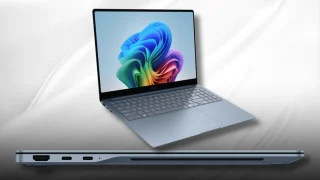
Samsung has unveiled the Galaxy Book 6 Edge, its first laptop powered by Qualcomm’s new…
Jun 16, 2026
ASUS Republic of Gamers (ROG) has announced the availability and pricing of its 2026 ROG…
Jun 15, 2026
Colorful has announced the iGame M15 Origo and iGame M16 Origo gaming laptops at Computex…
Jun 3, 2026
Qualcomm has announced the Snapdragon C platform, a new processor designed for entry-level laptops priced…
Jun 3, 2026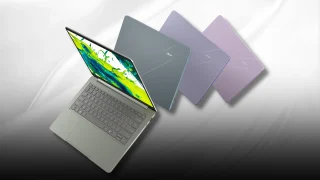
Acer has expanded its AI PC lineup at COMPUTEX 2026 with the introduction of the…
Jun 1, 2026There are two types of benchmarks: real-world benchmarks and synthetic benchmarks. To remedy this, reviewers take advantage of synthetic benchmarks.
Typically, synthetic benchmarks are made in a way that limits bottlenecks. To give you a better understanding, we'll be listing down the synthetic benchmarks we use and discuss the results. While you could make a theoretical model that showcases how well a system will perform in real-world applications using synthetic benchmarks, there would be way too many variables to consider.
Our coverage of synthetic benchmarks explained includes: "Understanding Laptop Benchmarks"; "Samsung unveils Galaxy Book 6 Edge with Snapdragon X2 Elite"; "ASUS ROG launches 2026 Strix G, Strix SCAR gaming laptops". Each article provides unique insights and information.