

USB Type-C (USB-C) has become more and more prevalent today. Hence, USB-C is identified as a slim and sleek connector tailored to fit mobile device product designs, yet robust enough for laptops and tablets— now being a standard. Meanwhile, although USB-C ports and cables look the same, not all offer the same capabilities. That's why we'll be talking about the different types of USB-C, as well as their speeds and uses. USB-C and its uses The USB-C is a 24-pin USB connector system with a symmetrical connector. The USB-C connector was developed by the USB Implementers Forum (USB-IF), the group of companies that developed and certified the USB standard over the years. The chief purpose of USB-C is to make a universal solution for both charging and data transfer. The USB-C 24-pin cable can relay video, power (up to 100 watts), and data (as quickly as 10 Gbps). Read more in our articles including "Guide to USB Type-C: Different Types, Speeds, and Uses" and "SanDisk Ultra Fit USB 3.0 Flash Drive lands, starts at Php699".

USB Type-C (USB-C) has become more and more prevalent today. With the maintained success of…
Nov 9, 2021Launched earlier this month, the new SanDisk Ultra Fit USB 3.0 Flash Drive has recently…
Aug 29, 2014Apacer introduces two new super-mini USB flash drives namely the AH157 and AH116 which are…
Jul 30, 2015Always finding yourself looking for data storage to copy files and give away to people?…
May 25, 2014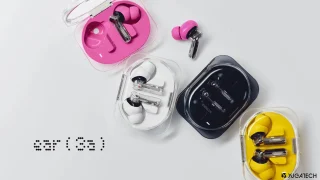
Alongside the Nothing Phone (4b), the company also introduced the Nothing Ear (3a). It gets…
Aug 1, 2026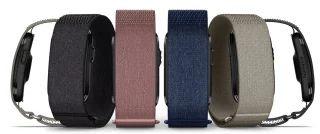
Garmin has officially launched the CIRQA Smart Band in the Philippines, expanding its lineup of…
Jul 27, 2026USB Type-C (USB-C) has become more and more prevalent today. Hence, USB-C is identified as a slim and sleek connector tailored to fit mobile device product designs, yet robust enough for laptops and tablets— now being a standard.
Meanwhile, although USB-C ports and cables look the same, not all offer the same capabilities. That's why we'll be talking about the different types of USB-C, as well as their speeds and uses. USB-C and its uses The USB-C is a 24-pin USB connector system with a symmetrical connector.
Our coverage of USB-C Uses includes: "Guide to USB Type-C: Different Types, Speeds, and Uses"; "SanDisk Ultra Fit USB 3.0 Flash Drive lands, starts at Php699"; "Apacer intros waterproof, shockproof, and dustproof USBs". Each article provides unique insights and information.