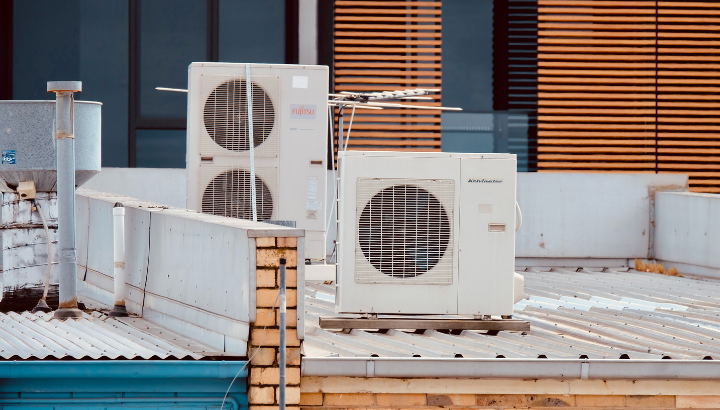

[table id=1833 /] Energy Efficiency Ratio (EER) Have you ever noticed this yellow card attached on the front of new aircons for sale? Power Consumption (kWh) x Usage (Hours) x Power Rate (Pesos/kWh) For example, if the estimated electricity rate would be P9.6/kWh, and let’s say you leave the aircon on average about 10 hours a day both day and night. The bottom line is if you plan on running your air conditioner for a long amount of time such as in your bedroom when you sleep or where you mostly work throughout the day, then getting an inverter aircon model will help you save money over time. However, if you plan on using your AC for short periods of time like around an hour two at a time, then getting a non-inverter would suffice and be just as efficient as one with an inverter in this case but note that non-inverter aircons are generally more affordable. This simply on and off by non-inverter aircon can take a lot of electricity, especially when done for long periods of time. It’s time to choose what type of aircon you need. Standing aircons usually start at around 4hp and are rather used for offices or living rooms where it would save space by having a standing unit instead of multiple split units. Read more in our articles including "A Guide to Picking the Right Aircon this Summer" and "UWANT Y100 Steam Cleaner Review".

Whenever I have the chance to conversate with people from other countries, they usually mention…
Apr 20, 2022
Portable carpet cleaners have become increasingly popular among pet owners, home owners, and car enthusiasts,…
Jun 11, 2026
And we’re back with another robot vacuum review, but this time, we’re looking at what…
Jun 11, 2026
Dyson launches its newest smart cleaner in the Philippines, the Dyson Spot+Scrub Ai. It’s the…
Apr 18, 2026
LG Philippines invited us to attend LG InnoFest 2026, together with other journalists and dealers…
Apr 12, 2026
Meet the Dreame X50 Ultra, the brand’s most advanced, most automated cleaning system yet. If…
Apr 11, 2026[table id=1833 /] Energy Efficiency Ratio (EER) Have you ever noticed this yellow card attached on the front of new aircons for sale? Power Consumption (kWh) x Usage (Hours) x Power Rate (Pesos/kWh) For example, if the estimated electricity rate would be P9.6/kWh, and let’s say you leave the aircon on average about 10 hours a day both day and night.
The bottom line is if you plan on running your air conditioner for a long amount of time such as in your bedroom when you sleep or where you mostly work throughout the day, then getting an inverter aircon model will help you save money over time. However, if you plan on using your AC for short periods of time like around an hour two at a time, then getting a non-inverter would suffice and be just as efficient as one with an inverter in this case but note that non-inverter aircons are generally more affordable. This simply on and off by non-inverter aircon can take a lot of electricity, especially when done for long periods of time.
Our coverage of what to look for in an aircon includes: "A Guide to Picking the Right Aircon this Summer"; "UWANT Y100 Steam Cleaner Review"; "Dreame X60 Ultra Review". Each article provides unique insights and information.