
These days, buying a new smartphone can feel either really simple or totally overwhelming. One of the biggest things to think about is your budget: how much are you willing to spend?
Smartphones come in all sorts of price ranges, and as you look at the more affordable, entry-level options, the number of choices can be quite a lot. With so many brands and models out there, picking the right one isn’t always gonna be easy.
That said, a couple of new, promising entry-level phones right now are the Infinix HOT 60 Pro+ and the Redmi Note 14.
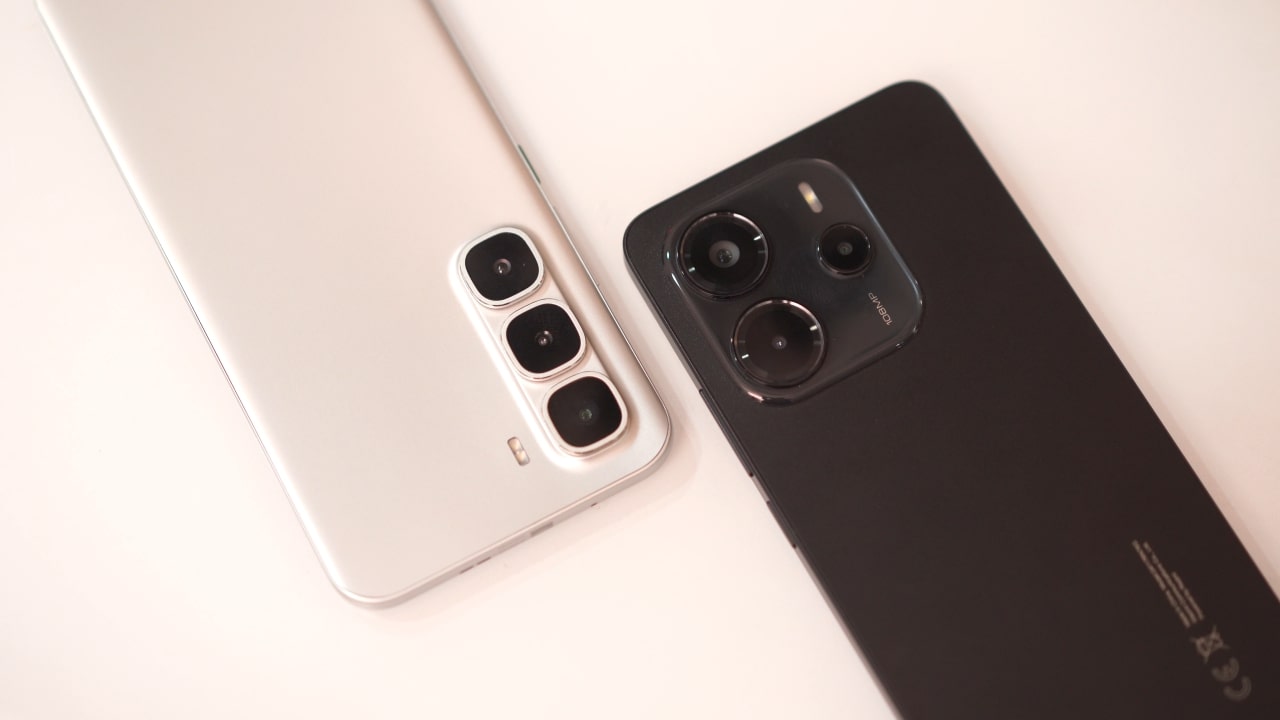
Apparently, the HOT 60 Pro+ takes the title of the world’s slimmest 3D-curved phone, measuring a mere 5.95 mm. Looking at the specs, it’s not just about looks. This phone brings solid features that are quite surprising given its entry-level standing.
But the real question is: can it stand up well against another budget favorite like the Redmi Note 14? That’s what we’re here to find out in this comparison review.
So, without further ado, I’m your host, CJ– let’s jump right into the video!
Design and Construction
Kicking things off with design, each phone has its own distinctive look.
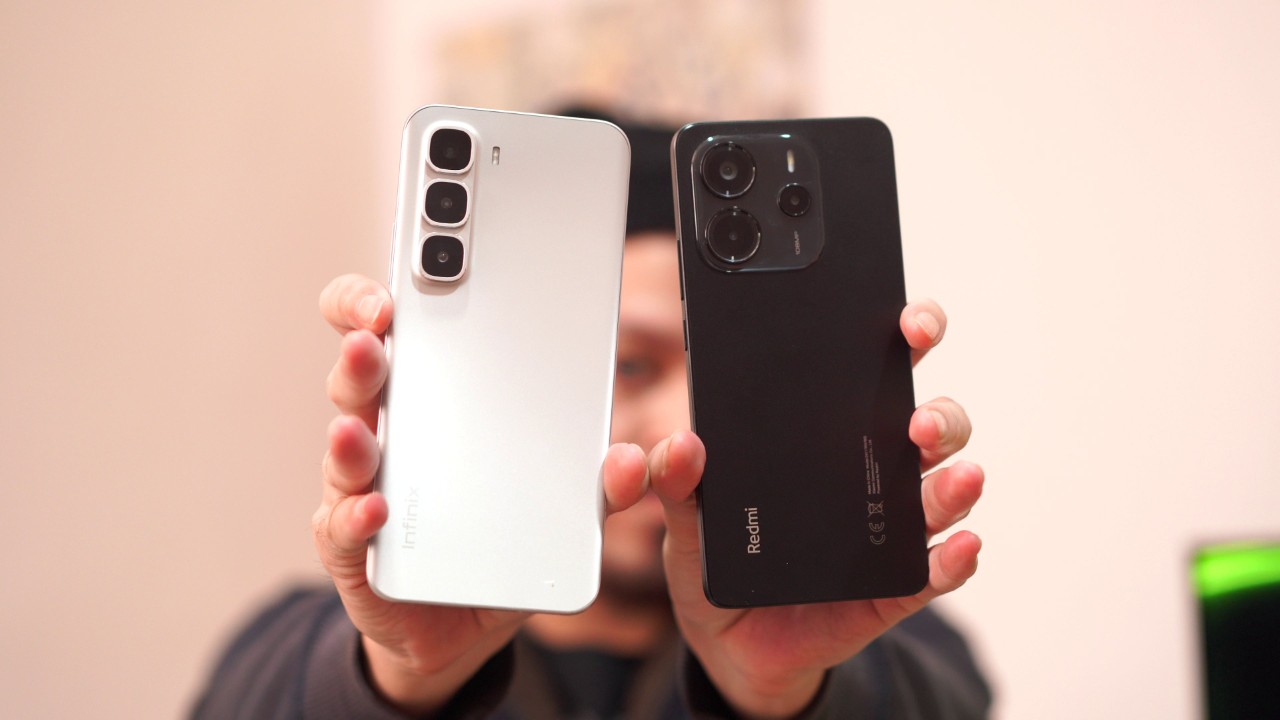
Of course, we have the Infinix HOT 60 Pro+ boasting that ultra-thin frame, measuring only 5.95 mm as mentioned. It’s also incredibly light in hand, weighing only 155 grams.

With that, the HOT 60 Pro+ feels a lot more comfortable to hold especially when combined with its curved body design. Our unit is in the Titanium Silver colorway, and no, it’s not made of titanium just to be clear.

Instead, the phone’s frame is made of plastic, and the matte back features a glass fiber composite that offers a strong impact resistance. According to Infinix, it passed the 1.5-meter directional drop test. Also at the back, you’ll see the three vertically aligned camera “sensors”—that makes it almost look like a Galaxy device.
The only differences are the modules come in square-ish shape, and the fact that only one of them is an actual camera.
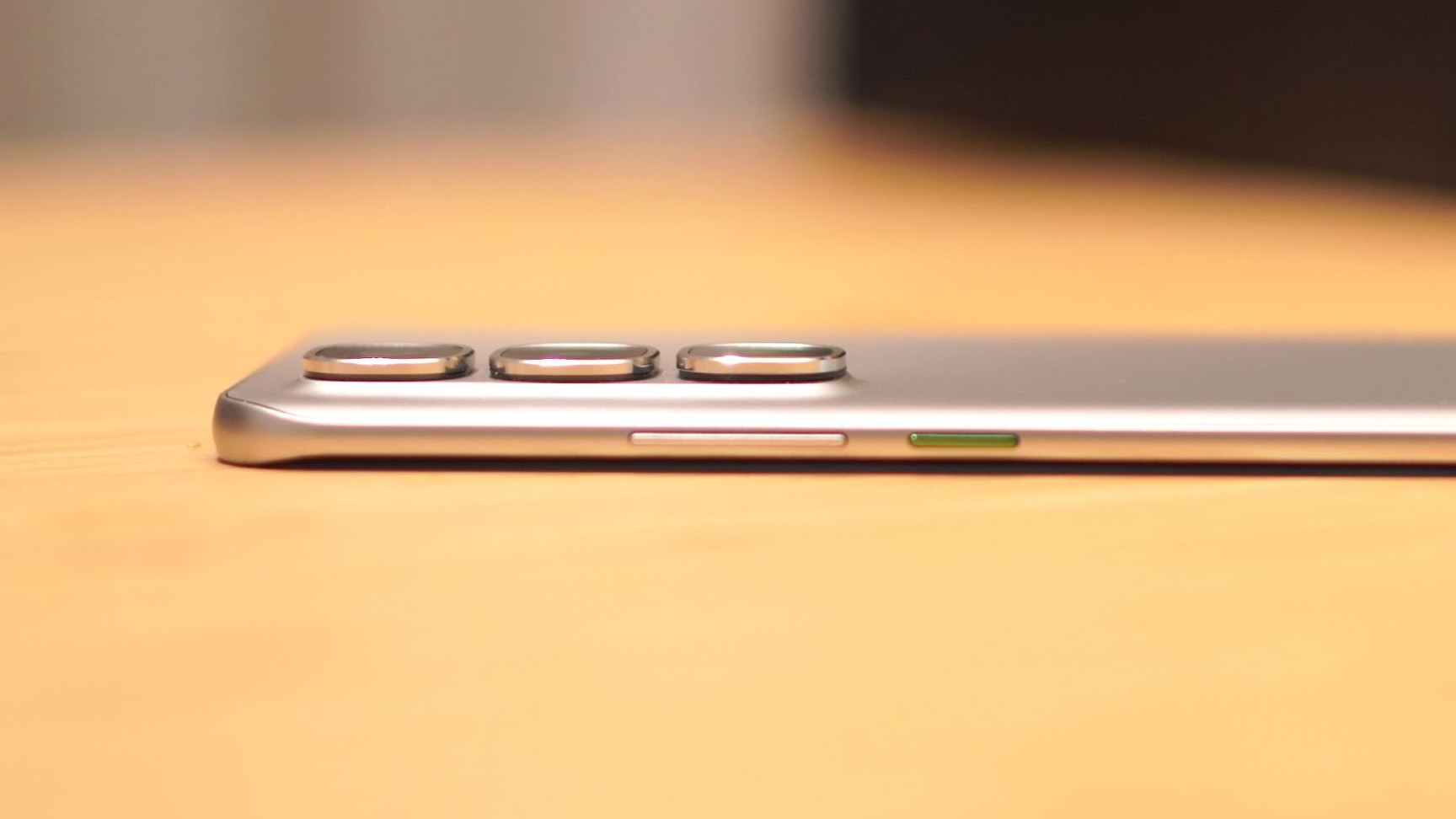
Another distinctive element from the Infinix phone is its power button on the side that has a green color accenting.
Moving on to the Redmi Note 14, this one follows a more conventional look. The phone sports a flat-edge design and it features an all-plastic build. It is not as thin as the competition as expected, with a thickness of 8.16 mm and about 197 grams of weight.
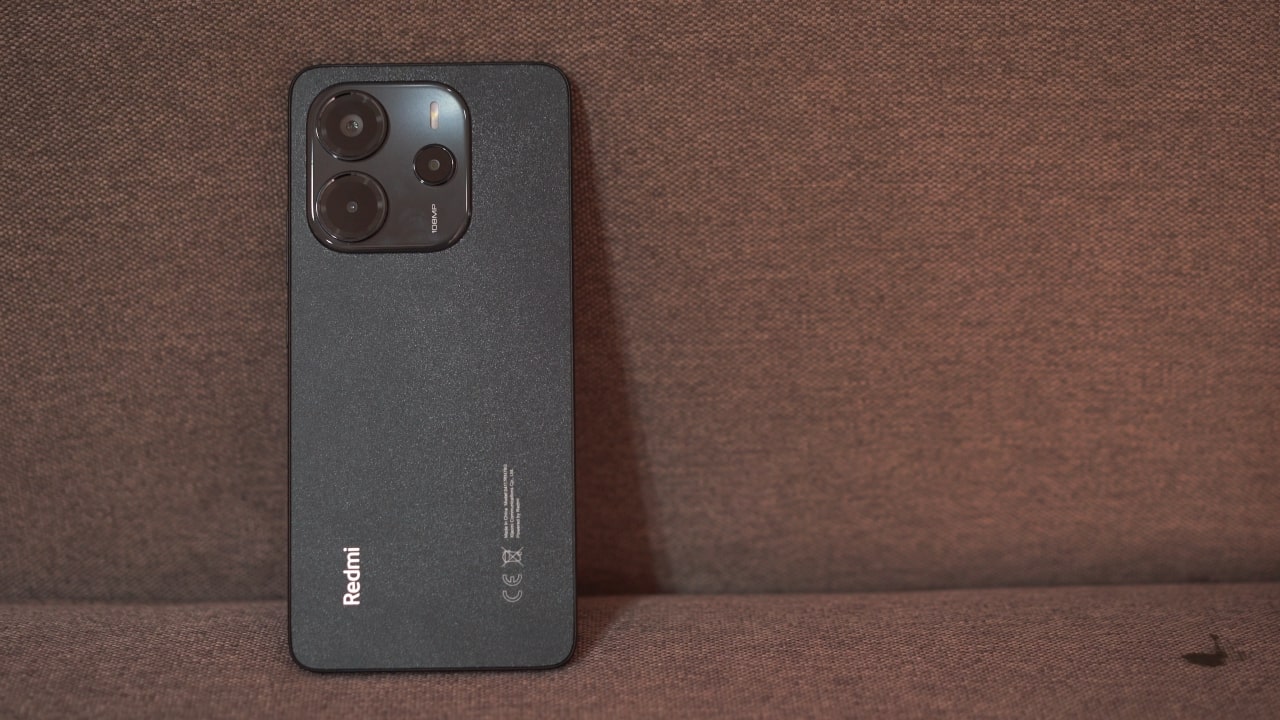
Still, its overall design is equally pleasing to the eyes. It’s got a matte back as well, and a stylish camera island housing three working sensors.
Now, for added protection, both phones do get dust and splash resistance, but only the HOT 60 Pro+ offers a stronger level of ingress protection—rated at IP65. The Redmi Note 14 is left with IP54 which is still pretty decent.
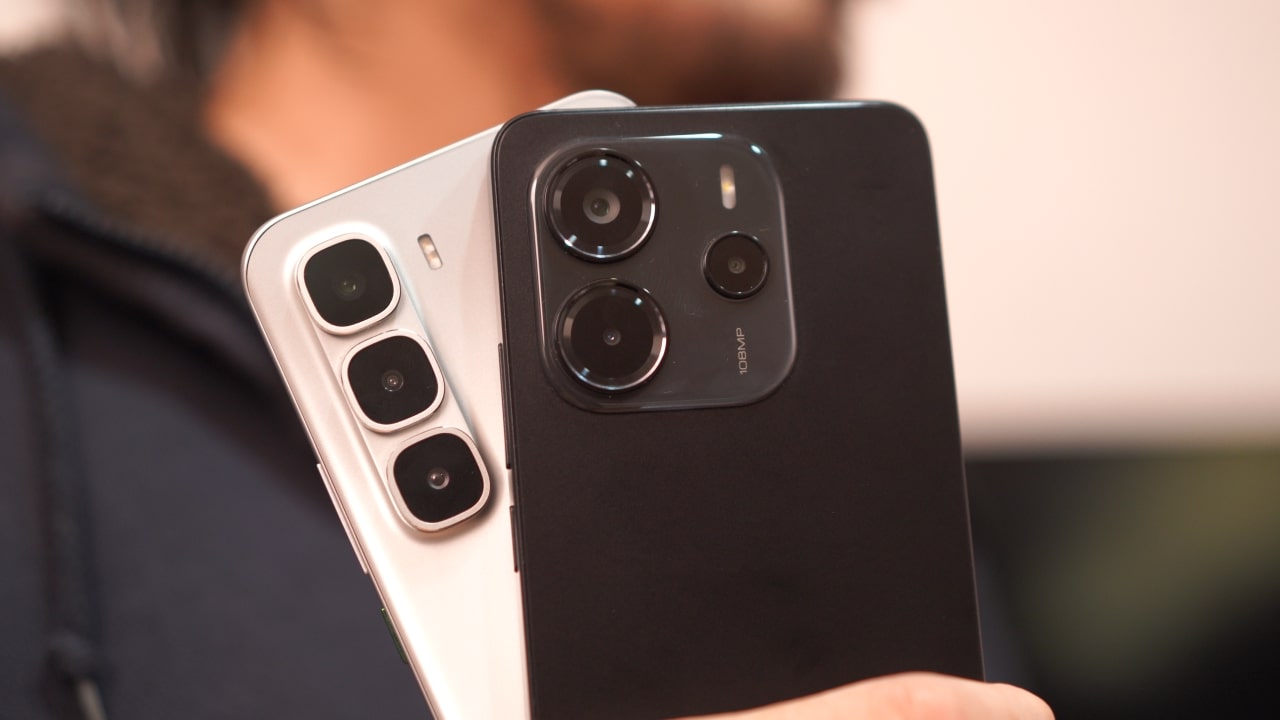
That said, crafting a phone with a razor-thin profile is quite an impressive feat by Infinix especially for an entry-level device. While design is always a matter of personal taste, the stronger build quality and that sleek frame of the HOT 60 Pro+ are hard to overlook.
Therefore, I’m giving the point to Infinix this round.
Display, Multimedia, and Biometrics
Flip both phones over, you’ll see vibrant AMOLED displays.
The HOT 60 Pro+ boasts a larger 6.78-inch curved AMOLED screen, a higher 1.5K resolution, up to 144Hz refresh rate, and a peak brightness of 4500 nits for HDR.

The screen on this phone isn’t quad-curved as it only curves along the left and right edges, so you’ll notice some glare on the sides, which some of you may find a bit annoying. On top of that, since it has a very slim frame, accidental touches happen very often. But that’s just me nitpicking.

Meanwhile, the Redmi Note 14 gets a 6.67-inch Full HD+ AMOLED screen, up to 120Hz refresh rate, and 1800 nits of HDR peak brightness. It’s a flat screen, so there’s no glare on the edges or accidental touches to worry about.
Notably, the Infinix HOT 60 Pro+ comes with thinner bezels all around as compared to the Redmi Note 14, so that’s a neat advantage.
Talking about the visuals, both models deliver a suitable experience. Colors are nice with good contrast, and true blacks. You can expect to watch all your Netflix shows in HD as they both support Widevine L1 and up to 1440p streaming on YouTube.
For audio quality, both phones generally provide a decent sound stage with different audio tuning: the Infinix HOT 60 Pro+ gets sound by JBL, and the Redmi Note 14 gets Dolby Atmos support.

However, I must say, all that audio tuning doesn’t really make a difference to their raw audio output. The highs and mids are okay, though they have very little amount of bass. Still, we get a level of audio immersion since both support dual stereo speakers to boot.
Moreover, on the Redmi Note 14, you can still use your choice of wired earphones or headphones since it retains the 3.5 mm audio jack.
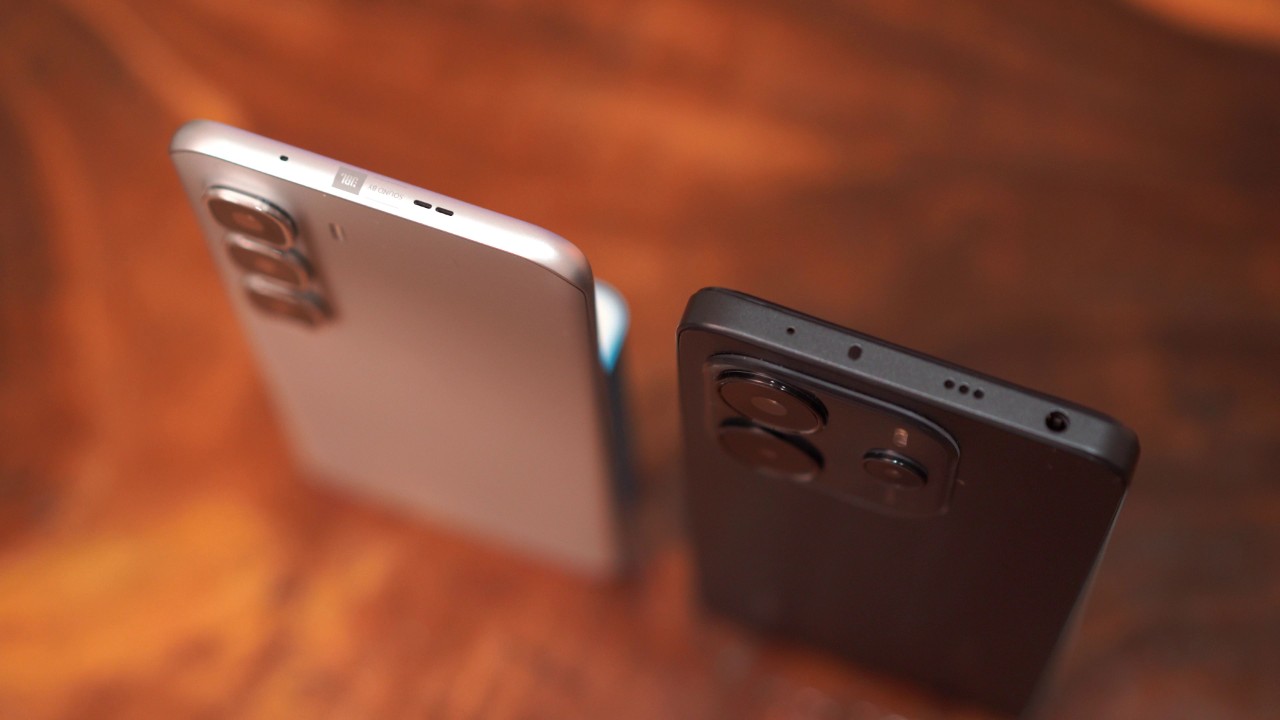
As for extra screen protection, the HOT 60 Pro+ gets the newer Gorilla Glass 7i and the Redmi Note 14 gets an older Gorilla Glass 5. Each glass layer essentially does the same thing, to resist scratches and drops. But the Gorilla Glass 7i on the Infinix phone presumably provides stronger protection.
In terms of biometric security, both support under-display fingerprint sensors along with face recognition. The unlocking experience is somewhat fast for both, but sometimes, there’s still a little bit of delay.
This round, it’s just fair to give the point to the Infinix HOT 60 Pro+ offering a slightly better, larger, and brighter display.
Performance and Benchmarks
Now, let’s talk about the performance.
Under the hood, the HOT 60 Pro+ is equipped with the MediaTek Helio G200 configured with 8GB of RAM and 256GB of internal storage.
The Redmi Note 14 also features a MediaTek chip, the Helio G99-Ultra, and comes with the same config as the Infinix phone.
In terms of raw power, there’s not much of a difference to see here. In fact, our benchmark results back this up with their ANTUTU scores passing the 400K mark.
| Benchmark | Infinix HOT 60 Pro+ | Redmi Note 14 |
|---|---|---|
| Chipset | MediaTek Helio G200 | MediaTek Helio G99-Ultra |
| AnTuTu V10 | 449,488 | 423,232 |
| AnTuTu Storage | 65,474 | 64,933 |
| S.Read Speed | 999.0 MB/s | 1042.7 MB/s |
| S.Write Speed | 840.7 MB/s | 957.3 MB/s |
| 3DMark Wild Life | 1,363 | Avg. FPS: 8.17 |
| Geekbench 6 CPU Single-Core | 738 | 728 |
| Geekbench 6 CPU Multi-Core | 2,017 | 1,939 |
| Geekbench 6 GPU OpenCL | 1,472 | 1,308 |
| Geekbench 6 GPU Vulkan | 1,416 | 1,279 |
| PCMark Work 3.0 performance | 10,994 | 10,721 |
| PCMark Work 3.0 battery life | 15 hrs & 9 mins | 14 hrs & 44 mins |
With the Helio G200 being the newer chipset, it delivered slightly better CPU and graphical performance, but not quite powerful enough for heavy gaming.
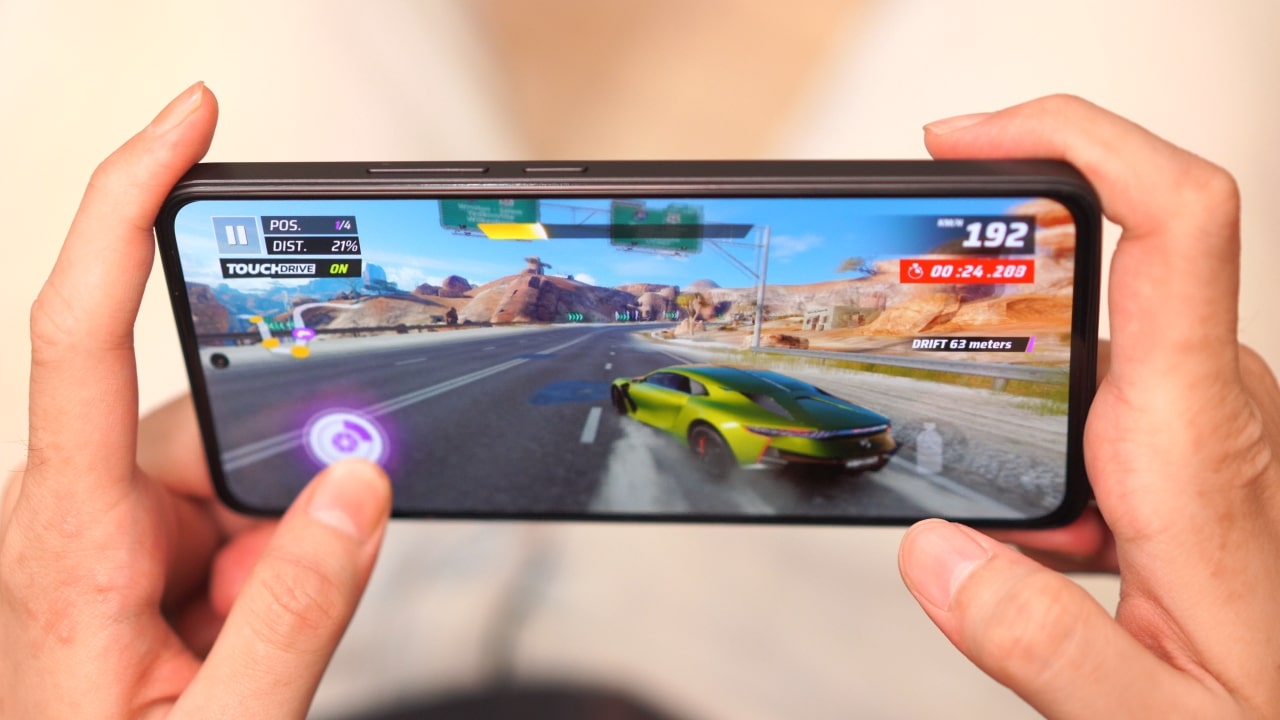
App loading times are decent, though I noticed that the Redmi Note 14 takes a little more time to load apps. Weirdly enough, this happens despite having the same LPDDR4x RAM as with the HOT 60 Pro+.
Setting all the technicalities aside, both phones will perform just fine on your day to day tasks such as browsing the web, working with some productivity apps, and casual gaming on the side.
Speaking of gaming, graphic-intensive games like Wuthering Waves and Zenless Zone Zero were technically playable on the lowest graphics settings, but as you would expect, there were lots of stuttering and lags.

On the bright side, both devices handled light games such as Mobile Legends and Asphalt Legends Unite fairly well, consistently hitting stable, high frame rates with some occasional lags.
That said, I’m giving this round a tie, since there’s barely any difference in terms of processing power.
Cameras
For optics, the Redmi Note 14 appears to have an upper hand at least on paper. Like I said, all three sensors here are actual cameras consisting of a 108-megapixel main, a 2-megapixel depth sensor, and a 2-megapixel macro lens.
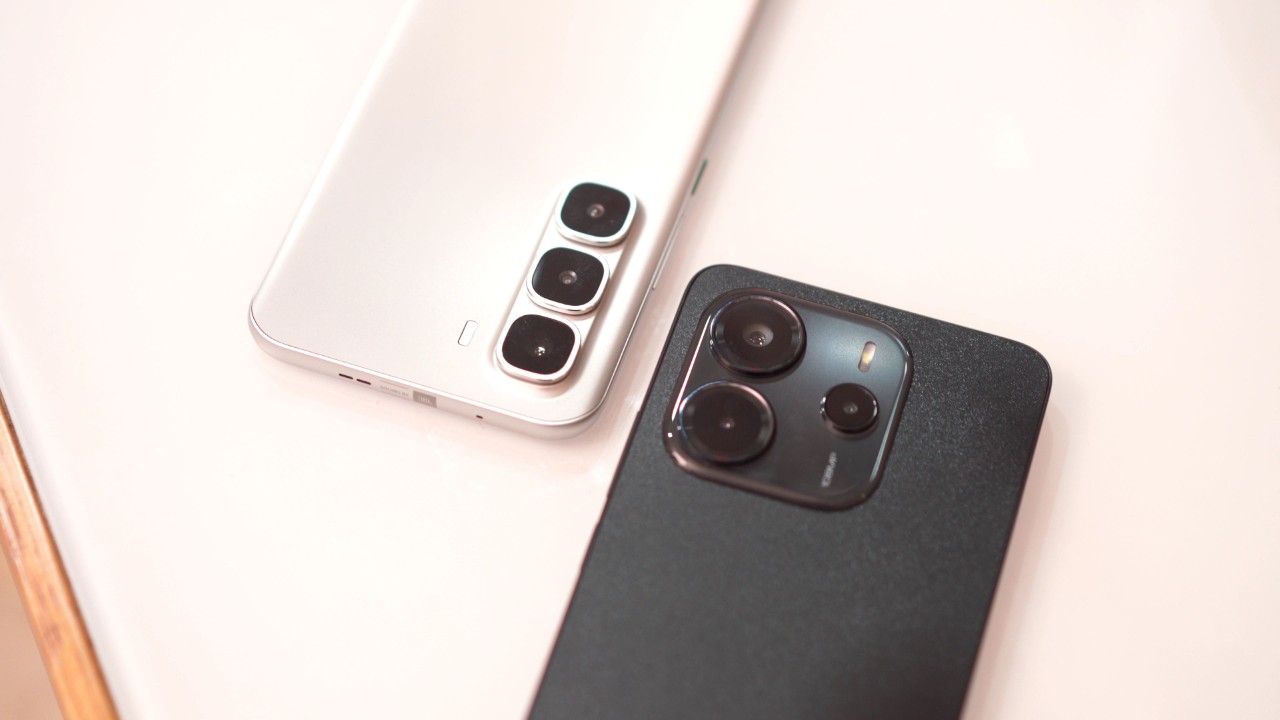
Meanwhile, the HOT 60 Pro+ features a 50-megapixel main shooter alongside the unspecified auxiliary lens.
As we always say in our reviews, higher megapixel count doesn’t necessarily equate to better image quality, and that holds true in this comparison.
Images captured from both phones bring the same level of quality with decent sharpness, near-accurate colors, and an adequate amount of dynamic range. Perhaps the key difference lies in the image processing, and there were moments when I actually preferred how the image looked on the Infinix HOT 60 Pro+ compared to the Redmi. This might be due to its slightly better sensor, the Sony IMX882.
Infinix HOT 60 Pro+ vs. Redmi Note 14 sample shots
Thursday, Jul 24, 2025


Going back to the comparison, photos generally turn out well on both phones, especially in well-lit environments. In low light, however, the images look okay at first, but once you zoom in or pixel peep, you’ll start to notice that the subjects appear a bit soft, and that applies to both phones, mind you.
In terms of video capture, the HOT 60 Pro+ can shoot up to 2K at 30 fps and the Redmi Note 14 is capped at 1080p at 60 fps.
The higher resolution is commendable as it provides slightly more detail in your shots, and the overall video quality looks suitable enough in most shooting conditions. The clarity is on point as long as there’s ample lighting, the colors look nice, and both phones cover a good amount of dynamic range.
While the Redmi Note 14 does have more cameras, which gives you extra options like macro photography, the HOT 60 Pro+ holds its own with better image processing at times and higher-quality 2K videos. So, for this round, I’m giving the point to the Infinix HOT 60 Pro+.
Battery Life
Battery-wise, the Redmi Note 14 packs a 5500mAh unit which is slightly larger as compared to the Infinix HOT 60 Pro+ having a 5160mAh capacity.
You might expect the Redmi to last longer thanks to its bigger battery, but our benchmark results tell a different story.

In the PCMark battery test, the Infinix HOT 60 Pro+ actually lasted a bit longer, clocking in at 15 hours and 9 minutes, while the Redmi Note 14 managed to get 14 hours and 44 minutes of runtime.
For fairness, both phones were tested under the same conditions: audio muted, screen brightness set to 50%, airplane mode enabled, and no other apps running except the benchmark tool.
On top of that, the Infinix HOT 60 Pro+ also features faster charging at 45W as compared to the Redmi Note 14 that caps out at 33W. Not to mention, the former also supports bypass charging, so there’s that.
While the larger battery pack is typically preferred, I may have to lean onto the one with a more efficient battery consumption. So, I’m giving the point to the HOT 60 Pro+ for this round, garnering a three-point lead in this comparison so far.
Connectivity and Other Features
Perhaps, the better battery efficiency is due to the fact that the Infinix HOT 60 Pro+ may have a lighter OS than the competition. The phone runs Android 15 out of the box with XOS 15 on top.
As for the Redmi Note 14, it ships with Android 14, but I have now upgraded it to Android 15 with HyperOS 2 overlay.
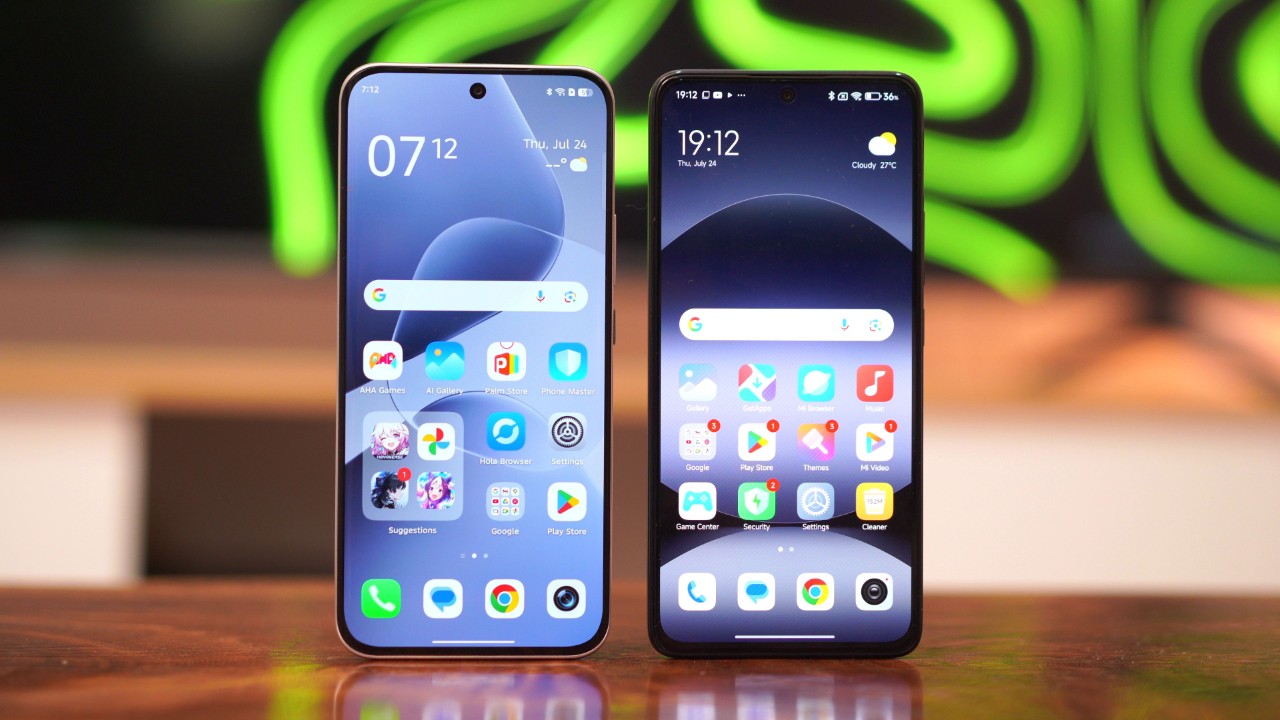
While there were lots of bloatware for both devices, I found the Redmi Note 14 a bit more frustrating to use because the ads are much more intrusive. You’ll get ad notifications, and some system apps like Themes or GetApps even show full-screen banners when opened. It gets especially annoying when all I want to do is something simple, like changing my ringtone.
That led me to think that XOS might actually be the more lightweight OS. It doesn’t bombard you with ads, and there are small touches I genuinely appreciate, like the blur effect on the notification and control panels.
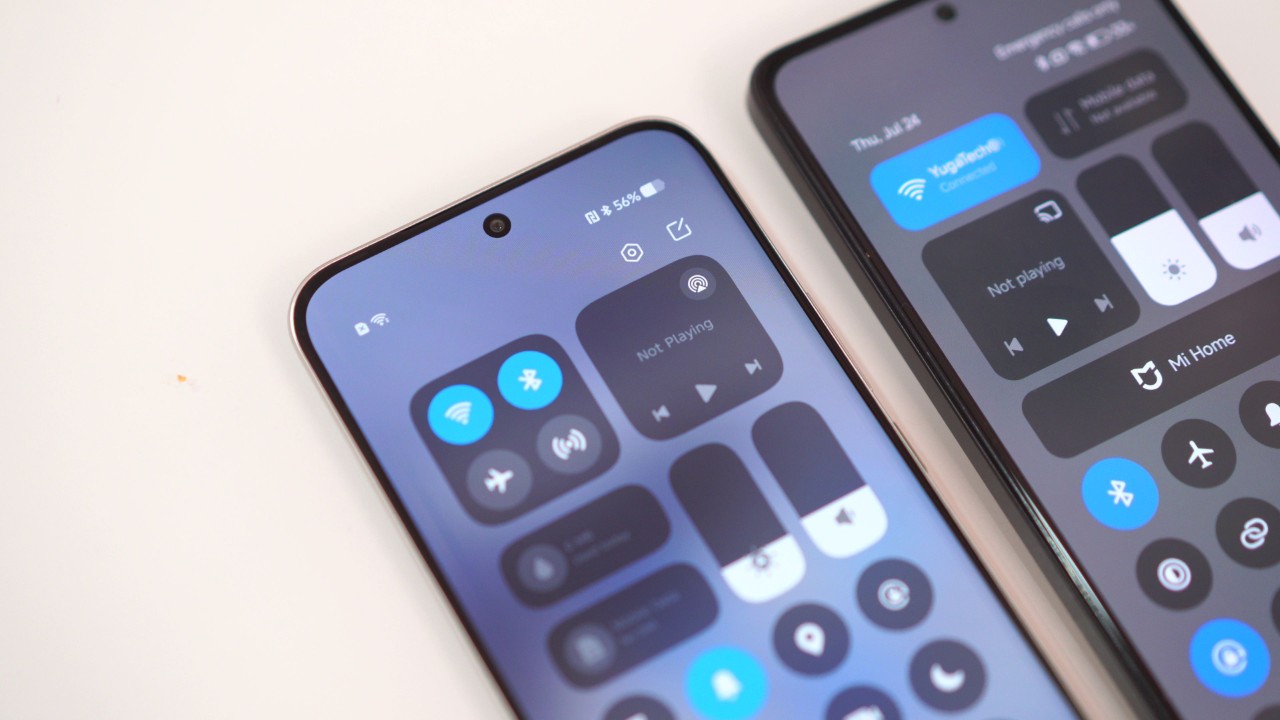

On the Redmi, those panels just have a plain gray background, which feels a bit less polished and less visually appealing to me. Regardless, both software still have a nice UI design.
What’s really interesting about the Infinix HOT 60 Pro+ is despite being an entry-level phone, it comes with a suite of AI-powered tools such as the one-tap Infinix AI, as well as Google Gemini, and the nifty Circle to Search.
Unfortunately, Xiaomi hasn’t shared a clear update policy for the Redmi Note 14, but you can generally expect at least one to two major Android updates and around three years of security patches.
On the other hand, the Infinix HOT 60 Pro is promised to get three major Android upgrades– that’s from Android 15 to Android 18– and five years of security patches.
Connectivity-wise, both phones cover the basics: 4G, Wi-Fi 5, Bluetooth, and GPS. But only the Infinix HOT 60 Pro+ includes NFC, which also lets you store access cards for added convenience.
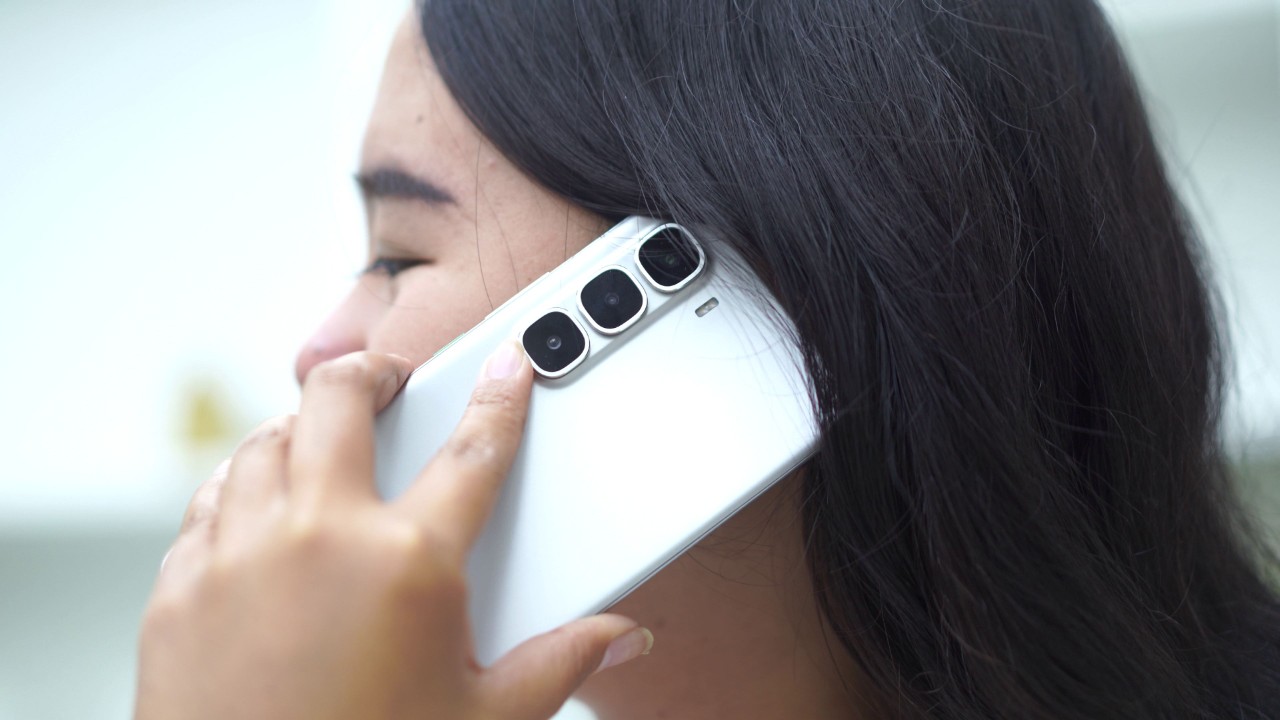
Interestingly, only the Redmi Note 14 supports expandable storage via a hybrid microSD slot. As for the HOT 60 Pro+, it likely skips the microSD slot to keep the device as slim as possible.
On the software front though, I did have a better experience with the HOT 60 Pro+, and it ships with a newer version of Android, so it gains another point this round.
Which one should you get?
So, we’ve come to the final part of this video. And while it may already be clear who came out on top in this comparison, let’s still talk about the price.
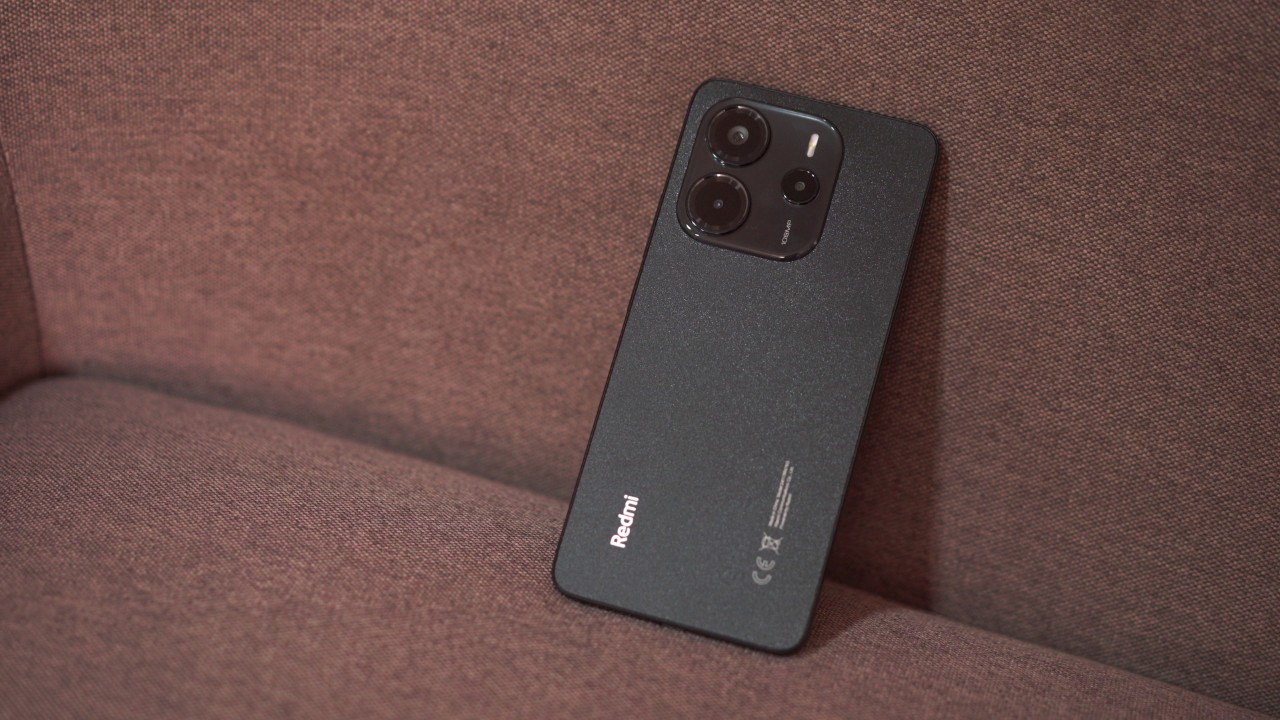
The Redmi Note 14 retails for PHP 8,999 and PHP 9,999 for the 128GB and 256GB variants, respectively. On its own, it stands as one of the best choices in the entry-level segment, offering a quality AMOLED screen, decent cameras, and suitable performance.
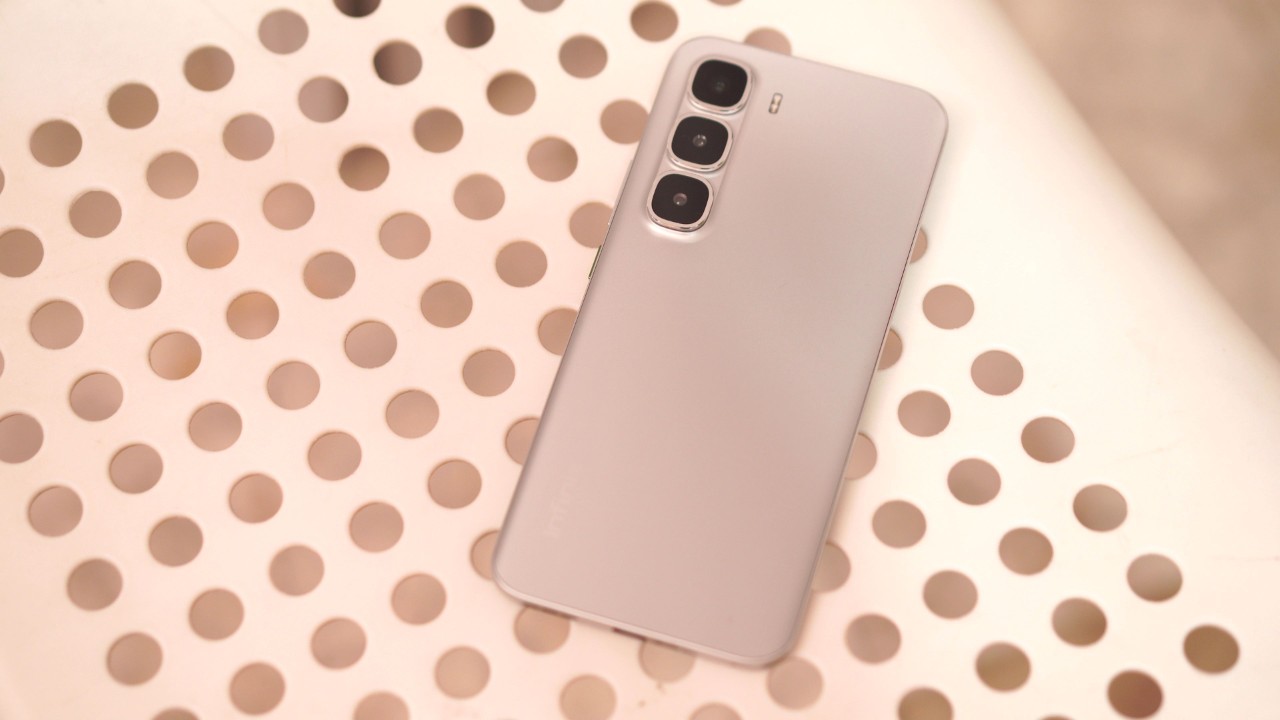
But then again, the Infinix HOT 60 Pro+ came through with surprisingly strong specs, the kind you’d usually expect from higher mid-range models. Features like a 1.5K AMOLED display with 144Hz refresh rate, a capable 50-megapixel Sony sensor, and solid battery life are rare at this price point. Of course, its ultra-slim profile is the cherry on top.
The Infinix HOT 60 Pro+ has an introductory price of PHP 7,799 and is now available through Infinix’s official online channels below. It retails for PHP 8,999.
Shopee: https://bit.ly/HOT60-PRO-Plus_SHP
Lazada: https://bit.ly/HOT60PROPLUS_LAZ
TikTok: https://bit.ly/HOT60PROPLUS_TikTokShop
Long story short, if you’re after style, a sharper display, and a cleaner user experience with a few standout features, the Infinix HOT 60 Pro+ is hard to beat in this price range. Thus, we highly recommend getting this if you’re looking for a new daily driver that’s incredibly affordable.
But if you value things like expandable storage, and a flexible camera setup, the Redmi Note 14 is still a solid pick.
| Infinix HOT 60 Pro+ | Redmi Note 14 |
|---|---|
| 6.78-inch 1.5K LTPS curved AMOLED | 6.67-inch FHD+ flat AMOLED |
| 144Hz refresh rate | 2400 x 1080 pixels, 120Hz refresh rate |
| 1600 nits (HBM), 4500 nits (HDR) peak brightness | 1200 nits (HBM), 1800 nits peak brightness |
| Corning Gorilla Glass 7i | Corning Gorilla Glass 5 |
| MediaTek Helio G200 (6nm) | MediaTek Helio G99-Ultra (6nm) |
| Octa-core, up to 2.2GHz | Octa-core, up to 2.2GHz |
| 8GB LPDDR4X RAM | 6GB, 8GB LPDDR4X RAM |
| 256GB UFS 2.2 storage | 128GB, 256GB UFS 2.2 storage |
| - | Expandable up to 1TB via microSD (hybrid slot) |
| - | Triple rear cameras: |
| 50MP main camera (Sony IMX882) | - 108MP f/1.7 main |
| - (Unspecified) auxiliary lens | - 2MP f/2.4 depth |
| - | - 2MP f/2.4 macro |
| 13MP selfie shooter (punch hole notch) | 20MP f/2.2 selfie shooter (hole punch notch) |
| Dual nano-SIM | Dual SIM |
| 4G LTE | 4G LTE |
| Wi-Fi 5 | Wi-Fi 5 |
| Bluetooth 5.4 | Bluetooth 5.3 |
| GPS | GPS, A-GPS, GLONASS, BDS, Galileo |
| USB Type-C | USB Type-C |
| - | 3.5mm headphone jack |
| NFC | - |
| Under-display fingerprint sensor, face unlock | Under-display fingerprint sensor, face unlock |
| IP65 dust and splash resistance | IP54 dust and splash resistance |
| Dual stereo speakers, Sound by JBL, IR blaster | Dual stereo speakers, Dolby Atmos, IR blaster |
| XOS 15.1.1 (Android 15) | Xiaomi HyperOS 2.0.4.0 (Android 15) |
| 5160mAh battery | 5500mAh battery |
| 45W charging (wired) | 33W charging (wired) |
| 10W reverse wired charging | - |
| 164 x 75.8 x 5.95 mm | 163.25 x 76.55 x 8.16 mm |
| 155g | 196.5g |
| Sleek Black, Titanium Silver, Coral Tides, Misty Violet, Sonic Yellow, Moco Cyber Green | Mist Purple, Lime Green, Midnight Black, Ocean Blue (colorways) |




0 Comments
Leave a Reply