
是否曾有过匆忙为智能手机充电的经历?事实上,我们大多数人都在某个时刻经历过这种情况,因为智能手机的充电速度已成为确保设备随时满足我们需求的重要因素。
但究竟是什么决定了智能手机的充电速度?让我们深入了解智能手机充电速度的细节及其影响因素。
智能手机充电速度的基础知识
智能手机充电速度是指为智能手机电池补充电能或进行充电的快慢程度,对于希望手机能够快速且高效充电的用户而言,这是一个重要方面。
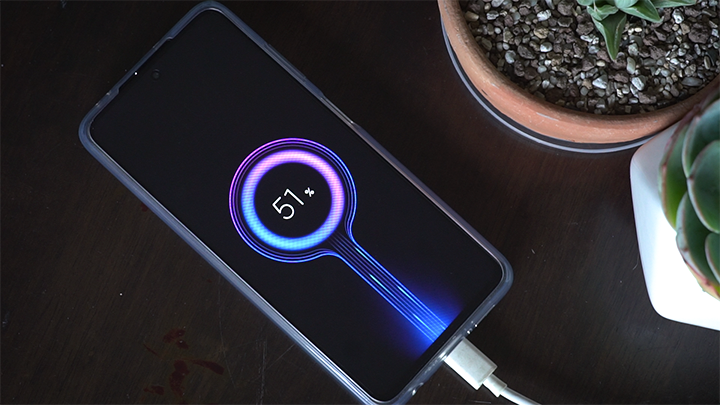
虽然这看似是一个简单的概念,但充电速度受多种因素影响,包括充电技术、充电器输出功率、电池容量以及智能手机的软件优化。
影响充电速度的因素
1. 充电器输出功率:
您使用的充电器对充电速度起着至关重要的作用。充电器的额定值以其输出功率衡量,单位为瓦特(W)。
简单来说,瓦数更高的充电器可以为智能手机提供更多的电力,从而实现更快的充电速度。例如,30W 充电器比 10W 充电器充电更快。

如果您想寻找一些最快充电器的选项,这里有一份包含100W充电器、最佳预算充电器以及推荐的第三方充电器的列表,它们都是极佳的选择。
2. 充电技术
除了充电器,您还需要确保您的智能手机确实支持更快的充电速度。大多数智能手机采用各种充电技术来决定其充电速度。一些常见的现代充电技术包括:
USB 电源传输(USB PD):
USB Power Delivery(简称USB PD)是由USB-IF于2012年发布的通用快充标准。到2023年,大多数手机已支持通过USB-C端口实现USB PD快充。
这一点近期因 Apple 将其专有的 Lightning 接口切换为在 iPhone 15 系列中采用 USB-C 而得到显著强调。

USB PD 通常从 18 瓦起步,但部分充电器可支持高达 100 瓦或更高功率,甚至能为平板电脑和笔记本电脑充电。
您还会遇到术语"USB PD PPS"或"USB PD 可编程电源”,它允许某些智能手机专门编程其自身的电压和电流水平。正是在这里,我们看到一些现代智能手机超越了 100W 充电,速度甚至可达 240W。
高通快速充电技术
高通的快速充电(Quick Charge)是一种广泛应用于使用高通处理器的 Android 智能手机的快充技术,其充电功率范围在 18W 至 120W 之间。
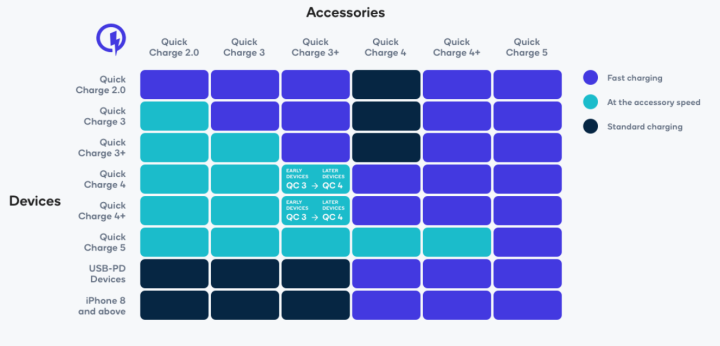
此外还有不同版本,其中Quick Charge 5为最新版本,现已向后兼容所有之前的Quick Charge版本以及USB PD。
请注意,尽管许多 Android 智能手机都支持快速充电技术,但除非充电器兼容 Quick Charge 5,否则充电器和智能手机必须支持相同版本的 Quick Charge 才能实现最佳充电速度。
高通快速充电技术还提供多种安全功能,如过流保护、过压保护和温度管理,以防止过热。
专有快充技术:
Most smartphones from flagship, mid-range, and even some budget-friendly ones commonly now offer fast charging.
However, manufacturers like OPPO (SuperVOOC), MediaTek (Pump Express), Xiaomi (HyperCharge), and Huawei (SuperCharge) have developed their own fast charging technologies that use higher voltages and currents to deliver more power to the battery, thus reducing charging time.
To know how fast charging actually works, be sure to our explainer on fast charging just above! And if you want an in-depth look at specific smartphone charging technologies, be sure to see our guide on it.
Wireless Charging:
Qi wireless charging is a technology that allows devices to charge without plugging in a cable. While convenient, wireless charging can be slower compared to wired fast charging.

Most standard wireless chargers can typically provide 5 to 10 watts while some more advanced wireless chargers can go up to 30W.
But today in 2023, what is normally seen amongst most smartphones is the ability to wirelessly charge at 15W.
3. Battery Capacity:
The size of the smartphone's battery, measured in milliampere-hours (mAh) or watt-hours (Wh), directly affects how long it takes to charge.
A larger battery will take longer to charge compared to a smaller one, considering that both are charged with the same charging speed in watts.
4. Battery Health:
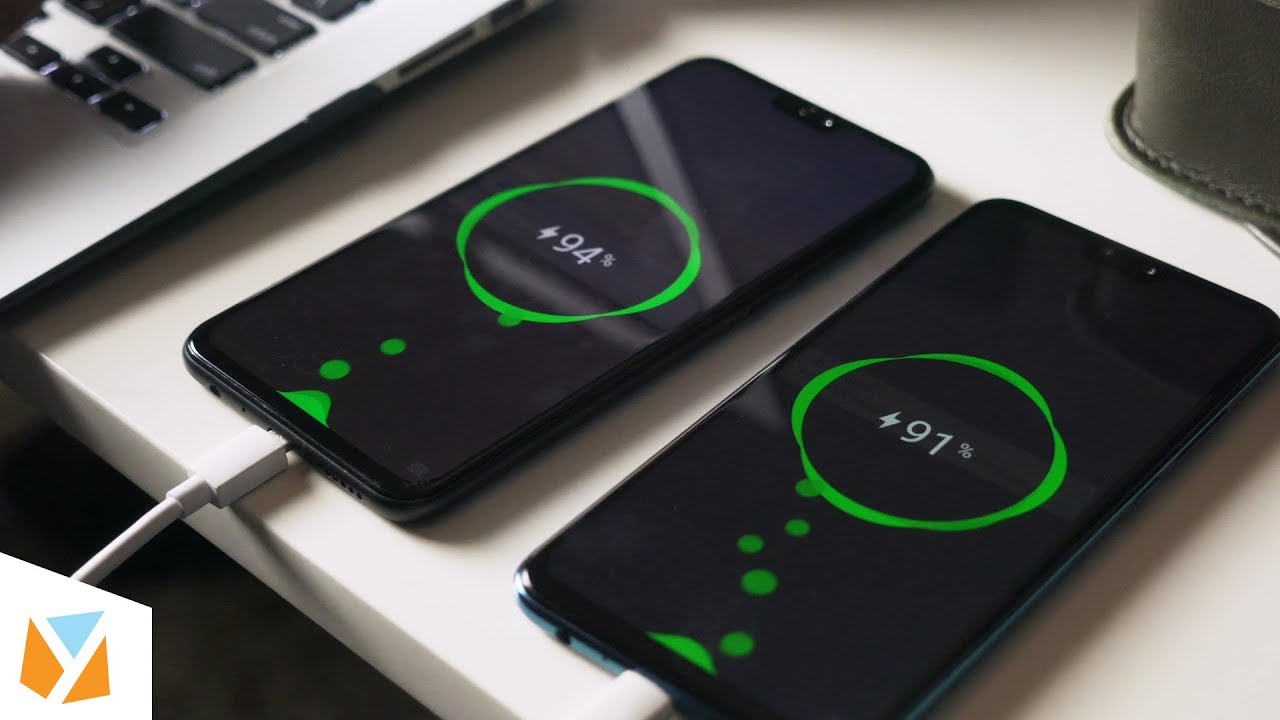
Over time, a smartphone's battery capacity may degrade, leading to slower charging speeds.
Some modern smartphones have battery management systems that can adjust charging speed to prolong battery life.

5. Software Optimizations
Manufacturers often implement software features to optimize charging speed and safety.
These features include temperature monitoring to prevent overheating, adjusting charging speed based on the battery's state of charge, and optimizing power usage during charging.
6. Adapter and Cable Quality:
The quality of the charging adapter and cable matters too. A poor-quality cable might not be able to handle high currents effectively, leading to slower charging speeds.
For the most part, you want to make sure that your charging adapter and cable both support the fast speeds you need to ensure that you get the best speeds.
You will also notice a recent technology that's developed over the past years called GaN chargers. They use Gallium Nitride in place of traditional Silicon semiconductors, hence the name.
The biggest advantages to GaN chargers are being smaller and more portable, being able to deliver higher power levels with some being able to deliver 100W or more, being more efficient, having multiple USB ports, and being compatible with most fast charging protocols including USB PD.

7. Background Usage:
If you're using your smartphone while charging, especially for resource-intensive tasks, it might slow down the charging process since some of the power is being used to run the device rather than charge the battery.
Conclusion
Smartphone charging speed is a multidimensional concept influenced by charging technology, charger output power, battery capacity, health, software optimizations, cable quality, and usage during charging.
By understanding these factors, users can make informed decisions to ensure their smartphones are charged efficiently without compromising their longevity.

While faster charging is undoubtedly convenient, it's important to strike a balance between speed and battery health.
Extremely high charging speeds without proper cooling mechanisms can generate heat and potentially affect battery lifespan. Manufacturers often try to strike a balance between fast charging and maintaining battery health.


0 Comments
Leave a Reply