


In this day and age of technology, USB-C (officially known as USB Type-C) has emerged as the standard for electronic devices, especially with smartphones. Any customer or smartphone user would most likely be disappointed if a certain smartphone isn’t equipped with a USB-C port. Perhaps one reason that makes USB-C better is due to its symmetrical design in comparison to micro-USB. Plugging in your devices has never been this easy with USB-C. USB-C takes universality to the next level by being an all-in-one connector for almost any purpose including data transfer, power and charging, and audio/video connection. However, not all USB-C cables and ports are created equal. The fact that USB-C have varying speeds adds to the confusion. So, what specific USB-C do we typically need? Read more in our articles including "Quick Guide to Knowing What USB Type-C You Need" and "Guide to USB Type-C: Different Types, Speeds, and Uses".

It’s a shame that some mobile phone manufacturers continue to release devices with micro-USB ports.…
Feb 28, 2022
USB Type-C (USB-C) has become more and more prevalent today. With the maintained success of…
Nov 9, 2021Apacer introduces two new super-mini USB flash drives namely the AH157 and AH116 which are…
Jul 30, 2015Launched earlier this month, the new SanDisk Ultra Fit USB 3.0 Flash Drive has recently…
Aug 29, 2014Always finding yourself looking for data storage to copy files and give away to people?…
May 25, 2014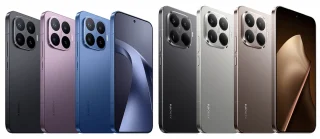
With the announcement of the Xiaomi 17T series today, those hoping to upgrade from last…
May 29, 2026In this day and age of technology, USB-C (officially known as USB Type-C) has emerged as the standard for electronic devices, especially with smartphones. Any customer or smartphone user would most likely be disappointed if a certain smartphone isn’t equipped with a USB-C port.
Perhaps one reason that makes USB-C better is due to its symmetrical design in comparison to micro-USB. Plugging in your devices has never been this easy with USB-C. USB-C takes universality to the next level by being an all-in-one connector for almost any purpose including data transfer, power and charging, and audio/video connection.
Our coverage of USB-C Speeds includes: "Quick Guide to Knowing What USB Type-C You Need"; "Guide to USB Type-C: Different Types, Speeds, and Uses"; "Apacer intros waterproof, shockproof, and dustproof USBs". Each article provides unique insights and information.