
RAMmageddon. There’s no other way to call this recent and drastic price increases of smartphones in the Philippines.
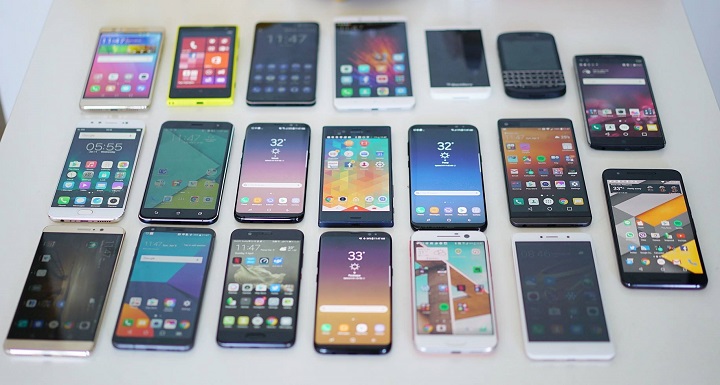
Right now, RAM prices have skyrocketed 90% in just the first quarter of 2026, and some types even tripled or went up 3-6x.
Why?
Simply put, AI data centers. Samsung, SK Hynix, and Micron (the big 3 RAM makers controlling 93% of the market) are prioritizing high-bandwidth, high-capacity RAM for AI instead of regular consumer RAM. A single OpenAI project can consume 20-25% of global RAM wafer supply.
Complications.
To make matters worse, Iran happened. Fuel prices skyrocketed and shipment costs increased. All the while, the Philippine peso fell to an all-time low of Php62 to a dollar. That’s almost 7 to 8% jump that will eat away the margins.
The Result.
Smartphone prices have jumped to unprecedented levels. Lates take a look at some of the usual suspects, especially the ones that were heavily affected.
| Model | Generations | JUMP | |||
|---|---|---|---|---|---|
| Infinix GT 10 Pro | Infinix GT 20 Pro | Infinix GT 30 Pro | Infinix GT 50 Pro | ||
| 8+256 | n/a | n/a | ₱13,999 | n/a | |
| 12+256 | n/a | ₱15,999 | n/a | ₱25,999 | |
| 12+512 | n/a | n/a | ₱15,999 | ₱29,999 | ₱14,000 |
| - | - | - | - | - | - |
| Xiaomi 13T Pro | Xiaomi 14T Pro | Xiaomi 15T Pro | Xiaomi 17T Pro | ||
| 12+256 | n/a | n/a | ₱37,999 | ₱45,999 | ₱8,000 |
| 12+512 | ₱37,999 | ₱39,999 | ₱39,999 | ₱47,999 | ₱7,000 |
| 12+1024 | n/a | ₱41,999 | n/a | n/a | |
| 16+1024 | ₱39,999 | n/a | n/a | n/a | |
| - | - | - | - | - | - |
| Xiaomi 13T | Xiaomi 14T | Xiaomi 15T | Xiaomi 17T | ||
| 12+256 | ₱26,999 | ₱25,999 | ₱26,999 | ₱33,999 | ₱7,000 |
| 12+512 | n/a | ₱27,999 | ₱28,999 | ₱37,999 | ₱9,000 |
| - | - | - | - | - | - |
| Xiaomi 13 | Xiaomi 14 | Xiaomi 15 | Xiaomi 17 | ||
| 8+256 | ₱44,999 | n/a | n/a | n/a | |
| 12+256 | n/a | ₱45,999 | ₱45,999 | ₱53,999 | ₱8,000 |
| 12+512 | n/a | ₱47,999 | ₱49,999 | ₱55,999 | ₱6,000 |
| - | - | - | - | - | - |
| realme 13 | realme 14 | realme 15 | realme 16 | ||
| 8+256 | n/a | n/a | n/a | ₱25,999 | |
| 12+256 | ₱16,999 | ₱17,999 | ₱23,999 | n/a | |
| - | - | - | - | - | - |
| realme 13 Pro | realme 14 Pro | realme 15 Pro | realme 16 Pro | ||
| 8+256 | n/a | n/a | n/a | ₱31,999 | |
| 12+256 | ₱24,999 | ₱21,999 | ₱27,999 | n/a | |
| 12+512 | n/a | n/a | ₱30,999 | ₱37,999 | ₱8,000 |
| - | - | - | - | - | - |
| realme 13 Pro+ | realme 14 Pro+ | realme 15 Pro+ | realme 16 Pro+ | ||
| 12+256 | ₱28,999 | n/a | n/a | n/a | |
| 12+512 | ₱31,999 | ₱27,999 | n/a | ₱43,999 | |
| - | - | - | - | - | - |
| OPPO Reno 12 Pro | OPPO Reno 13 Pro | OPPO Reno 14 Pro | OPPO Reno 15 Pro | ||
| 12+512 | ₱34,999 | ₱43,999 | ₱47,999 | ₱49,999 | ₱2,000 |
| - | - | - | - | - | - |
| OPPO Reno 12 | OPPO Reno 13 | OPPO Reno 14 | OPPO Reno 15 | ||
| 12+256 | ₱24,999 | n/a | ₱31,999 | ₱36,999 | ₱5,000 |
| 12+512 | n/a | ₱34,999 | ₱34,999 | ₱39,999 | ₱5,000 |
| - | - | - | - | - | - |
| vivo V40 | vivo V50 | vivo V60 | vivo V70 | ||
| 12+256 | ₱26,999 | ₱27,999 | ₱26,999 | ₱35,999 | ₱9,000 |
| 12+512 | ₱29,999 | ₱30,999 | ₱28,999 | ₱39,999 | ₱11,000 |
| - | - | - | - | - | - |
| Honor 100 | Honor 200 | Honor 400 | Honor 600 | ||
| 8+256 | n/a | n/a | n/a | ₱28,999 | |
| 12+256 | n/a | n/a | n/a | ₱32,999 | |
| 12+512 | n/a | ₱24,999 | ₱22,999 | ₱37,999 | ₱15,000 |
| - | - | - | - | - | - |
| Honor 100 Pro | Honor 200 pro | Honor 400 Pro | Honor 600 Pro | ||
| 8+256 | n/a | n/a | n/a | n/a | |
| 12+256 | n/a | n/a | n/a | n/a | |
| 12+512 | n/a | ₱29,999 | ₱32,999 | ₱49,999 | ₱17,000 |
| - | - | - | - | - | - |
| iPhone 13 | iPhone 14 | iPhone 15 | iPhone 16 | ||
| 256 | ₱57,990 | ₱63,990 | ₱63,990 | ₱61,990 | ₱-2,000 |
| 512 | ₱69,990 | ₱75,990 | ₱75,990 | ₱73,990 | ₱-2,000 |
| - | - | - | - | - | - |
| iPhone 13 Pro | iPhone 14 Pro | iPhone 15 Pro | iPhone 16 Pro | ||
| 256 | ₱70,990 | ₱77,990 | ₱77,990 | ₱76,990 | ₱-1,000 |
| 512 | ₱82,990 | ₱89,990 | ₱89,990 | ₱88,990 | ₱-1,000 |
| - | - | - | - | - | - |
| Galaxy S23 | Galaxy S24 | Galaxy S25 | Galaxy S26 | ||
| 8+256 | ₱57,990 | ₱53,990 | ₱51,990 | ₱58,990 | ₱7,000 |
| 8+512 | n/a | ₱61,990 | ₱60,990 | ₱72,990 | ₱12,000 |
| - | - | - | - | - | - |
| Galaxy S23+ | Galaxy S24+ | Galaxy S25+ | Galaxy S26+ | ||
| 12+256 | ₱68,990 | ₱68,990 | ₱67,990 | ₱74,990 | ₱7,000 |
| 12+512 | ₱76,990 | ₱76,990 | ₱76,990 | ₱88,990 | ₱12,000 |
| - | - | - | - | - | - |
| Galaxy S23 Ultra | Galaxy S24 Ultra | Galaxy S25 Ultra | Galaxy S26 Ultra | ||
| 12+256 | ₱81,990 | ₱84,990 | ₱84,990 | ₱86,990 | ₱2,000 |
| 12+512 | ₱89,990 | ₱92,990 | ₱93,990 | ₱100,990 | ₱7,000 |
Trends / Observations
- From 2023 to 2025, there was very little or insignificant difference in the suggested retail prices of smartphone models. This is observed across all Android phones. The exception would be Apple when it increase the price of iPhones between Php6,000 to Php7,000 from 2023 to 2024 (iPhone 13 vs. iPhone 14 series). This was primarily due to inflation and weaker Philippine peso against the strong U.S. dollar.
- Majority of the price hikes across generations happened in 2026.
The highest jump is SRP was implemented by Honor on the Honor 600 Pro at Php17,000. This was followed by the Honor 600 at Php15,000, then the Infinix GT 50 Pro (12GB+512GB) at Php14,000 and the Galaxy S26 and S6+ at Php12,000.
The vivo V70 logged an Php11,000 hike and completed the record 5-digit price increase of the entire catalog. Again, these are “price increases” from previous generation.
-
Majority of the models in the catalog recorded a median of Php6,000 to Php9,000 in price increases. These include the Xiaomi 17, 17T and 17T Pro, realme 16 Pro, and the base model Galaxy S26, S26+ and the 12GB+512GB S26 Ultra.
-
Among all the Android smartphone brands, OPPO logged the lowest price increases on its models — Php2,000 on the OPPO Reno 15 Pro and Php5,000 on both variants of the OPPO Reno 15.
-
In contrast, Apple recorded a price decrease this year on the iPhone 16 (-Php2,000) and iPhone 16 Pro (-Php1,000) compared to the iPhone 15 series from last year.
Possible Explanation
This is not the entire picture, but I think the list in this catalog somewhat represents how the RAM crisis has affected the smartphone industry. And that’s just phones; we’re not talking about laptops and tablets yet.
-
Apple is the least affected or not affected at all by the RAM crisis. This is due to their earlier pre-order of parts, months or years ahead of their intended use. However, we don’t know if the next generation of iPhones will eventually be affected. We’ll know soon enough this September.
-
Like Apple, Samsung seems to be affected but not by much. According to reports, Samsung’s Device Solutions (the memory chip division) is acting as an independent entity. This means it is prioritizing massive corporate AI contracts over its own Mobile eXperiences (MX) division, leaving Galaxy devices to face supply constraints and higher costs.
-
Chinese smartphone brands are hit hard by the RAM crisis — Honor, vivo, realme, Infinix. Of the bunch, OPPO is somehow absorbing some of the lost margins. Xiaomi, on the other hand, is now facing a dilemma where their flagship Xiaomi 17 and their budget flagship Xiaomi 17T Pro are priced so close to each other at only Php8,000.
-
Manufacturers are now making creative or strategic moves to lessen the impact of the RAM crisis. First, they started introducing lower RAM variants like the realme 16, realme 16 Pro and Honor 600 which are now being offered with a base 8GB RAM instead or on top of the usual 12GB.
Second, no more 1TB options. Well, except for Samsung and Apple. Third, make the freebies or bundles more attractive.
Is this new New Normal?
For the foreseeable future, YES. Most analysts and memory manufacturers predict it will last until at least 2028, with some saying it could stretch to 2030.
This means you won’t see any price decrease until 2028 but those decreases won’t be anything drastic either. It seems everyone is under the impression we will no longer go back to the pre-2026 prices. That’s gonna hurt, not only for manufacturers but for consumers as well.
What could happen?
We’ll see more 4GB, 6GB and 8GB base models for RAM. The return of 128GB as base storage (from 256GB). Will manufacturers re-introduce the microSD card slot? Possibly. Heavy reliance on cloud storage? Likely.
In the end, consumers might just hold on to their current phones longer than they used to. OR, older flagship phones could make a resurgence. Too many variables and too many scenarios to consider.
For now, I’d say “Everyone, hold on to your phones!”.
______________
* Footnotes: Prices are based on suggested retail prices on date of release in the Philippines.
* We did not include other brands/models/variants where there are no consistent generational releases in the last 4 years, like the Huawei Nova and Mate series.





0 Comments
Leave a Reply