

In this economy where literally everything keeps jacking up in price, we’ve never been this meticulous about picking our next daily driver. And today, we’re talking about two midrange phones that, by last year’s standards, shouldn’t even be crossing Php20,000. But here we are anyway.
We have the realme P4 Power and the Samsung Galaxy A27.
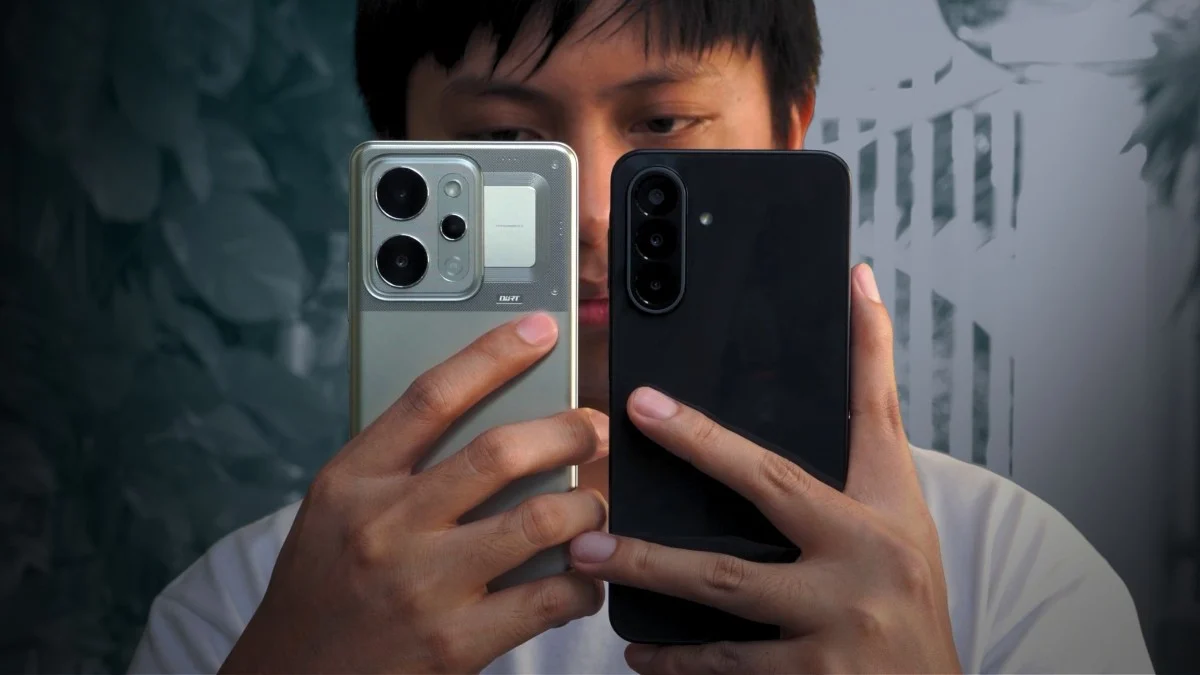
Both are priced closely, and on paper, their overall performance isn’t too far off from each other either. So the real question is: which one actually gives you more bang for your buck?
Let’s find out in this comparison review.
Design and Construction
Starting with the looks, you’d immediately notice the phone with the more recognizable design, and that’s the Galaxy A27.
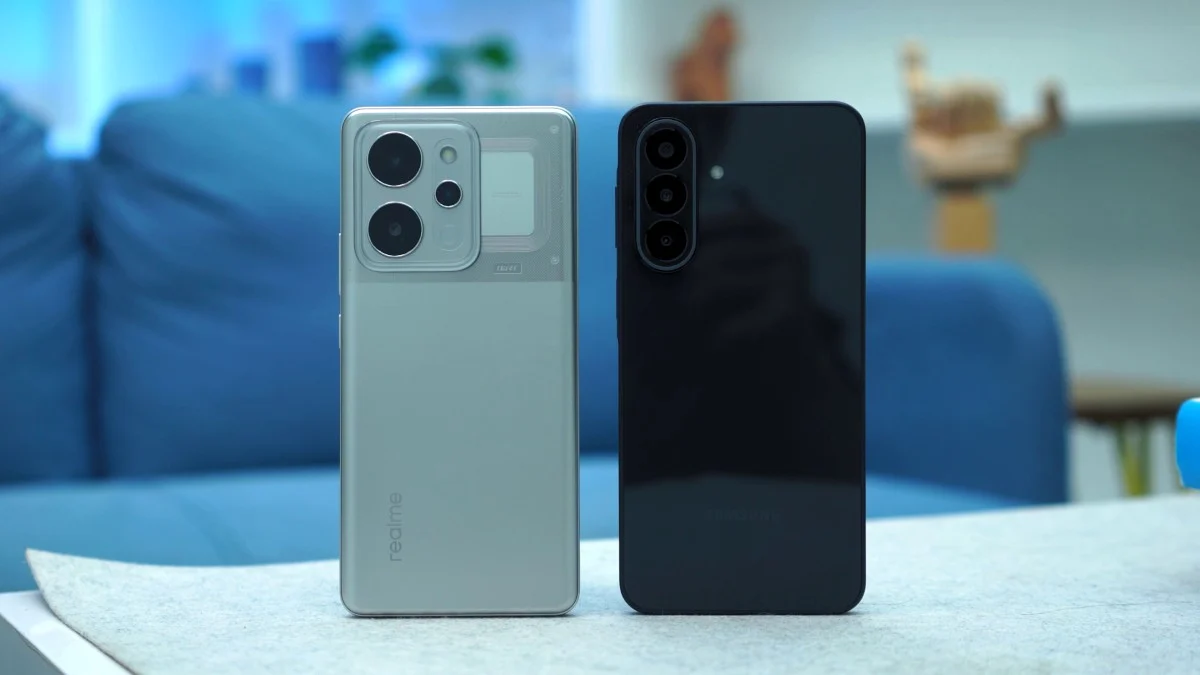
It’s rocking that familiar design language its pricier siblings also carry. There’s the vertically aligned camera lenses on the left, with a raised power button and volume rocker, and a flat edge design with glossy back.
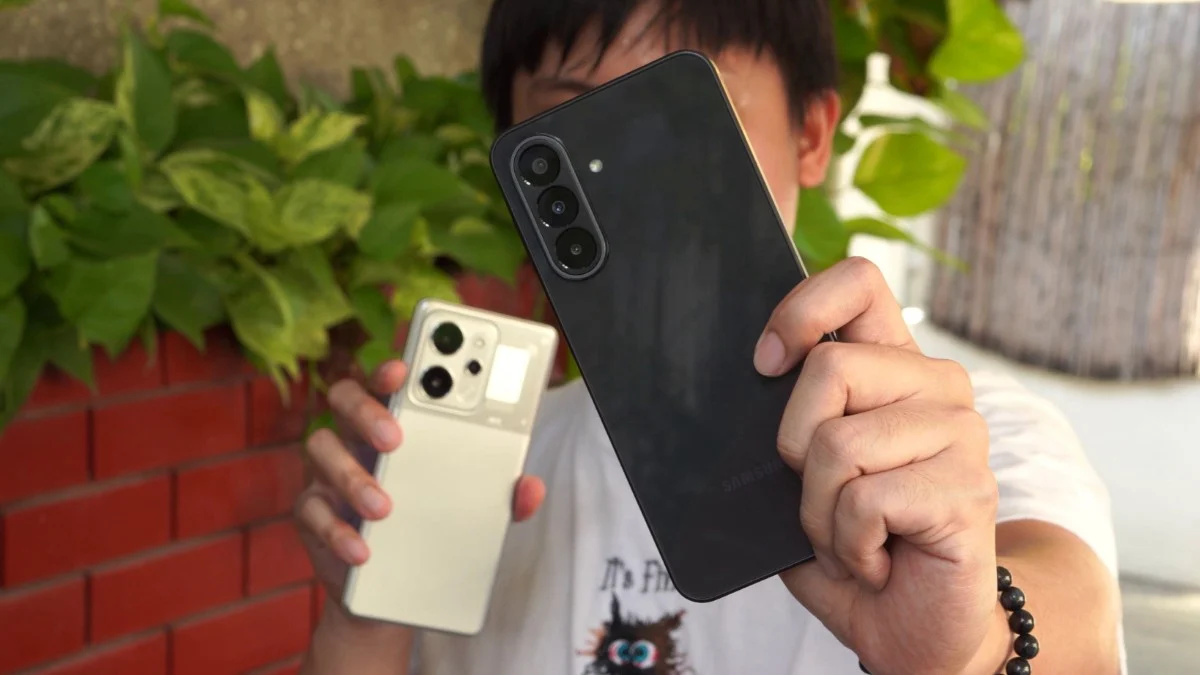
Meanwhile, there’s a lot more going on with the realme P4 Power’s design. It goes for a two-tone finish, with the larger half being plain while the other leans into a more industrial vibe. (Or should I say, Nothing-like.)
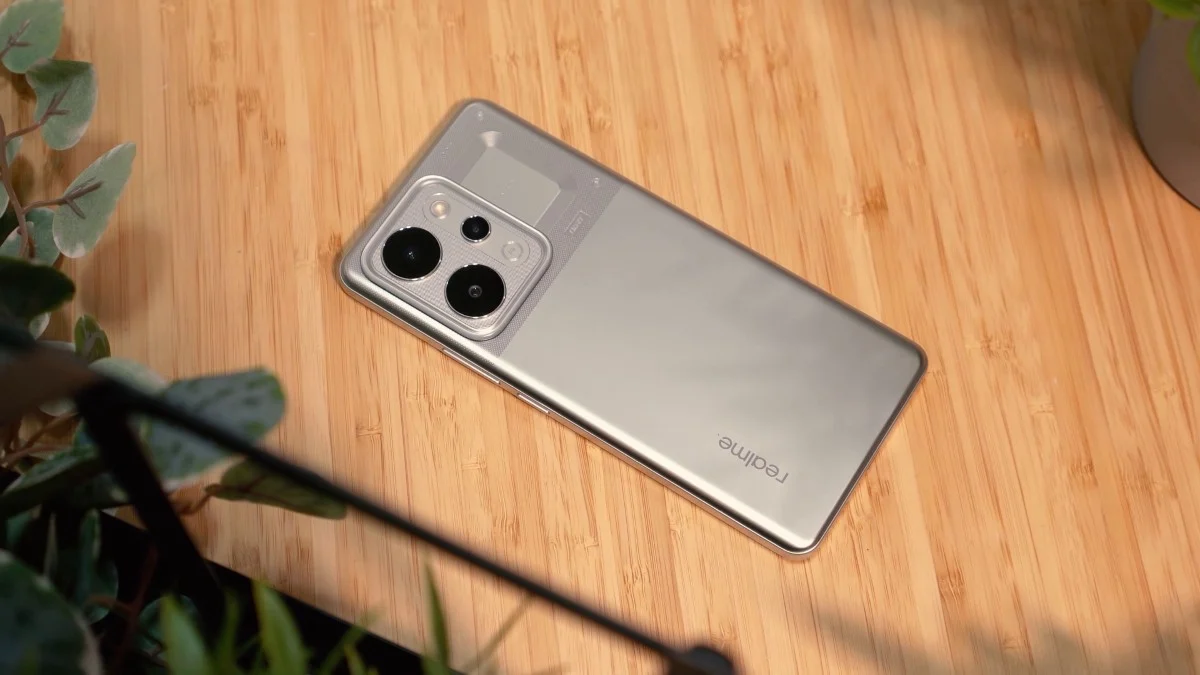
Its frame and back panel are also plastic, but with curved edges that make it a bit comfier to hold. However, unlike the Galaxy A27 with its actual three camera sensors around the back, the realme P4 Power only has two.
From a design standpoint alone, I’m leaning more toward the Galaxy A27 and its more minimalist approach.
That said, where the realme P4 Power pulls ahead is added protection. It’s rated IP66, -68, and -69K, giving it some of the highest dust and water resistance around. It also comes with military-grade shock resistance (MIL-STD-810H), and Gorilla Glass 7i for some scratch resistance up front.
The Galaxy A27, meanwhile, settles for the usual IP64 rating, though it does score better display protection with Gorilla Glass Victus+.
In other words, if you’re about the sleek looks, the Galaxy is your best bet. If added protection matters to you, the realme stands out in this regard.
Subjectively speaking, I’d still go with the Galaxy A27 since I’m not really the type of person who’d dunk a phone in the pool.
But hey, we still appreciate all the extra peace of mind the realme P4 Power provides.
Display, Multimedia, and Biometrics
Flip both phones over, this is where we see quite a big difference.
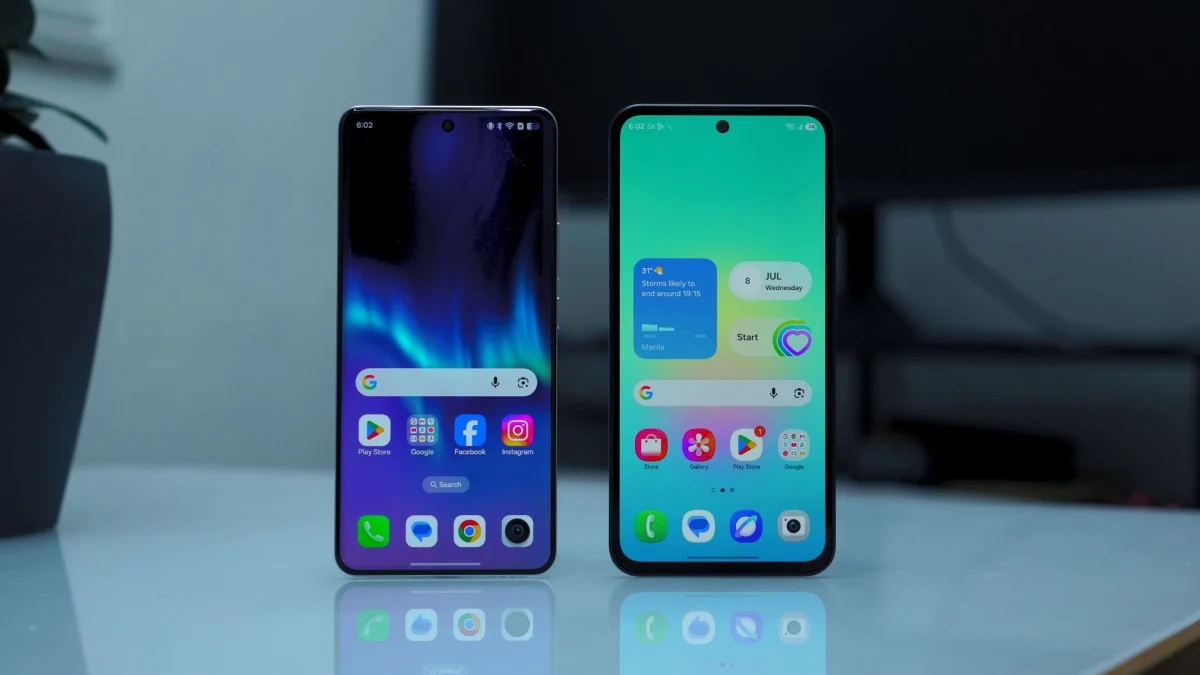
The realme P4 Power sports a 6.8-inch Curved AMOLED display with a higher screen resolution at 1.5K. On the other hand, the Galaxy A27 has a tad bit smaller 6.7-inch Full HD+ Super AMOLED display which is flat by the way.
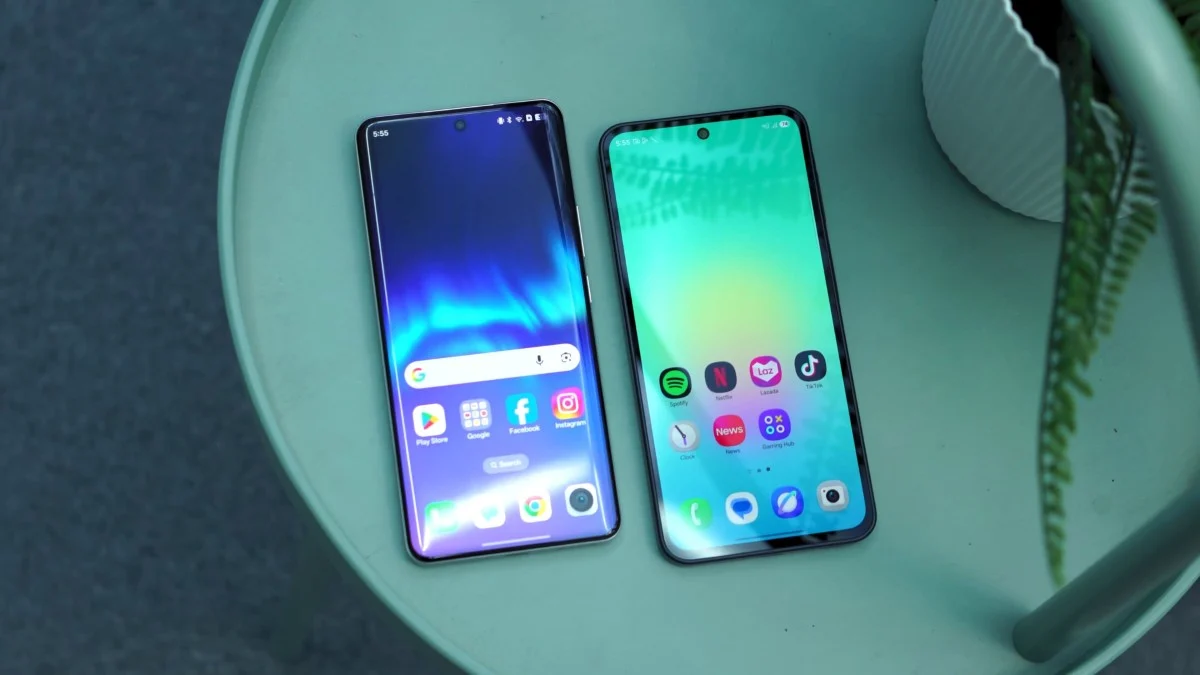
I honestly would’ve preferred a flat display as usual, but in this case? The Galaxy A27 kinda pisses me off with those thick bezels, especially at the chin. In contrast, the realme virtually has almost no bezels thanks to the illusion that curved display brings.
In terms of visuals, they’re pretty good. Colors are vibrant and I don’t see a massive difference in clarity. The listening experience, however, they’re both decent although the realme P4 Power offers the worse experience, having only a single-downward firing speaker.
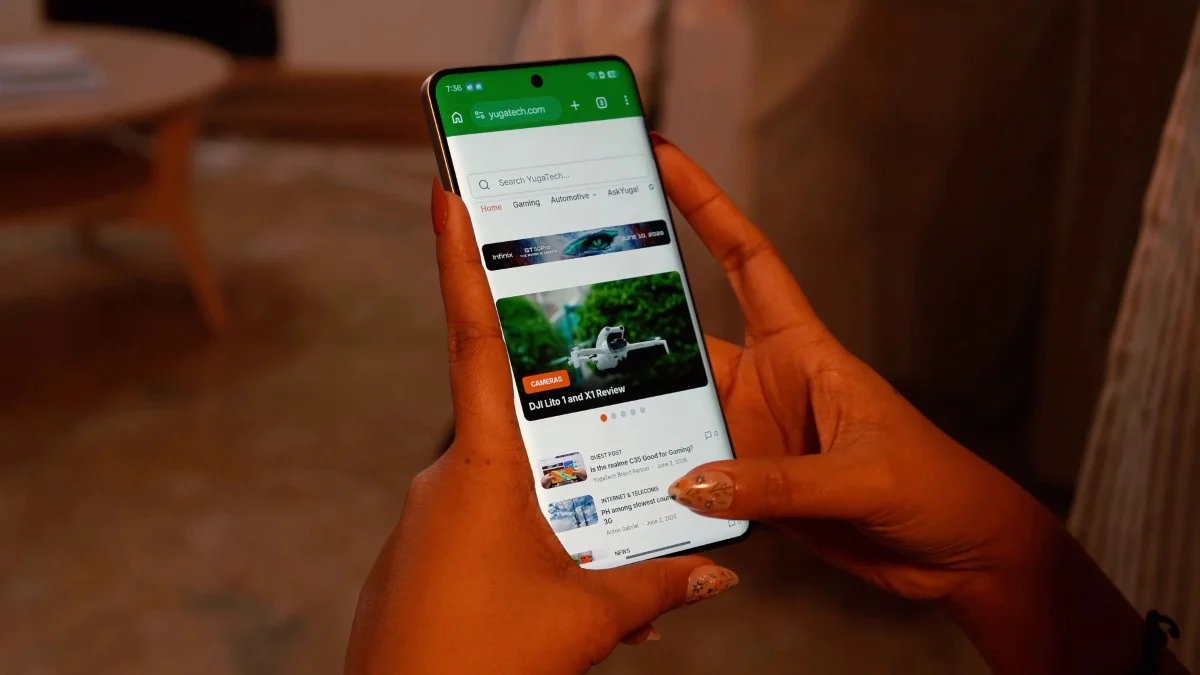
Scrolling is also a lot smoother on the realme P4 Power having a 144Hz refresh rate. The Galaxy A27 is left with the usual 120Hz.
The Galaxy A27 thankfully has dual stereo audio, so it gets a little more immersive watching content on this device.
For biometrics, realme features an under-display fingerprint sensor which is an optical one, while the Galaxy has a side-mounted sensor with its power button. That’s a weird decision by Samsung, although technically, side-mounted ones are generally faster and more secure than optical sensors.
That said, I’m still giving the point to the realme P4 Power mainly because it has a higher res display and thinner bezels all around.
Performance and Benchmarks
Performance-wise, they’re almost neck and neck.
The Galaxy A27 runs on the Snapdragon 6 Gen 3 with 8GB of RAM and 256GB of expandable storage. Yes, expandable! We did call this one out in our recent explainer video about microSD slots making a comeback, so this might just be the beginning.
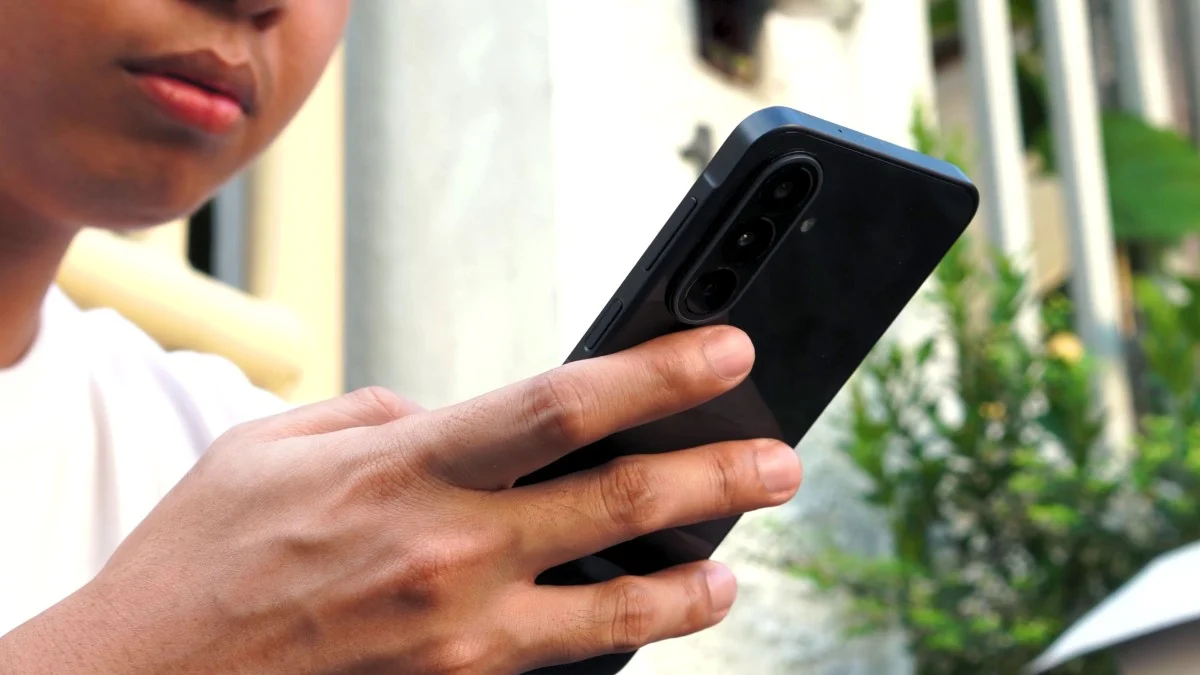
The realme P4 Power, on the other hand, packs the Dimensity 7400, which is slightly more powerful, along with a larger 12GB memory and 256GB of internal storage. No expansion support here, though.
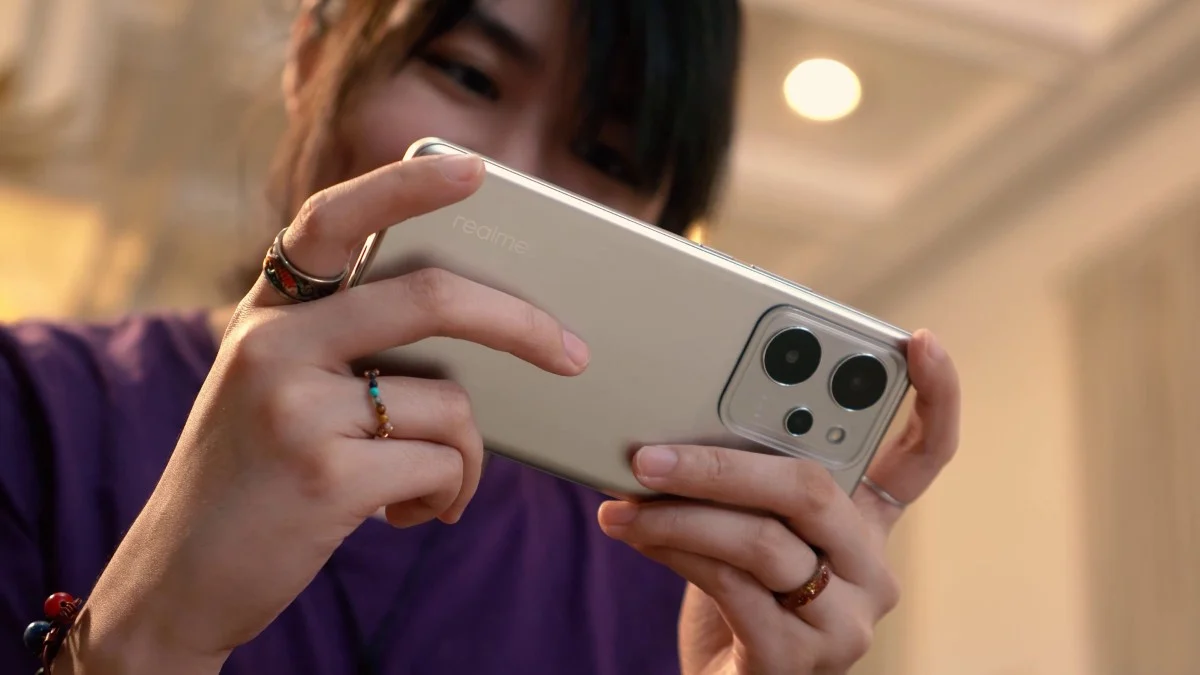
Both phones handle everyday tasks just fine, but I noticed the realme P4 Power feels a tad smoother to navigate around.
For gaming, you’ll want to set expectations accordingly. Both can run light titles like Mobile Legends smoothly at High frame rates with Low to Medium graphics.

But once you get into more demanding games like Genshin Impact, it’s playable, though not exactly buttery smooth.
| Benchmark | Samsung Galaxy A27 | realme P4 Power |
|---|---|---|
| Chipset | Snapdragon 6 Gen 3 | Dimensity 7400 |
| AnTuTu V11 | 818,338 | 1,028,603 |
| AnTuTu Storage | 78,490 | 104,049 |
| S.Read Speed | 1966.4 MB/s | 2,006.3 MB/s |
| S.Write Speed | 1865.1 MB/s | 1,877.7 MB/s |
| 3DMark Wild Life | 3,565 | Avg. FPS: 21.3 | 3,701 | Avg. FPS: 22.17 |
| Geekbench 6 CPU Single-Core | 968 | 1,062 |
| Geekbench 6 CPU Multi-Core | 2,918 | 2,977 |
| Geekbench 6 GPU Vulkan | 3,722 | 3,050 |
| Geekbench 6 GPU OpenCL | 2,249 | 3,045 |
| PCMark Work 3.0 performance | 13,020 | 16,254 |
| PCMark Work 3.0 battery life | 12 hrs & 8 mins | 29 hrs & 54 mins |
So, in this area, I’ll give it a tie since both phones have some edge: microSD expansion from the Galaxy A27, and the higher RAM config with the realme P4 Power.
Cameras
Now, in terms of cameras, they perform almost the same, too.
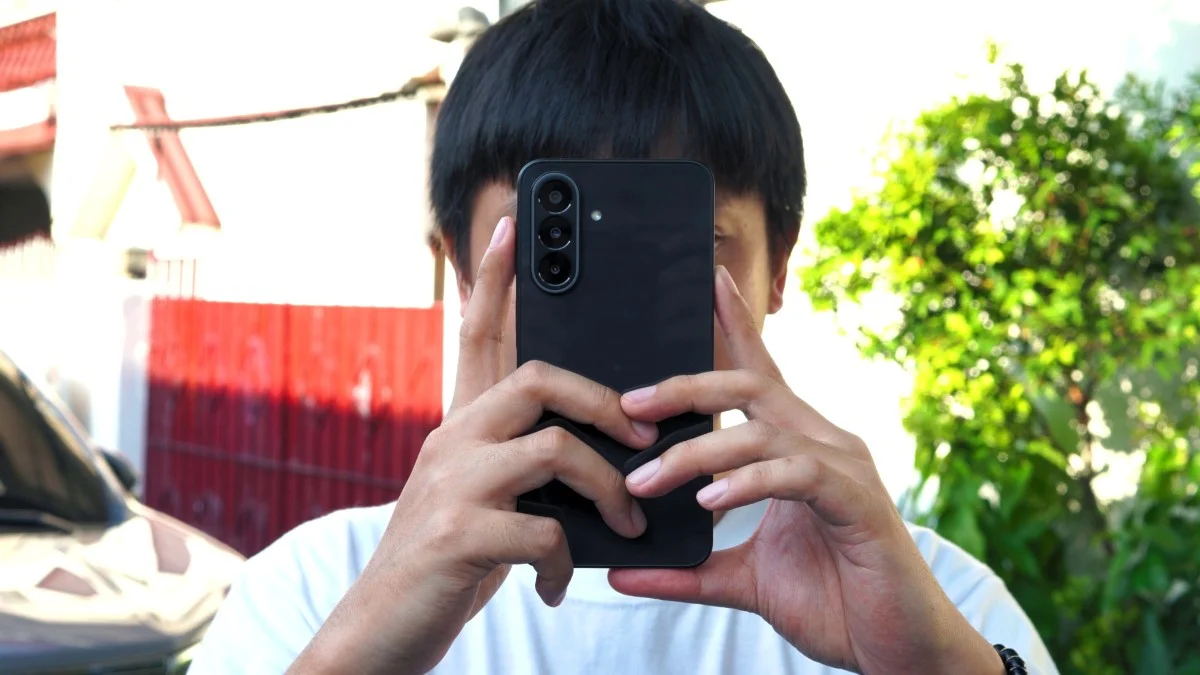
The Galaxy A27 features a triple setup consisting of a 50-megapixel main shooter, a 5-megapixel ultrawide, and a 2-megapixel macro sensor.
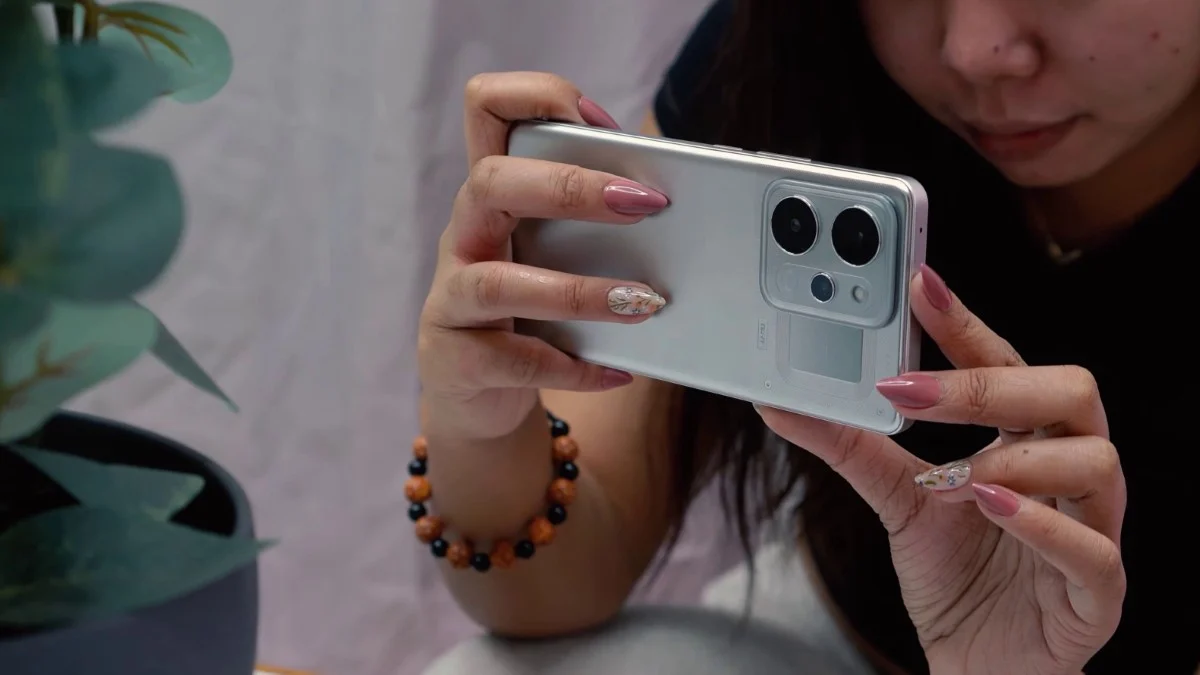
The realme P4 Power, meanwhile, goes with a dual setup, also rocking a 50-megapixel main camera paired with an 8-megapixel ultrawide lens.
Taking a look at our sample shots, in normal Photo mode, I prefer the shots from the Galaxy A27. They look more natural, while realme’s outputs tend to lean a bit more saturated.
Samsung Galaxy A27 sample shots (comparison)
Jul 8 – 10


realme P4 Power sample shots (comparison)
Jul 8 – 10


Ultrawide shots, though, look better on the realme, offering less noisy images and a relatively wider field of view.
Same goes for portraits, with the realme delivering more acceptable results, better subject-background separation and nicer colors. The Galaxy A27 struggles here, mostly turning out shots with badly processed bokeh.
Selfies also look better on the realme, with much more natural skin color and texture. I’m not a fan of how much paler my skin looks on the Galaxy A27.
As for video capture, both the realme P4 Power and Galaxy A27 can capture up to 4K at 30 fps.
However, clarity is noticeably better on the realme, though it does lean toward warmer colors. I also noticed that switching zoom levels on the Galaxy A27, say from 1x to 0.6x, causes the recording to briefly cut during the transition, so it’s not the smoothest experience.
On the realme, though, there’s a visual bug worth mentioning. While recording, it shows a 0.6x option, but tapping on it does nothing, so you can’t actually switch to it. Zooming in to 2x, though, works fine and doesn’t get cut during the transition.
That said, I’m giving the point to the realme for being the more reliable shooter overall.
Battery Life
Moving on to battery life, realme takes a big W here.
For starters, the realme P4 Power is packing a humungous 10,001 mAh battery. That’s double the amount of capacity than the Galaxy A27’s 5000 mAh.
That added capacity made actual difference here. No cap. In our PCMark battery life test, realme lasted almost 29 hours and 54 minutes while the Galaxy had a measly 12 hours and 8 minutes of uptime.
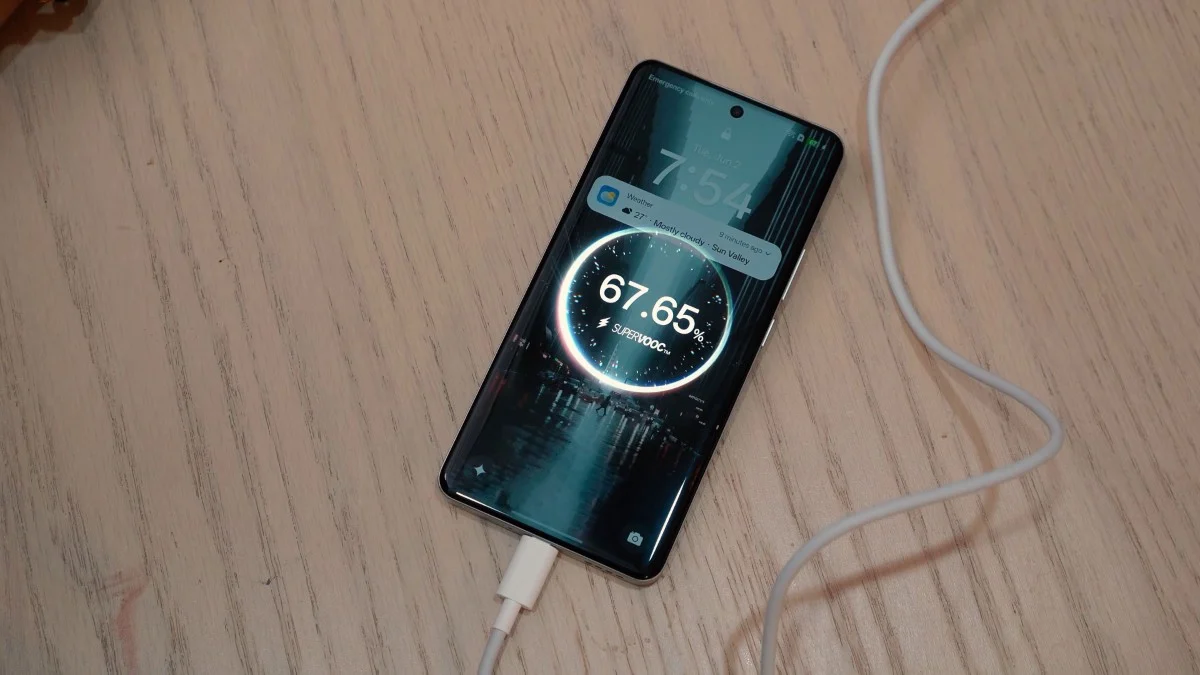
The P4 Power also has better charging specs with 80W wired and 27W reverse wired charging, and even bypass charging to boot! The A27 is left with the usual 25W wired and that’s it.
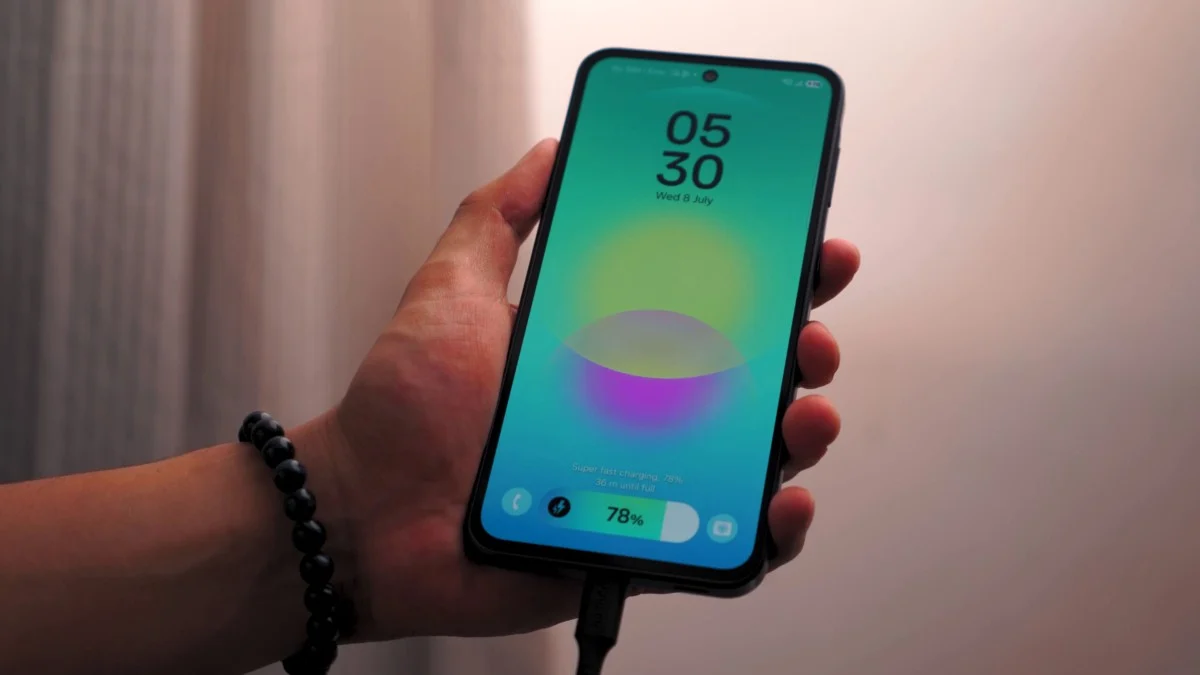
So, it’s no contest that the realme P4 Power gets a sweet point in this department.
Connectivity and Other Features
Onto the software side, I’m pretty sure you already know which one takes the point.
The Galaxy A27 ships with One UI 8.5 on top of Android 16, while the realme P4 Power runs realme UI 7, also based on Android 16.
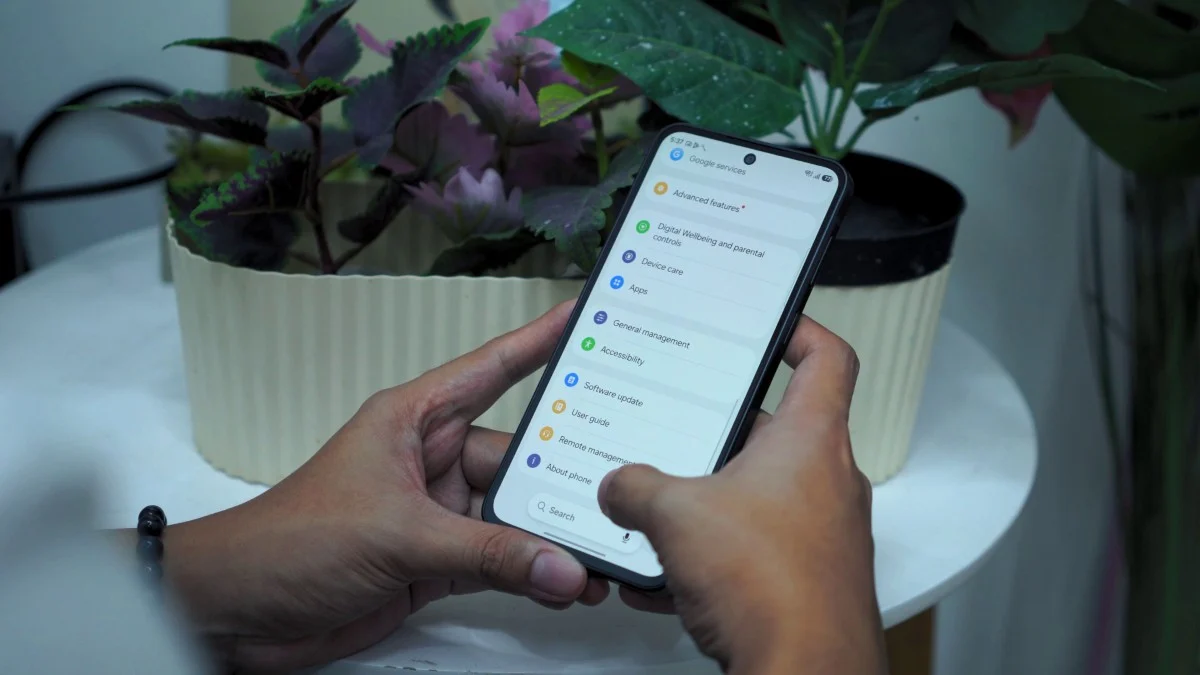
Both have their pros and cons, but overall, I’d say it really comes down to preference. Each has a distinctive design language albeit realme’s a bit more “inspired,” if you know what I mean.
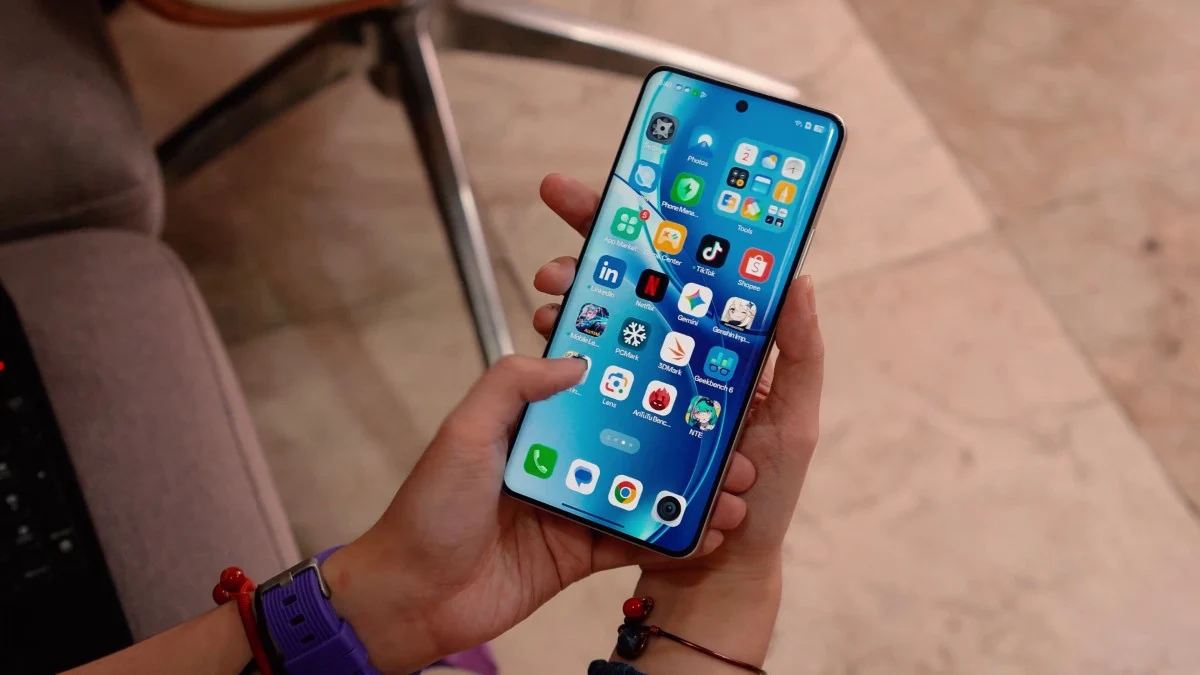
Still, like I said earlier, the experience feels smoother on the realme for some reason. It’s just more satisfying to navigate around.
But perhaps the Galaxy A27’s biggest advantage is its longer software support. Samsung is promising six years of not just security patches, but major OS upgrades as well. That means it should reach Android 22, assuming Samsung follows through on that promise.
I’ll take that kind of software support any day, since it directly translates to a longer life span.
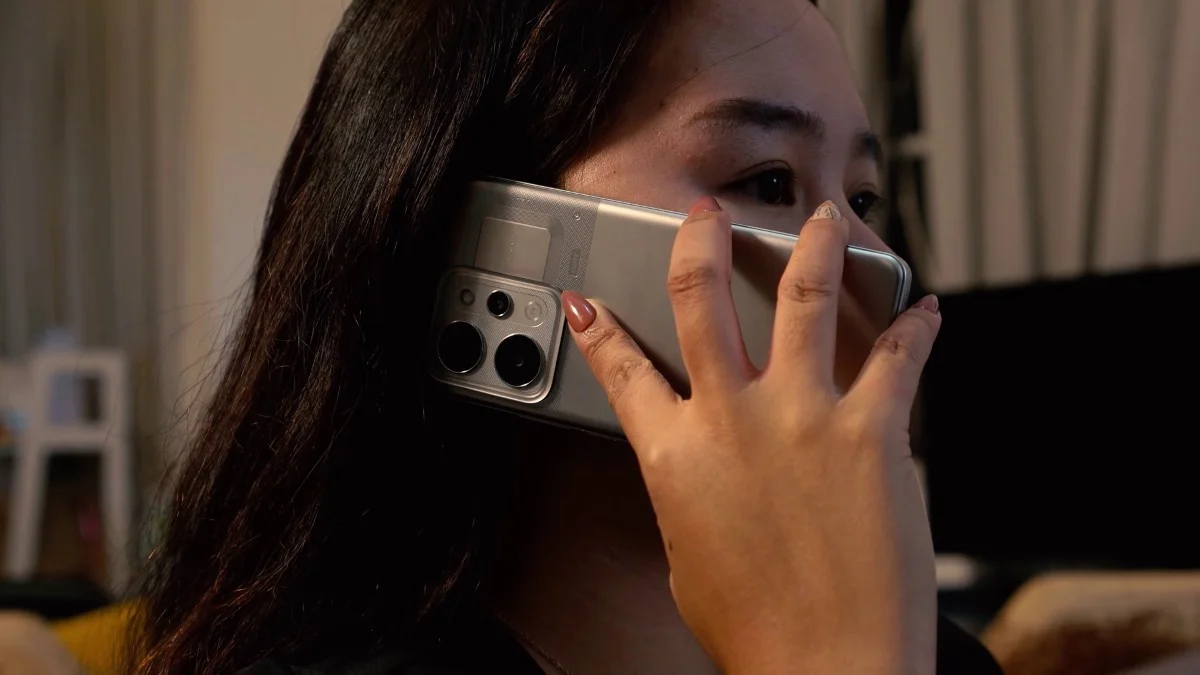
Connectivity-wise, both cover the essentials: 5G, NFC, and GPS. The realme does have one extra with an IR blaster for controlling home appliances, though.
Still, I’m giving the point to Samsung here for having a better software support.
Which one should you get?
So, tallying it all up, on pure points alone, this is already a win for the realme P4 Power. But we can’t talk value without talking price, and this is where things get interesting.
The realme P4 Power retails for PHP 25,999 for its only configuration at 12GB+256GB. The Galaxy A27, meanwhile, comes in two options: PHP 18,990 for 6GB+128GB, and PHP 21,990 for 8GB+256GB.
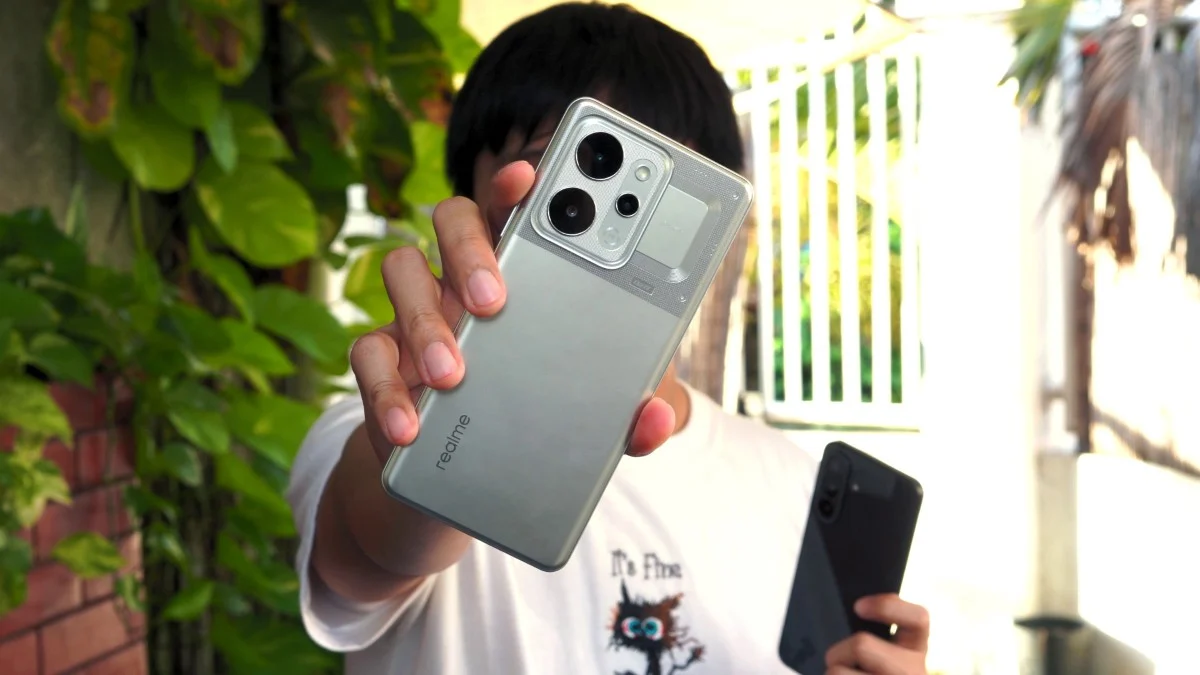
That’s a pretty significant gap. Even the higher A27 config still undercuts the realme by around Php4,000, and the base variant is a whopping Php7,000 cheaper.
So, is the realme P4 Power worth that extra cash? Depends on what you prioritize.
If you’re someone who’s constantly on the go, hates charging every night, and wants a display and camera setup that just performs better day to day, the realme P4 Power justifies its higher price tag. The battery life alone is genuinely an absolute advantage.
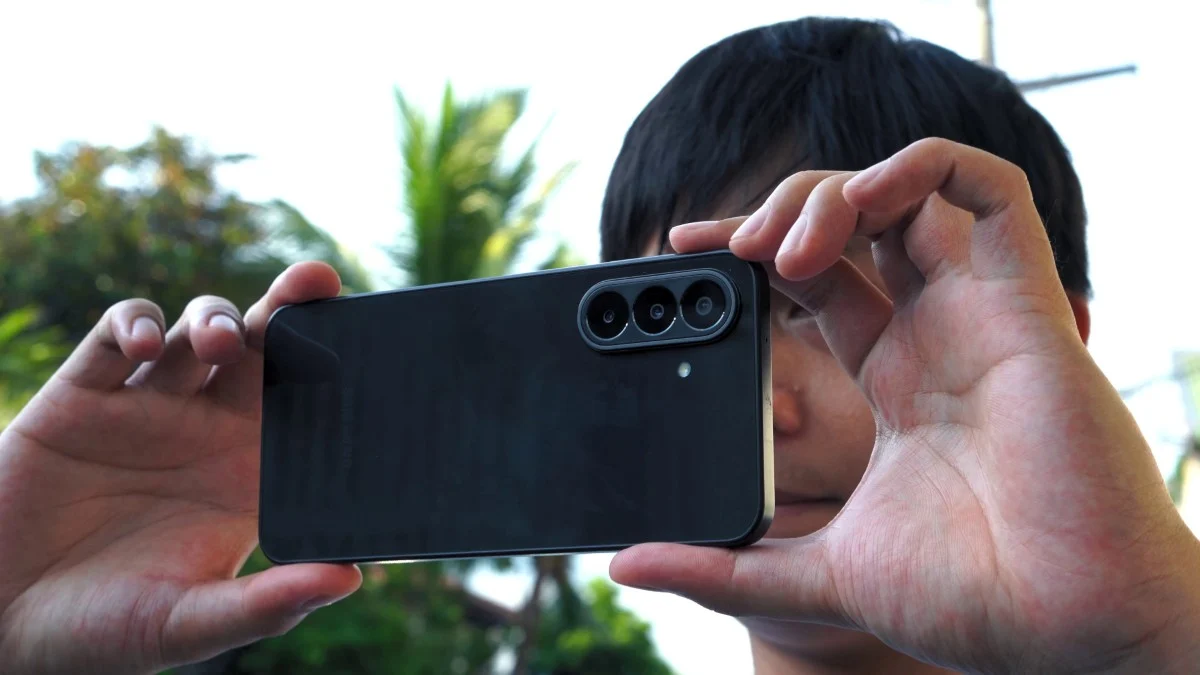
But if you’re after affordability, especially if the Galaxy A27 fits your budget, Samsung’s offering makes a lot of sense too. You’re getting longer software support, a more premium-looking design, and a lower price, even if you’re compromising a bit on battery and overall performance.
| Samsung Galaxy A27 | realme P4 Power |
|---|---|
| 6.7-inch FHD+ Super AMOLED | 6.8-inch 1.5K AMOLED display |
| 120Hz refresh rate | 1280 x 2800 pixels, 144Hz refresh rate |
| - | 6500 nits peak brightness, 1800 nits HBM |
| Corning Gorilla Glass Victus+ | Corning Gorilla Glass 7i |
| Snapdragon 6 Gen 3 | MediaTek Dimensity 7400 |
| 6GB, 8GB RAM | 12GB RAM |
| 128GB, 256GB storage | 256GB UFS 3.1 storage |
| Expandable up to 2TB via microSD | (Not expandable) |
| Triple rear cameras: | Dual rear cameras: |
| - 50MP f/1.8 main, OIS | - 50MP f/1.8 main, OIS |
| - 5MP f/2.2 ultrawide | - 8MP ultrawide |
| - 2MP f/2.4 macro | - |
| 12MP selfie shooter (punch hole notch) | 16MP selfie shooter (punch hole notch) |
| Dual nano-SIM (hybrid slot) | Dual nano-SIM |
| 5G, 4G LTE | 5G, 4G LTE |
| Wi-Fi 5 | Wi-Fi 5 |
| Bluetooth 5.1 | Bluetooth 5.4 |
| GPS | GPS |
| USB Type-C | USB Type-C |
| NFC | NFC |
| Side-mounted fingerprint sensor, face unlock | Under-display fingerprint sensor, face unlock |
| IP64 dust and water resistance | IP66, IP68, IP69K dust and water resistance |
| - | IR blaster |
| One UI 8.5, Android 16 | realme UI 7, Android 16 |
| 6 years OS and security updates | 3 OS upgrades + 4 years security patches |
| 5000mAh battery | 10,001mAh battery |
| 25W charging (wired) | 80W charging (wired) |
| - | 27W reverse wired charging |
| 162.4 x 78.2 x 7.8 mm (dimensions) | 162.3 x 76.2 x 9.09 mm (dimensions) |
| 200g (weight) | 219g (weight) |
| Black, Blue, Light Pink (colorways) | Flash Orange, Power Silver (colorways) |



0 Comments
Leave a Reply