

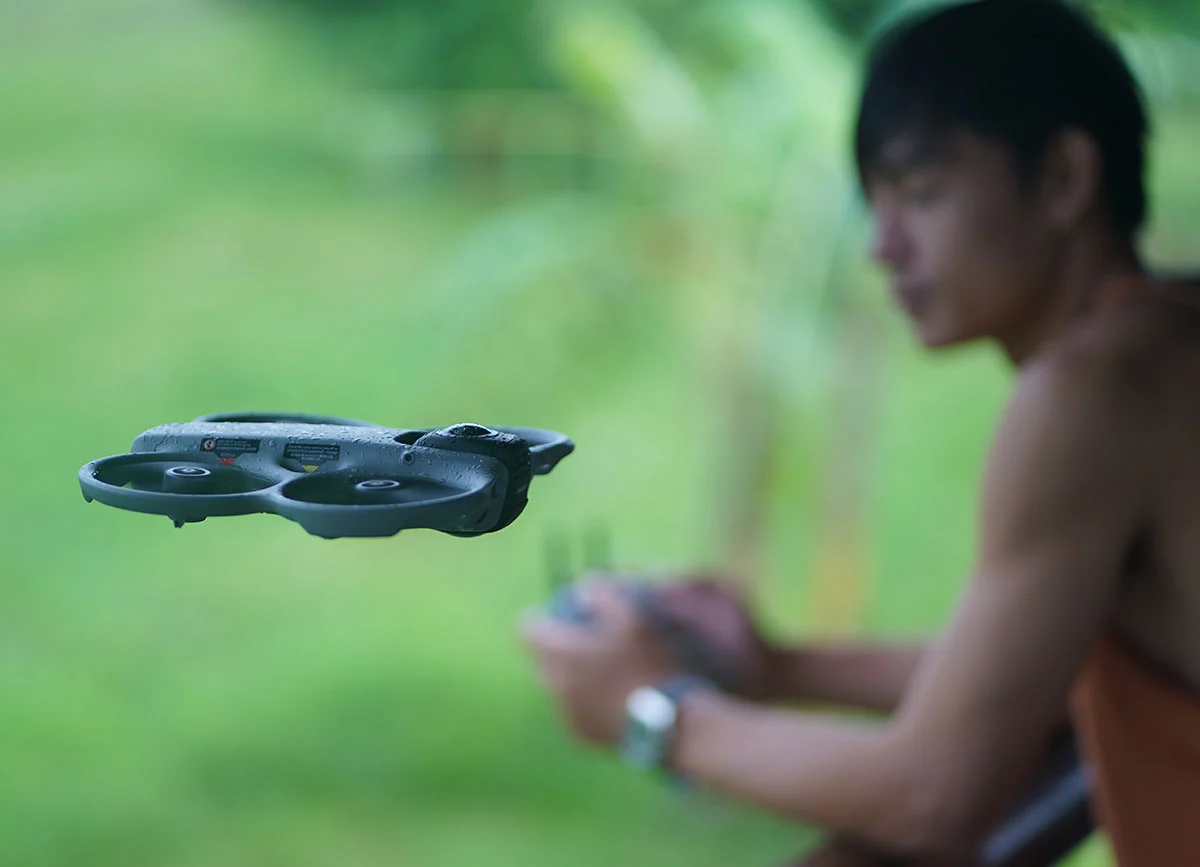
In the last few years, we’ve seen a number consumer-grade action cameras and vlogging cameras with 360 video recording capabilities. It became very popular among content creators, especially travel vloggers and outdoor sports enthusiasts. So, it was only a matter of time before this feature eventually got adopted by drones.
The DJI Avata 360 feels like a drone built for content creators looking to expand their current arsenal of video recording devices. Instead of worrying about perfect framing while flying, you can focus on movement first and decide on the final angle later, all thanks to its full 360-degree capture system.
That alone makes it a very appealing option for travel creators, car reviewers, real estate shooters, and anyone producing dynamic aerial video. For our team that produces automotive reviews, shooting creative angles and follow-focusing on a car traveling at more than 60kph is a walk in the park.
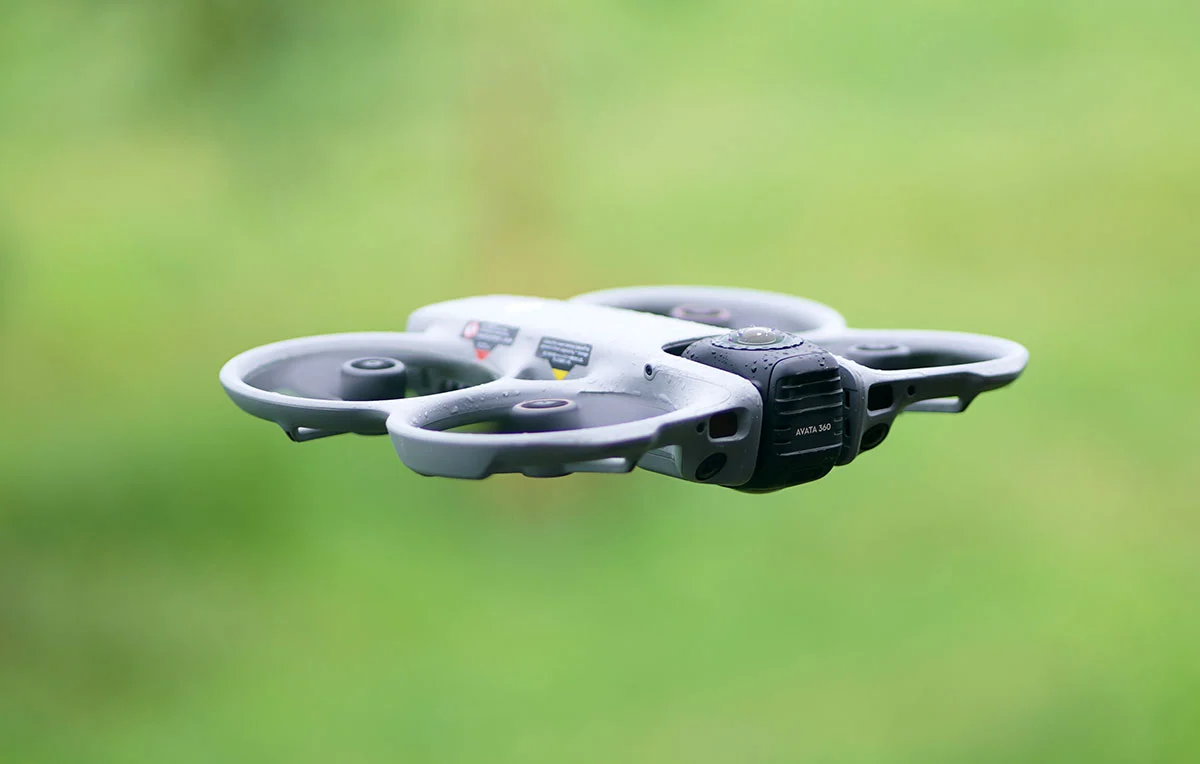
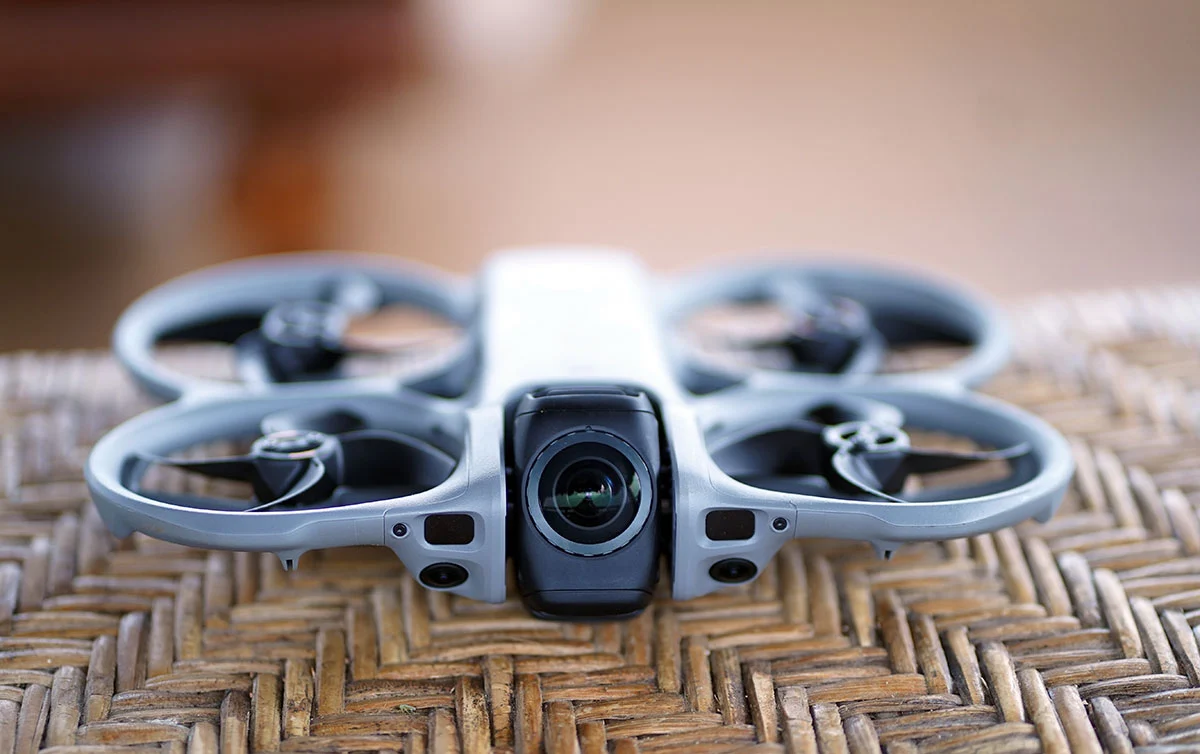
What sets the Avata 360 apart is its camera system. It uses dual 1/1.1-inch CMOS sensors and can record 8K 360-degree video as well as 120MP 360 photos, which gives creators plenty of resolution for reframing content across YouTube, TikTok, Facebook, and other platforms.
In practical terms, this means you can fly once, capture everything around the drone, and choose the best perspective later during editing. That is a major advantage for scenes that are difficult to repeat, such as resort fly-throughs, coastal shots, moving vehicles, or property tours.
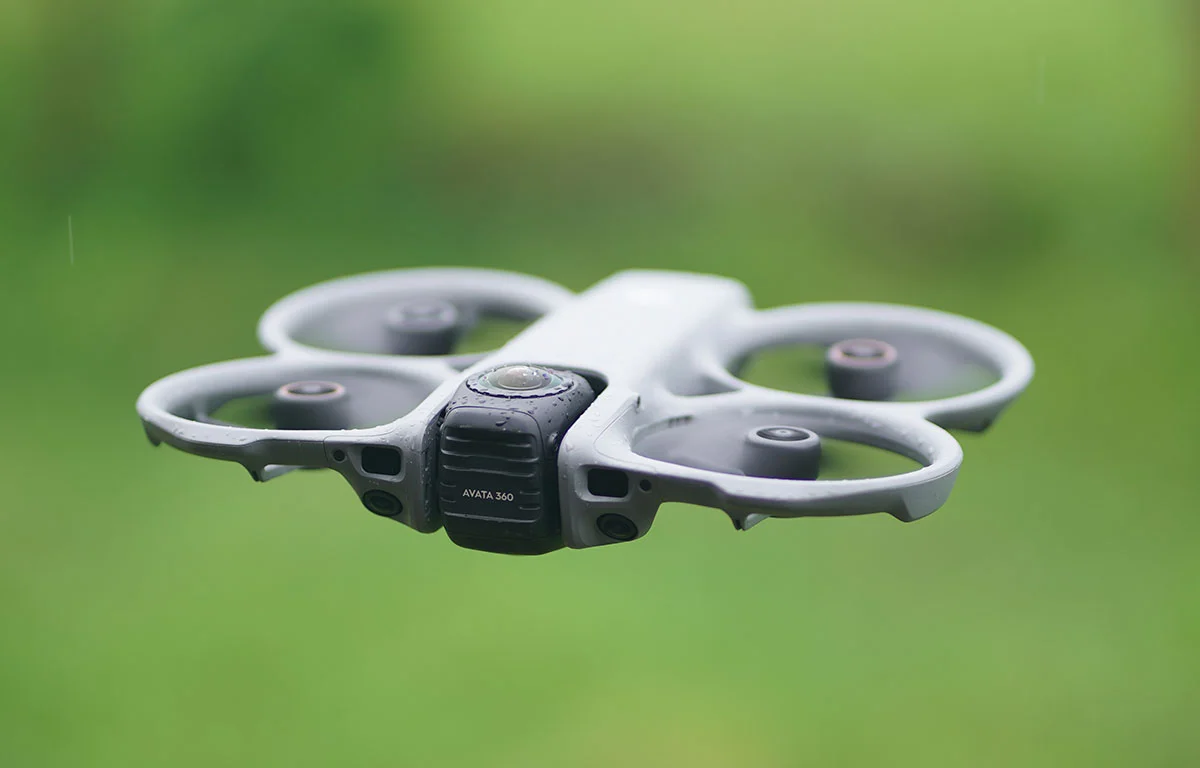
Another benefit of the 360 workflow is that it reduces the pressure on the pilot. With a conventional drone, you need to think about both flight path and framing at the same time. With the Avata 360, the drone captures the full scene, including the sky, which makes post-production more flexible and can reduce some of the cleanup work that other 360 workflows usually require.
If you are not planning to edit full 360 footage every time, the drone can also shoot standard forward-facing video through its physical pivot design, so it is not limited to one type of content creation.
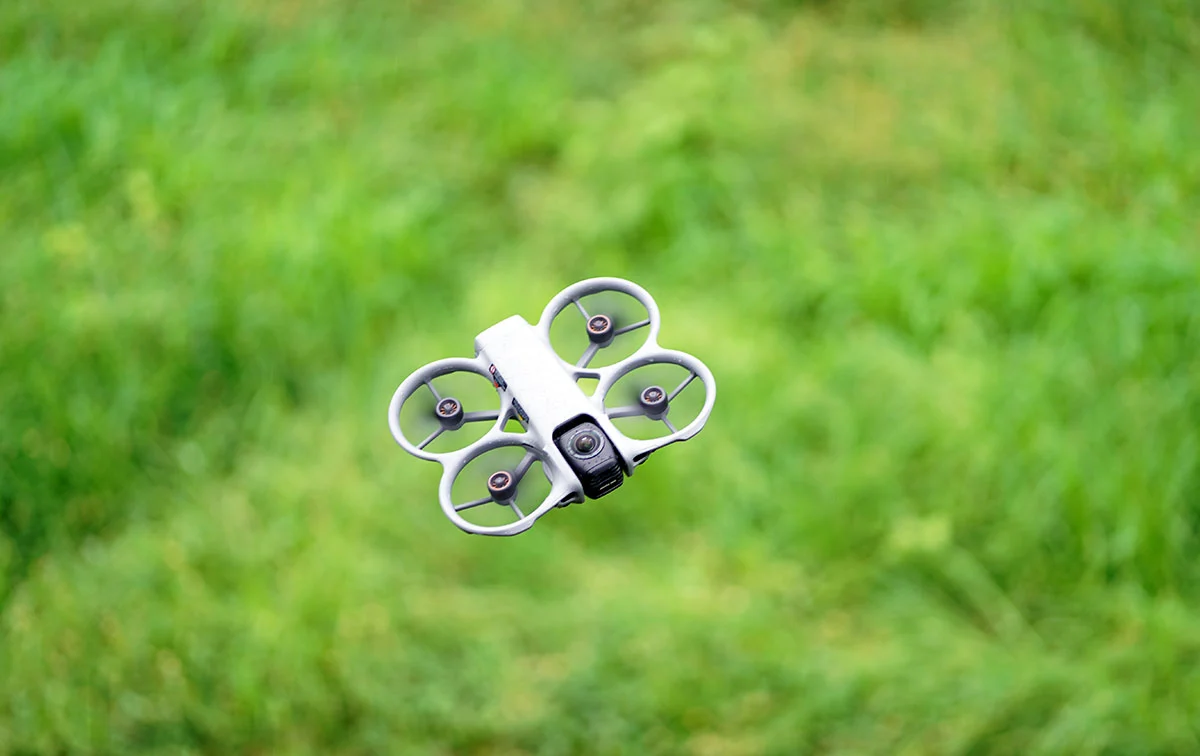
The Avata 360 also looks designed for creators who want a more forgiving FPV experience. It comes with built-in propeller guards, replaceable lenses, and obstacle sensing, all of which help make it less intimidating than a traditional FPV setup.
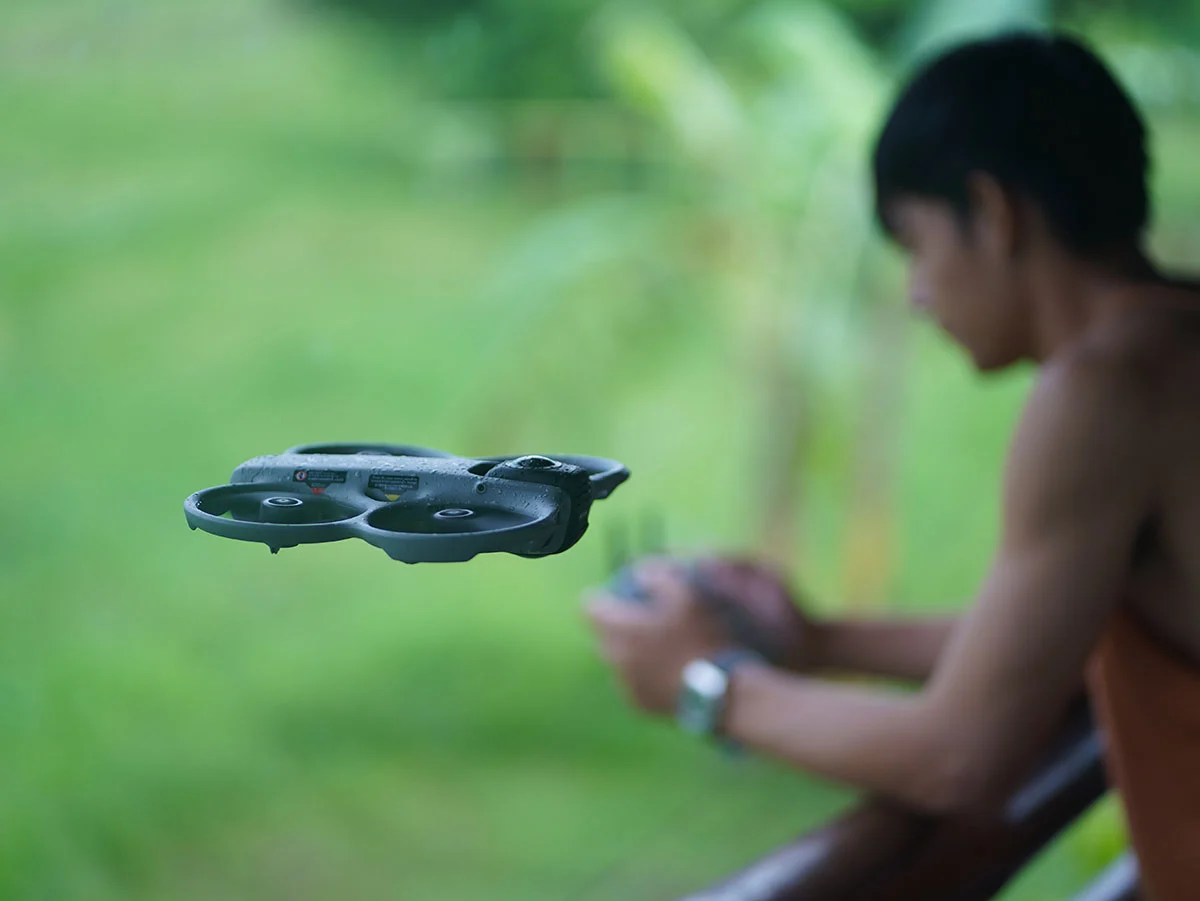
That matters because FPV flying can be exciting, but it can also be punishing for beginners. A drone that can survive minor crashes and get back in the air quickly is a practical advantage, especially for creators on a schedule.
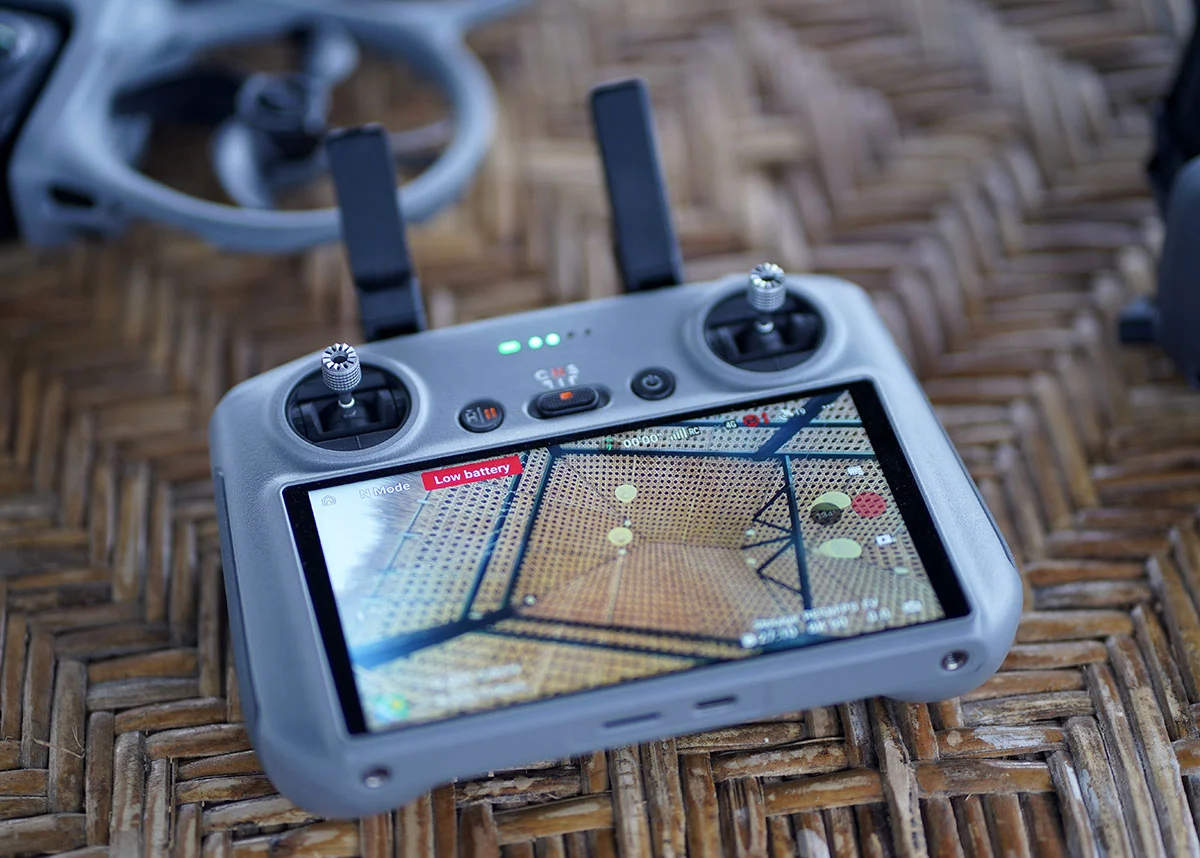
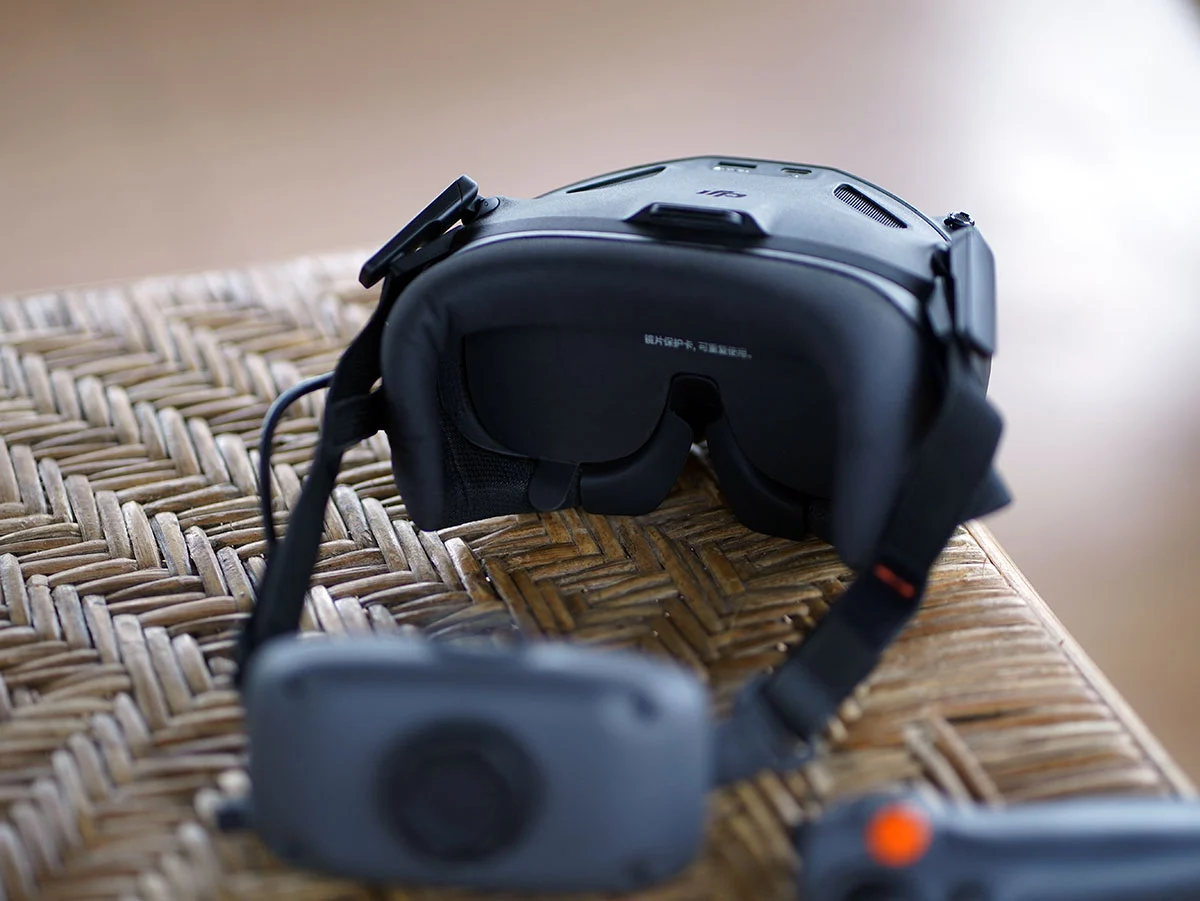
In terms of control options, DJI gives users some flexibility. You can fly it with a more traditional controller such as the DJI RC2 for a more familiar drone experience, or pair it with DJI Goggles and the Motion Controller for a more immersive FPV setup. I prefer the RC2 better because I’m used to it for the longest time, but the googles are also fun in some instances.
Flight time is listed at around 23 to 25 minutes per battery, which is decent for short-form productions, quick travel sequences, and social-first content shoots. This number drops by a few minutes depending on the wind conditions and recording mode you are using.
That should be enough for several useful takes before needing to swap batteries and I recommend getting the bundle with 2 extra batteries to get more flight time.
Check out some sample shots below:
The base package, which includes the drone and RC 2 remote controller, is priced at Php 38,290. A second bundle adds extra batteries, a charging hub and accessories for Php 47,890 while there is a third option that includes the drone, extra batteries and Goggles N3 and is also priced at Php 47,890.
The DJI Avata 360 looks like one of the most creator-friendly drones in its category. It combines immersive FPV flying with high-resolution 360 capture, a durable design, and enough flexibility to work for both experimental and mainstream video production. For creators who want more freedom in how they shoot and edit aerial footage, it appears to be one of the most interesting DJI drones available right now.


0 Comments
Leave a Reply