

For less than 5,000 pesos, this new budget release from itel doesn’t try to look like a budget phone at all.
Kini mao ang itel A200 nga nagpakita og pipila ka nindot nga mga feature sama sa 120Hz display, usa ka nipis ug gaan nga porma, rating nga IP65, ug usa ka disenyo nga tinuod nga tan-awon limpyo ug premium kaysa sa kasagaran nimong gilauman sa kini nga klase.

Ug sa usa ka merkado diin ang mga budget nga telepono kasagaran mobati nga mga kompromiso, gibalot sa plastik nga mga brick, kining mga feature naghatag na sa A200 og gamay nga bentaha.
Apan labaw pa sa hapsay nga pagpakita ug uso nga disenyo, mahimo ba kini nga tinuod nga magpabilin nga angay gamiton adlaw-adlaw? Atong susihon kini sa review.
Disenyo, Konstruksyon, ug Biometrics
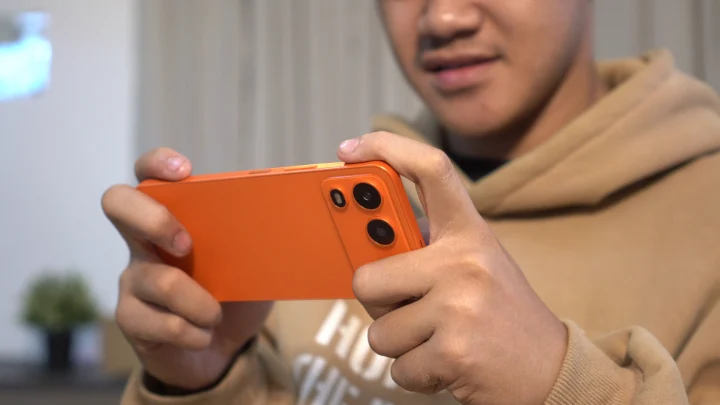
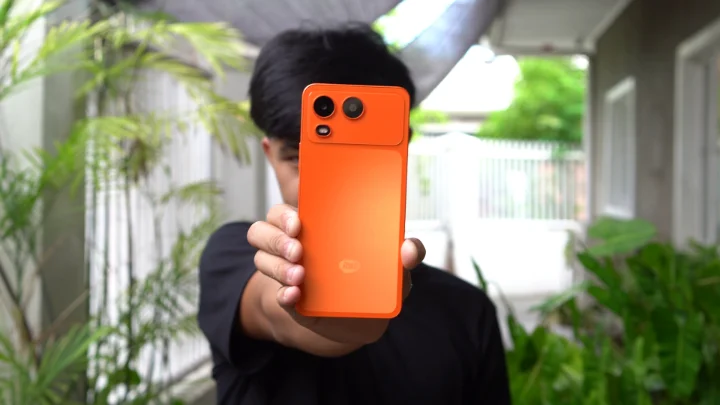
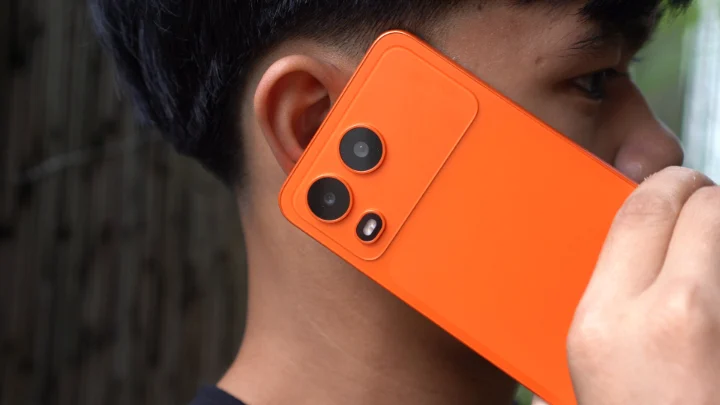
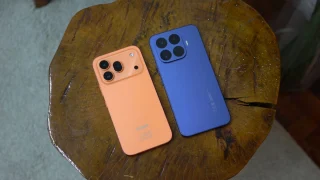
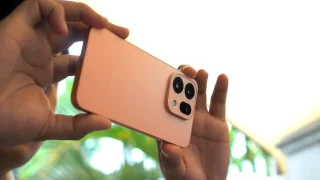
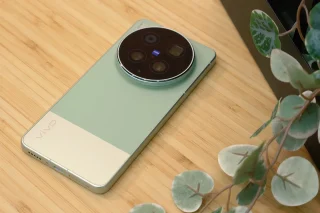
Nagsugod sa disenyo, ang itel A200 nagpunting sa pagtan-aw nga moderno uban ang gamay nga inspirasyon gikan sa kompanya sa prutas—nga klaro kaayo pinaagi sa kolor nga Comet Orange.

Despite being an affordable phone, it doesn’t immediately scream 'cheap' from a distance and honestly, that matters a lot in this segment.
Sa pagtan-aw sa likod, imong makita nga kini adunay tulo ka kolor nga tapus, nga tinuod nga mas nindot tan-awon kaysa sa presyo nga gipasabot.
Sa kamot, komportable ang paghawid sa telepono sa taas nga panahon. Ang patag nga kilid uban sa medyo nipis nga profile (sa 8.29 mm), ug gaan nga pagtukod nagpasayon sa pagdala niini.
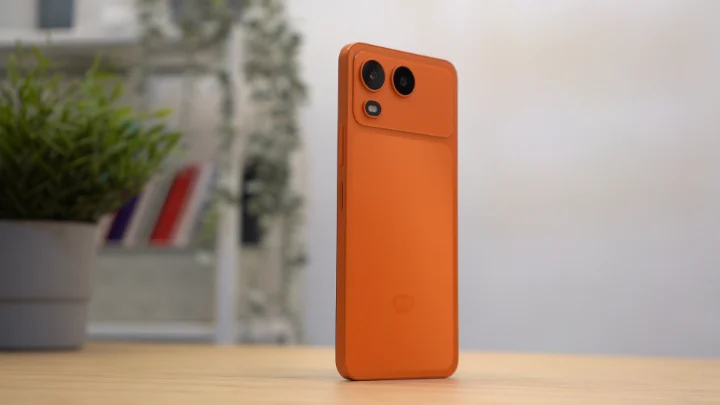
Ang itel nagdugang usab og IP65 nga proteksyon batok sa abog ug tubig kauban ang militar nga kalidad nga kalig-on, nga naghatag niini og mas dakong kumpiyansa para sa adlaw‑adlaw nga paggamit.
Siyempre, dili kini pasabot nga magsugod ka na og paghugas sa telepono sa lababo sama sa patatas, apan kini makahatag og kalinaw sa hunahuna batok sa aksidenteng pag-ambak sa tubig o pag-ekspos sa abog.
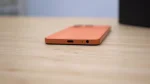
For buttons and ports, the power button which doubles as the side-mounted fingerprint sensor, and the volume rocker sit on the right. At the bottom, you get a USB-C port, a 3.5 mm headphone jack, a mic, and the SIM tray. And the mono speaker is at the top.
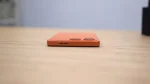
Going back to the power button, since it doubles as a capacitive fingerprint sensor, unlocking the phone is decently fast and reliable without needing to tap it multiple times.
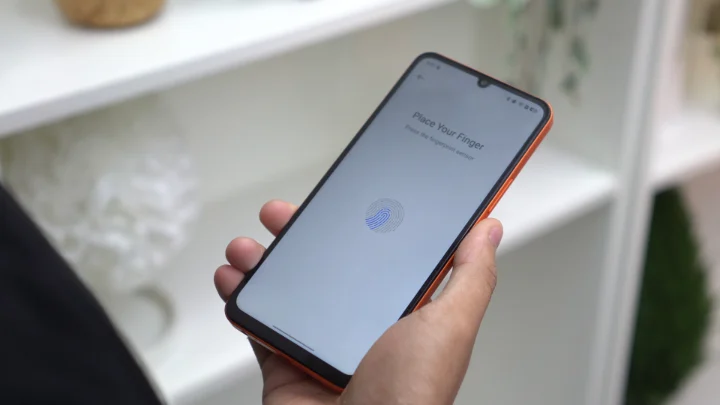
There’s also face recognition for added convenience.
Display ug Multimedia
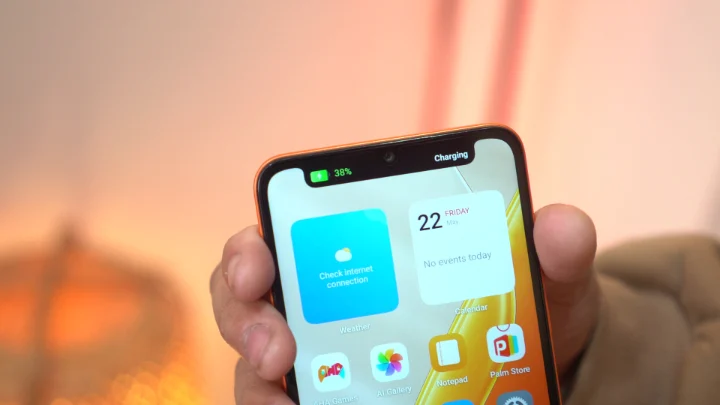
Flipping the phone over, the itel A200 features a 6.75-inch HD+ display with up to 120Hz refresh rate. itel didn’t really specify what panel this is using, but I’m pretty sure it's an LCD.
Klaro nga dili kini parehas sa flagship nga kal smoothness apan, alang sa usa ka telepono nga nagkantidad og PHP 4,799, ang kasinatian sa pag-scroll tinood nga humok ug hapsay sa kaswal nga paggamit. Ang pag-browse sa Facebook, TikTok o pagbalhin‑balhin sa mga app mas hapsay kaysa sa imong gilauman gikan sa kadaghanan sa entry‑level nga mga telepono.
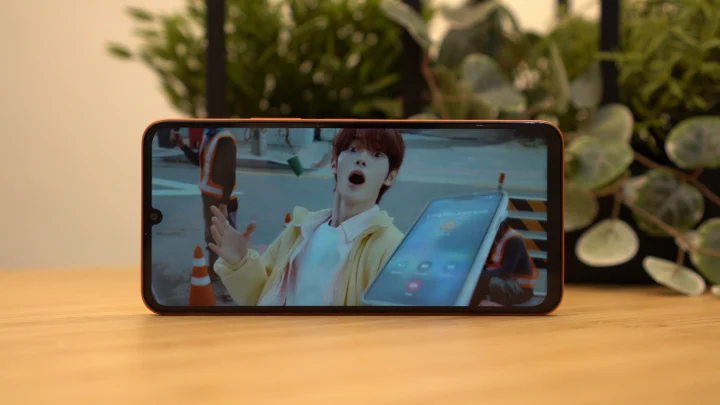
Ang mga bezel kay dagko, labi na sa baba, apan dili pud kini makalibog nga dako. Ang kinatibuk-ang atubangan nagtan-aw gihapon nga moderno gawas sa waterdrop nga notch nga nagkupot sa selfie camera.
Dili kini labing hayag apan base sa kasinatian, magamit gihapon kini sa gawas nga adunay patas nga pagkakita sa screen.
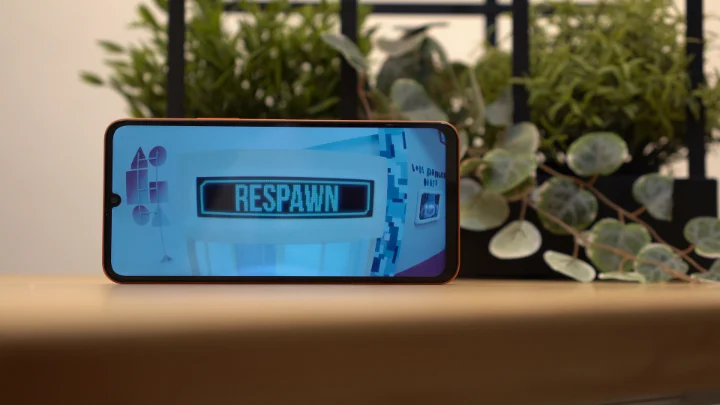
Para sa pagtan-aw og media, igo ra kini para sa YouTube, Netflix o kaswal nga pag-browse. Ang mga kolor kay angay ra para sa iyang klase, ang mas dako nga panel makatabang nga dili kaayo masiksik ang sulod, ug adunay angay nga viewing angles.
Ang kasinatian sa pagpaminaw, bisan pa, usa kini sa mga mas luya nga bahin dinhi.
Gamit ra kini ug usa ka mono speaker nga gibutang sa ibabaw ug, bisan pa man magamit, kanunay ko nga gipataas ang volume hapit sa maximum aron makakuha ug mas bug-at nga tingog. Ang kalidad sa audio medyo tin-aw ug kulang sa kusog, labi na sa musika o mga dula.
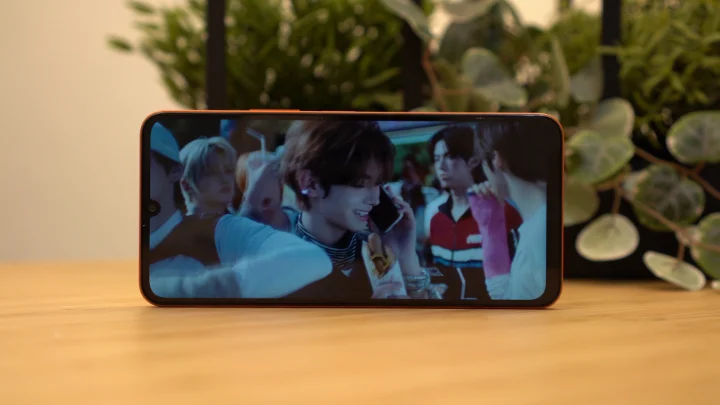
Thankfully, the inclusion of a headphone jack helps balance things out if you prefer wired earphones anyway.
Mga kamera
Sa pagbalhin sa mga kamera, ang itel A200 nagdala og 13-megapixel nga likod nga kamera ug 5-megapixel nga atubangan nga kamera.
There’s no denying that this is very, VERY much a budget-phone camera setup.
At first glance, photos can actually look surprisingly decent, especially in good lighting. Colors look vibrant enough for social media uploads and the processing tries its best to make images look visually appealing.
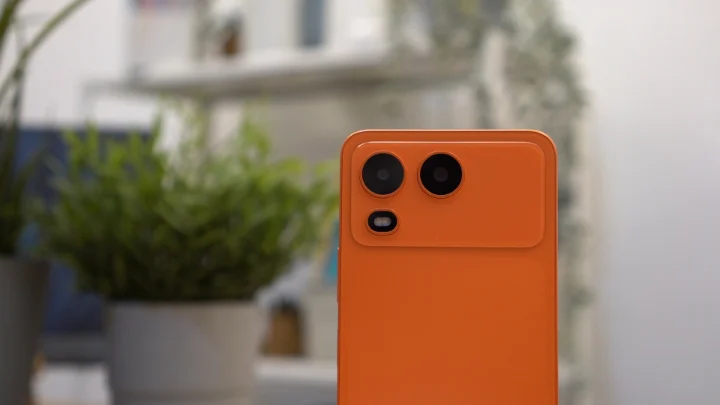
But once you start zooming into the details, the phone’s limitations become pretty obvious.
In daylight shots, the camera performs much better because the sensor doesn’t have to work as aggressively. Colors look more natural, textures become sharper, and shots are generally usable for casual snaps.
That said, the phone tends to slightly overexpose scenes to keep the image looking brighter. While that helps hide the grain and noise, it also means highlights can blow out pretty easily, especially on reflective surfaces or bright skies.
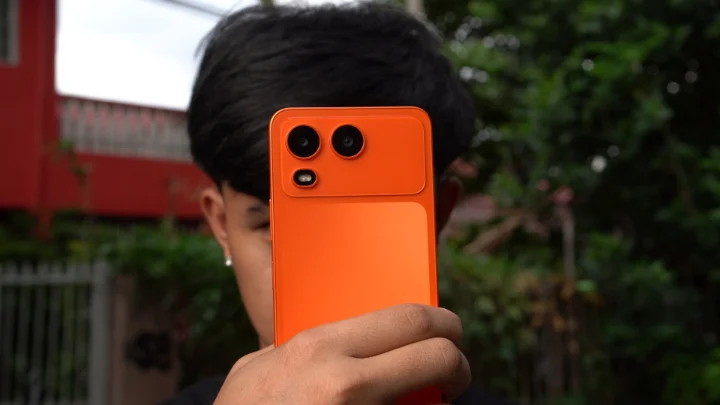
Low-light photography is where things fall apart more noticeably.
The camera struggles with scenarios that need a wider dynamic range, and often crushes darker areas into solid black just to hide sensor noise. If an object isn’t properly lit, detail can disappear rather quickly.
White balance also becomes inconsistent under colored lighting. Skin tones can suddenly take on weird tints depending on the ambient light around the scene. And while the phone aggressively smoothens noise in darker shots, it also removes texture and sharpness in the process, making images look soft and mushy when zoomed in.
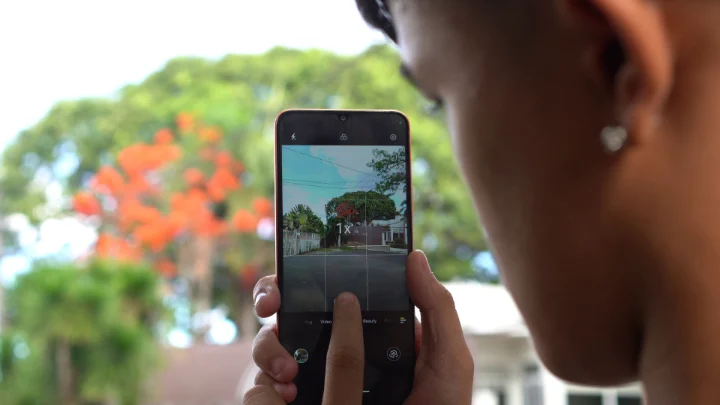
Selfies also tend to apply strong facial smoothing. Sometimes it looks acceptable while other times it starts turning skin into melted candle wax.
For video recording, the phone can actually shoot up to 2K@30fps using the rear camera which is surprising at this price point.
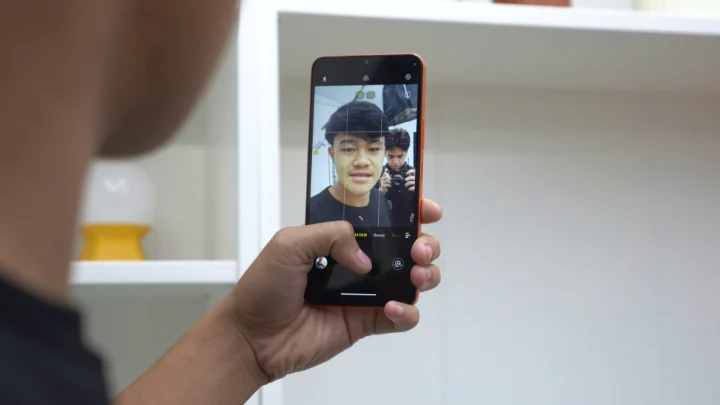
However, there’s no stabilization here, so footage can generally become shaky if your hands aren’t steady enough. Video quality is usable under good lighting but expectations still need to stay realistic for an entry-level phone such as this.
itel A200 sample photos
May 21 – 22


Sample rear video:
Sample front video:
Performance and Benchmarks
Performance-wise, the itel A200 is built mainly for basic daily tasks.
The phone is powered by the UNISOC T7250 processor paired with either 3GB or 4GB RAM.
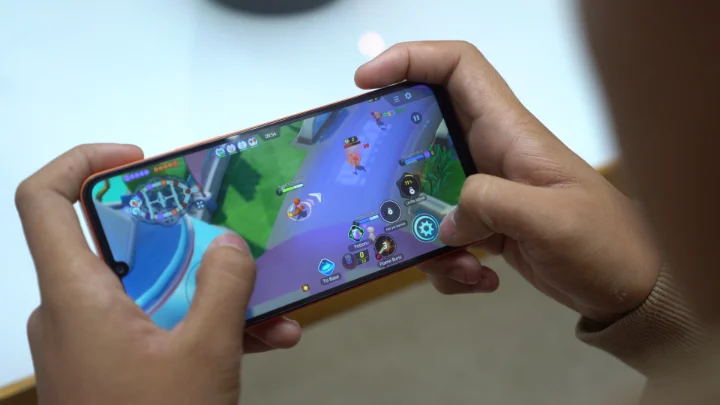
For normal use cases like messaging, social media, YouTube or light multitasking, the phone is surprisingly manageable. Apps open reasonably fine and scrolling around the system feels smoother than expected largely thanks to the 120Hz refresh rate and a bit of software optimization.
itel is clearly focusing more on making the experience feel smooth rather than chasing raw power.
Looking at the benchmarks, the A200 scored around 370,000 in AnTuTu version 11 with an average frame rate of just about 3 FPS in 3DMark Wild Life.
| Benchmark / Test | Result |
|---|---|
| Wild Life Overall Score | 566 |
| Wild Life Average FPS | 3.39 FPS |
| AnTuTu Benchmark v11.1.2 | 371,565 |
| AnTuTu CPU | 152,692 |
| AnTuTu GPU | 21,064 |
| AnTuTu Memory | 105,143 |
| AnTuTu UX | 92,666 |
| AnTuTu Storage Test | 19,136 |
| Sequential Read | 326.1 MB/s |
| Sequential Write | 262.5 MB/s |
| Random Access | 92.3 MB/s |
| Mixed Multi-Random Access | 72.4 MB/s |
| Mixed Random Access | 16.8 MB/s |
| AI Read | 1,093 |
| Multi-AI Read | 67.1 MB/s |
| PCMark Work 3.0 Performance | 8,748 |
| PCMark Work 3.0 Battery Life | 14 hours and 56 minutes |
So realistically, this is not made for gaming.
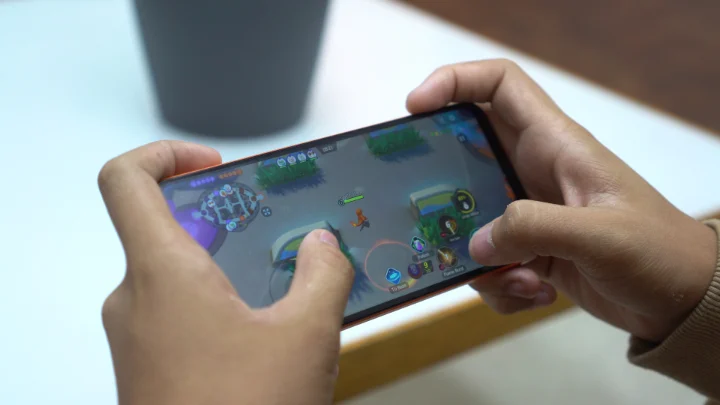
Pokémon Unite already shows some lag even if it’s set to Recommended settings. Meanwhile, Call of Duty: Mobile also struggles even on low graphics.
A MOBA game like Mobile Legends remains playable for casual matches, though you can still notice occasional frame drops during heavier team fights.
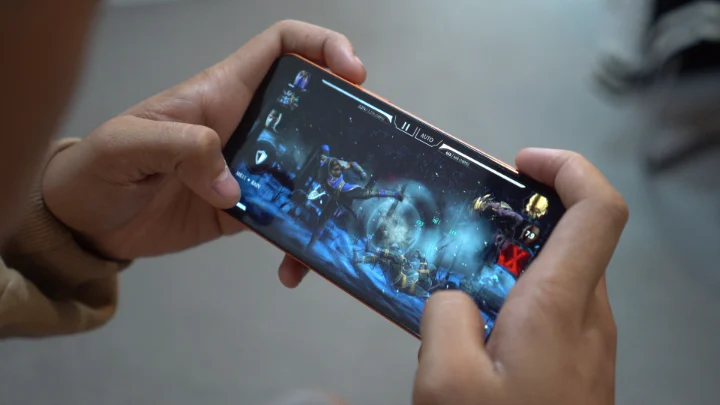
Mortal Kombat Mobile also runs with occasional lag during matches especially once the skill effects start piling up on screen. The experience is not the fastest since loading times occasionally take a while.
And for heavier games? Things become much more difficult.
Titles like Wuthering Waves, Genshin Impact, Neverness to Everness, and Honkai: Star Rail are either unplayable, crash frequently before you can get to the game itself or can’t even be installed properly in some cases.
Thermals are manageable though. The device gets a bit warm during gaming sessions but never reaches a point where it becomes uncomfortable to hold.
OS, UI, and Apps
On the software side, the itel A200 runs Android 15 Go Edition with itel OS 15 layered on top.
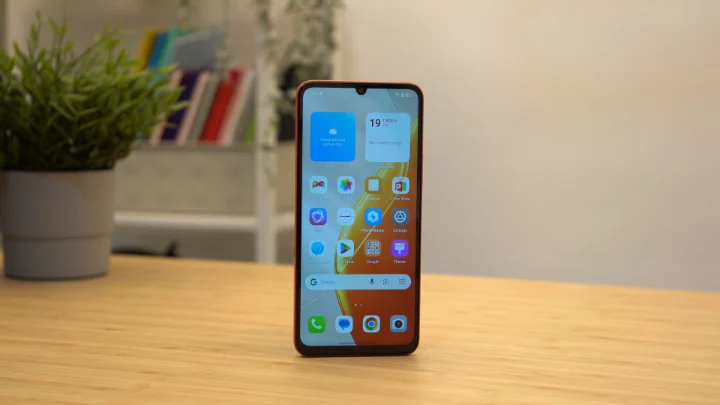
The interface is fairly straightforward and easy to understand even for first-time smartphone users. Navigation is simple and animations remain reasonably smooth during lighter use.
However, there’s definitely a noticeable amount of bloatware here.
Several pre-installed apps come loaded out of the box and there are also occasional ads within parts of the system experience. Thankfully, some apps can still be removed if you want to clean things up a bit.
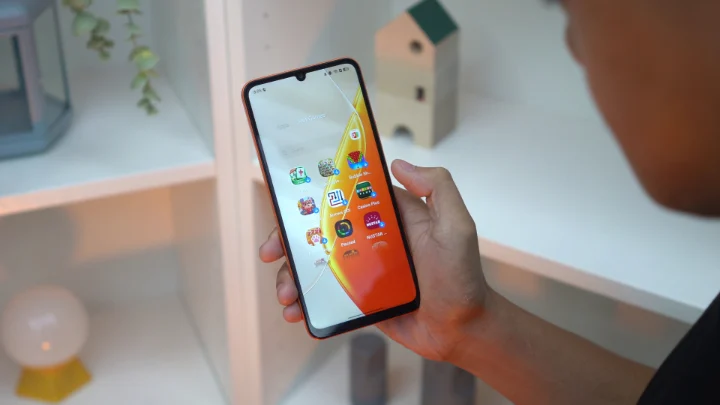
Being Android Go Edition, the system also feels lighter compared to the full Android experience which helps the phone stay responsive despite its modest hardware. There are some limitations though, especially once you start trying heavier apps or games.
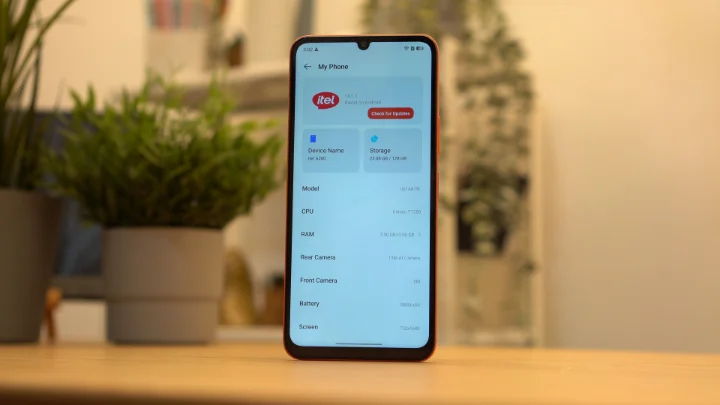
For casual users, the software experience remains serviceable enough for daily communication, entertainment and social media use.
Connectivity and Battery Life
Battery life is actually one of the stronger areas of the itel A200.
It packs a 5,000mAh battery and during normal use, it comfortably lasts through a full day, and standby drain is also decent.
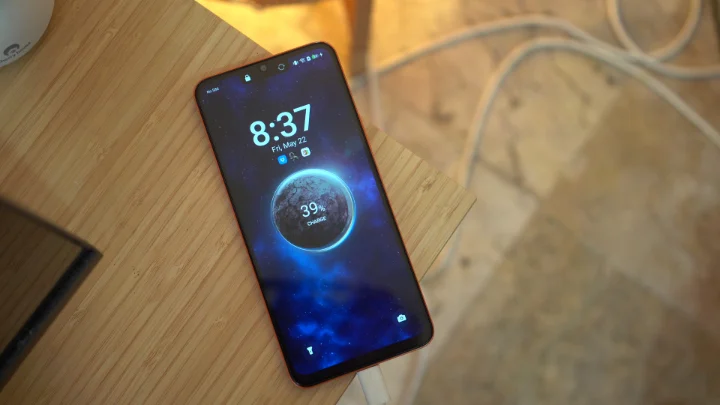
The phone lasted 14 hours and 47 minutes in our video loop test while PCMark Battery Life reached 14 hours and 56 minutes which are respectable results for this category.
Charging is handled through a 15W USB-C charger. It’s not particularly fast by today’s standards but considering the price, it gets the job done well enough.
Connectivity-wise, the essentials are present -- Bluetooth, Wi-Fi, GPS, USB-C and the previously mentioned headphone jack.
Conclusion
With all that said done, the big question is simple: should you buy the itel A200?
At PHP 4,799, the A200 clearly understands what kind of audience it’s aiming for.
This is a phone built for users who mainly want a modern-looking device with a smooth display, long battery life, decent durability, and enough performance for everyday tasks without spending too much money.
For that purpose alone, it does a pretty decent job.
Of course, compromises are still very present. Gaming performance is limited, the cameras heavily rely on software tricks, the mono speaker lacks depth, and the bloatware and system ads can get annoying.
Then again, this is a sub-5,000 peso smartphone that we’re talking about. And within that context, the itel A200 manages to deliver an experience that feels more polished rather than being cheap.
What we liked:
- 120Hz display feels smooth for everyday scrolling
- Slim and premium-looking design
- Good battery life for daily use
What we liked less:
- Gaming performance is quite limited
- Mono speaker sounds tinny and lacks punch
- Photo highlights can get overexposed
itel A200 specs:
6.75-inch 720×1600 display
120Hz refresh rate
UNISOC T7250 octa-core processor
3GB, 4GB RAM (+5GB, +8GB extended RAM)
64GB, 128GB storage
13MP rear camera
5MP front camera
Android 15 (Go edition) based itel OS 15.1.2
5000mAh battery, 15W Type-C charging
8.29mm thin

0 Comments
Leave a Reply