

The new Samsung Galaxy Z Fold 7 is the thinnest it’s ever been. But aside from being thinner, it’s also more capable. The cover screen is also bigger, meaning you don’t have to open the main display that often anymore. Best of all, there’s a new 200MP main camera, which appears to be lifted from the Galaxy S25 Ultra.
But if you’re currently using the Galaxy Z Fold 6, is it worth it to upgrade to the slimmer Galaxy Z Fold 7? While there is a lot of new stuff, the Galaxy Z Fold 7 is also significantly more expensive.

Well, fortunately, we have both phones. So if you’re curious whether or not it’s worth the upgrade, I suggest you stay tuned to find out as we compare the new Samsung Galaxy Z Fold 7 to the older Galaxy Z Fold 6.
Design and Construction
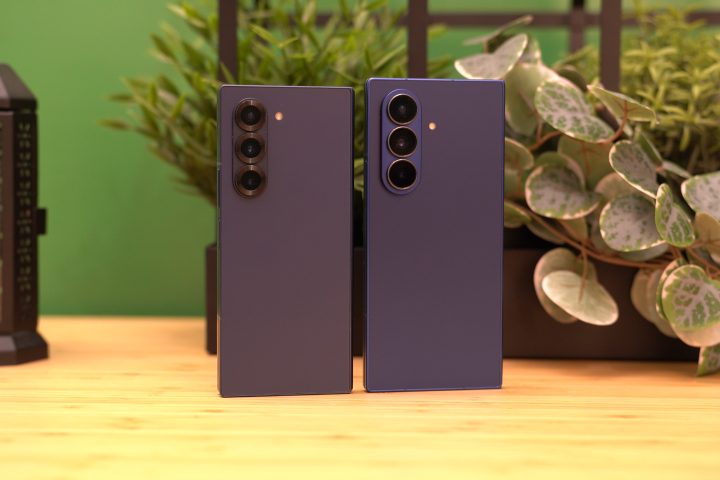
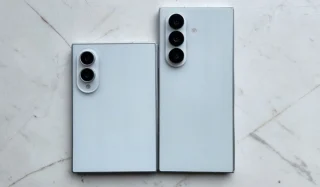
In terms of styling, both the Galaxy Z Fold7 and Galaxy Z Fold6 appear nearly identical. This is the signature Samsung design language after all.
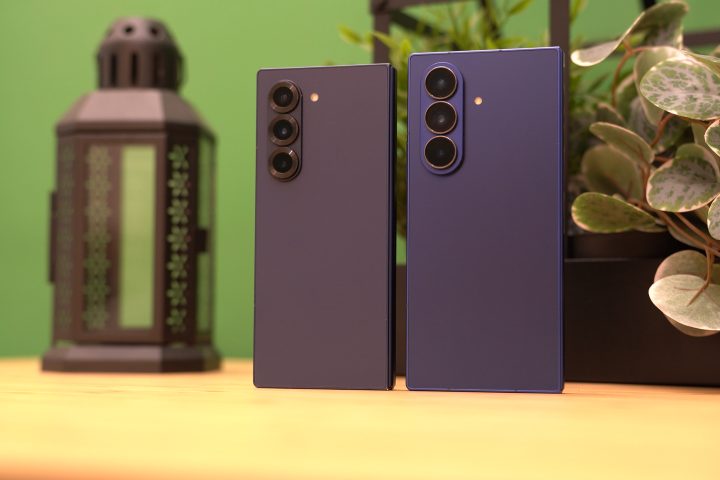
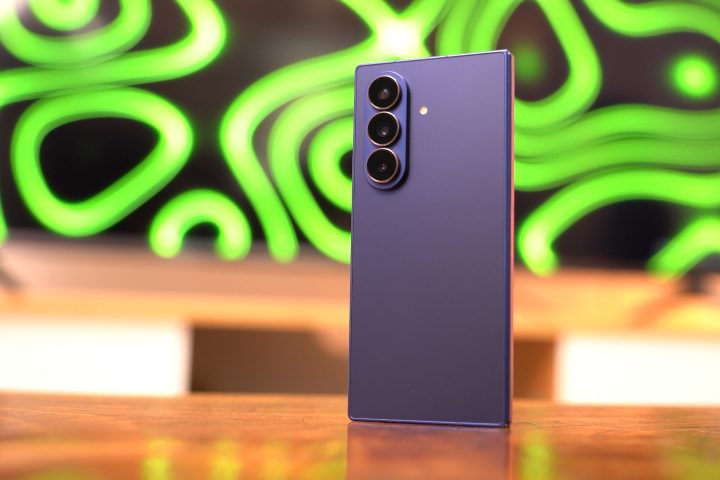
Both phones retain the familiar foldable form factor, flat corners, and the vertical layout for the triple rear camera system. In fact, the only styling difference would be the camera island and slightly redesigned camera lenses.
But of course, the biggest difference would be the thickness of the phone. The Galaxy Z Fold7 is thinner and lighter than the Z Fold 6, shaving off a few grams and millimeters in terms of thickness. As a result, this makes it more comfortable to hold in both folded and unfolded states.
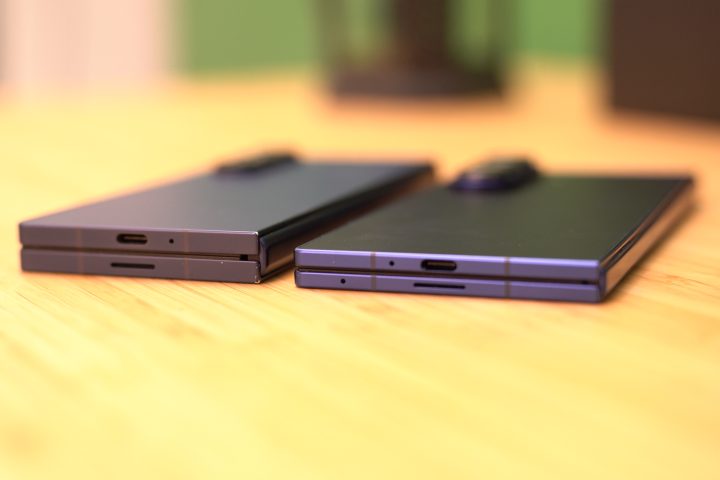
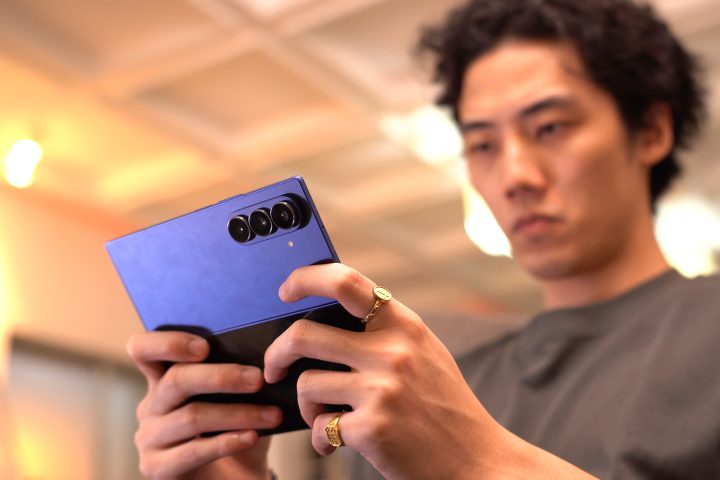
However, you’ll feel it the most when it’s folded. It’s no longer bulky in your pants and easier to use with one hand.
Like the Z Fold6, the Fold7 still uses an aluminum frame with Gorilla Glass Victus 2 on the cover and back glass to keep the phone well protected. Together with the thinner body, the hinge has also been upgraded to make it sturdier. Because of this, the Fold 7 is a bit harder to open. You really need to stick your nail into it.
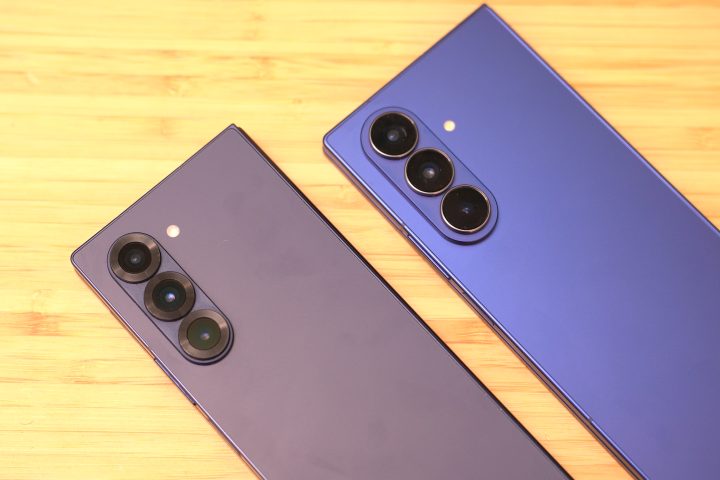
That said, the Galaxy Z Fold 6 still feels solid and premium even to this day. It features an aluminum frame and Gorilla Glass Victus 2 on the outside. Samsung retained the same IP48 dust and water resistance on both devices.
Overall, both models maintain Samsung’s signature flagship build quality, which is to be expected. But the slim design of the Z Fold 7 is definitely a big improvement for everyday use.
Display and Multimedia
Moving on to the display. Both the Galaxy Z Fold7 and Fold6 have two screens – a cover screen and a larger main display.
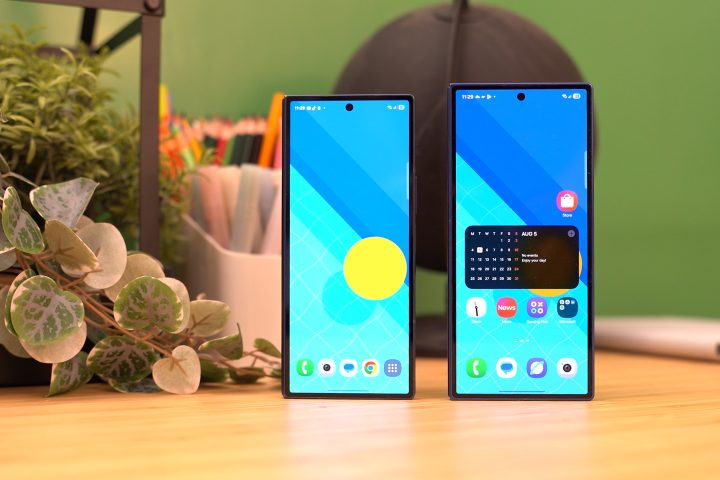
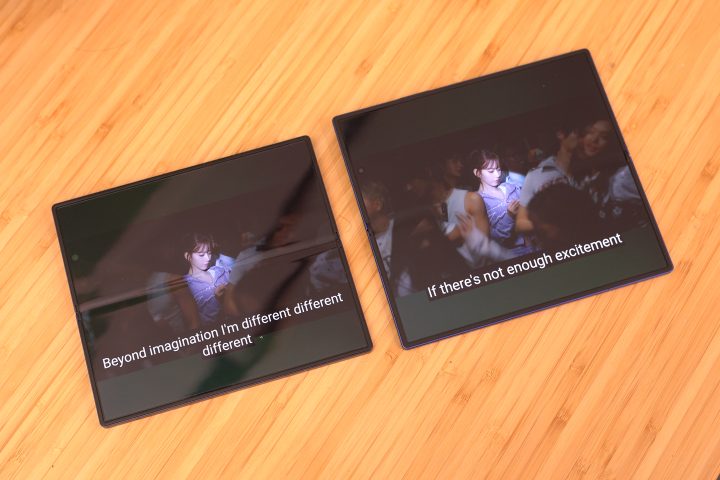
On the Fold 7, the cover screen now measures 6.5 inches, while the main display measures 8 inches. In comparison, the Fold 6 features a 6.3-inch cover screen and a 7.6-inch main display.
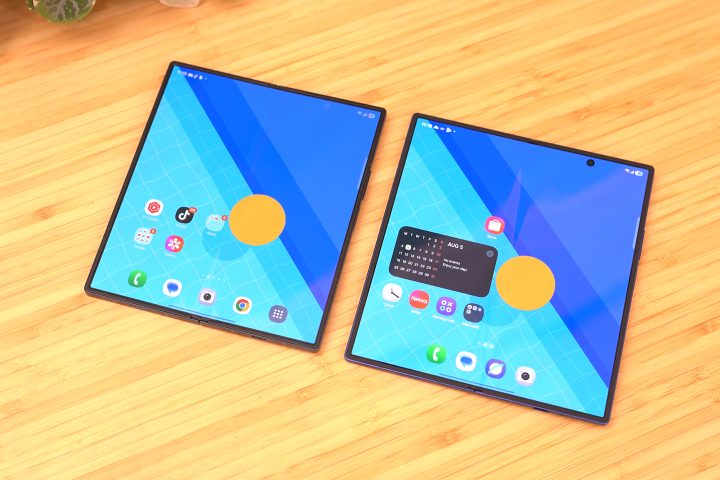
Despite the size increase, the displays are the same – a Dynamic AMOLED 2X panel. Both displays also have the same 120Hz refresh rate, HDR10+ support, and ultra-vivid colors, giving users a great viewing experience whether folded or unfolded. Both phones also have the same peak brightness of 2,600 nits.
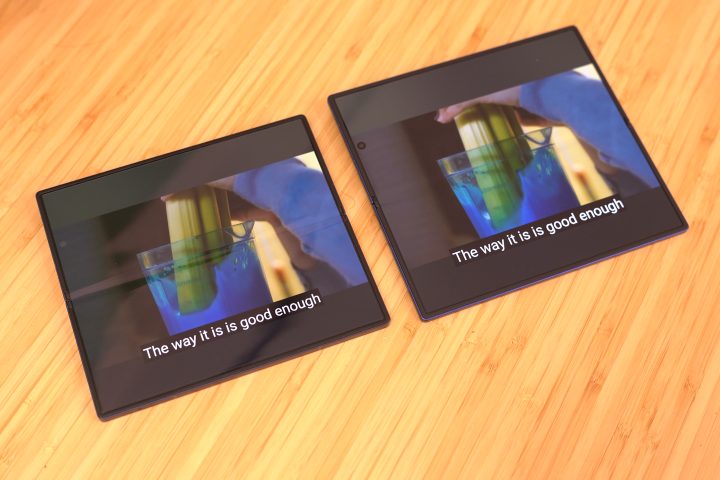
However, the small size increase on the Fold7’s cover screen makes a big difference in terms of usability. It no longer feels cramped to type on the cover display, and the same goes for browsing the net. You can definitely do a lot more without having to open the main display.
As for the main display, the larger screen on the Fold7 is a great benefit. However, what really sets it apart from the Fold6 is the crease, or lack thereof. In fact, you can barely see the crease anymore on the Fold7.
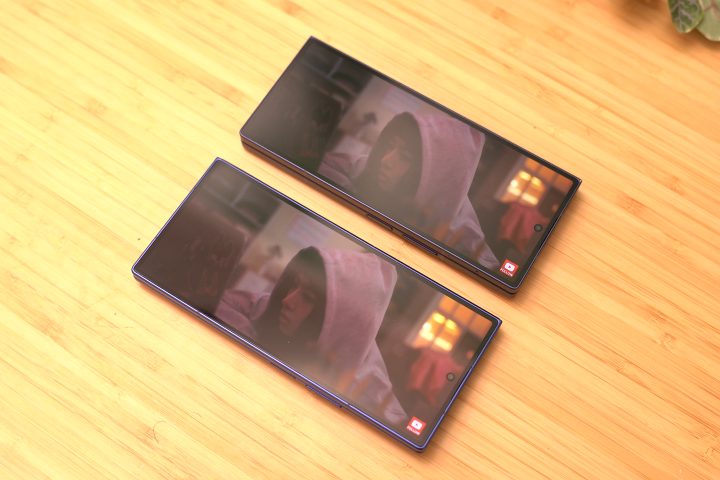
Audio-wise, both models offer stereo speakers with Dolby Atmos. But here’s the interesting bit: the speakers of the Galaxy Z Fold7 are not as great as I expected them to be. It’s still loud, but the sound stage and overall quality aren’t as great as compared to the speakers of the Fold6.
In comparison, the speakers on the Fold6 produce more depth, giving us a better listening experience. We suspect this has something to do with how thin Samsung made the Fold7.
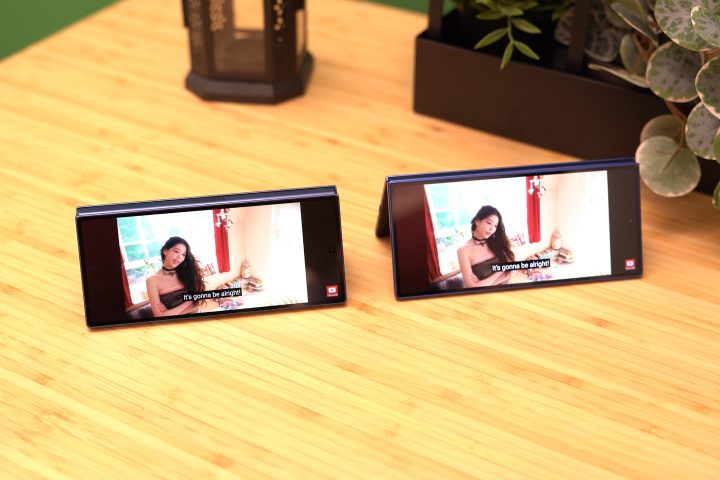
So for display and multimedia, the Galaxy Z Fold7’s new larger displays are amazing to have. But do note that there will be a drop in quality for the speakers as compared to the Fold6.
Cameras
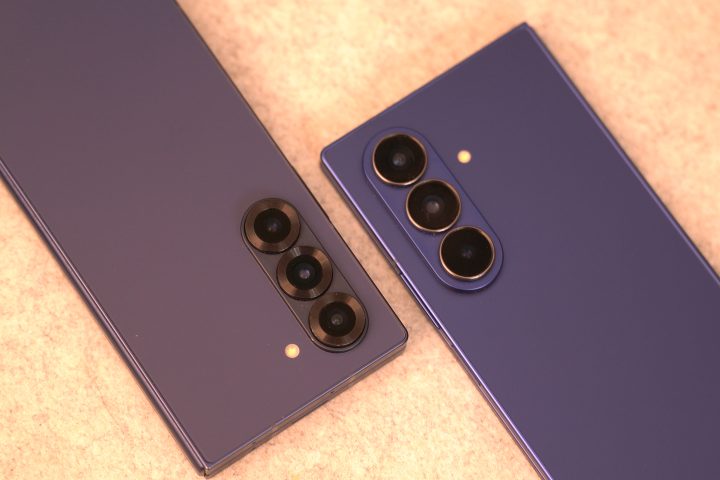
Just like the Galaxy Z Folds that came before, both the Fold 7 and Fold 6 feature a triple rear camera setup. On the Fold6, you have a 50MP main sensor, a 12MP ultrawide, and a 10MP telephoto with 3x optical zoom.
On the Fold7, the ultrawide and telephoto are carried over. However, it gets a new 200MP main shooter also found on the S25 Ultra. As a result, the photos captured by the Fold 7 now look a lot better than before. Although not as obvious in the day or in well-lit environments, the difference in quality is much more evident in low light or night photos. There’s also better bokeh on the Fold7 too, without using portrait mode.
In addition, the photos captured by the Fold7 are slightly sharper and have better dynamic range as compared to the Fold6. Do note that this is for the main camera. As for the ultrawide and telephoto, the quality are similar, which is what we expected.
As for video recording, the quality remains the same for both the Fold6 and Fold7, supporting up to 8K at 30fps and up to 4K at 60fps with Ultra Steady turned on. Similar to the photos, the videos captured on the Fold7 look sharper too, and there’s a lot less grain at night.
Just check out the photos videos we were able to take using both the Fold6 and Fold7 in the gallery below. It’s easy to tell which one was captured by which phone.
If you’re not too picky when it comes to photos, the cameras of the Fold6 are still decent. However, the cameras of the Fold7 are definitely a lot more capable both for photos and videos.
Performance and Benchmarks
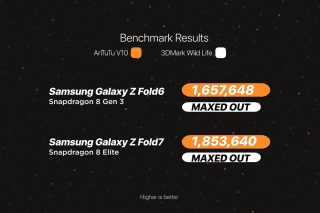
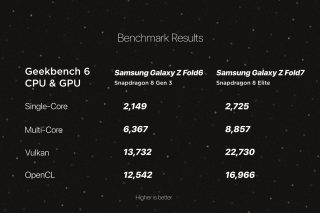
Now let’s talk about performance. The Galaxy Z Fold7 is powered by the new Snapdragon 8 Elite for Galaxy, while the Z Fold6 runs on the Snapdragon 8 Gen 3 for Galaxy. Both are very capable chips, but as expected, the Fold7 is more powerful, as evidenced by the benchmark scores – 1.85 million vs 1.65 million on Antutu.

It’s a similar story when it comes to the rest of the benchmarks below.
In real-world use, the difference isn’t as obvious. When playing games, both phones can run graphics-intensive titles like Genshin on max settings without issues. No lags and no framerate drops.
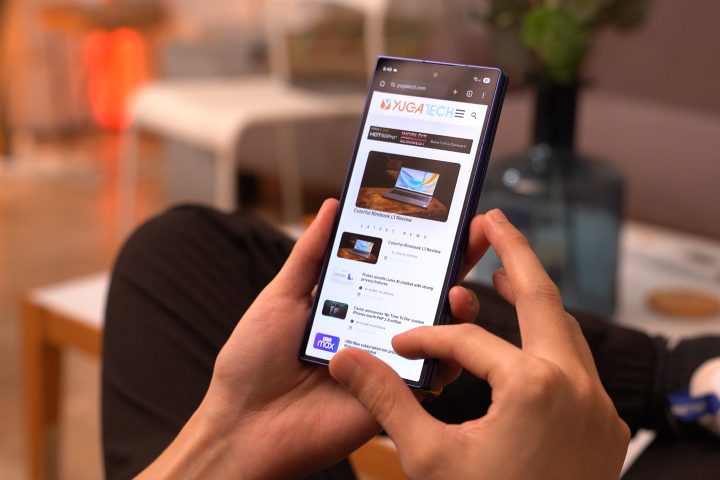
The same can be said for doing productivity tasks. Both phones can handle everything you throw at them, including running multiple apps in the background.
With that, it’s hard to say that the Fold7 has a strong edge over the Fold6. However, the Fold7 heats up a lot faster than the Fold6. Similar to the speakers, we suspect this has something to do with how thin the phone has become.
Battery
In terms of battery, not much has changed on paper. Both the Fold7 and Fold6 pack a 4,400mAh battery. Charging speeds also remain the same — 25W wired, 15W wireless, and 4.5W reverse wireless charging.
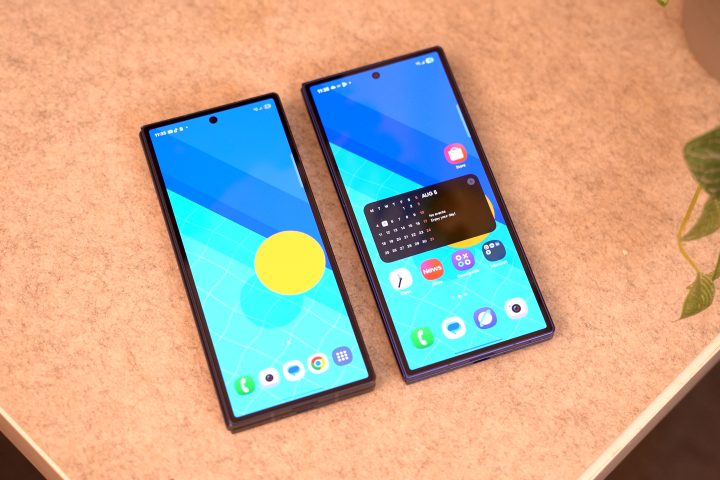
Even if the chipsets are different, there’s not a big change in terms of battery life, as evidenced by our video loop benchmarks. Both the Fold6 and Fold7 are still relatively power hungry. Even if you’re not using the phone that often, you will find the battery slowly draining as the day passes.
With that, you won’t really feel a difference in terms of battery life. And I still recommend bringing a power bank with you all the time.
OS, Apps, and UI
Now we have to talk about the OS of both the Fold6 and Fold7. The Fold7 runs One UI 8 which is based on Android 16 out of the box. In comparison, the Fold6 runs One UI 7 based on Android 15.
There are a bunch of new features on OneUI 8 on the Fold7, which include better integration of Gemini. However, OneUI 8 will also be coming to the Fold6, so these features will also be carried over in the near future.
Conclusion
So how do these two foldables compare overall?
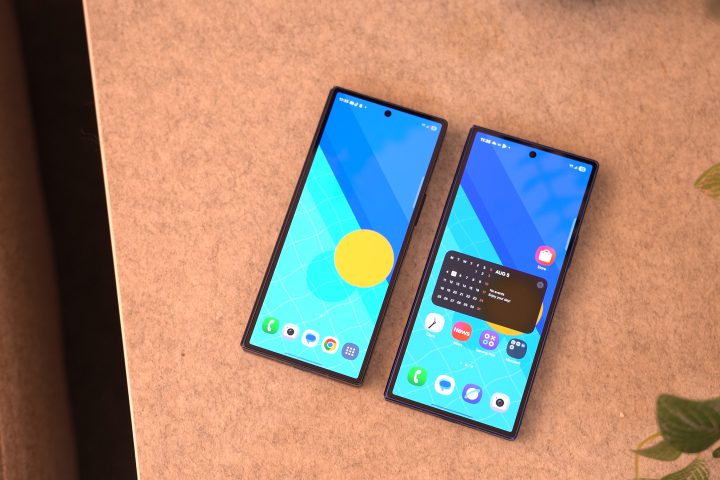
The Samsung Galaxy Z Fold7 builds upon the foundation laid by the Fold6. But as expected of a new model, it offers better performance, improved cameras, and longer battery life. Best of all, it improves the iconic foldable design by making it thinner than ever before.
All of those new features come at a price ,though. The Fold7 starts at PHP 112,990 for the 12+256GB variant, while the 12+512GB variant retails for PHP 120,990. As for the 16GB+1TB variant, that one retails for PHP 141,990. In comparison, the Z Fold 6 started at just PHP 105,990.
If you plan to upgrade from the Fold6, you can take advantage of Samsung’s trade-in promos and other deals to get the phone for cheaper. But still, you will be coughing up a lot of money either way.
Honestly, if you don’t mind the new camera and the thinner design of the Fold7, the Fold6 is still a powerful and capable foldable phone.
With that, upgrading may not be necessary for you, especially if you want to save a bit. But if you want one of the best foldables on the market, who are we to stop you in getting the new Galaxy Fold7?
So, are you upgrading to the Samsung Galaxy Z Fold7 or sticking to the Fold6 for now? Let us know in the comments below.


0 Comments
Leave a Reply