

The Philippine government has begun using blockchain technology to monitor the full lifecycle of its national budget, marking what officials say is a world-first implementation at this scale.
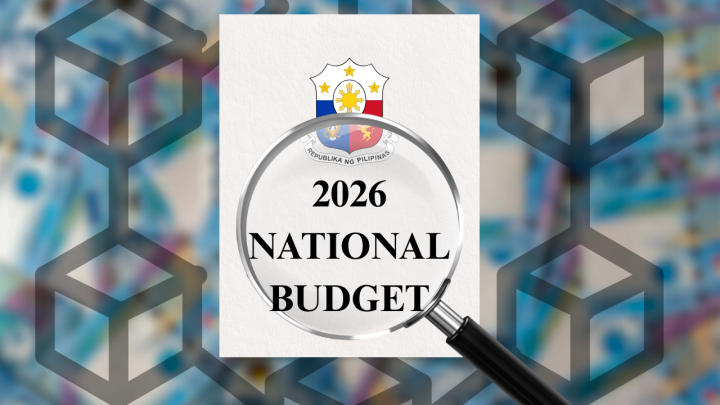
Speaking at a briefing in Malacañang, Henry Aguda, Secretary of the Department of Information and Communications Technology, confirmed that the 2026 General Appropriations Act (GAA) is now integrated into a blockchain-based platform called the Digital Bayanihan Chain.
According to Aguda, the system records every stage of the budget process, from congressional approval and fund release to spending and reporting into a single, immutable digital ledger. The goal is to create a permanent, tamper-resistant record of how public money moves through government.
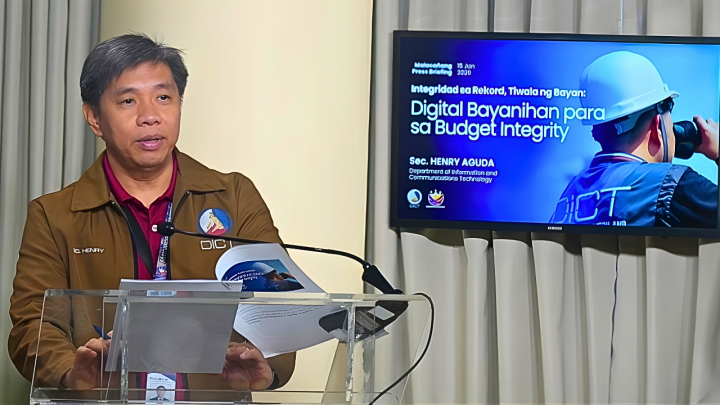
“This effectively gives every peso a digital receipt,” Aguda explained, noting that once information is written on the chain, it can no longer be altered or falsified. He added that while other countries have experimented with blockchain for limited financial functions, the Philippines is the first to apply it to an entire national budget.
The DICT said the move is intended to strengthen transparency, reduce opportunities for misuse of public funds, and improve accountability across government agencies. By placing the entire budget on-chain, officials believe auditing and public oversight will become faster and more reliable.
Aguda emphasized that the initiative is part of a broader push to modernize government systems using emerging technologies, positioning the Philippines as an early adopter rather than a follower in digital governance.






0 Comments
Leave a Reply