
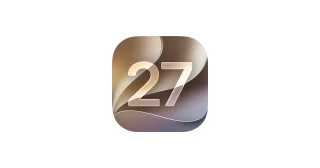
Apple has officially introduced its new design language, Liquid Glass, now featured across iOS 26, iPadOS 26, macOS Tahoe 26, watchOS 26, and tvOS 26. Inspired by visionOS, Liquid Glass emphasizes translucency, real‑time reflections, and dynamic responsiveness—a milestone visual refresh Apple describes as its “broadest design update ever”.

What makes Apple’s “Liquid Glass” special
-
Translucent, glass-like interfaces: Think blurred, layered controls—buttons, sliders, menus, even tab bars—designed to subtly reflect—and refract—backgrounds and wallpapers .
-
Dynamic and responsive motion: UI elements adapt in real time to device movement, highlighting interactivity with fluid, gel-like motion .
-
Unified across platforms: The new aesthetic brings cohesion across Apple’s ecosystem, ending years of slightly inconsistent UI styles .
What it looks like in Practice
-
Lock Screen & Home Screen: Clocks, widgets, and notifications feature semi-transparent overlays that subtly adapt to backgrounds and content .
-
Apps & Toolbars: Apps like Camera, Safari, Music, Podcasts, and Photos now use floating tab bars and sidebars that shrink or expand as you scroll .
-
macOS Enhancements: In Tahoe 26, the menu bar and Dock embrace transparency to create a sense of spaciousness .
New APIs in SwiftUI, UIKit, and AppKit allow app developers to adopt Liquid Glass elements like translucency, blur, and motion responsiveness for a cohesive third-party app experience .
Now, if you enjoy a refined, modern aesthetic where background visuals meld with app controls, Liquid Glass will feel like a breath of fresh air. Available this fall with the full rollout of iOS 26, macOS Tahoe 26, and other updates across Apple platforms. This update will support iPhone 11 and newer models, while for the more advance and full Apple Intelligence features update will be available on the 15 Pro series and future models.


This is what you present to the pubic when you have a lackluster growth in AI.