

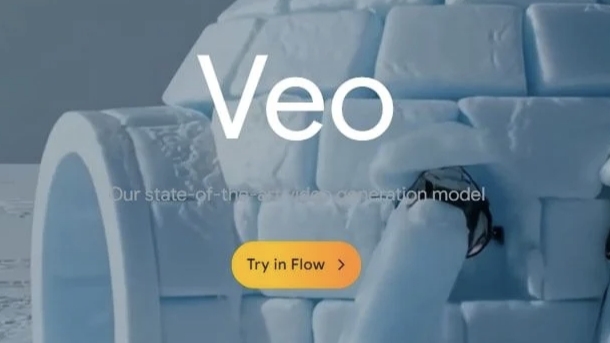

Google has unveiled a new feature that allows users to publish videos from Google Vids directly to YouTube. With the update, videos can now be sent to YouTube straight from the File menu. For security and control, all exported videos are set to Private by default. At the Google I/O 2025 conference, Google introduced Veo 3, its latest AI-powered video generation model developed by DeepMind. Veo 3 stands out by not only generating high-definition videos from text prompts but also by incorporating synchronized audio elements, including dialogue, background sounds, and music. This advancement allows users to create realistic video content without the need for traditional filming equipment or crews. For instance, a simple prompt like "a stand-up comedian performing at a small club" can result in a complete video featuring the comedian's voice, audience laughter, and ambient club sounds. OpenAI, the developer behind ChatGPT, has now officially released its text-to-video generator—Sora. Read more in our articles including "Google Vids now supports direct YouTube uploads" and "Google Unveils Veo 3: AI Video Generator with Audio Capabilities".
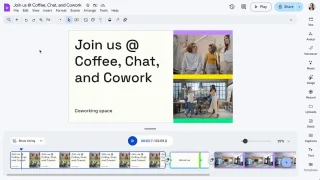
Google has unveiled a new feature that allows users to publish videos from Google Vids…
Apr 5, 2026
At the Google I/O 2025 conference, Google introduced Veo 3, its latest AI-powered video generation…
May 25, 2025
OpenAI, the developer behind ChatGPT, has now officially released its text-to-video generator—Sora. Using Sora is…
Dec 10, 2024
A few days ago, Apple hiked up the prices for all its Macs due to…
Jul 1, 2026
Smart glasses that are capable of video recording, meshing your everyday life with AI,…
Jul 1, 2026
The Department of Trade and Industry’s (DTI) National AI Strategy Roadmap 2.0 is set to…
Jul 1, 2026Google has unveiled a new feature that allows users to publish videos from Google Vids directly to YouTube. With the update, videos can now be sent to YouTube straight from the File menu.
For security and control, all exported videos are set to Private by default. At the Google I/O 2025 conference, Google introduced Veo 3, its latest AI-powered video generation model developed by DeepMind. Veo 3 stands out by not only generating high-definition videos from text prompts but also by incorporating synchronized audio elements, including dialogue, background sounds, and music.
Our coverage of AI video generator includes: "Google Vids now supports direct YouTube uploads"; "Google Unveils Veo 3: AI Video Generator with Audio Capabilities"; "OpenAI officially releases text-to-video model ‘Sora’". Each article provides unique insights and information.