

[caption id="attachment_59577" align="aligncenter" width="500"] Selfies can now be used to protect important files inside your devices and not just to break records on Twitter...or flood your contacts' news feeds.[/caption] FaceCypt is an iOS data encryption app that works a bit similar to Android’s Face Unlock, but differs in terms of usage. In addition to taking selfies, FaceCrypt can also be unlocked using patterns and passwords to encrypt files for bank accounts, credit cards, and other important data or media. Google says all sensitive data remains encrypted and information is only saved or filled with the user's permission. Read more in our articles including "A ‘selfie’ can now be used to protect phones and tablets" and "Google Chrome expands Autofill with Google Wallet integration".

Fond of always taking a selfie? Well those selfies can now do more than just…
Apr 2, 2014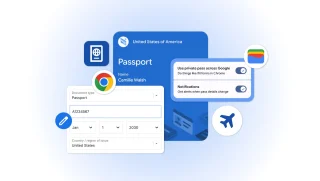
Google has announced new updates to Chrome Autofill. With this feature, it brings support for…
Jun 24, 2026
xAI has officially brought its AI assistant directly into Microsoft’s word-processing platform, launching Grok for…
Jun 20, 2026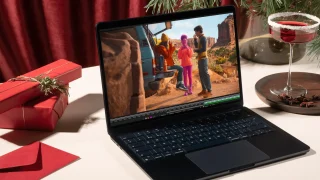
Adobe announces a wave of new features for its Creative Cloud suite, including updates to…
Jun 16, 2026
Huawei has officially announced HarmonyOS 7, the latest version of its operating system for smartphones,…
Jun 13, 2026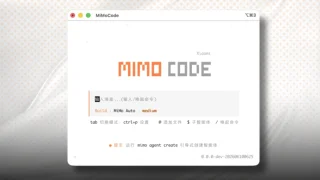
Xiaomi has open-sourced MiMo Code V0.1.0, a terminal-based AI coding assistant designed to maintain context…
Jun 11, 2026[caption id="attachment_59577" align="aligncenter" width="500"] Selfies can now be used to protect important files inside your devices and not just to break records on Twitter...or flood your contacts' news feeds.[/caption] FaceCypt is an iOS data encryption app that works a bit similar to Android’s Face Unlock, but differs in terms of usage. In addition to taking selfies, FaceCrypt can also be unlocked using patterns and passwords to encrypt files for bank accounts, credit cards, and other important data or media.
Google says all sensitive data remains encrypted and information is only saved or filled with the user's permission.
Our coverage of data encryption includes: "A ‘selfie’ can now be used to protect phones and tablets"; "Google Chrome expands Autofill with Google Wallet integration"; "Grok arrives on Microsoft Word". Each article provides unique insights and information.