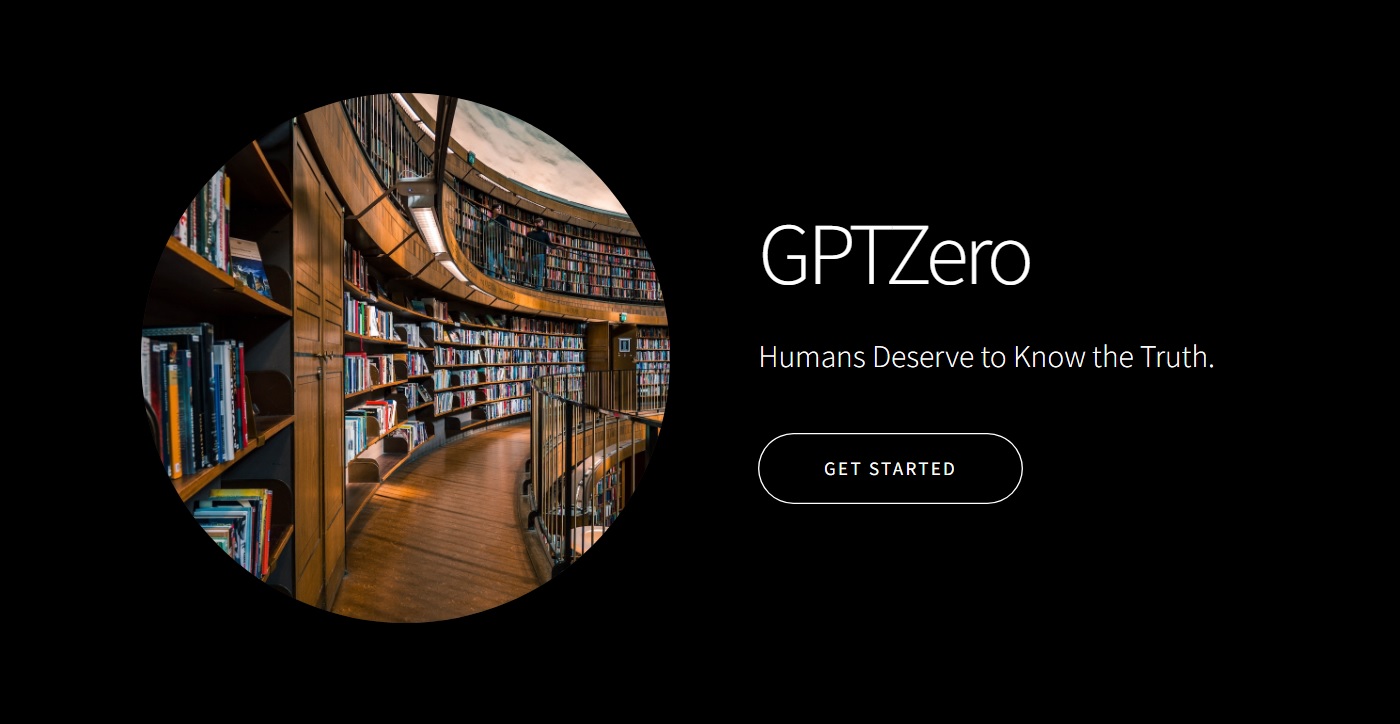

GPTZero, an app made by Princeton student Edward Tian, has recently gone viral on Twitter for its alleged capability of detecting whether an essay is written by a human or by ChatGPT. In the same Twitter thread, Tian provides a demo of how GPTZero works: [embed]https://twitter.com/edward_the6/status/1610067826563321856[/embed] [embed]https://twitter.com/edward_the6/status/1610068262758260736[/embed] As seen on the demo, GPTZero uses "perplexity" and "burstiness" to find out whether text was written by AI or by a human. Read more in our articles including "Princeton student develops app that can detect ChatGPT-written text" and "Google Wallet adds Package Tracking via Gmail Receipts".

ChatGPT may have met its match. GPTZero, an app made by Princeton student Edward Tian,…
Jan 9, 2023
Google is testing a new Google Wallet feature that automatically tracks delivery packages using Gmail…
Jun 28, 2026
ASUS has confirmed that the ExpertBook Ultra will launch in the Philippines on July 1.…
Jun 28, 2026
vivo officially unveiled the X Fold6 in China, its first foldable powered by a MediaTek…
Jun 28, 2026
AYANEO has unveiled the Pocket Micro 2, an upgraded retro gaming handheld featuring a more…
Jun 28, 2026
OPPO has introduced the Reno16 FS for the European market, expanding its Reno16 lineup with…
Jun 28, 2026GPTZero, an app made by Princeton student Edward Tian, has recently gone viral on Twitter for its alleged capability of detecting whether an essay is written by a human or by ChatGPT. In the same Twitter thread, Tian provides a demo of how GPTZero works: [embed]https://twitter.com/edward_the6/status/1610067826563321856[/embed] [embed]https://twitter.com/edward_the6/status/1610068262758260736[/embed] As seen on the demo, GPTZero uses "perplexity" and "burstiness" to find out whether text was written by AI or by a human.
Our coverage of gptzero includes: "Princeton student develops app that can detect ChatGPT-written text"; "Google Wallet adds Package Tracking via Gmail Receipts"; "ASUS ExpertBook Ultra launching on July 1". Each article provides unique insights and information.