

Well, 'interpolated' comes from the term Interpolation which is a process where the number of pixels of an image is increased in volume. To break it down in the simplest terms, interpolation basically means upscaling the image from what it originally is. Interpolation happened in your photo; the camera added in pixels to fill in the missing areas so that the photo you took will still have some detail and not be a blurry mess when zoomed in. You can say that interpolation and digital zoom are like a family. Most point and shoot and smartphone cameras use interpolation to offer ‘digital zoom.’ For example, if you zoom in on an object that usually goes up to the maximum range of a zoom meter, that’s the optical zoom. We hope that this article helps you understand what interpolation means. Read more in our articles including "What does “interpolated” mean in a camera?" and "Insta360 Luna Ultra launched, priced in the Philippines".

The term “interpolated” can be often seen in camera specifications, whether they are handheld digital…
Jan 20, 2019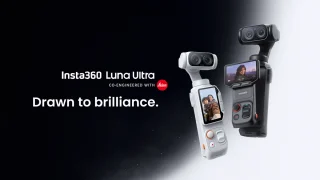
Insta360 has officially launched the Luna Ultra in the Philippines. The camera is co-engineered with…
Jun 24, 2026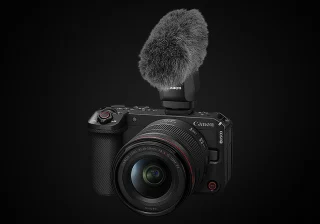
Canon Philippines has officially revealed the local pricing and availability of the new EOS R6…
Jun 18, 2026
Sony has announced the Lytia 910, its first image sensor to use LOFIC technology, offering…
Jun 18, 2026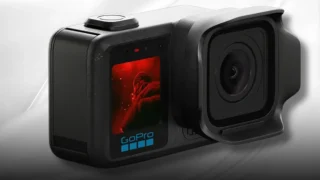
GoPro has officially launched the MISSION 1 PRO in the Philippines. The camera features a…
Jun 16, 2026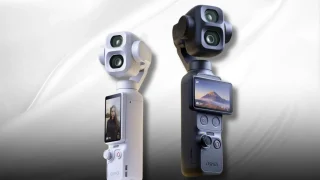
DJI officially unveils the Osmo Pocket 4P in China, introducing the first dual-camera system in…
Jun 16, 2026Well, 'interpolated' comes from the term Interpolation which is a process where the number of pixels of an image is increased in volume. To break it down in the simplest terms, interpolation basically means upscaling the image from what it originally is.
Interpolation happened in your photo; the camera added in pixels to fill in the missing areas so that the photo you took will still have some detail and not be a blurry mess when zoomed in. You can say that interpolation and digital zoom are like a family. Most point and shoot and smartphone cameras use interpolation to offer ‘digital zoom.’ For example, if you zoom in on an object that usually goes up to the maximum range of a zoom meter, that’s the optical zoom.
Our coverage of interpolation includes: "What does “interpolated” mean in a camera?"; "Insta360 Luna Ultra launched, priced in the Philippines"; "Canon EOS R6 V price and specs in the Philippines". Each article provides unique insights and information.