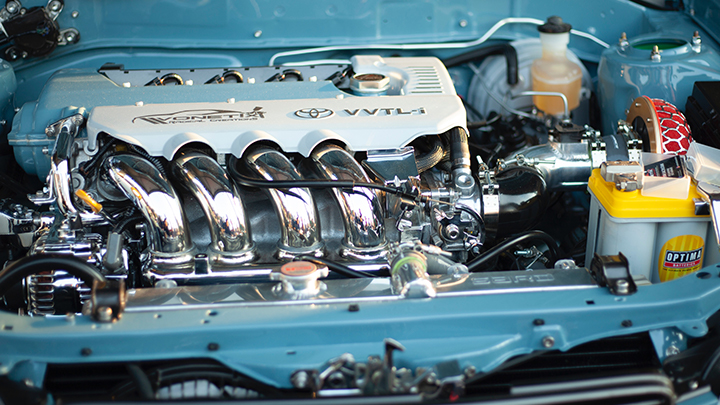

Octane Ratings basically tell how much the fuel can be compressed before it spontaneously ignites. To explain further, an octane rating is the measurement of KNOCK RESISTANCE of a fuel. How would you know which octane rating is for your vehicle? For starters, powerful vehicles that have high-performance engines can compress the fuel-air mixture more than normal engines do which is why they need gasoline with a higher octane rating. Prevention of knocking in high-performance cars is the only reason to purchase fuel with a higher octane rating. As for most modern vehicles, they usually do not require higher octane fuels unless specifically expressed in your owner’s manual (which you should actually read) that says explicitly if it’s REQUIRED or RECOMMENDED. Does a higher octane rating mean more power? This is one of the most common misconceptions that come with octane ratings. Read more in our articles including "Understanding Octane Rating for your vehicle" and "LTO raises cybersecurity concerns over expiring LTMS contract".
If you’re a car driver, you’ve probably asked yourself what those numbers are on top…
Sep 18, 2020
The Land Transportation Office (LTO) has raised concerns over the future of its Land Transportation…
Jun 21, 2026
Commuters can now access the 50% fare discount on MRT-3 using GCash, as part of…
Apr 20, 2026
Several ride-hailing and motorcycle taxi platforms in the Philippines have begun reducing their commission rates…
Apr 14, 2026
VinFast Philippines is rolling out a new program that allows ride-hailing drivers to rent electric…
Apr 14, 2026
Google is extending its Android Automotive OS (AAOS) beyond infotainment systems, introducing a new platform…
Mar 30, 2026Octane Ratings basically tell how much the fuel can be compressed before it spontaneously ignites. To explain further, an octane rating is the measurement of KNOCK RESISTANCE of a fuel.
How would you know which octane rating is for your vehicle? For starters, powerful vehicles that have high-performance engines can compress the fuel-air mixture more than normal engines do which is why they need gasoline with a higher octane rating. Prevention of knocking in high-performance cars is the only reason to purchase fuel with a higher octane rating.
Our coverage of Octane Rating includes: "Understanding Octane Rating for your vehicle"; "LTO raises cybersecurity concerns over expiring LTMS contract"; "DOTr’s MRT-3 50% fare discount now accessible via GCash". Each article provides unique insights and information.