

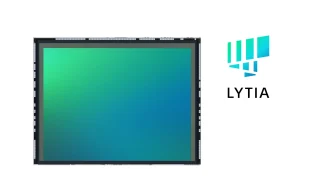
Sony has announced the Lytia 910, its first image sensor to use LOFIC technology, offering up to 100dB of dynamic range from a single exposure. The sensor also supports Triple Conversion Gain (TCG) HDR, which reads each pixel three times using different gain levels before combining them into a single HDR image. Sony says this approach helps reduce common HDR issues such as motion artifacts while also improving HDR video recording. Other features include support for 4K HDR video at 60fps and new Ultra High Conversion Gain circuits that reportedly reduce image noise by around 30% compared to previous Sony sensors in low-light situations. Sony plans to begin mass production this summer, with smartphones using the sensor expected to launch in the fourth quarter of 2026. Read more in our articles including "Sony announces Lytia 910 LOFIC sensor with 100dB dynamic range" and "SmartSens unveils 1-inch 50MP camera sensor, supports HDR 3.0 and 4K 120fps".
Sony has announced the Lytia 910, its first image sensor to use LOFIC technology, offering…
Jun 18, 2026
SmartSens has introduced a new flagship-grade smartphone camera sensor, aiming to push mobile photography and…
Mar 30, 2026Sony finally lent me one of their limited Sony Vaio P to test out for…
Feb 27, 2009Sony has been taking it’s time to get its own netbook out in the market…
Dec 27, 2008Sony Philippines today launched their much-anticipated flagship ultraportable — the Sony Vaio P pocket-style PC.…
Jan 28, 2009
There are times when 5-inch screens are just not enough for your needs, and you…
Jul 21, 2017Sony has announced the Lytia 910, its first image sensor to use LOFIC technology, offering up to 100dB of dynamic range from a single exposure. The sensor also supports Triple Conversion Gain (TCG) HDR, which reads each pixel three times using different gain levels before combining them into a single HDR image.
Sony says this approach helps reduce common HDR issues such as motion artifacts while also improving HDR video recording. Other features include support for 4K HDR video at 60fps and new Ultra High Conversion Gain circuits that reportedly reduce image noise by around 30% compared to previous Sony sensors in low-light situations. Sony plans to begin mass production this summer, with smartphones using the sensor expected to launch in the fourth quarter of 2026.
Our coverage of Sony HDR sensor includes: "Sony announces Lytia 910 LOFIC sensor with 100dB dynamic range"; "SmartSens unveils 1-inch 50MP camera sensor, supports HDR 3.0 and 4K 120fps"; "Sony Vaio P: Unboxing Photos". Each article provides unique insights and information.