

The Supreme Court (SC) has announced on Tuesday (March 26, 2019) that they will grant public access to its electronic library (e-library) very soon. The Supreme Court e-library launched in 2004 where visitors can search its database including SC decisions and resolutions from 1901 up to the present time. Supreme Court of the Philippines has approved a new framework governing the use of artificial intelligence in the judiciary, setting rules to ensure human oversight and accountability. The Supreme Court said the framework aligns with global best practices and includes safeguards against risks such as bias, misuse, and data privacy violations. Last Thursday, June 19, 2025, the Supreme Court of the Philippines formally launched the eCourt Portal, an online platform aimed at modernizing court processes nationwide. Here's what can be done with the portal: eFiling - Online filing of cases and pleadings before the Supreme Court. By July 1, eFiling will be available to the public and starting October 1, 2025, eFiling will be mandatory for all Supreme Court cases except administrative and bar matters. You can check out the eCourt portal here: https://sc.judiciary.gov.ph/ecourt-ph/ In November 2024, the Supreme Court also announced it has started using AI software for preliminary legal research and voice-to-text transcription. Read more in our articles including "Supreme Court to grant public access to e-library soon" and "Supreme Court approves AI guidelines for court use".

The Supreme Court (SC) has announced on Tuesday (March 26, 2019) that they will grant…
Mar 28, 2019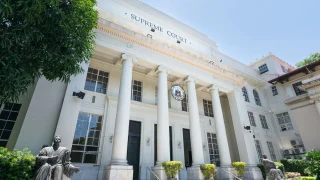
Supreme Court of the Philippines has approved a new framework governing the use of artificial…
Mar 22, 2026
Last Thursday, June 19, 2025, the Supreme Court of the Philippines formally launched the eCourt…
Jun 22, 2025
The Supreme Court (SC) has begun pilot testing of AI software in select first and…
Nov 30, 2024
As per an article on Inquirer, the Philippine Supreme Court (SC) is looking to leverage…
Sep 23, 2024
The Supreme Court affirmed the dismissals of four telecommunication companies from third-generation mobile communications technology…
Apr 29, 2024The Supreme Court (SC) has announced on Tuesday (March 26, 2019) that they will grant public access to its electronic library (e-library) very soon. The Supreme Court e-library launched in 2004 where visitors can search its database including SC decisions and resolutions from 1901 up to the present time.
Supreme Court of the Philippines has approved a new framework governing the use of artificial intelligence in the judiciary, setting rules to ensure human oversight and accountability. The Supreme Court said the framework aligns with global best practices and includes safeguards against risks such as bias, misuse, and data privacy violations. Last Thursday, June 19, 2025, the Supreme Court of the Philippines formally launched the eCourt Portal, an online platform aimed at modernizing court processes nationwide.
Our coverage of Supreme Court e-library philippines includes: "Supreme Court to grant public access to e-library soon"; "Supreme Court approves AI guidelines for court use"; "Supreme Court intros eCourt Portal, eFiling to start July 1". Each article provides unique insights and information.