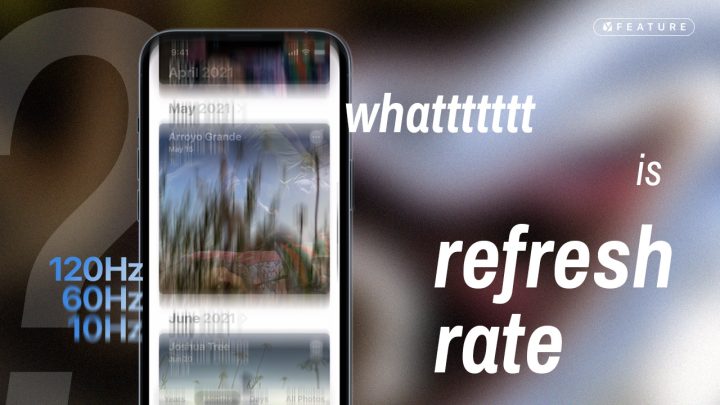

From refresh rates to response times to touch sampling rates. That along with response time, and touch sampling rate are all crucial factors that determine a device's overall screen performance. Touch sampling rate Finally, let's talk about the touch sample rate, which is a vital component of any touch-enabled device. A higher touch sampling rate results in a more responsive screen to touch input, which is particularly important for devices like smartphones and tablets that rely primarily on touch input. Otherwise, a low sample rate can make the touch interface feel sluggish and unresponsive, which can be very frustrating for end users. Conclusion Understanding the difference between refresh rate, response time, and touch sampling rate is crucial to getting the most out of your devices. Read more in our articles including "Refresh Rate, Response Time, Touch Sampling Rate Explained" and "HTC Touch HD launched and priced".
They say that time is money, but when it comes to your gadgets, time could…
Aug 6, 2023This evening, HTC launched 3 new phones — the HTC Viva, HTC Touch 3G and…
Nov 20, 2008Some laptop manufacturers like TG (and their Averatec brand) doesn’t seem to want to ride…
Dec 15, 2008
We all know that Apple and its closed ecosystem is arguably THE best one out…
Aug 1, 2026
We’ve spent weeks using the HONOR 600 Series as our daily drivers to get a…
Jul 23, 2026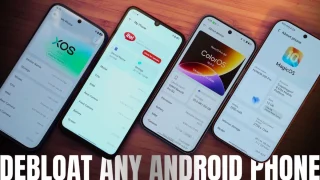
So, you just got a shiny new phone, and what’s exactly the first thing you’d…
Jul 23, 2026From refresh rates to response times to touch sampling rates. That along with response time, and touch sampling rate are all crucial factors that determine a device's overall screen performance.
Touch sampling rate Finally, let's talk about the touch sample rate, which is a vital component of any touch-enabled device. A higher touch sampling rate results in a more responsive screen to touch input, which is particularly important for devices like smartphones and tablets that rely primarily on touch input. Otherwise, a low sample rate can make the touch interface feel sluggish and unresponsive, which can be very frustrating for end users.
Our coverage of touch sampling rate includes: "Refresh Rate, Response Time, Touch Sampling Rate Explained"; "HTC Touch HD launched and priced"; "TG Averatec N1000 Mini Laptop". Each article provides unique insights and information.