

Some of the more notable devices in this fairly new category are the VIVO X21 UD, the Samsung Galaxy A8 and the newly released Huawei Nova 3. VIVO also used a metal frame with some sort of polycarbonate material for the back panel and finishes it off with a curved glass outer layer for a nice glossy look. The VIVO X21 UD tops them all with a huge 6.28-inches full HD+ Super AMOLED display. VIVO takes home this category with its large Super AMOLED display and impressive use of available screen real estate. In the meantime, VIVO stuck it out with Qualcomm with the mid-range Snapdragon 660 which is composed of 8 Kryo cores, half of which runs at a top clock speed of 2.2GHz and the other half at 1. The Galaxy A8 has 4GB of RAM while the VIVO X21 UD and the Nova 3 have 6GB of it. This round is tied between VIVO and Huawei. Both the Nov 3 and VIVO X21 UD come with a generous 128GB of internal storage while the Galaxy A8 only has 32GB. Read more in our articles including "Huawei Nova 3 vs. VIVO X21 UD vs. Samsung Galaxy A8: 3-Way Comparison Review" and "ASUS VivoBook S400C Review".

Which smartphone deserves the light flagship status? The premium mid-range is a growing segment of…
Aug 3, 2018While I’m waiting for my laptop to be repaired, ASUS PH has been kind enough…
Jul 23, 2013The Asus Vivobook X202e is an entry-level notebook that sports a sleek Ultrabook look. But…
Nov 5, 2012
HONOR and Xiaomi have recently dropped their newest contenders in the premium midrange segment: the…
Jun 12, 2026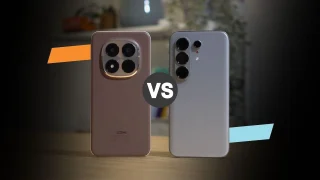
Your options for midrange smartphones has gotten a bit bigger with the release of the…
May 28, 2026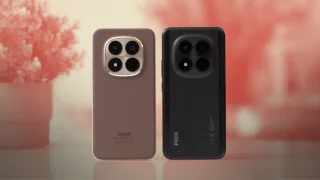
Xiaomi dropped a bunch of new phones under its REDMI and POCO sub-brands, and my…
Feb 7, 2026Some of the more notable devices in this fairly new category are the VIVO X21 UD, the Samsung Galaxy A8 and the newly released Huawei Nova 3. VIVO also used a metal frame with some sort of polycarbonate material for the back panel and finishes it off with a curved glass outer layer for a nice glossy look.
The VIVO X21 UD tops them all with a huge 6.28-inches full HD+ Super AMOLED display. VIVO takes home this category with its large Super AMOLED display and impressive use of available screen real estate. In the meantime, VIVO stuck it out with Qualcomm with the mid-range Snapdragon 660 which is composed of 8 Kryo cores, half of which runs at a top clock speed of 2.2GHz and the other half at 1.
Our coverage of VIVO X21UD includes: "Huawei Nova 3 vs. VIVO X21 UD vs. Samsung Galaxy A8: 3-Way Comparison Review"; "ASUS VivoBook S400C Review"; "Asus Vivobook X202e Review". Each article provides unique insights and information.