

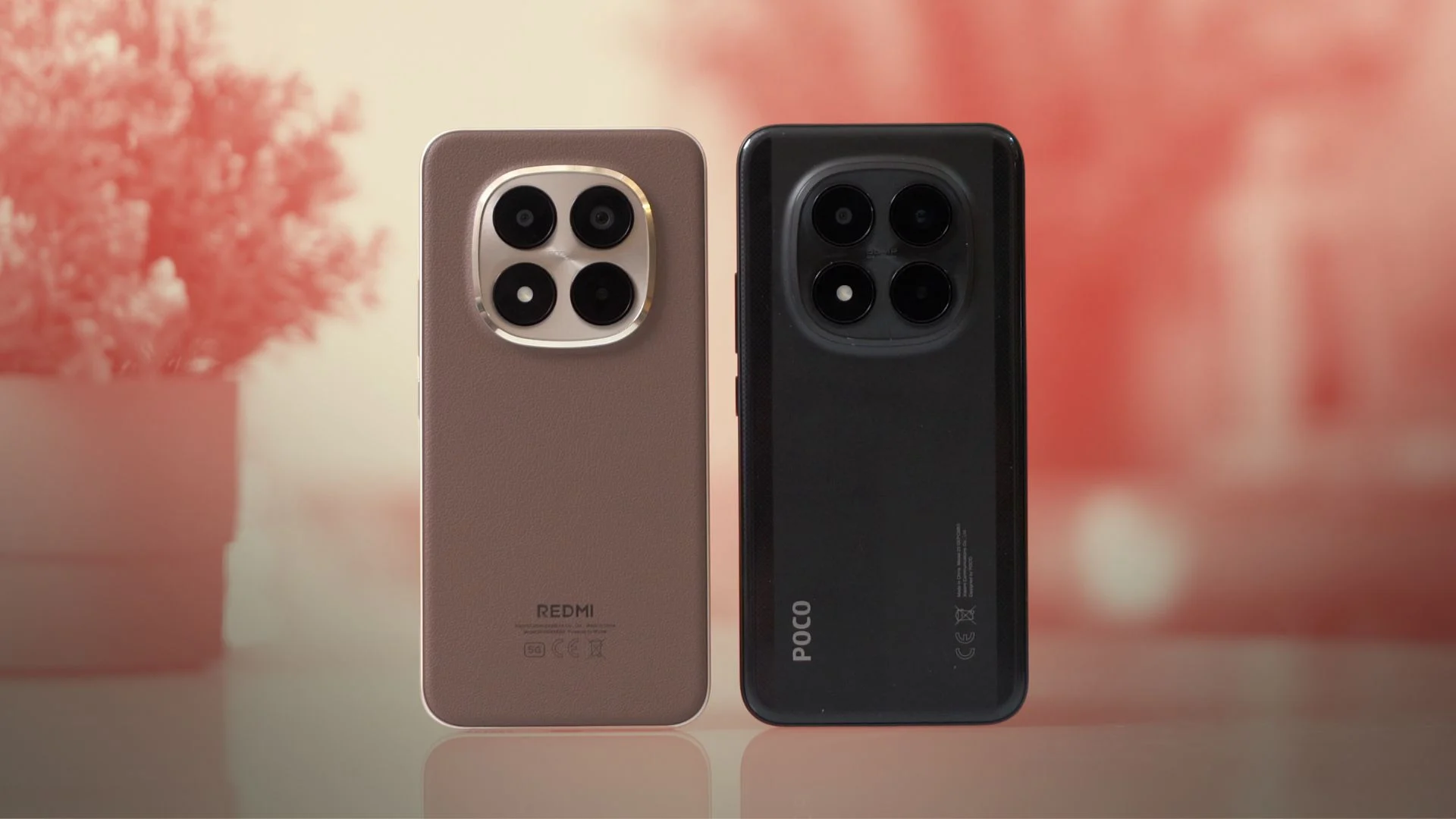
Xiaomi dropped a bunch of new phones under its REDMI and POCO sub-brands, and my first thought was: these devices look suspiciously similar.
As it turns out, aside from having almost identical looks, the POCO M8 Pro 5G and the REDMI Note 15 Pro+ 5G are pretty much twins when it comes to hardware as well.
The biggest difference here is the price. The POCO starts at PHP 16,999 (8GB + 256GB), while the REDMI jumps all the way to PHP 25,999 (12GB + 256GB). That’s a massive 9,000 peso gap, or roughly 150 US dollars for our readers outside the Philippines.
Sure enough, the REDMI Note 15 Pro+ should look better on paper, right? But is it actually more worth buying? Well, that’s exactly what we’re going to find out in this comparison review.
Design and Construction
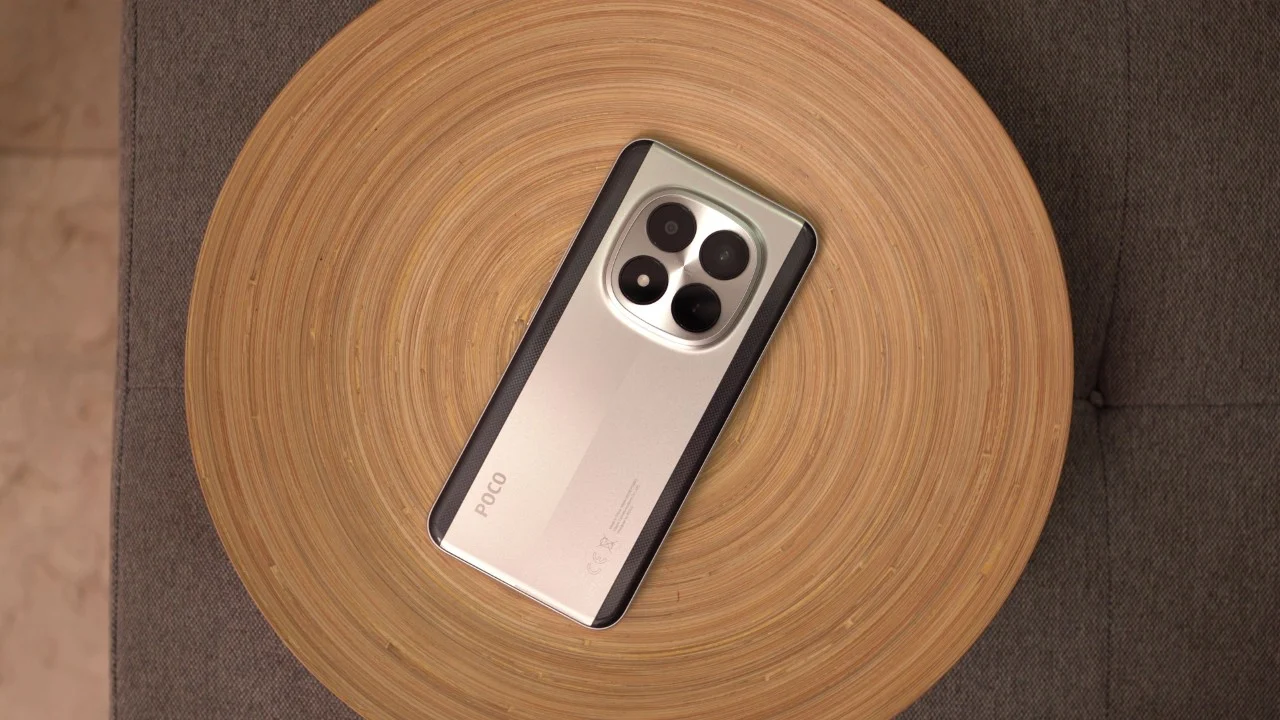
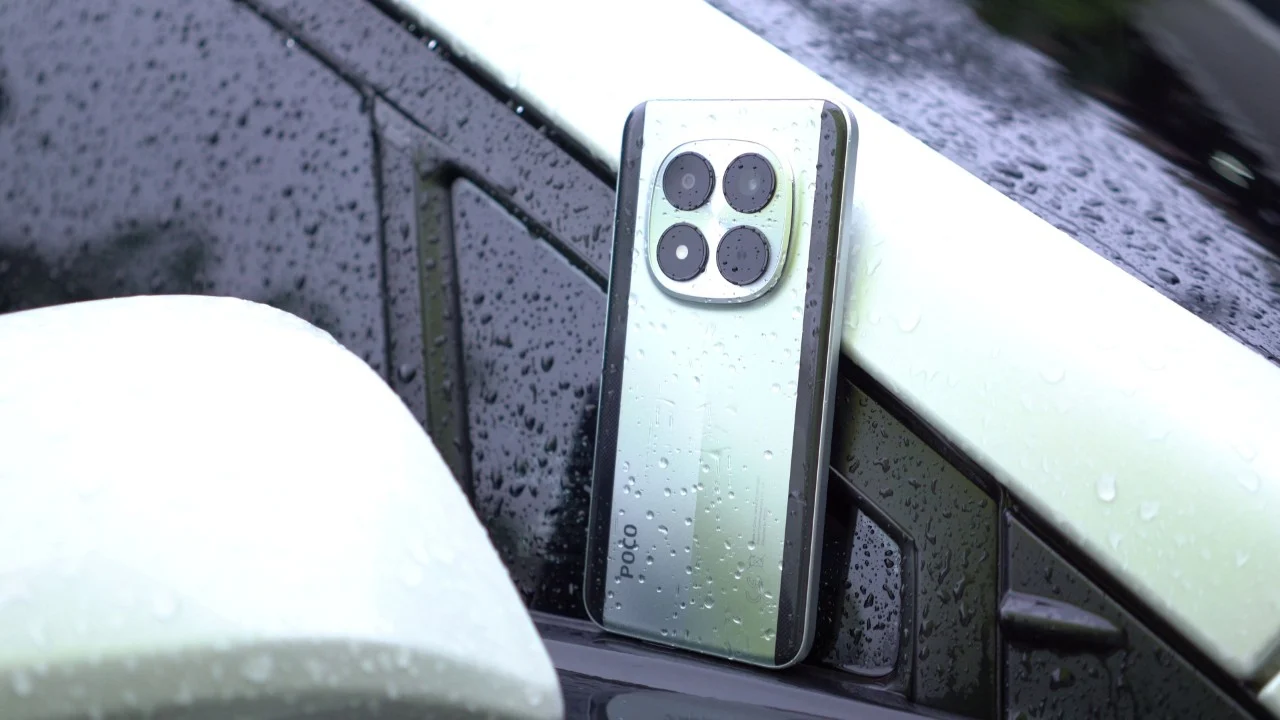
Looking on the outside, they’re practically the same. We get a ‘squircle’ camera island on the upper part of the rear, and subtle curved edges all around.
If it’s not for the different placements for the POCO and REDMI monikers, I’d already be confused which is which.
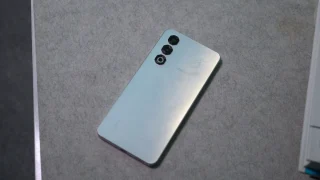
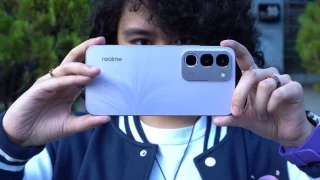
POCO also has this two-tone finish on the back panel— well, it’s actually a three-tone finish because of the carbon print on the sides. Meanwhile, our REDMI unit opts for a faux leather housing that’s more resistant to smudges.
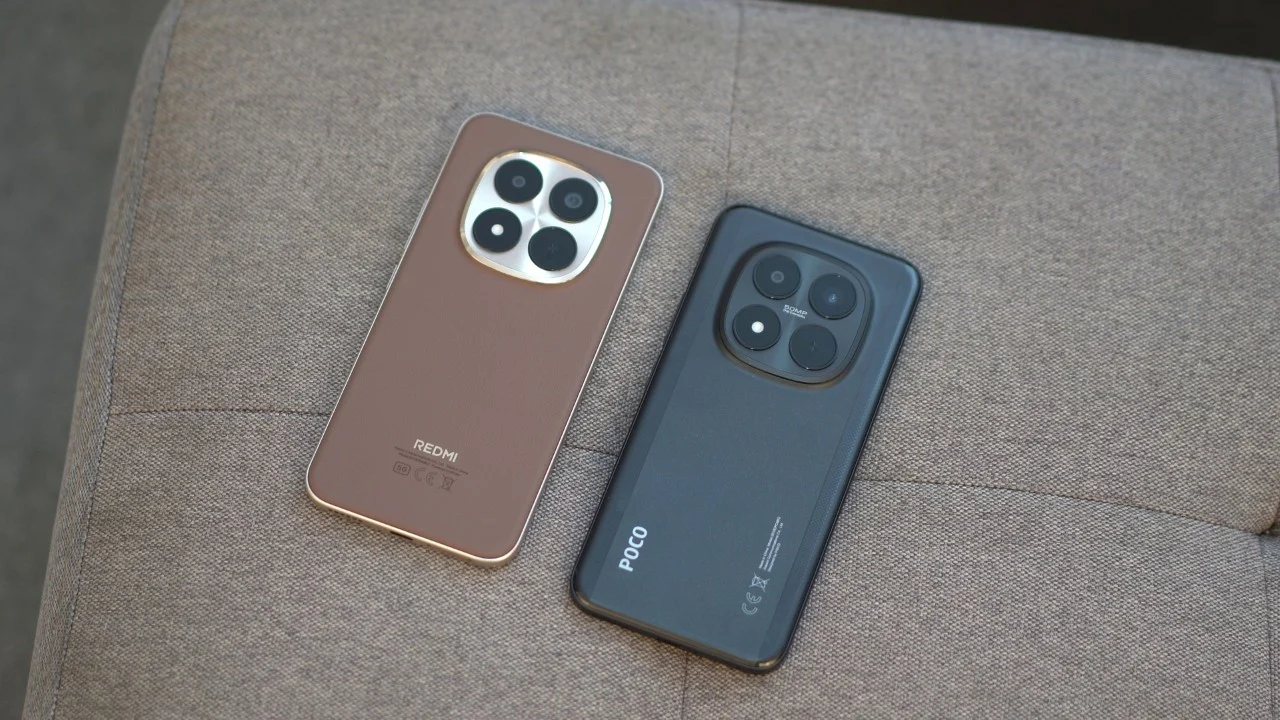
With this new iteration, REDMI has also joined the trend of marketing ridiculously durable mid-range phones. The Note 15 Pro+ in particular has IP66, IP68, IP69, and IP69K ratings.
These essentially mean the phone gets the highest level of dust and water resistances yet for a smartphone— be it water submersion or high temperatures of up to 80-degrees Celsius.
Interestingly, while POCO isn’t really making it a big selling point, the M8 Pro actually has the same IP ratings as the REDMI does. Yes, exactly the same.
And wait, there’s more. Both phones do have SGS 5-Star certifications for drop, bend, and crush resistances. So, those are really nice additions, especially to POCO, considering its lower price tag.
That being said, points for both phones in the design segment.
Display, Multimedia, and Biometrics
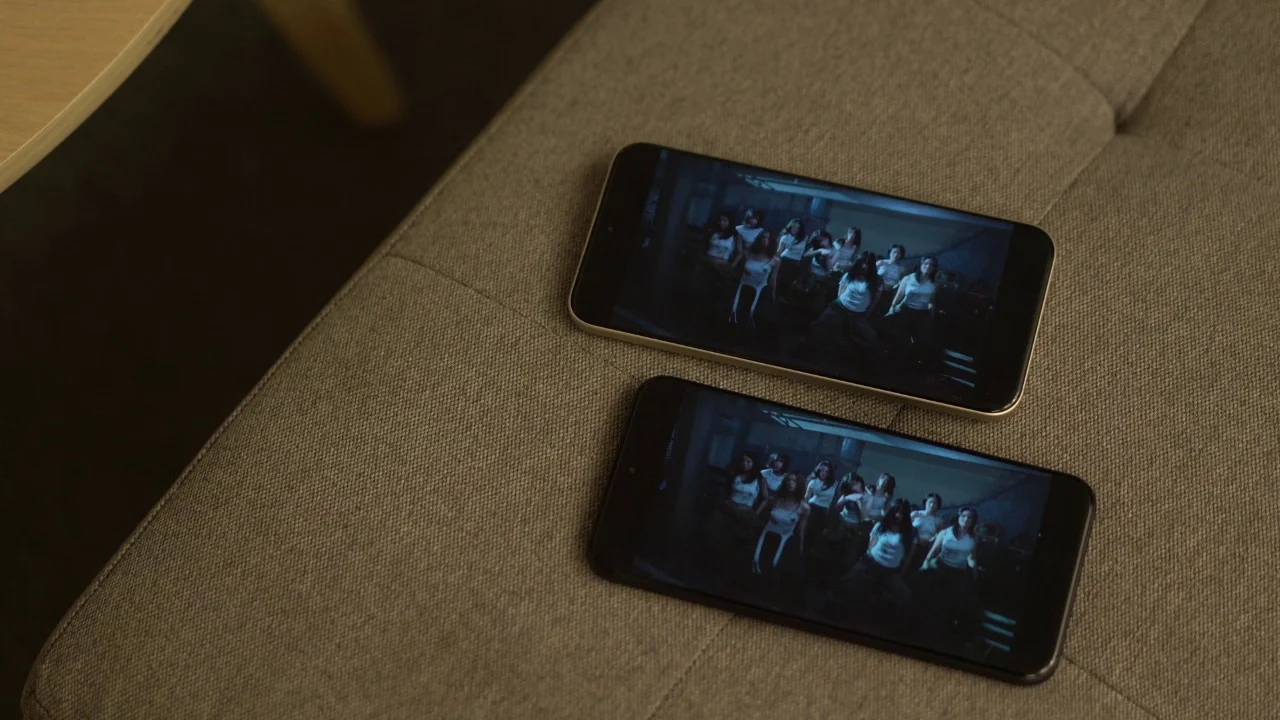
Flipping over to the display, you might expect it to be a little different. But no, it’s also exactly the same from size, resolution, and luminance. That’s not exactly bad news.

Both phones sport a 6.83-inch 1.5K AMOLED display with quad curved-edge design. The curvature is not too pronounced, so there’ll be less glares on the sides, which is good.
They both run at 120Hz and both have peak brightness of 3200 nits. And for that extra durable build, both screens have the same Gorilla Glass Victus 2 on top.
With basically the same display hardware, there isn’t much to compare, is there? You get vivid colors, deep blacks, and thin bezels all around.
Perhaps the only real difference here is the audio quality. While both are certainly loud and clear, the REDMI does offer punchier bass. Regardless, I’m still easily immersed watching content on these phones as they both have stereo speakers to boot.
For biometric security, both phones feature optical under-display fingerprint sensors and face recognition. Both are fast to register, but as we’d always recommend, go for the fingerprint sensor for a more secure unlocking method.
Again, both phones have the same spec here, so I’ll end the display segment in another tie.
Performance and Benchmarks
Now, in terms of performance, once again, it’s the same story for both.
Powering both phones is the Snapdragon 7s Gen 4 clocked at up to 2.7GHz. Configuration is a bit different though with the REDMI having a base option default to 12GB RAM while the POCO gets 8GB RAM. The RAM option gets up to 12GB for the 512GB model.
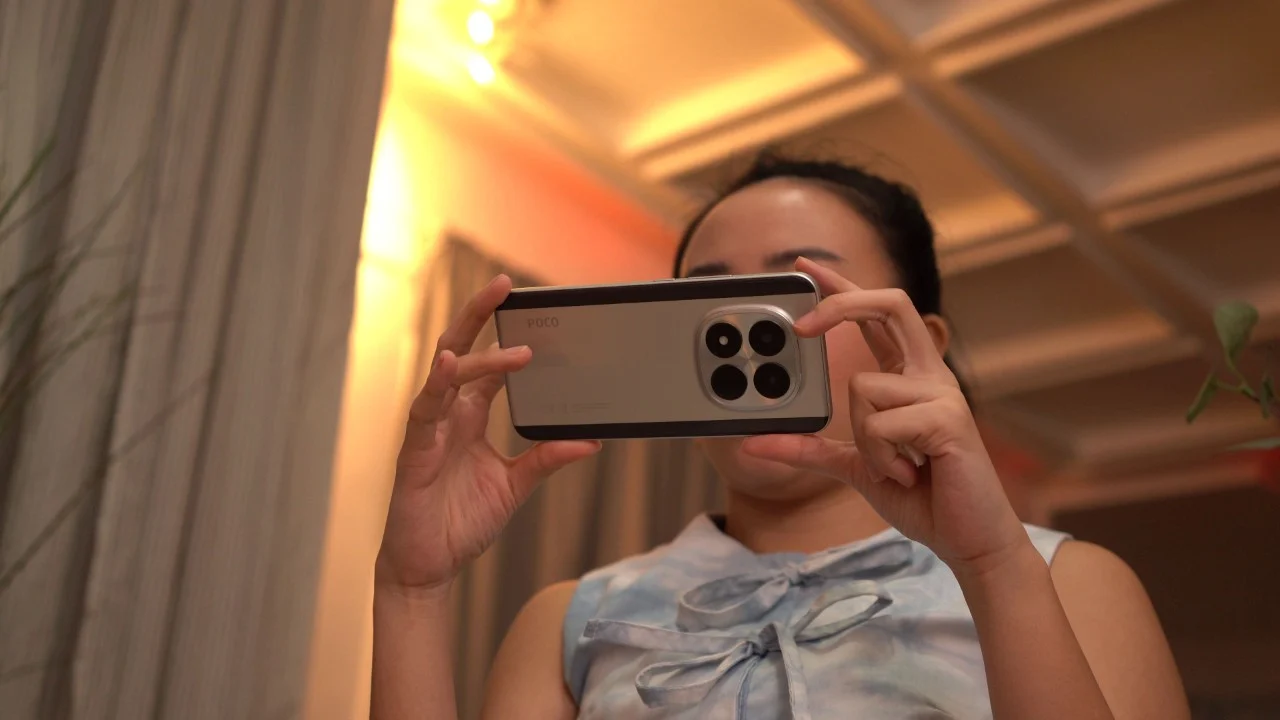
By the way, the memory and storage specs for both are LPDDR4X and UFS 2.2.
Taking a look at our benchmark results, both phones achieved more or less the same figures. In AnTutu version 10, both scored over 800,000 points. There’s a bit of contrast with Geekbench and PCMark scores, but yeah, these phones still performed similarly in real world use.
| Benchmark | POCO M8 Pro 5G | REDMI Note 15 Pro+ 5G |
|---|---|---|
| Chipset | Snapdragon 7s Gen 4 | Snapdragon 7s Gen 4 |
| AnTuTu V10 | 837,685 | 815,974 |
| AnTuTu Storage | 80,911 | - |
| S.Read Speed | 1,043.7 MB/s | 1,045.0 MB/s |
| S.Write Speed | 1,033.3 MB/s | 1,016.0 MB/s |
| Geekbench 6 CPU Single-Core | 1,503 | 1,227 |
| Geekbench 6 CPU Multi-Core | 4,446 | 3,195 |
| Geekbench 6 GPU OpenCL | 3,302 | 3,600 |
| Geekbench 6 GPU Vulkan | 3,412 | 4,763 |
| PCMark Work 3.0 performance | 14,484 | 13,820 |
| PCMark Work 3.0 battery life | 17 hrs & 6 mins | 16 hrs & 40 mins |
Navigation is smooth, multi-tasking is a breeze, and gaming is okay. Playing graphic-intensive games like Genshin Impact ran smoothly at 60 FPS on Medium graphics.

And to make the similarity even more obvious, both phones use a 5200 mm² thermal system to keep things cool. We did experience a bit of heat when gaming, but not to an alarming amount.
So, in the performance segment, it’s obviously gonna be another tie.
Cameras
Things get a little more interesting when talking about the cameras. While both feature dual rear setups, their main sensors are entirely different. The POCO has a 50-megapixel main shooter while the REDMI jumps to a 200-megapixel sensor, both having OIS support.
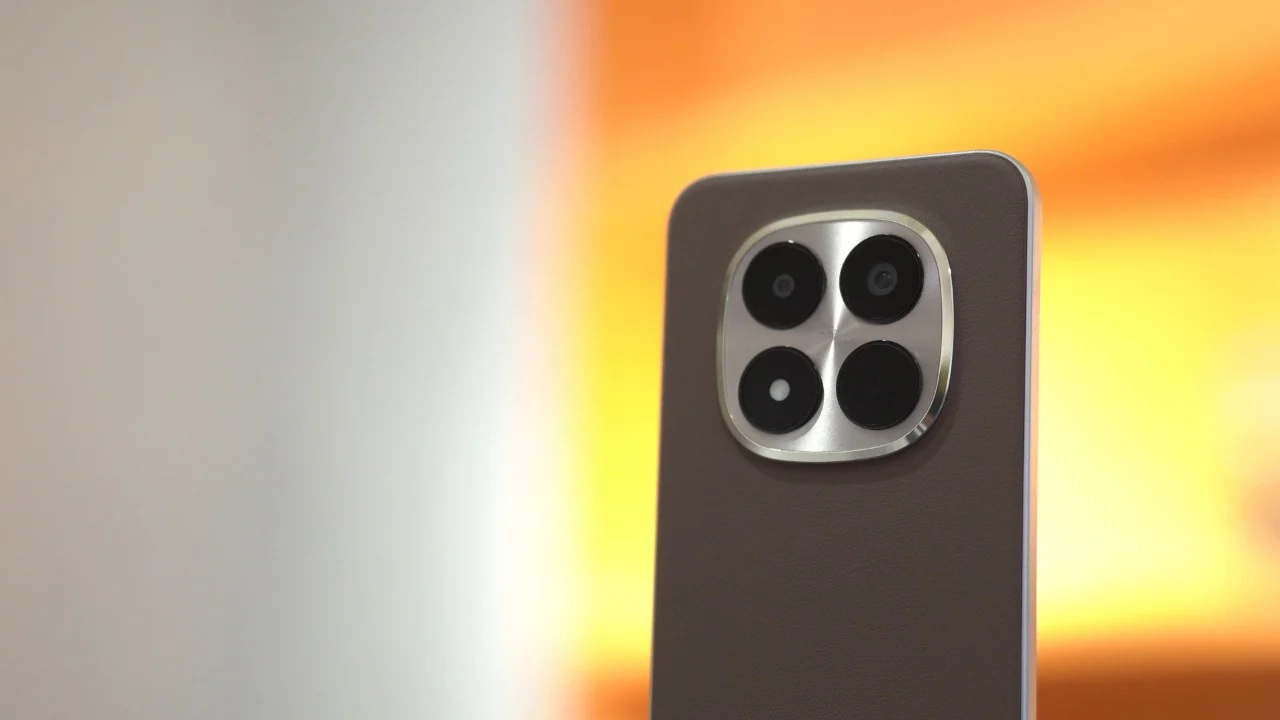
Their secondary lenses are the same though. Both use an 8-megapixel ultrawide. And the selfie cameras match as well, with a 32-megapixel sensor on each.

Like we always say, higher megapixel count doesn’t necessarily mean better image quality. Let’s take a look at our sample shots.
POCO M8 Pro 5G sample shots
POCO M8 Pro 5G sample shots (for comparo)
Nov 4, 2025 – Jan 20, 2026


REDMI Note 15 Pro+ 5G sample shots
REDMI Note 15 Pro+ sample video (for comparo)
Sunday, Jan 25


In most cases, REDMI does capture more detail in shot, especially in Ultra HD mode. Weirdly enough, there are times that POCO shows sharper details. That said, when it comes to image quality, POCO still managed to come close.
Post-processing differs a bit with POCO adding more aggressive contrast while REDMI is sticking to more natural looking colors. As expected, ultrawide shots look virtually the same.
And as for video quality, it’s the same case, both capped at 4K 30 fps. The optical stabilization does its job here, and you can see that both phones can handle fairly well.
So, while POCO offers up to par camera performance with the competition, it makes sense to give the point this round to the REDMI mainly thanks to better image processing and a more flexible image cropping.
Battery Life
Battery-wise, this is yet another similarity for both phones, each having 6500mAh silicon carbon batteries.
At this point, you might already know where this is heading. In our PCMark battery test, the results were pretty close. The POCO M8 Pro 5G lasted 17 hours and 6 minutes, while the REDMI Note 15 Pro+ managed 16 hours and 40 minutes.
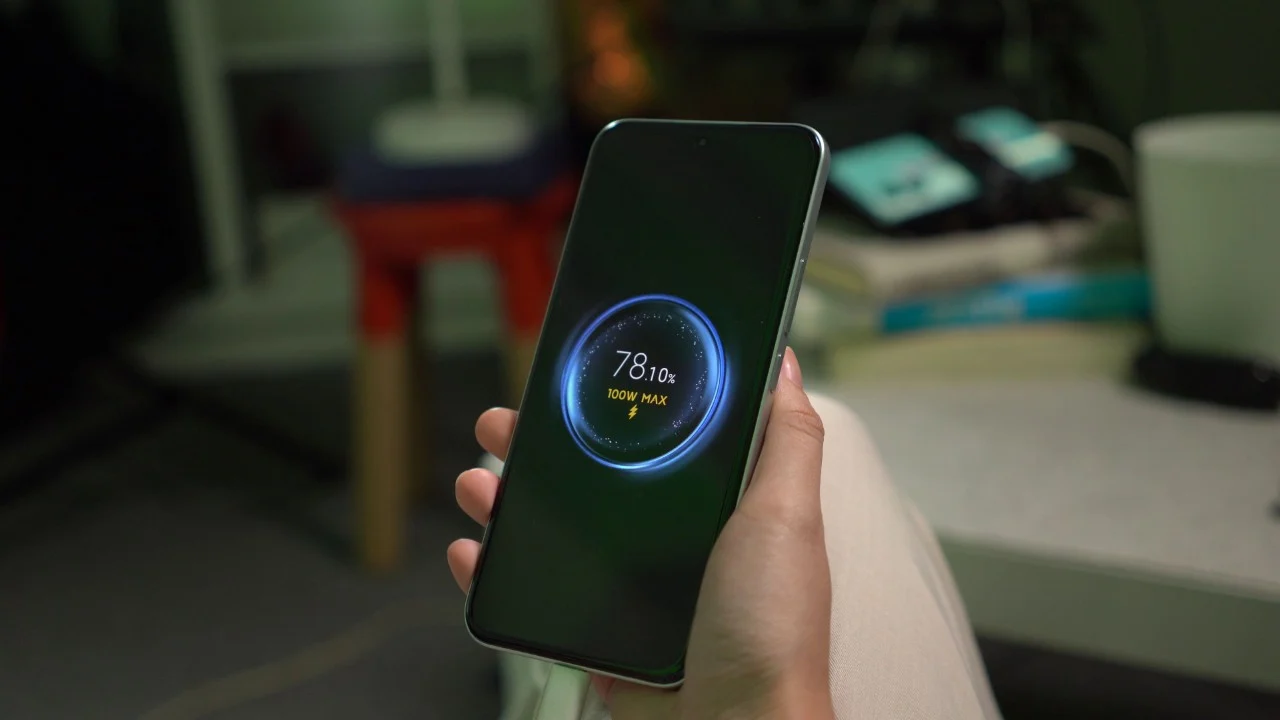
Charging doesn’t take too long either with both getting 100W of wired charging. On top of that, these phones can also act as handy power banks featuring 22.5W reverse wired charging.
Sadly, neither phone has bypass charging, but with such a fast charging capability, I think I’ll let that slide. So, again, it’s gonna be another tie this round.
Connectivity and Other Features
Software-wise, I’m a bit disappointed for both models. They ship with older software versions out of the box and that is Xiaomi HyperOS 2 based on Android 15.
Regardless, it’s a pretty smooth and feature-rich UI, albeit it shows ads here and there. Probably the biggest difference here in terms of software features is that the REDMI comes with Xiaomi HyperAI including tools for AI Writing, AI Interpreter, and AI Speech Recognition among others.
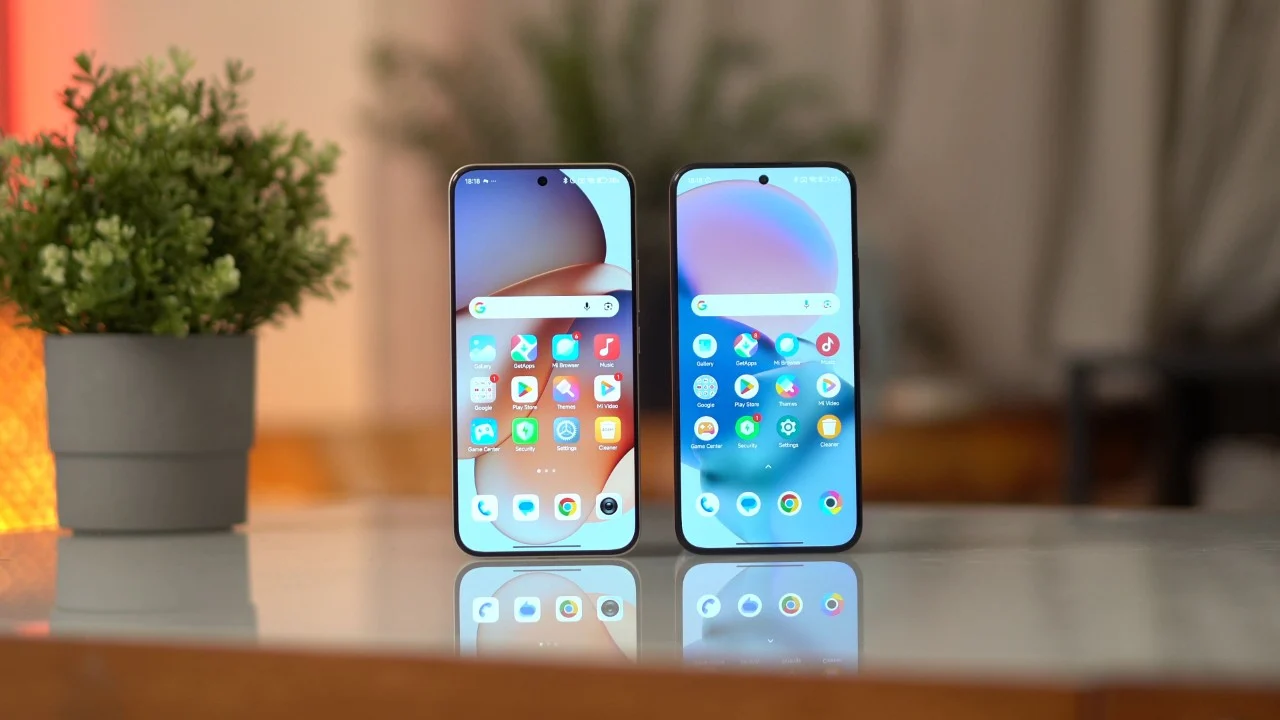
The POCO is left with the basic ones like Google’s Circle to Search and Gallery tools like AI Erase and stuff.
REDMI also gets points for update consistency since Xiaomi tends to prioritize rolling out software updates to its REDMI devices before POCO. So, this might mean the Note 15 Pro+ might get HyperOS 3 based on Android 16 sooner than the M8 Pro.
Let’s now talk about connectivity. Equipped with the same chipset, you guessed it, both get similar features with 5G, Wi-Fi 6, Bluetooth 5.4, and NFC. And as a Xiaomi staple, each gets an IR blaster to boot.
Both have dual nano-SIM card slots, but REDMI does have an advantage here as it offers eSIM support, so that’s a plus. That also means REDMI secures a point this round.
Price
Now, before we move on to our verdict, let’s have a look at the price.
As mentioned earlier, the POCO M8 Pro 5G starts at PHP 16,999 for the 8GB+256GB model, while the 12GB+512GB config retails for PHP 19,999— which is the variant that we tested.
As for the REDMI Note 15 Pro+ 5G, its starting price is PHP 25,999 for the 12GB+256GB, and the price goes to PHP 27,999 for the 12GB+512GB model, which is the one we were using.
Which one should you get?
So, after spending time with both phones, the verdict is pretty clear, and honestly, a little bit funny. The POCO M8 Pro 5G and the REDMI Note 15 Pro+ 5G are, for the most part, the same phone.
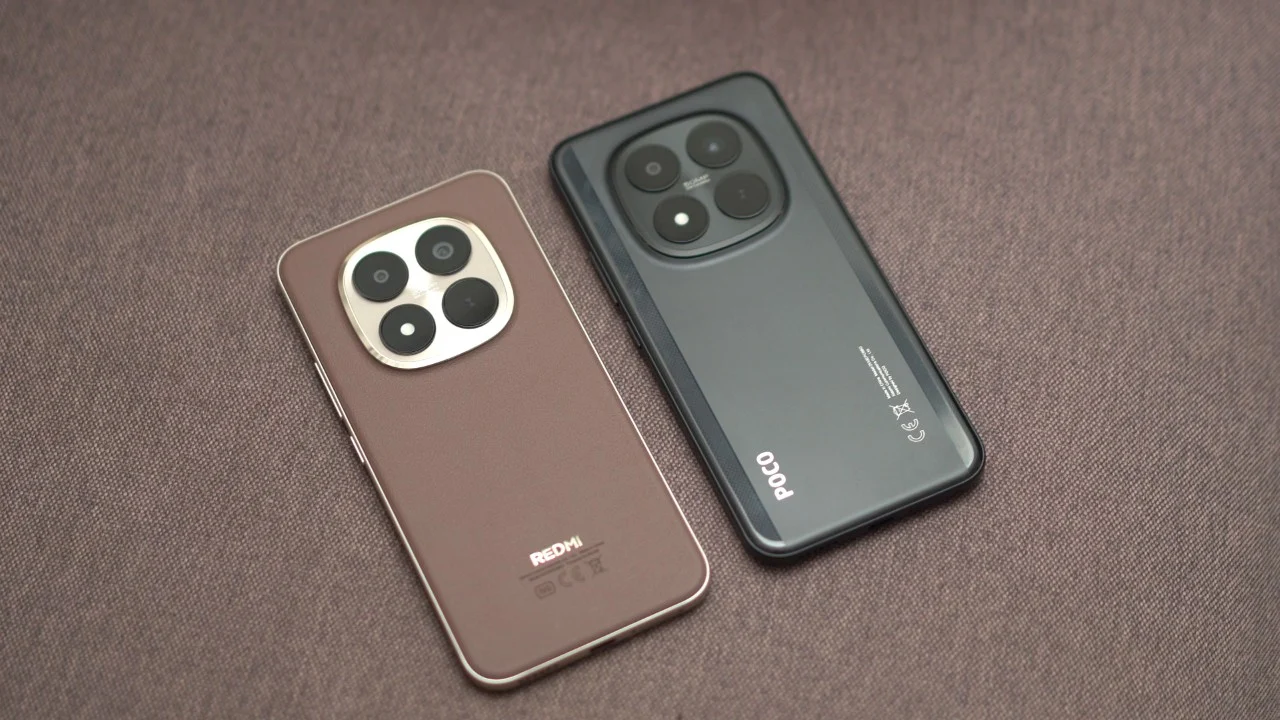
Same design language, same display, same performance, same battery life, same charging speeds, and even the same durable builds. In day-to-day use, it’s hard to justify why one costs significantly more than the other.
The REDMI does have its moments. The wider suite of AI tools is great, eSIM support is a welcome bonus, and software consistency is a plus. If you care about those things, and you don’t mind paying extra, the Note 15 Pro+ makes sense.
But the thing is, that Php9,000 price difference is hard to ignore.
For most people, the POCO M8 Pro 5G will deliver nearly the same experience for a lot less money. It’s the smarter choice offering better value for money, and arguably the phone Xiaomi accidentally made “too good” for its own lineup.
So, if you want a more “complete” experience with a few nice-to-haves, go REDMI. But if you want maximum value for money? POCO takes the cake.
| POCO M8 Pro 5G | REDMI Note 15 Pro+ 5G |
|---|---|
| 6.83-inch 1.5K AMOLED display | 6.83-inch 1.5K AMOLED display |
| 2772 x 1280 pixels, 120Hz, 447 ppi | 2772 x 1280 pixels, 120Hz |
| 3200 nits (peak) brightness | 3200 nits (peak) brightness |
| Corning Gorilla Glass Victus 2 | Corning Gorilla Glass Victus 2 |
| Snapdragon 7s Gen 4 | Snapdragon 7s Gen 4 |
| 4nm, octa-core, up to 2.7GHz | 4nm, octa-core, up to 2.7GHz |
| 8GB, 12GB LPDDR4X RAM | 12GB LPDDR4X RAM |
| 256GB, 512GB UFS 2.2 storage | 256GB, 512GB UFS 2.2 storage |
| Dual rear cameras: | Dual rear cameras: |
| - 50MP f/1.6 main (Light Fusion 800), OIS | - 200MP f/1.7 main, OIS |
| - 8MP f/2.2 ultrawide | - 8MP f/2.2 ultrawide |
| 32MP f/2.2 selfie shooter | 32MP f/2.2 selfie shooter |
| Dual nano-SIM | Dual nano-SIM (supports eSIM) |
| 5G, 4G LTE | 5G, 4G LTE |
| Wi-Fi 6/ 6E | Wi-Fi 6/ 6E |
| Bluetooth 5.4 | Bluetooth 5.4 |
| GPS, GLONASS, BDS, Galileo, QZSS, A-GPS | GPS, GLONASS, BDS, Galileo, QZSS, A-GPS |
| USB Type-C | USB Type-C |
| NFC | NFC |
| Under-display fingerprint sensor, face unlock | Under-display fingerprint sensor, face unlock |
| IP66, IP68, IP69, IP69K | IP66, IP68, IP69, IP69K |
| Symmetrical stereo speakers, Dolby Atmos, IR blaster | Dual stereo speakers, Dolby Atmos, IR blaster |
| Xiaomi HyperOS 2 for POCO, Android 15 | Xiaomi HyperOS, Android 15 |
| 6500mAh Si/C battery | 6500mAh Si/C battery |
| 100W charging (wired) | 100W charging (wired) |
| 22.5W reverse wired charging | 22.5W reverse wired charging |
| 163.34 x 78.31 x 8.31 mm (dimensions) | 163.34 x 78.31 x 8.19 mm | 8.47 mm (Mocha Brown) |
| 205.9g (weight) | 207.1g | 208.0g (Mocha Brown) |
| Black, Silver, Green (colorways) | Black, Glacier Blue, Mocha Brown (colorways) |



50or50