

Every time I hear about a “gaming phone” in the midrange segment, I usually expect the same thing; a regular smartphone with flashy design elements, maybe some RGB lighting, and not much else to justify the label.

That’s why the nubia Neo 5 GT immediately caught my attention.
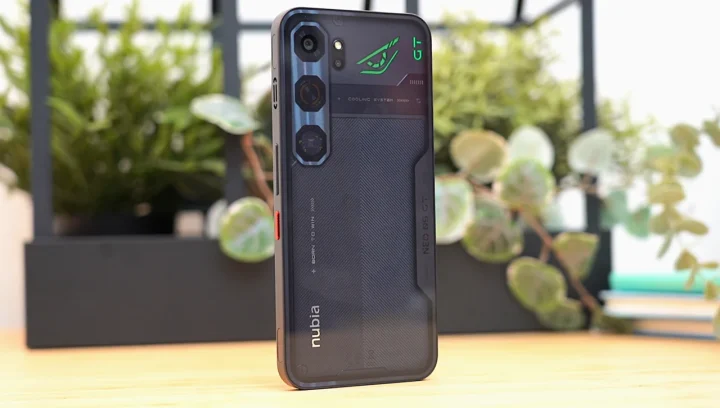
After spending a good amount of time with it, this doesn’t feel like a phone that’s just trying to look like a gaming device. It actually leans into the fundamentals like thermal management, control, responsiveness, and sustained performance.
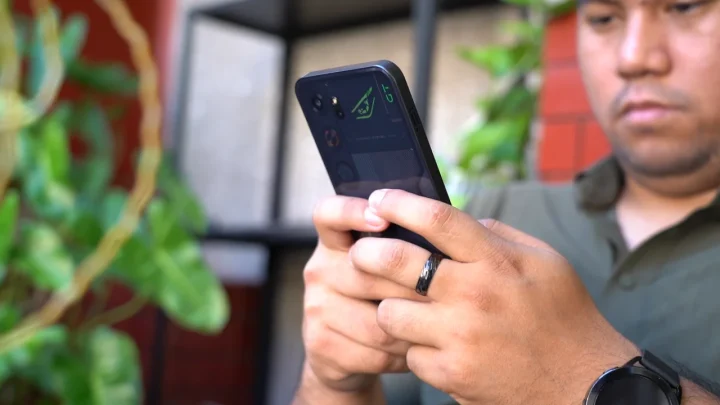
But of course, looking the part is one thing. Delivering on it is another. So, let’s break it down.
Design and Construction
Before we get to the performance side of things, let’s talk about the looks.
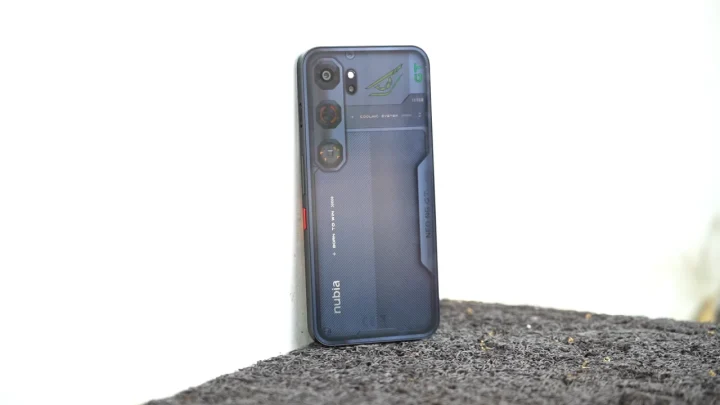
At first glance, the nubia Neo 5 GT already gives off that unmistakable “gaming phone” vibe. You’ve got the bold accents, the visible cooling system at the back, and some RGB lighting thrown into the mix. It’s not subtle, and clearly, it’s not trying to be.
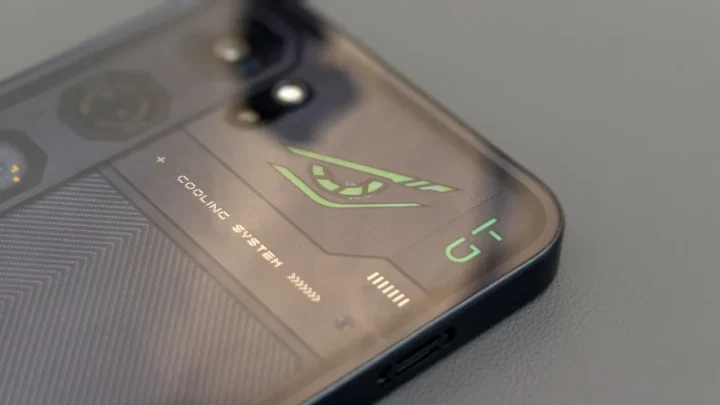
But once you actually pick it up, what surprised me more is how it feels in the hand. Despite having a built-in cooling fan, the phone is lighter than I expected. At the same time, it doesn’t feel cheap or hollow. There’s enough weight to give it a solid, well-built feel, and the aluminum frame definitely helps reinforce that. It strikes a nice balance between being substantial and still comfortable for longer gaming sessions.
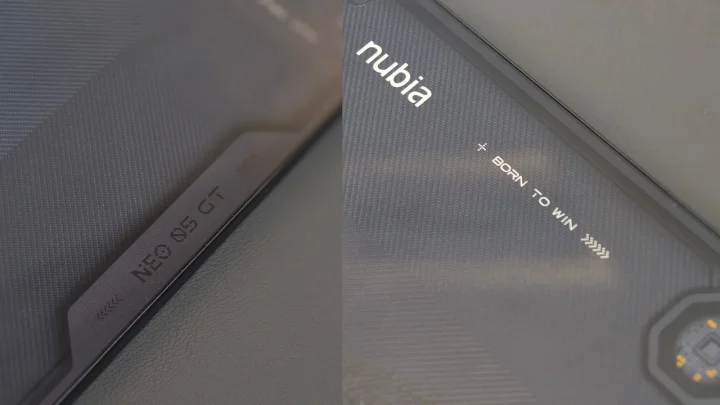
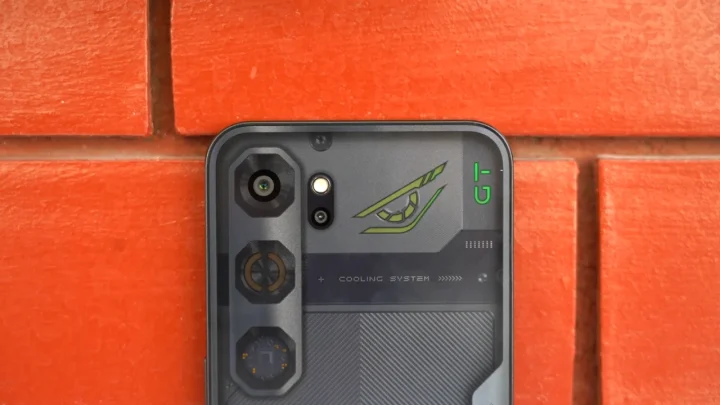
Now, one of my favorite things here is the completely flat back.
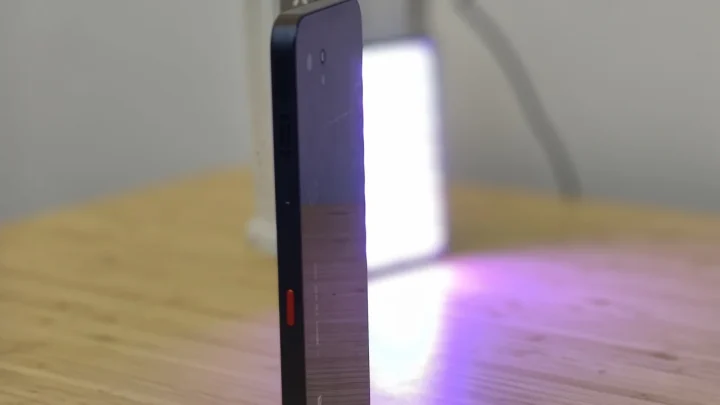
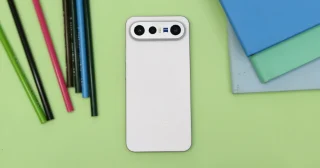
There’s no camera bump at all, which is honestly refreshing. The camera sits flush under the same glass as the rear panel, so when you place the phone on a table, it just stays put; no wobble, no rocking. If you play a lot in landscape mode, that’s a small detail you’ll appreciate almost immediately.
Design-wise, nubia didn’t just go for aesthetics either.
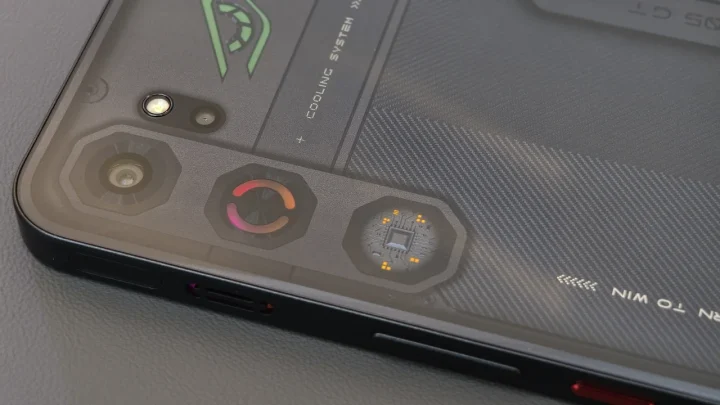
At the back, you’ll notice a circular window that shows off part of the cooling system along with its lighting. It looks good, sure, but more importantly, it’s functional.
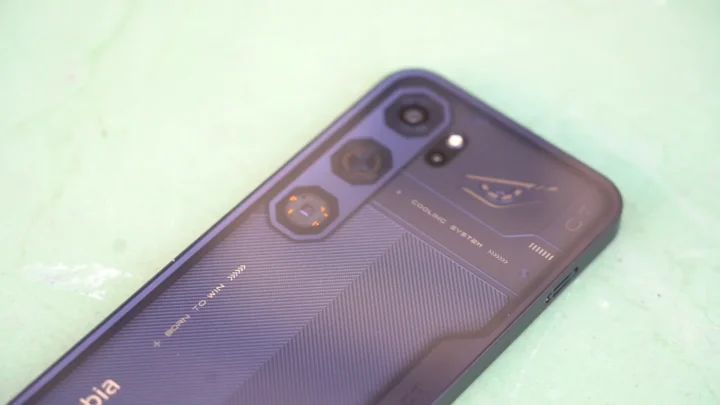
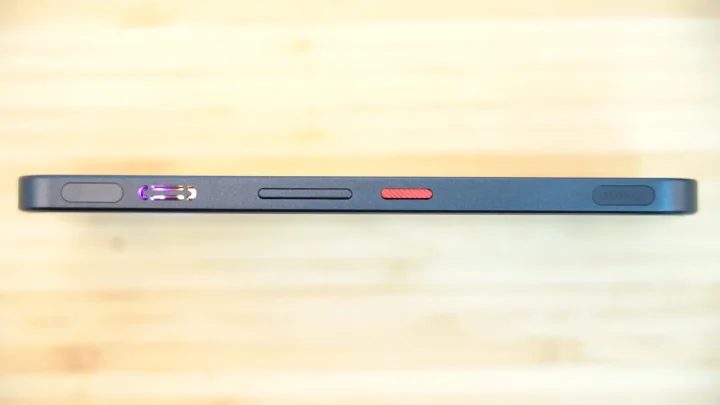
The phone uses a through-flow cooling design, with an intake vent on the left side and an exhaust on the right, allowing air to move across the internals more efficiently.
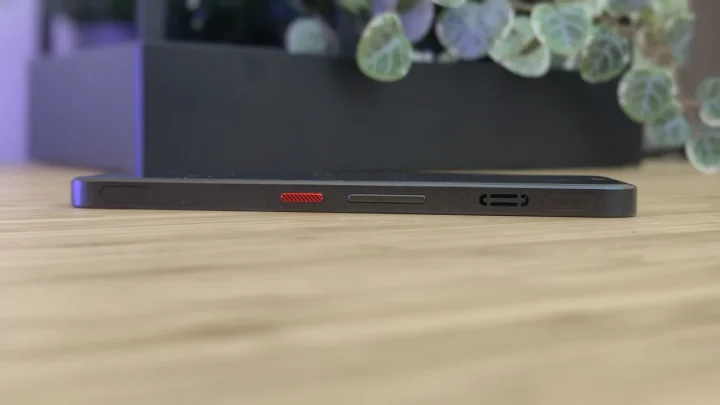
On the right side, you’ll find the volume rocker and the power button, which is finished in a textured red color, easy to locate by feel alone.
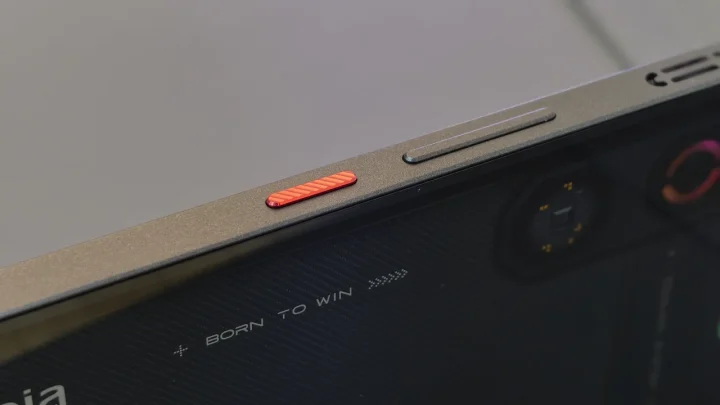
More importantly, this is also where the shoulder triggers are. They’re positioned exactly where your index fingers would rest in landscape mode, and once mapped in games, they add a noticeable layer of control that you don’t usually get in this price range. Also, add the exhaust vent for the cooling fan.
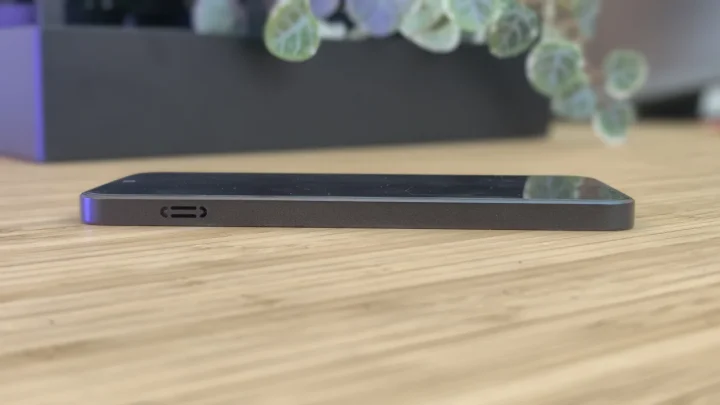
On the left side, things are a bit more minimal, but you’ll see the intake vent for the cooling system. It’s placed there for a reason so your grip naturally avoids blocking it during gameplay.
Down at the bottom, you’ve got the USB-C port, speaker grille, microphone, and the dual SIM tray.
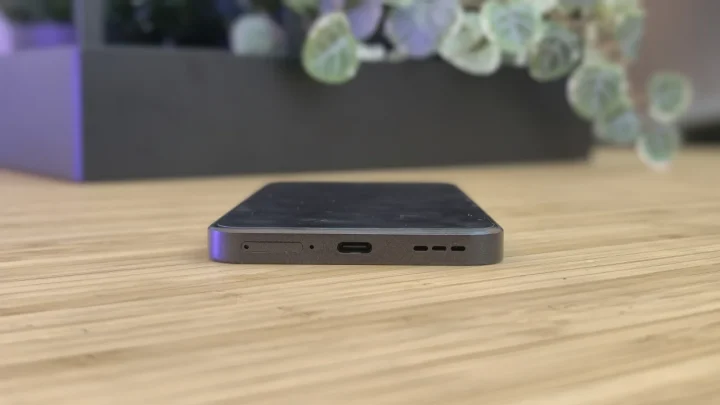
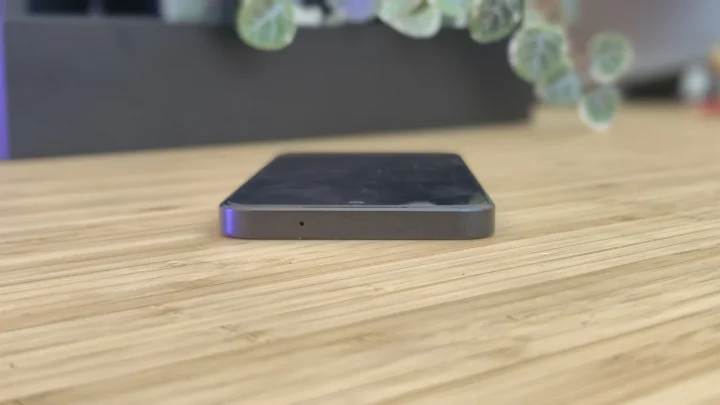
Up top, there’s another speaker from the earpiece and a secondary microphone, completing the stereo setup. This helps keep the audio balanced when gaming in landscape.
As for the front, it’s mostly dominated by the display, with relatively thin bezels all around. They’re not perfectly even, though, the bottom chin is slightly thicker, which you might notice if you’re particular about symmetry. There’s also a punch-hole cutout for the selfie camera, which is not that small but not overly distracting in actual use.
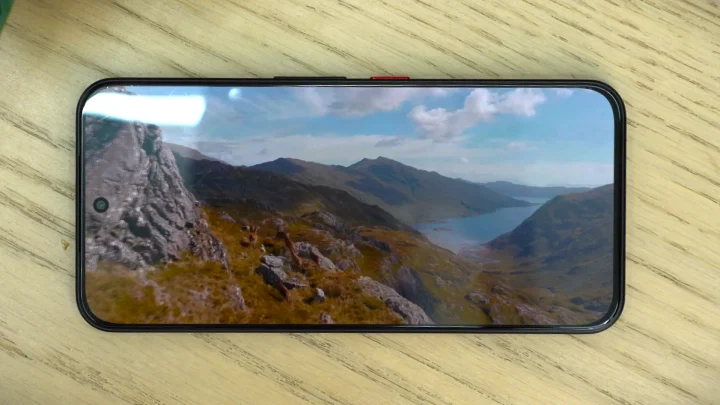
Personally, not everything here will appeal to everyone. The design is quite bold, but it’s clear that most of the choices weren’t made just for looks. A lot of it feels intentional, especially when you start using the phone the way it’s meant to be used.
Display, Multimedia, and Biometrics
Moving over to the screen, this is easily one of the stronger aspects of the nubia Neo 5 GT.

The phone features a large 6.8-inch AMOLED panel with a 1.5K resolution and a 144Hz refresh rate. On paper, that already sounds impressive for the price range, but in actual use, it delivers where it matters.
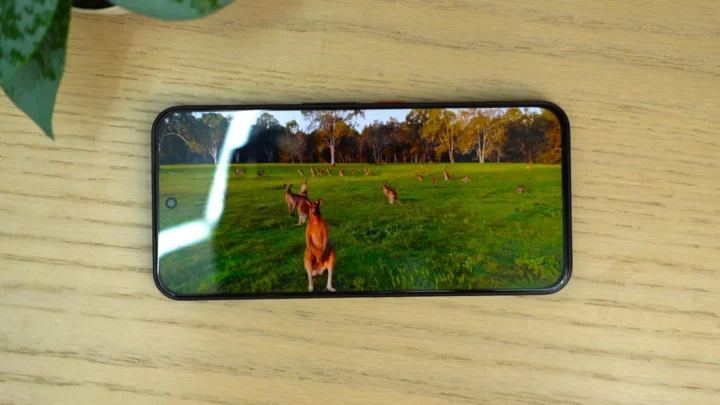
The first thing you’ll notice is how smooth everything feels. Whether you’re just scrolling through apps or playing fast-paced games, the high refresh rate makes the entire experience feel fluid.
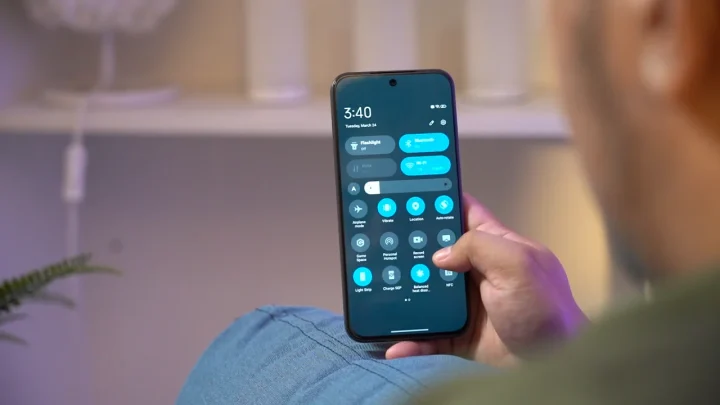
Now, beyond just smoothness, responsiveness is another key highlight here.
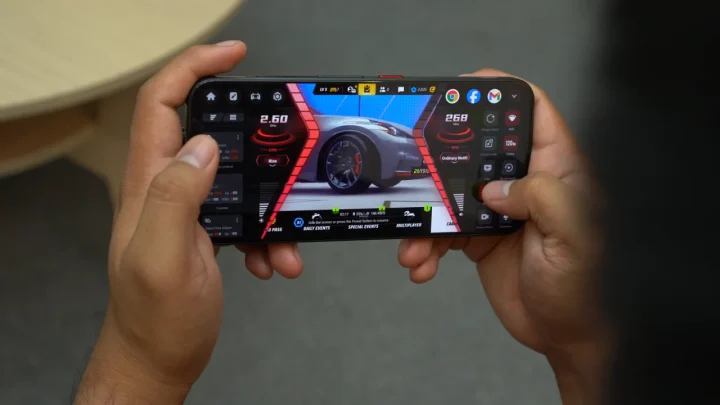
The Neo 5 GT comes with a high 3049Hz instant touch sampling rate, and while that might sound like just another spec sheet number, it’s something you can actually feel especially in competitive games. Inputs register quickly, and there’s very little delay between what you do and what you see on screen. If you’re playing titles where timing matters, that responsiveness becomes a real advantage.

You also get vibrant AMOLED colors, deep blacks, and good overall sharpness thanks to the 1.5K resolution.

With a peak brightness that goes up to around 4,500 nits, visibility outdoors isn’t really an issue. Even under direct sunlight, the screen remains readable, which is something that not all midrange devices can consistently handle.
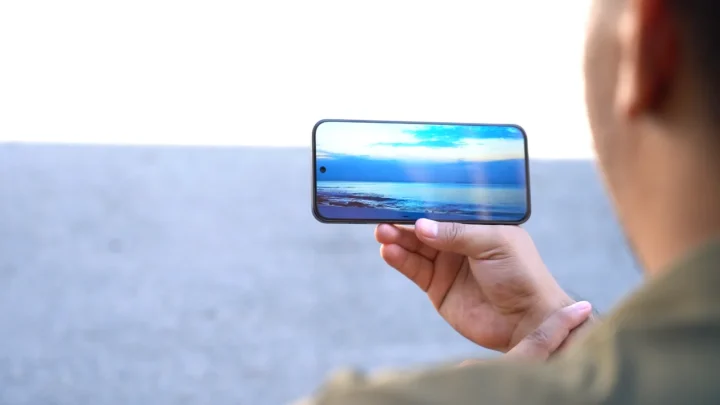
As for the viewing experience, the panel is flat, which I personally prefer. There are no accidental touches along the edges, and you don’t get those distracting light reflections. It just feels more practical, especially when gaming.

Now, moving on to audio. The phone is equipped with stereo dual speakers with DTS:X Ultra support. The sound is fairly balanced with clear highs, decent mids, and enough presence on the low end to make games and videos enjoyable. It’s not going to replace a dedicated speaker setup, of course, but for a smartphone in this category, it’s more than serviceable.

For biometrics, you get an under-display optical fingerprint sensor which is reliable and fast enough for everyday use.

Cameras
Now, let us be realistic here; this is still a gaming-first phone, so the cameras are not the main attraction.
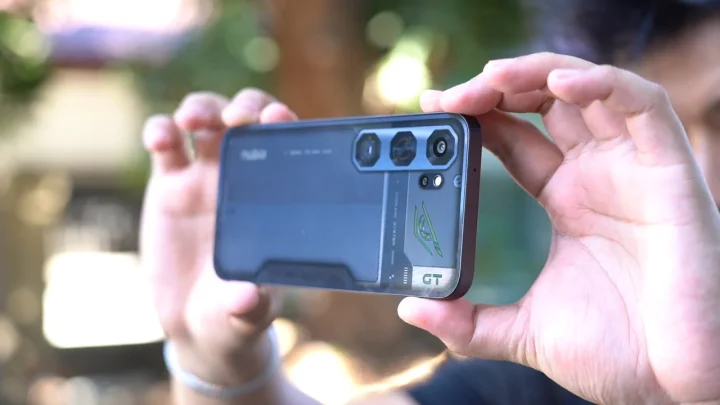
The rear setup is straightforward: a 50MP main camera without OIS, plus an unspecified secondary lens, along with an 8MP selfie shooter in a punch-hole notch. That is enough for basic photography, but nothing here is trying to compete with dedicated camera-focused devices.
In my experience, the camera output is decent for a gaming phone. Colors are fairly accurate, and still photos look clean when shot in proper lighting. Once you start zooming in, however, quality drops noticeably. Low-light shots also show more noise, which is not too surprising given the phone’s priorities and the way the AI processing seems tuned.
nubia Neo 5 GT 5G Sample Photos
Mar 15 – 24


The safest way to use the camera is pretty simple: take photos in daylight or in well-lit environments, and the results are perfectly usable for casual shots and social media.
Performance and Benchmarks
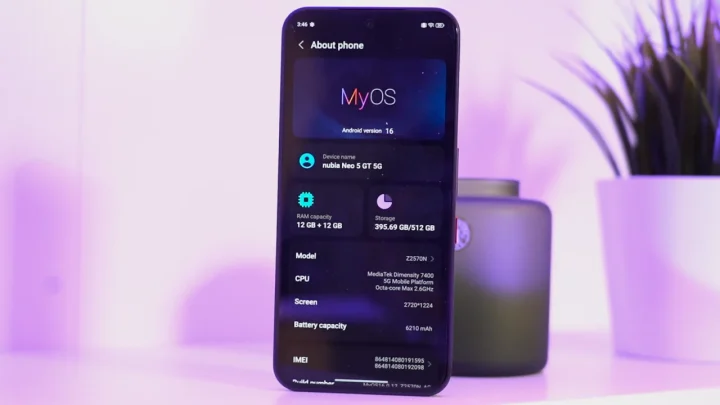
Jumping onto performance, the nubia Neo 5 GT is powered by a MediaTek Dimensity 7400 chipset, paired with up to 12GB of RAM and 512GB of internal storage.
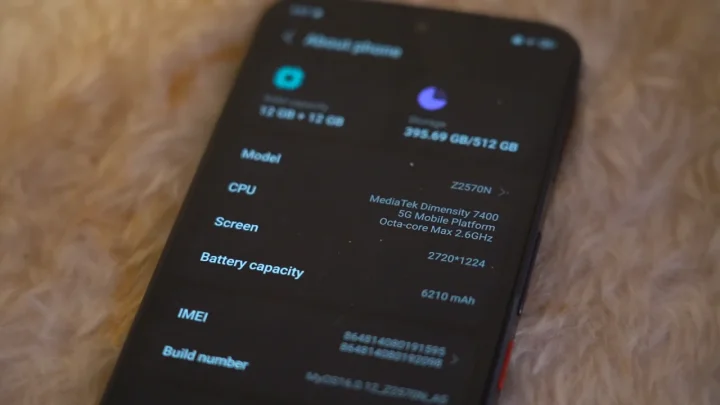
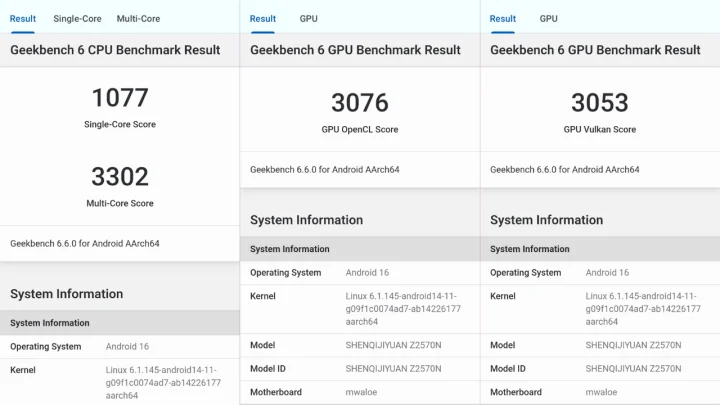
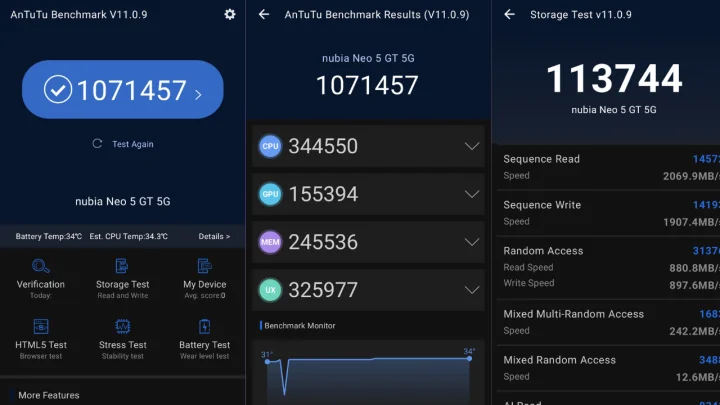
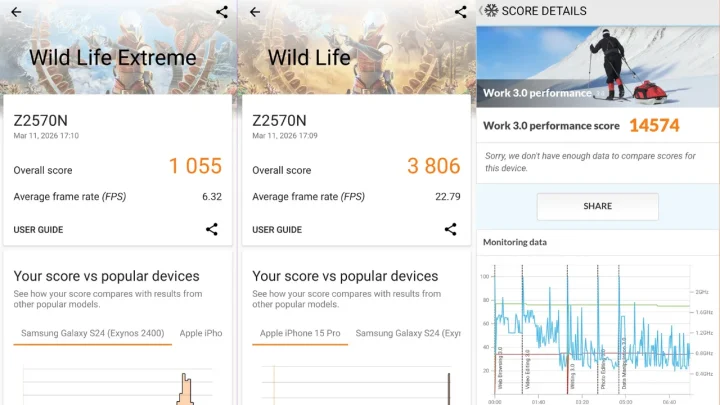
Taking a look at the benchmark results, the phone posts solid numbers for its class, with over 1 million points on AnTuTu and respectable scores across Geekbench and 3DMark.
In actual use, those numbers translate to a smooth and consistent experience.
| Performance Benchmarks | nubia Neo 5 GT 5G |
|---|---|
| Chipset | MediaTek Dimensity 7400 5G (4nm) |
| AnTuTu V11 | 1,071,457 |
| AnTuTu Storage | 113,744 |
| S.Read Speed | 2,069.9 MB/s |
| S.Write Speed | 1,907.4 MB/s |
| 3DMark Wild Life | 3,806 | Avg. FPS: 22.79 |
| 3DMark Wild Life Extreme | 1,055 | Avg. FPS: 6.32 |
| Geekbench 6 CPU Single-Core | 1,077 |
| Geekbench 6 CPU Multi-Core | 3,302 |
| Geekbench 6 GPU OpenCL | 3,076 |
| Geekbench 6 GPU Vulkan | 3,053 |
| PCMark Work 3.0 performance | 14,574 |
Everyday tasks like app switching, browsing, and general navigation feel quick and responsive, with no noticeable slowdowns. More importantly, the phone maintains that performance even during longer sessions, which is where it starts to separate itself from typical midrange devices.
Of course, we also tried gaming on this thing.
In Mobile Legends, the phone performs particularly well, averaging around 120 FPS on Ultra settings, making full use of the high refresh rate display.

Asphalt Legends also runs smoothly at a consistent 60 FPS on the highest graphics settings, with stable performance throughout.
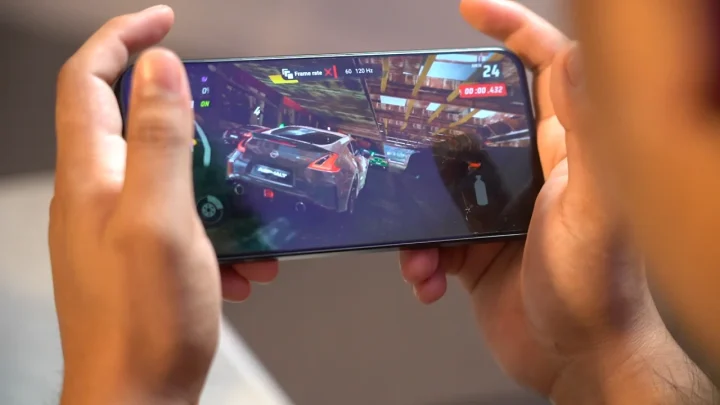
For more demanding titles like Genshin Impact, the phone delivers better-than-expected results for its class. It averages around 47 FPS on low graphics settings, and can reach 60 FPS on lesser combat scenarios, though enabling the cooling fan helps maintain that frame rates during extended play.

OS, Apps, and UI
Onto the software side of things, the nubia Neo 5 GT runs on MyOS 16 based on Android 16.
At first glance, the interface leans heavily into its gaming identity. You get a dedicated AI Game Space 5.0, which acts as a centralized hub for managing your games and performance settings. It’s fairly straightforward to use and gives you quick access to things like performance modes, notifications control, and system monitoring while in-game.
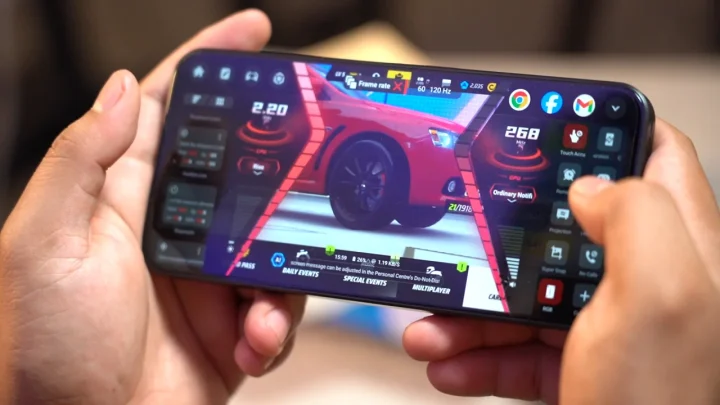
There’s also AI Copilot Demi 2.0, which is one of the more unique additions here. It functions as a sort of in-game assistant, offering tips, answering gameplay-related questions, and even auto-replying to messages while you’re playing. It’s an interesting feature, whether it becomes something you rely on or just occasionally use will likely depend on your playstyle.
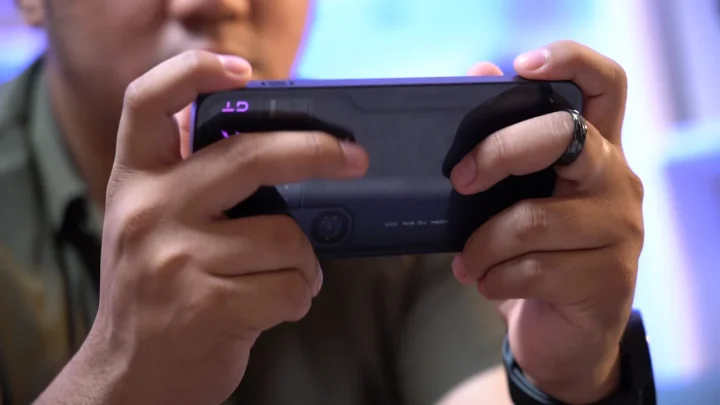
Now, in terms of general usability, the UI is quite flexible.
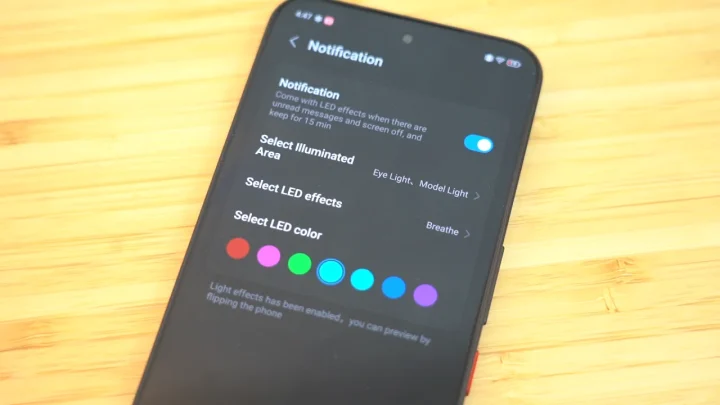
Customization options are good, with various ways to tweak the look and feel of the system, from themes to layout adjustments. One nice addition here is the RGB lighting control for the back of the phone. You can customize how the lighting behaves depending on different scenarios such as notifications, incoming calls, or gaming, and even assign specific colors for each, which adds a bit of personality to the device without feeling gimmicky.
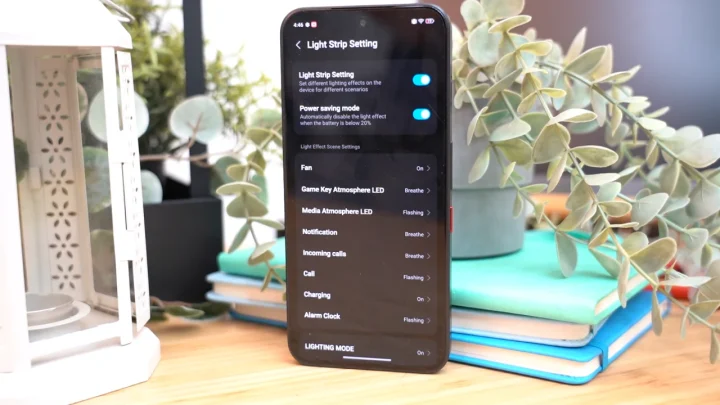
Navigating through the interface is smooth overall, and animations are generally consistent with the phone’s high refresh rate.
That said, it’s not entirely clean.

There is a noticeable amount of pre-installed apps out of the box. The good thing is that most of these can be uninstalled manually, so it’s more of an initial inconvenience rather than a long-term issue.
Ads are also present in certain parts of the system, which can be a bit distracting depending on where you encounter them. It doesn’t completely ruin the experience, but it’s something worth noting, especially for users who prefer a cleaner, more minimal UI.
Another thing worth pointing out is software support.
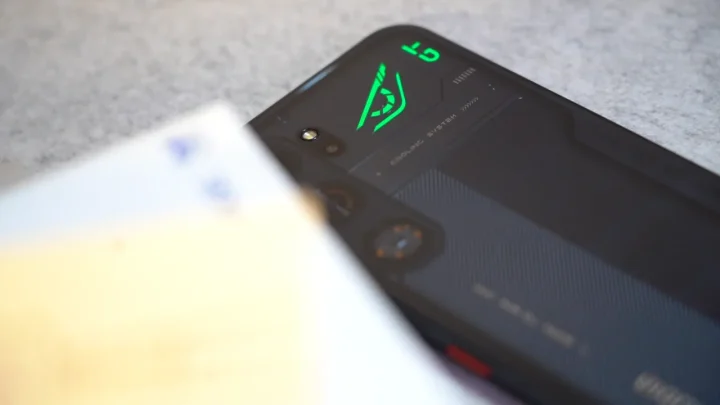
As of now, nubia hasn’t specified how many years of OS updates and security patches the Neo 5 GT will receive. That lack of clarity might be a concern for users who prioritize long-term software support.
Battery and Charging
Battery life is another area where the Neo 5 GT performs decent.
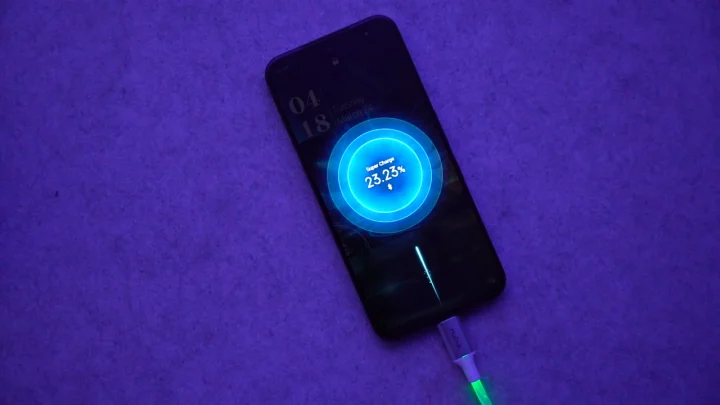
With a 6,210mAh battery, the phone comfortably lasts a full day, even with relatively heavy use. Gaming will naturally drain it faster especially if you’re using the fan and lighting, but overall endurance remains strong.
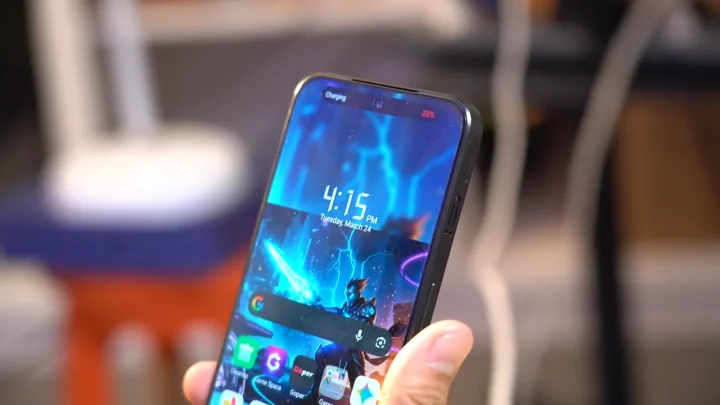
In our testing, the phone delivered solid real-world results. A video loop test reached up to 18.05 hours of playback, while Mobile Legends gameplay lasted around 7 hours, which is quite respectable for a device running high refresh rates and active cooling.
What’s more interesting, though, is how much the gaming features affect battery life.
| Battery Benchmarks | nubia Neo 5 GT 5G |
|---|---|
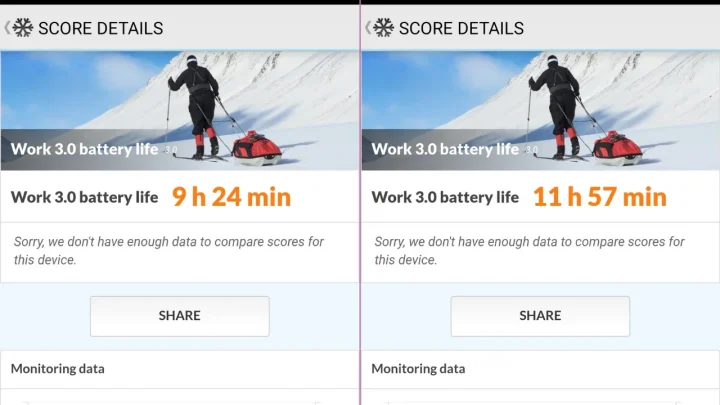
| PCMark Work 3.0 battery life (Built-in fan & RGB Lights off) | 11 hrs & 57 mins |
| PCMark Work 3.0 battery life (Built-in fan & RGB Lights on) | 9 hrs & 24 mins |
| Video Loop Test | 18.05 hours of video playback |
| Mobile Legends Gameplay | 7 hours of gameplay |
In PCMark, the phone lasted 11 hours and 57 minutes with the fan and RGB lighting turned off. Once those features were enabled, battery life dropped to 9 hours and 24 minutes. That’s a noticeable difference, and it clearly shows the trade-off between maximizing performance and preserving endurance.
One feature I really appreciated is bypass charging, or what nubia calls Charge SEP.
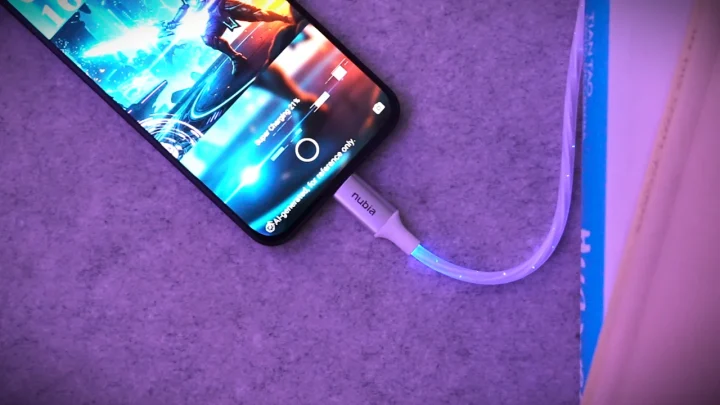
It allows the phone to draw power directly from the charger while gaming, which helps reduce heat buildup and minimizes battery wear over time, especially useful for longer sessions. Charging speeds go up to 80W with the included charger in the box.
Connectivity
Connectivity is straightforward and practical.
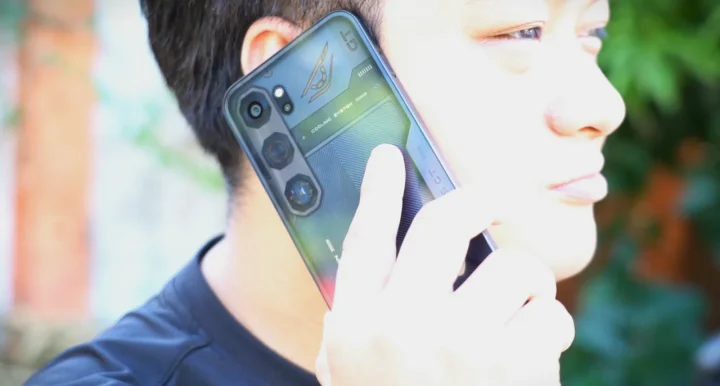
You get support for 5G, Wi-Fi 6, Bluetooth 5.4, NFC, and dual SIM.
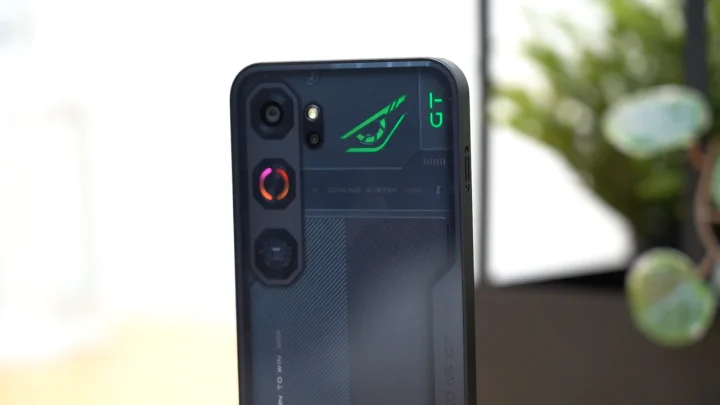
There’s also a 360-degree antenna system designed to maintain signal strength during gaming, especially when holding the phone horizontally.
Pricing
Now, before we get to the verdict, let’s talk about pricing.
The nubia Neo 5 GT is priced at PHP 17,999 for the 8GB + 256GB variant, positioning it firmly in the midrange segment.
At that price point, it’s actually quite competitive. You’re getting features like a built-in active cooling fan, a 144Hz AMOLED display, and gaming-focused controls, things that are usually reserved for more expensive devices.
Verdict
Taking everything into account, the nubia Neo 5 GT feels like a more deliberate and focused take on what a midrange gaming phone should be.

Instead of trying to chase flagship-level specs, nubia clearly prioritized the fundamentals; sustained performance, effective thermal management, a responsive display, and battery endurance. And for the most part, those decisions pay off. The experience feels consistent, especially in longer gaming sessions where many devices in this segment tend to fall short.
That said, it’s not without compromises.
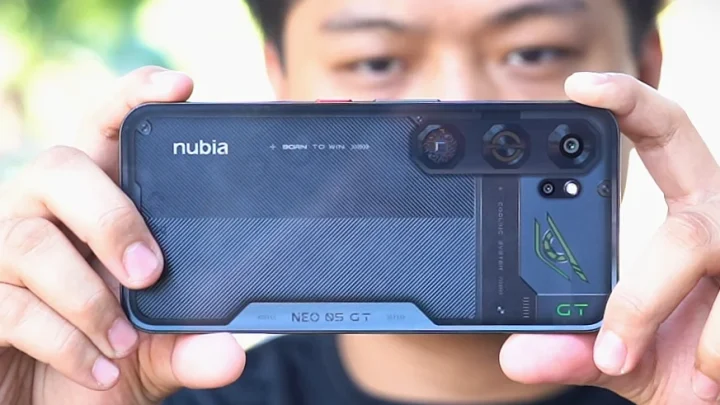
The cameras are serviceable at best, the software comes with some bloatware and occasional ads, and there are a few minor design quirks. But given the phone’s priorities, these feel more like trade-offs than outright dealbreakers.
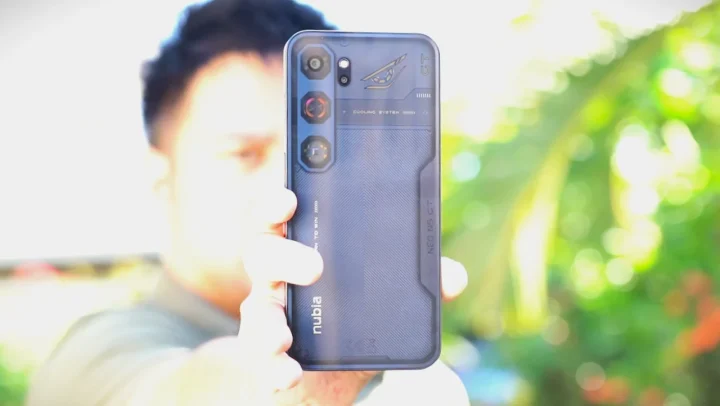
If you’re someone who prioritizes gaming performance over everything else, this is one of the more compelling options in its price range.
What we liked:
- Built-in active cooling fan
- Flat, wobble-free design (Front & Back)
- Bright and responsive display
- Strong battery life with bypass charging support
- Shoulder triggers
What we didn’t like:
- Camera performance in zoom or low light
- Presence of system bloatware
Nubia Neo 5 GT specs:
6.79-inch 1.5K AMOLED Display
1224 x 2720 pixels, 144Hz refresh rate
4500 nits (peak) brightness, 3049Hz touch sampling rate.
MediaTek Dimensity 7400
4nm, octa-core, up to 2.6GHz
Mali-G615 MC2 GPU
12GB LPDDR4X RAM
512GB UFS 3.1 storage
– 50MP f/1.8 main, no OIS
– (Unspecified secondary lens)
8MP f/2.05 selfie shooter (hole punch notch)
Dual nano-SIM
5.5G, 4.5G LTE
Wi-Fi 6
Bluetooth 5.4
GPS
USB Type-C
NFC
Under-display fingerprint sensor (optical), face unlock
IP64 dust and water resistance
Dual stereo speakers (DTS:X Ultra)
Touch shoulder triggers (550Hz touch-sensing)
Rear RGB Lights, Built-in cooling fan
MyOS 16 (Android 16)
6210mAh battery
80W charging (wired), Bypass charging
Yellow, Gray, White (colorways)






0 Comments
Leave a Reply