

Redmi is welcoming 2026 with a bang, and that’s through the new Redmi Note 15 series. It’s the successor to the Redmi Note 14 series we saw back in January of 2025, and after a year, the new model is finally here.

Specifically, we’ll be checking out the Redmi Note 15 Pro+, and on the outside, it might look identical to its predecessor, retaining the signature camera island design. But there are some major upgrades under the hood, including a new chipset and a larger battery.
With that, you do have to ask yourself, is it worth it to upgrade to the new Redmi Note 15 Pro+ before the next batch of phones are released later this year?
Well, I suggest you read on to find out whether or not you should start your new year with this brand new phone.
Design and Construction

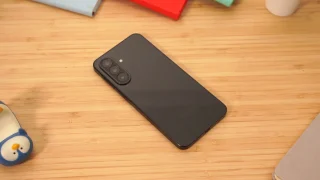
In terms of the design, the Redmi Note 15 Pro+ looks very similar to its predecessor, the Note 14 Pro+. The rounded square-shaped camera island is almost identical, with only minor changes to the bezel.

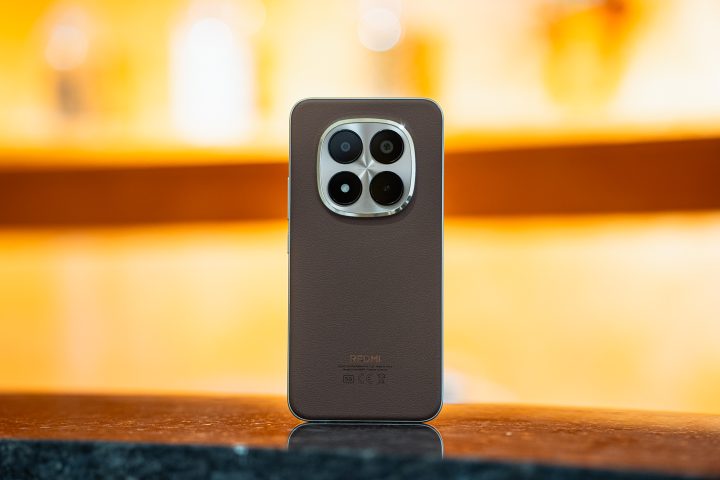
Perhaps the most interesting upgrade Redmi made to the Note 15 Pro+ is the use of the faux leather backpanel. Do note that this is only available on the Mocha Brown color, which is the one we have.
It feels nice to the touch, and what I really like is that it doesn’t leave any nasty fingerprints when you have sweaty hands. Not to mention, some would say it even gives the phone a very premium look and feel.
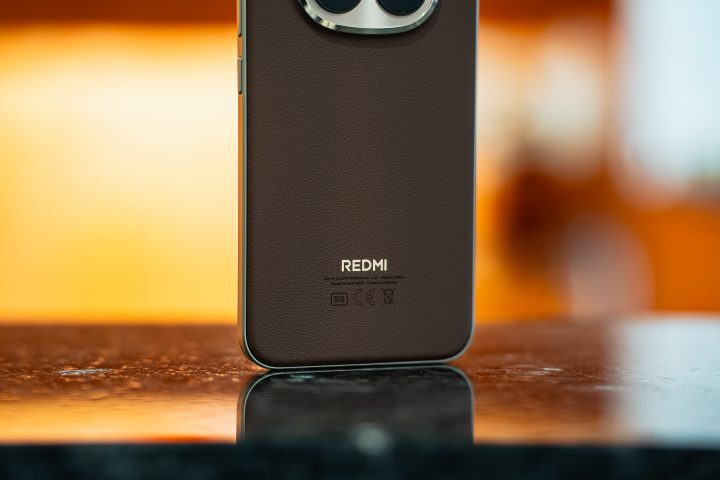
If the Mocha Brown color isn’t for you, there are two other colors available: Glacier Blue and Black, but these don’t feature the faux leather panel. Instead, they use a regular glass back panel mated with an aluminum frame.
The design of the back panel itself is also a lot more minimalistic, featuring the Redmi logo at the bottom center with a subtle 5G label below it. Undoubtedly, the subtle redesign helps with how the phone looks.

There are no changes to the phone’s ergonomics either. The volume rocker and power button are still on the right side, while the left side of the phone is clean. At the bottom, you’ll find the USB-C port, the dual-sim card slot, and one of the two loudspeakers. At the top are the other loudspeaker and a secondary microphone.
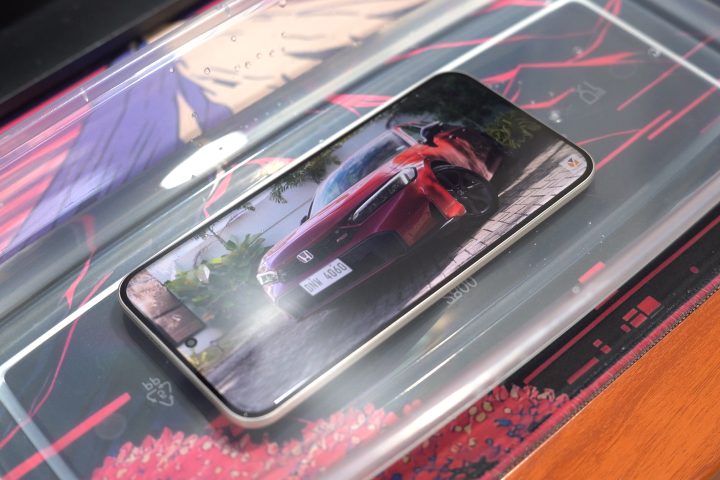
To keep your phone protected from the elements (or accidental dips into the pool), the Note 15 Pro+ features IP68 and IP69 levels of protection. So even if you submerge it in water, this will work just fine. But as always, seawater is a different issue.
Display, Multimedia and Biometrics

While the design might not have changed a lot from its predecessor, one change that is obvious on the Redmi Note 15 Pro+ is the display. It’s a lot bigger than before, measuring 6.83-inches. No downgrade to LCD here; it still uses a 1.5K AMOLED panel with up to 120Hz refresh rate and 3200 nits of peak brightness.

Considering that it’s an AMOLED panel, it features amazing colors and viewing angles. This made it very enjoyable to binge-watch my favorite series or catch up to shows on this phone. Even when you’re watching with friends, they’ll be able to see everything clearly too.

There’s no problem using it outdoors with its 3200 nit peak brightness; We’re able to see everything clearly on-screen despite the sun shining brightly.

As for the 120Hz refresh rate, we get smooth animations when watching videos, playing games, or even when we’re just playing with the menu. But of course, gamers will be the ones who will be able to take advantage of the high refresh rate the most, more on that later.

The speakers are nice for playing or watching series. It features Dolby Atmos and Hi-Res audio support, we can even volume boost up to 400% to make things really loud.
However, I wouldn’t recommend maxing it out since you do lose a bit of quality in exchange for the loudness. Even at 100%, it’s already loud to begin with, but at least end users can boost the volume up further if needed.
As for biometrics, you can choose between an in-screen fingerprint scanner or a face unlock. Both work fast, but out of personal preference, I chose to use the fingerprint scanner out of convenience.
Cameras
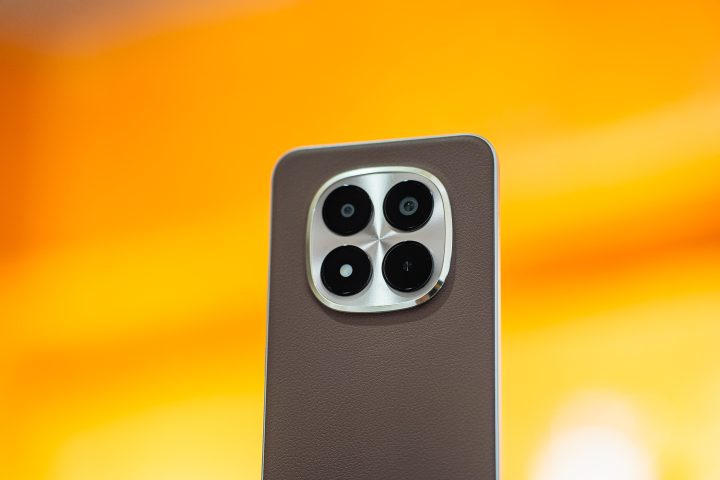
If you saw the camera island of the Redmi Note 15 Pro+, you’ll assume it still has three cameras just like before. But interestingly, Redmi decided to ditch one, leaving two. It gets a 200MP main shooter with a 1/1.4-inch sensor featuring OIS and an 8MP ultrawide. No more 2MP depth sensor. In front, there’s a 32MP camera for selfies.

At 1x or 2x zoom, the camera captures amazing images. The phone’s image processor does a great job of balancing the highlights and shadows. The colors are quite accurate, similar to what we actually see with our eyes. It’s not too overly edited either, giving us a natural-looking photo.

Even at low light, the images come out decent. There is some grain if we pixel peep, but as is, it’s more than enough for social media posting. We can also take advantage of the Ultra HD mode, but honestly, I never found myself using it. The standard mode is more than enough.
The only downside is when we start to use the zoom. Anything beyond 3x zoom, we’ll notice a drop in quality. However, that’s to be expected considering the camera doesn’t have a telephoto lens. It’s a similar story when using the ultrawide camera. The ultrawide doesn’t perform as well too in low light, where we’ll notice a lot of grain.

As for video, the rear camera captures at a maximum of 4K@30FPS, while the front is limited to 1080p@30FPS. There doesn’t seem to be any form of stabilization at 4K, which leads to somewhat shaky shots. There is a Steadyshot mode but that’s limited to 1080p. However, we can capture some cinematic-style videos with it turned on.
The video quality is similar to the photos, where we are limited by the zoom and ultrawide. But if you keep it at 1x, it’s more than enough. Just check out the sample gallery below and see for yourself.
Redmi Note 15 Pro+
Dec 19 – 25, 2025


Performance and Benchmarks

Under the hood, the Redmi Note 15 Pro+ packs a Snapdragon 7s Gen 4 chipset. Depending on the specs, it can have up to 12GB of RAM and 512GB of storage. There’s no microSD card slot available, but 512GB is more than enough.
The chipset itself is very capable, and if you’re using it for everyday work or productivity purposes, you won’t be let down. We can leave multiple applications running in the background, and you can quickly switch between them without a problem. This means you can easily pick up where you left off.

It’s a similar story when it comes to playing games. On Genshin Impact, it could run the game smoothly on medium graphics at 60FPS without issues. We can bump some of the settings to high, but this also invites framerate drops.
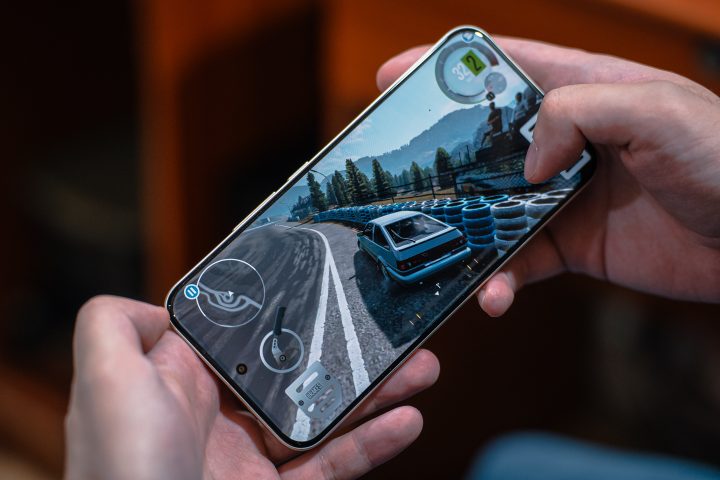
When playing CarX Drift 2, I left most of the graphic settings to medium as well in order to run the game smoothly at 120FPS. Similar to Genshin, it can run the game on high, but it has a hard time doing so at 120FPS. Instead, users will need to lower the FPS in exchange for better graphics or the other way around.

When playing both games, we experienced some heat from the phon,e but it’s not that bad. More importantly, the games didn’t slow down despite the heat.
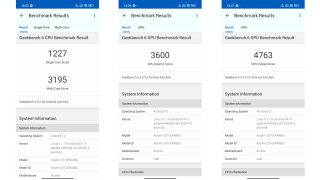
As for the benchmarks, you can check them out below.

| Device: | Redmi Note 15 Pro+ |
|---|---|
| Chipset: | Qualcomm Snapdragon 7s Gen 4 |
| RAM | 12GB |
| Antutu v11 | 1,082,834 |
| Antutu Storage Test (Read) | 1,045.0 MB/s |
| Antutu Storage Test (Write) | 1,016.0 MB/s |
| Geekbench Single-Core | 1,227 |
| Geekbench Multi-Core | 3,195 |
| Geekbench OpenCL | 3,600 |
| Geekbench Vulkan | 4,763 |
| 3D Mark Wild Life | -- UL server issue |
| PCMark Work 3.0 | 13,820 |
| Video Loop Test | 29 hours and 26 minutes |
OS, Apps, and UI
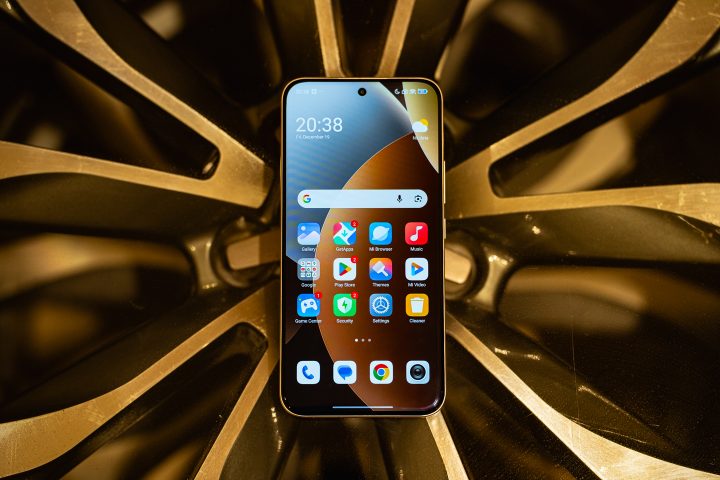
The Redmi Note 15 Pro+ runs on Xiaomi HyperOS 2.0, which is based on Android 15. I’m surprised that it doesn’t ship out with HyperOS 3, which is the latest version of the brand’s operating system based on Android 16.
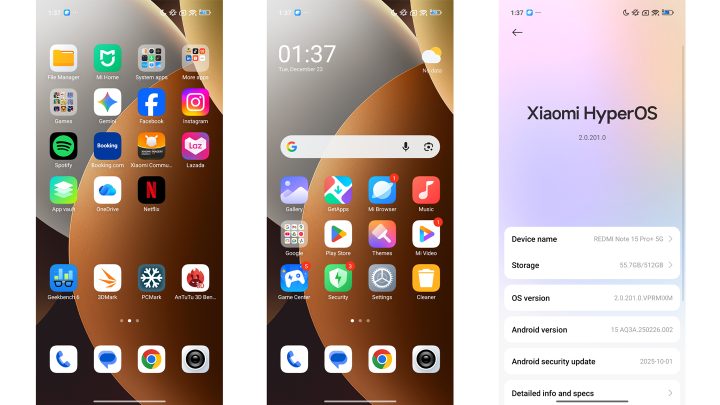
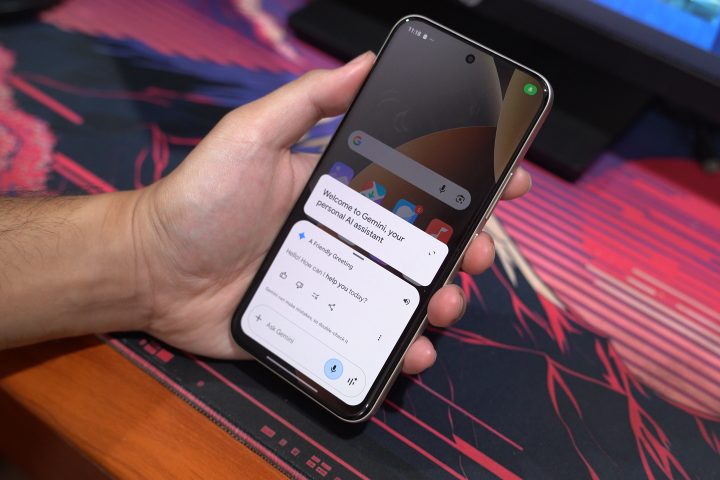
Thankfully, there are still some AI features available even with HyperOS 2.0. It’s not the full suite we’re used to with HyperOS 3, but at least you still have the AI functions in the gallery and even in the notes app, which are the ones you’ll probably use the most. You also have access to Gemini and its suite of functions.
But what I really don’t like about the OS is the bloatware. There’s a lot, and you will have to delete them one by one. Then there’s the pop-up ads coming from apps you don’t even use. It’s honestly annoying since you will have to mute it in the settings to get rid of them.
But other than that, HyperOS 2 is smooth to use on the Note 15 Pro+. Do note that at the time we reviewed this phone, it had yet to be officially launched. With that, it could update to HyperOS 3 by the time the phone launches globally.
Battery and Connectivity

Powering the Redmi Note 15 Pro+ is a 6500mAh battery pack, which is quite larger, especially compared to its competition. With that, we were expecting the phone to last a lot longer than one with a 5000mAh pack, right? Well, it does, but it’s by a big margin.
Using PC Mark’s Battery Benchmark, the Note 15 Pro+ only recorded 16 hours and 40 minutes of battery life. For reference, this was done with 50% brightness, airplane mode, and zero volume.
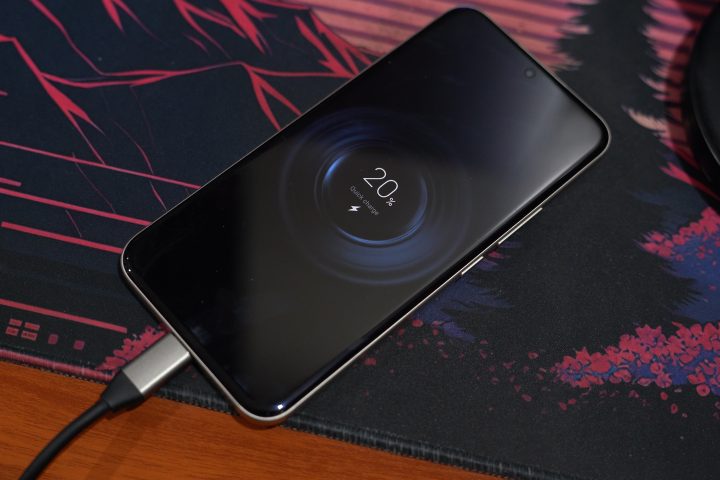
Honestly, we were expecting it to last a bit longer, but it’s only marginally better, especially considering how big it is. Thankfully, when we do need to charge, it doesn’t take long. It features a 100W HyperCharge, which can quickly juice the phone to 100% in a jiffy. There’s also 22.5W reverse wired charging if you want to help out a friend.
In terms of connectivity, the Note 15 Pro+ features Wi-Fi 6, Bluetooth 5.4, NFC, and even eSIM support.
Conclusion
Overall, the Redmi Note 15 Pro+ is a great phone, but you do have to consider that there will be newer models coming out later this year. Unless you really need a new mid-range smartphone right now, we don’t see the necessity in getting it.

Official Philippine SRPs:
- Redmi Note 15 Pro+ 5G (12GB + 256GB) – PHP 25,999
- Redmi Note 15 Pro+ 5G (12GB + 512GB) – PHP 27,999
Should you need to buy one for yourself this January, though you definitely won’t be let down by the Note 15 Pro+ in terms of performance, ruggedness, or even the beautiful display.
Sure, you might be annoyed by the pop-up ads and the bloatware, but hopefully, that can be mitigated once HyperOS 3 comes to this phone.
But so far what do you think of the Redmi Note 15 Pro+? Would you cop it? Share your thoughts in the comments below.
What we liked:
- Great performance
- Beautiful display
- Nice design
What we didn’t like:
- Battery life isn’t the best
- Cameras could be better
Redmi Note 15 Pro+ Specs:
6.83″ CrystalRes AMOLED, 1.5K (2772 × 1280)
Up to 120Hz, Up to 3200 nits
Snapdragon 7s Gen 4
Adreno GPU
Up to 8GB / 12GB RAM
256GB / 512GB storage
Cameras:
200MP main (OIS) + 8MP ultra-wide
32MP front camera
6,500mAh battery
100W HyperCharge, 22.5W reverse
Xiaomi HyperOS 2
5G, Wi-Fi 6E, Bluetooth 5.4, NFC, GPS
IP66 / IP68 / IP69 / IP69K
163.34 × 78.31 × 8.19–8.47 mm
207–208 g
Mocha Brown, Glacier Blue, Black




0 Comments
Leave a Reply